





Brass Mounted Porcelain
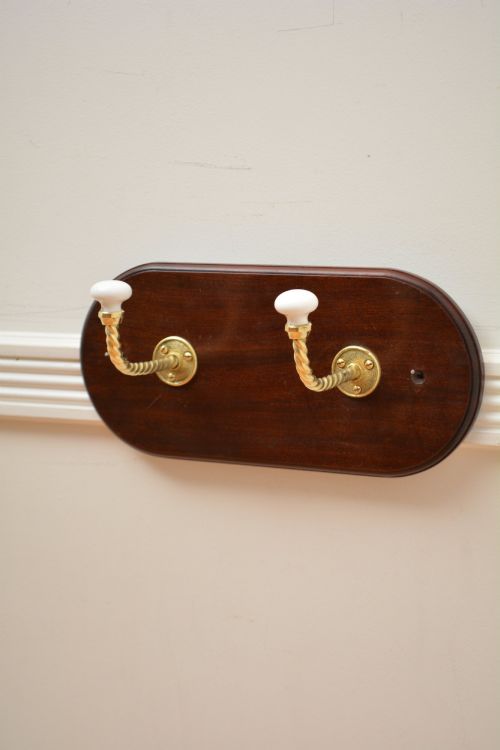
Brass mounted porcelain unites the smooth glaze of ceramic bodies with the crisp edge of cast metal mounts.
Brass Mounted Porcelain
When buyers search for brass mounted porcelain, they encounter decorative and functional objects formed from ceramic bodies fitted with metal mounts. These pieces span the nineteenth century, including Victorian, Edwardian, and Napoleon III periods, drawing upon French Rococo Revival and Chinese styles.
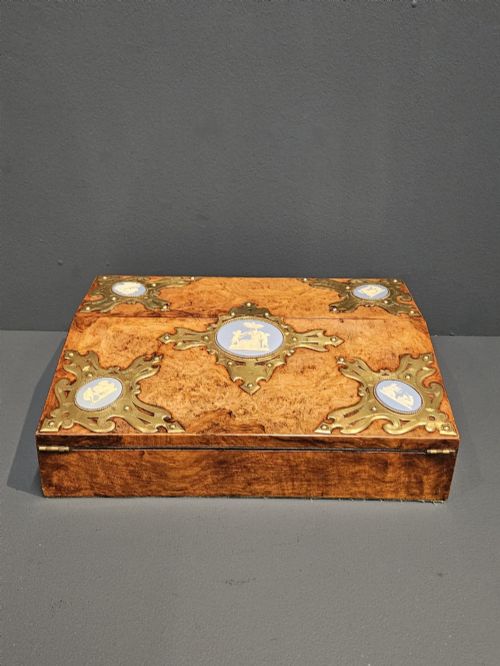
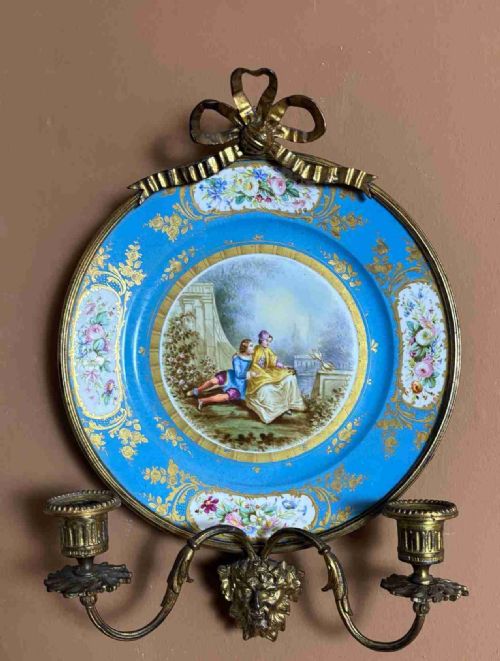
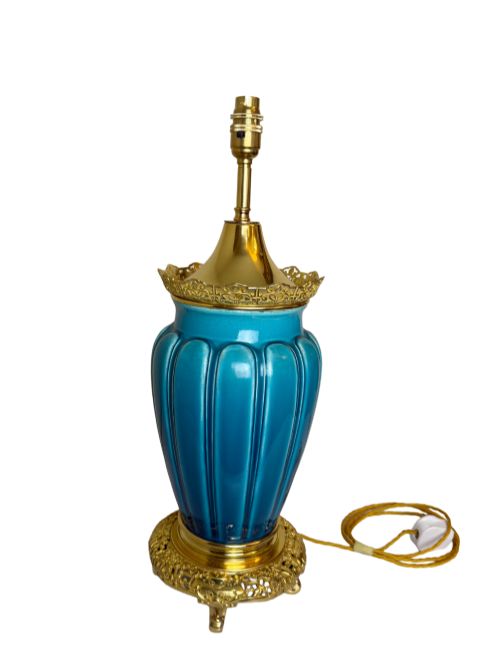
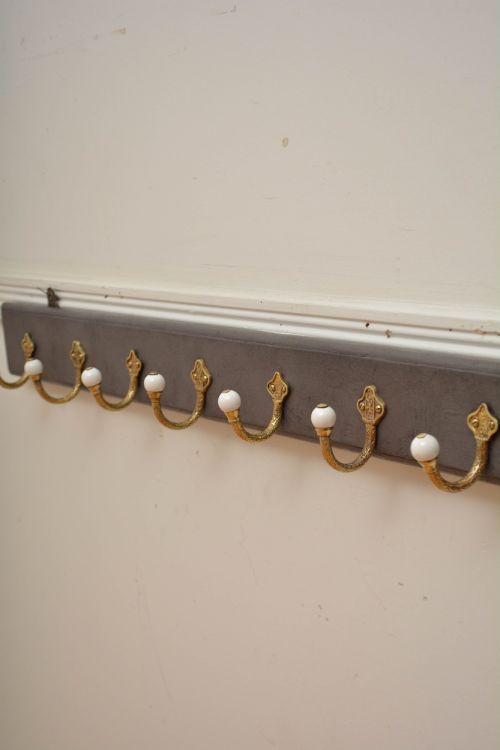
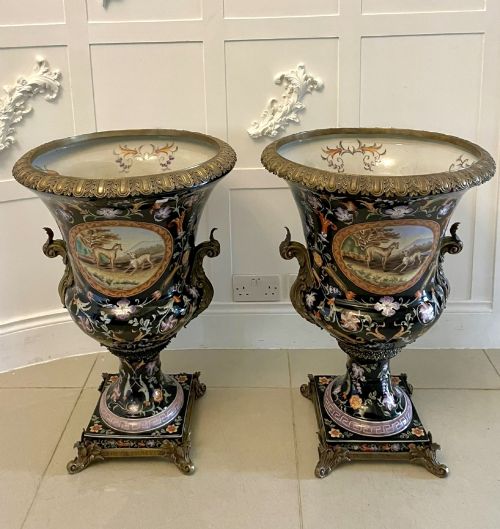
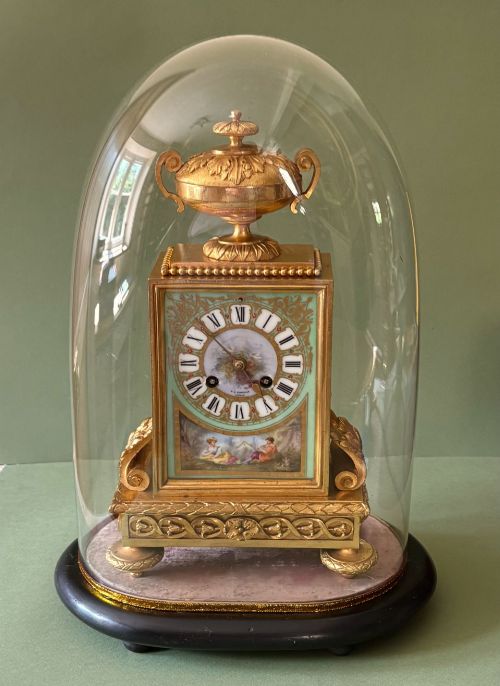
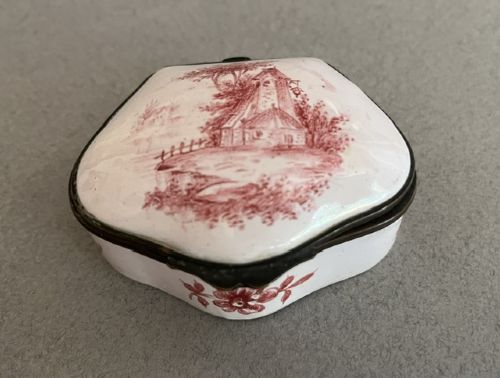
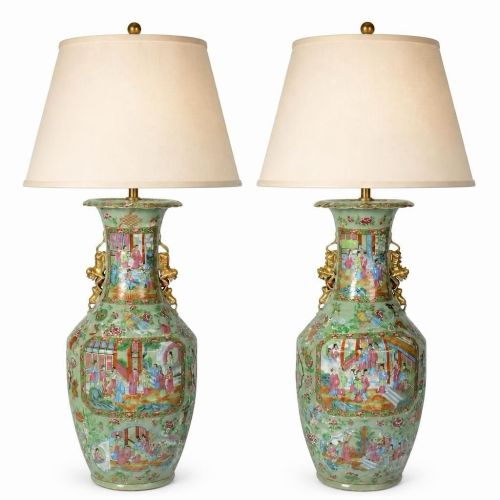
The selections on this page appear in various domestic forms, such as mantel clocks, table lamps, jardiniere urns, and trinket boxes. Many items integrate hand-painted plaques or glazes including turquoise blue, celadon, and Famille Verte.
Vessels and timepieces often incorporate gilt bronze or ormolu alongside standard brass fittings. The combination bridges utility and display, uniting European cabinetry with imported ceramic elements.
Materials and construction
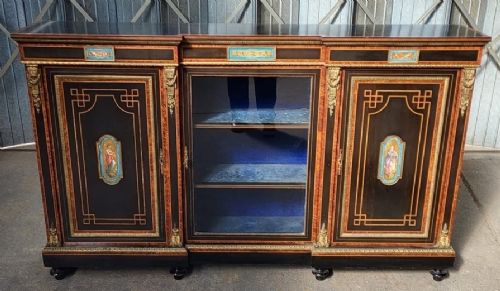
Makers shaped these pieces using porcelain bodies, wood carcasses such as walnut, kingwood, and ebonised timber, and cast metal fittings. Ceramic elements range from glazed vases and plaques to sculpted animal figures.
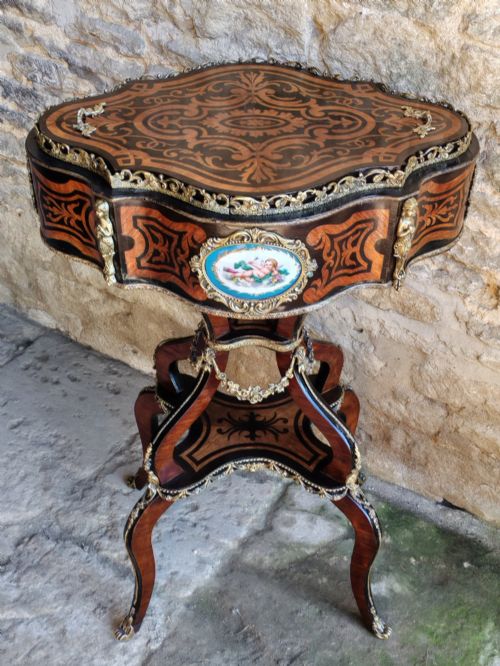
Mounts of brass and ormolu secure the ceramic components, often fastened through drilled bases or held by cast metal claws and bezels. Marquetry, inlay, and gilt bronze trim complete the assemblage.
Brass Mounted Porcelain Retail Price Guide 2026
Typical asking prices for brass mounted porcelain among the pieces listed under this phrase on Sellingantiques today, from the lower quarter to the upper quarter. They describe what is for sale here now, not the wider market.
Listings feature nineteenth-century pieces from Victorian, Edwardian, and Napoleon III periods, utilising porcelain, brass, ormolu, and glass.
Markers of quality
Quality rests in the precision of the metal casting and the harmony between the mount and the ceramic body. Superior pieces display crisp chasing on the ormolu and exact fitting where metal meets porcelain.
The depth of the glaze and the skill of any painted decoration dictate the grade of the ceramic component. Solid timber frames and precise marquetry distinguish better furniture pieces carrying these mounts.
The Brass Mounted Porcelain Glossary
- Ormolu
- Gilded bronze used for decorative mounts on furniture, clocks, and porcelain. The technique involves applying a mercury and gold amalgam to bronze before heating.
- Jardiniere
- An ornamental pot or stand for holding plants or flowers. These vessels often feature ceramic bodies with metal rims and handles.
- Credenza
- A sideboard or cabinet, frequently fitted with doors and decorated with porcelain plaques and metal mounts. Victorian examples often utilise ebonised wood.
- Celadon
- A pale green jade-like glaze common on Chinese and European porcelain. The colour derives from iron oxide fired in a reduction kiln.
- Bureau Plat
- A kneehole writing desk without a superstructure, commonly finished with wood veneers and metal mounts. These tables sometimes incorporate porcelain panels.
Brass Mounted Porcelain: Frequently Asked Questions
What is brass mounted porcelain?
Brass mounted porcelain describes ceramic items, such as vases, clocks, and boxes, fitted with metal mounts of brass or ormolu. These mounts serve both to secure structural joints and to decorate the object.
Such pieces gained widespread popularity during the nineteenth century across European and Chinese export workshops, combining ceramic production with metalworking skills.
How do I date these pieces?
Dating relies on stylistic clues, mounting techniques, and the characteristics of the ceramic body. Victorian and Napoleon III items often display revivalist motifs like French Rococo scrolls.
Wood types, cabinet construction methods, and maker marks on the clock movements or porcelain bases also help establish the decade of manufacture.
Were these items used daily?
Many objects, including trinket boxes, mantel clocks, and writing desks, served practical functions in nineteenth-century interiors. Others, such as large jardiniere urns and decorative vases, functioned purely as display pieces.
Lamps and candelabra provided illumination while showcasing imported ceramic bodies and cast metal mounts in domestic reception rooms.
How do I clean brass mounts?
Cleaning requires dry or slightly damp cloths to remove dust from both the metal and the porcelain surface. Abrasive polishes should be avoided, particularly near gilt or ormolu areas where the gold layer is thin.
Care must be taken around painted porcelain glazes and antique wood veneers to prevent moisture damage during maintenance.