



Brass Metal Lantern
A brass metal lantern brings warmth and definition to a hallway or entrance, combining solid metal frames with clear or coloured glass panels.
Brass Metal Lantern
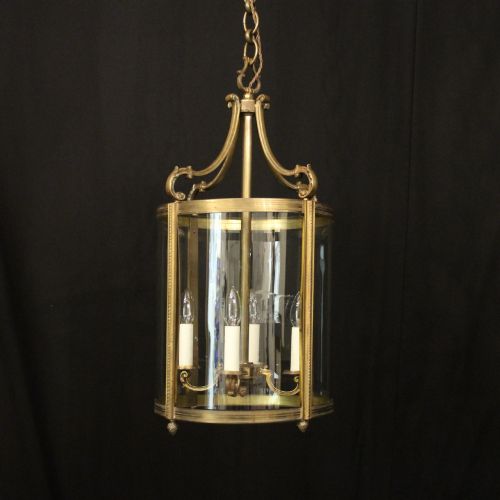
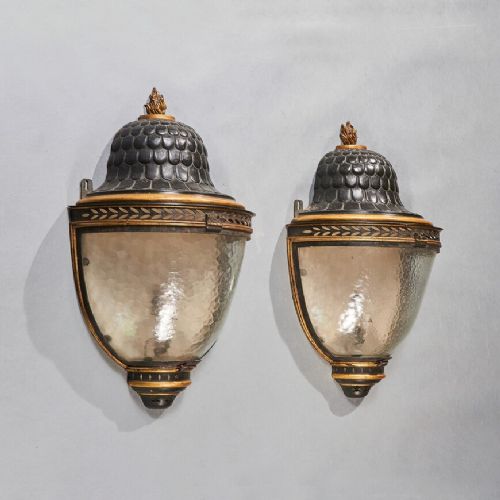
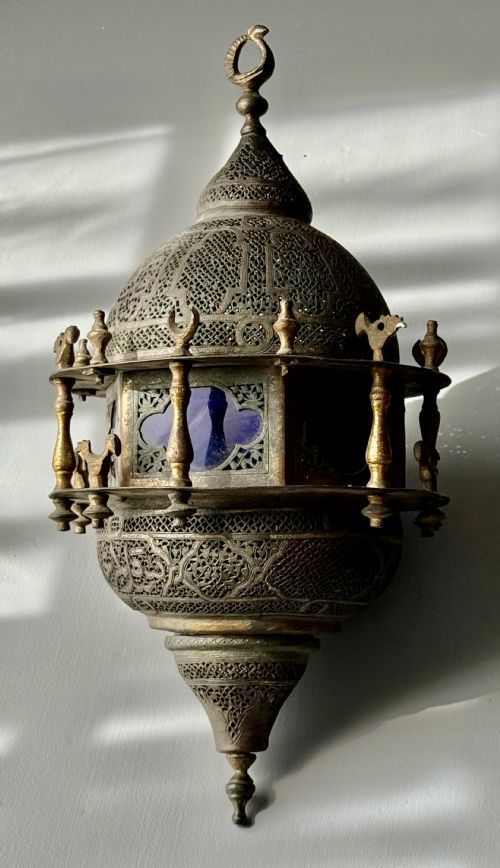
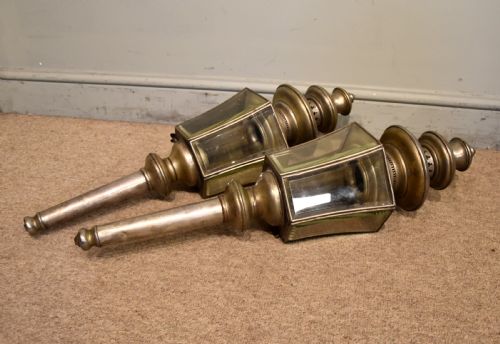
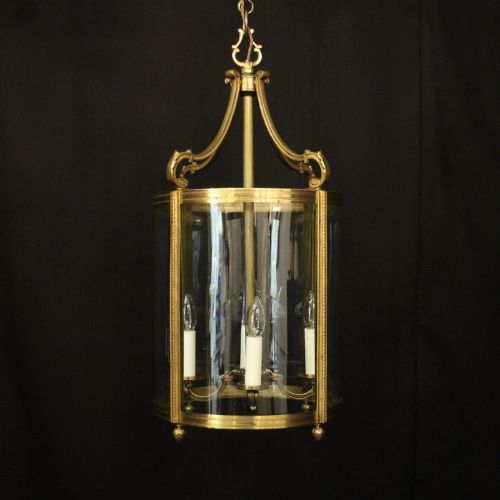
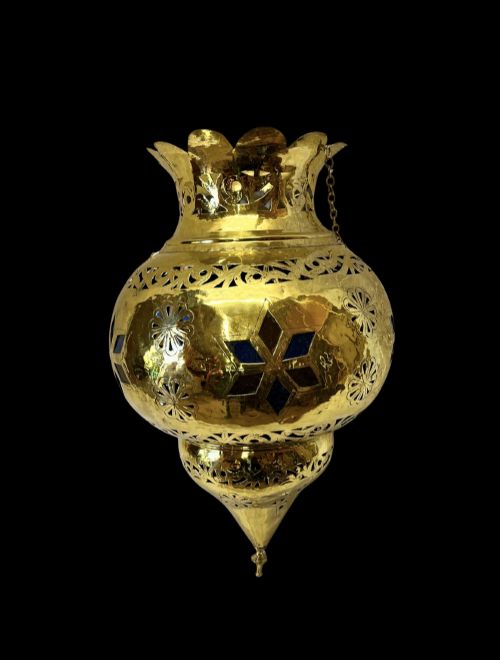
A brass metal lantern encompasses hanging hall fixtures, wall-mounted carriage lamps, and ceiling lights originating from the nineteenth and early twentieth centuries. When searching for a brass metal lantern, a buyer encounters domestic British railway and signal lighting alongside continental French and North African interpretations.
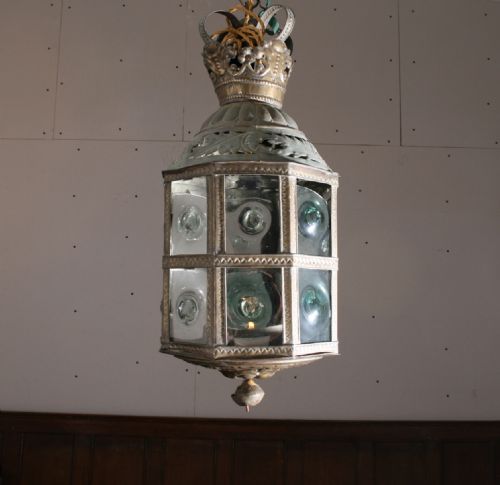
The selection ranges from simple hexagonal frames to large gilded bronze hall fixtures influenced by neoclassical design. Victorian and Edwardian examples sit alongside pieces from the nineteen-twenties and thirties, spanning domestic utility and formal interior decoration.
Materials and Construction
Construction relies on cast and sheet brass, steel, and bronze, often finished with gilding or ormolu mounts. Frames are built to house internal light sources, whether configured for early oil burning or later electrical wiring.
Glazing methods define the character of each piece, utilising bevelled glass, hand-blown bullseye panes, or pierced metalwork to diffuse light. Copper and tole peinte elements frequently appear alongside primary brass structures to provide structural contrast.
Several railway lamps in the collection kept signalmen warm and trains running on time long before electricity reached the tracks.
Evaluating the Pieces
Quality rests upon the crispness of metal casting and the integrity of the joins within the frame. Heavier gauge brass and thick bronze retain their structural rigidity over decades of service better than lighter pressed alternatives.
The grade of glass used in the panels dictates overall refinement, with bevelled edges and hand-blown distortions marking out finer workshop production. Original surface gilding and patination separate standard utilitarian pieces from decorative examples made for formal interiors.
The Brass Metal Lantern Glossary
- Ormolu
- Gilded bronze or brass applied to decorative metalwork. This finish gives a bright, golden appearance to the surface of the frame.
- Bulls-eye glass
- A thick circular glass pane with a central protrusion formed during hand-blowing. It creates distinct optical distortions when light passes through.
- Bevelled glass
- Glass panes featuring an angled edge ground down to a thinner perimeter. This technique catches light at various angles.
- Tole peinte
- Painted sheet metal used in decorative light fittings. It brings colour and pattern to the exterior surfaces.
- Pierced brass
- Metal sheeting punched with decorative patterns to allow light to escape laterally. It produces intricate shadow patterns on surrounding walls.
Brass Metal Lantern: Frequently Asked Questions
How do I clean a brass lantern?
Dust the metal surfaces regularly with a soft dry cloth to prevent grime accumulation. Avoid harsh chemical polishes that strip away historical patination.
Check glass panels periodically and remove them if necessary for washing in warm soapy water. Ensure all electrical components remain completely dry during any cleaning process.
Can these lanterns be rewired safely?
Most antique lighting requires professional rewiring to meet modern safety standards before domestic installation. A qualified electrician can adapt old fittings for contemporary bulb bases.
Original lamp holders and wiring should be treated with caution due to degraded insulation. Retain original components where possible to preserve the historical integrity of the fixture.
Where should I hang a hall lantern?
Entrances and high-ceilinged corridors provide the ideal hanging space for substantial hanging fixtures. Ensure adequate clearance beneath the lowest point of the frame for pedestrian traffic.
Consider the weight of bronze and steel frames when selecting ceiling fixings. Proper structural support in the ceiling joists is essential for secure installation.
How do I date an antique lantern?
Examine the construction methods, screw types, and mounting brackets for clues regarding manufacture date. Hand-cut threads and cast components usually point towards nineteenth-century origins.
Compare decorative motifs, such as Gothic revival tracery or Art Nouveau curves, with documented design periods. Style markers often provide a reliable decade or era for the piece.