

Brass Leg Table
A brass leg table brings tactile warmth and structural elegance to a room, uniting rich timber surfaces with bright metal supports.
Brass Leg Table
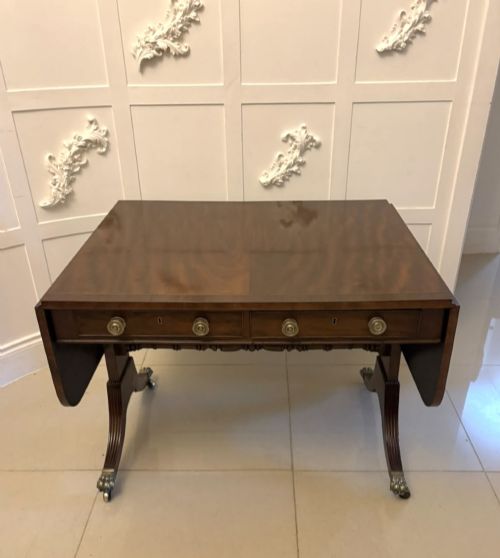
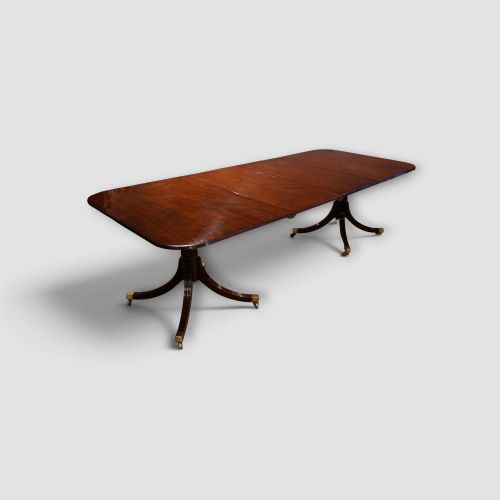
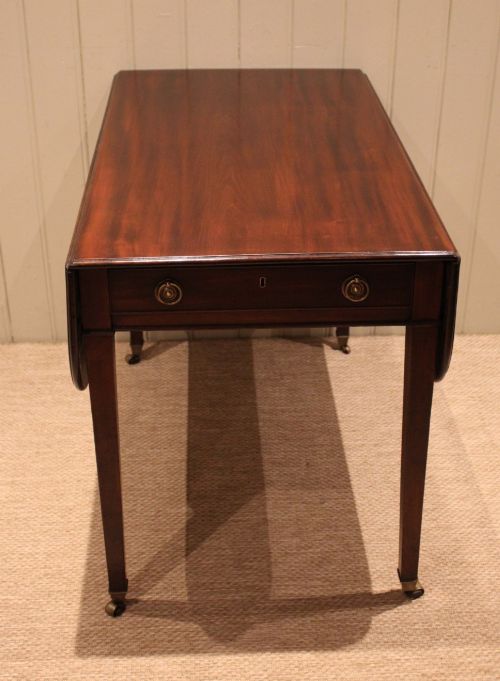
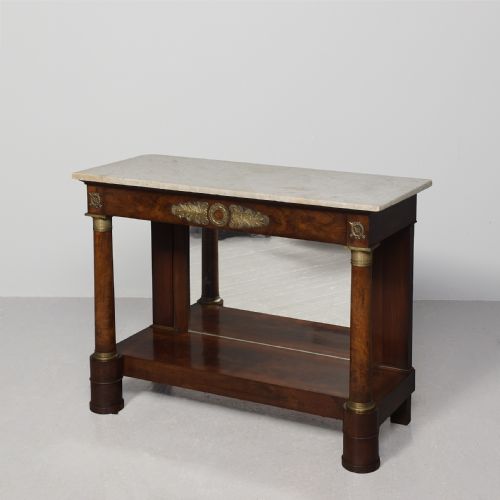
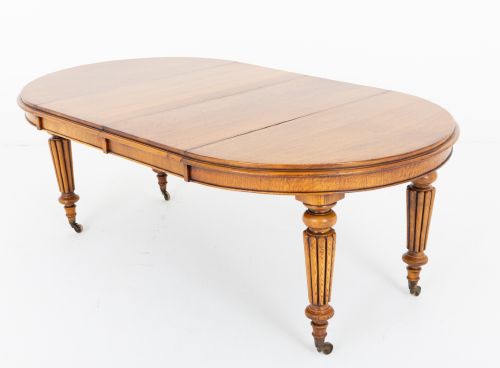
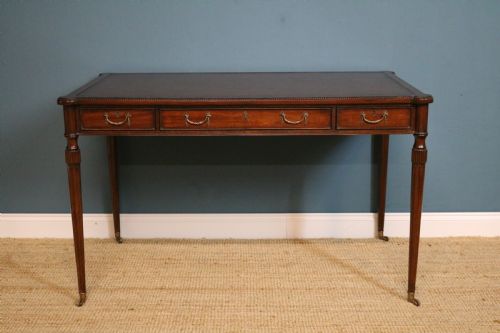
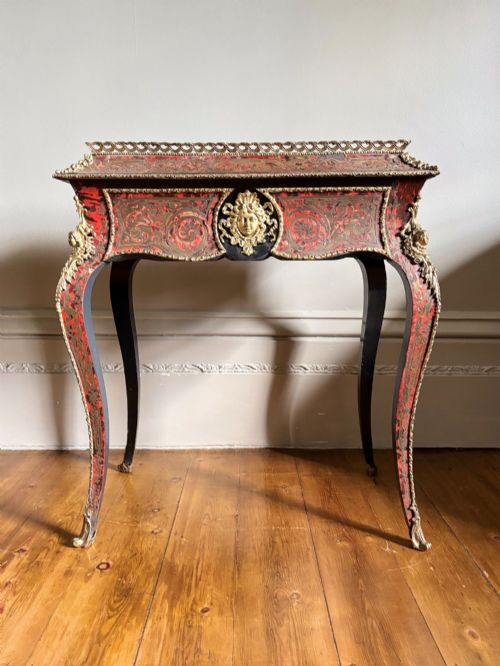
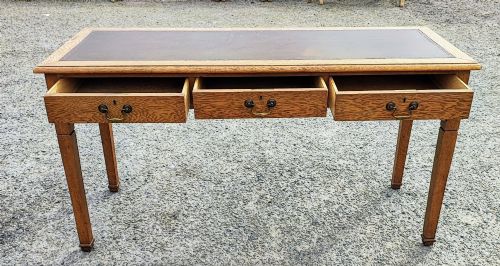
A brass leg table encompasses various practical forms found within domestic interiors, ranging from expansive dining surfaces to compact writing desks and occasional tables. These pieces combine timber frames with metal supports, fulfilling both utilitarian and decorative roles in traditional spaces.
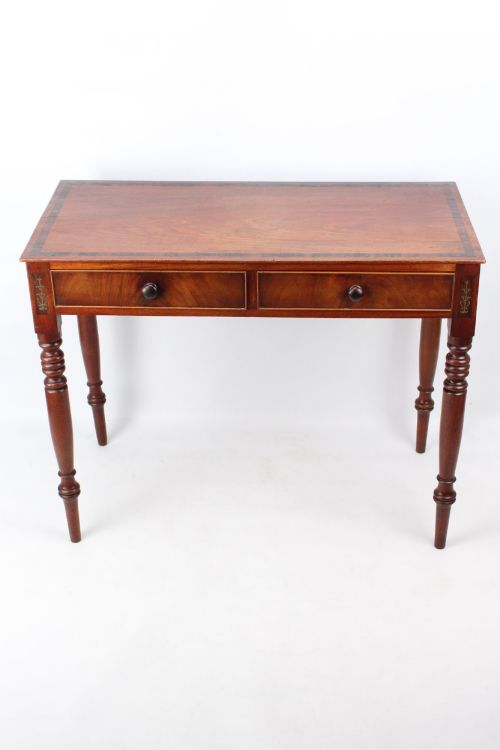
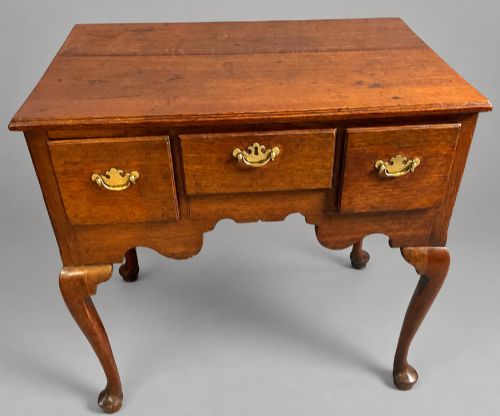
The selections recorded on this page lean heavily towards dining tables, side tables, and desks originating from the Georgian, Regency, and Victorian periods. Buyers frequently encounter mahogany and other hardwoods paired with metallic accents or structural mounts from these historical eras.
Beyond formal dining and work furniture, the category extends to specialised display tables and smaller occasional items designed for drawing rooms and boudoirs. Each piece demonstrates how makers incorporated metallic elements to elevate domestic furnishings.
Materials and construction
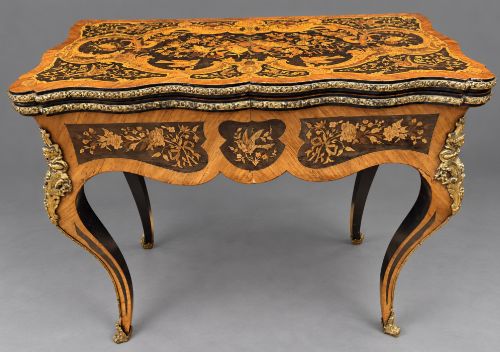
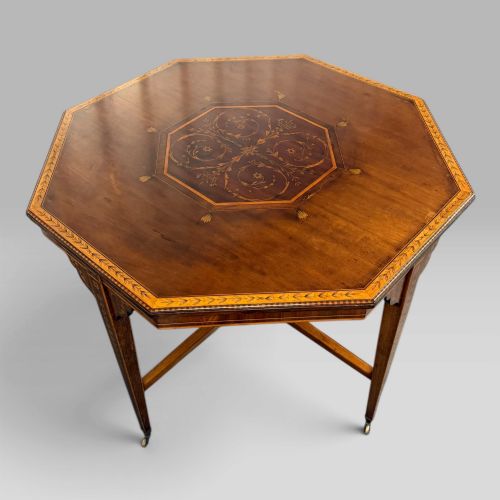
Makers relied primarily on dense hardwoods such as mahogany, oak, and walnut for the primary body of the table, often enhancing visual depth with veneers of rosewood, kingwood, or satinwood crossbanding. These timbers provided a stable foundation capable of supporting heavy loads and intricate parquetry.
Cast and chased brass, alongside ormolu and gilt bronze, formed the structural legs, feet, inlay work, and mounts that define the aesthetic of these pieces. Metal components were meticulously fitted into timber recesses or attached as protective sabots and pillar bases.
Brass Leg Table Retail Price Guide 2026
Typical asking prices for brass leg table among the pieces listed under this phrase on Sellingantiques today, from the lower quarter to the upper quarter. They describe what is for sale here now, not the wider market.
Listings feature brass alongside mahogany, oak, walnut, ormolu, kingwood, rosewood, and glass across Georgian, Regency, Victorian, and Edwardian periods.
Distinguishing quality
The calibre of a table rests upon the precision of its timber selection, where highly figured mahogany or intricate marquetry patterns demonstrate superior craftsmanship. Grain alignment and the seamless integration of secondary woods reveal the maker's dedication.
The standard of metalwork dictates the upper tier of pieces, showing crisp casting, careful chasing, and secure attachment of brass elements rather than simplistic stamping. Superior finish on both the wood surface and the metal mounts separates master workshops from standard production.
The Brass Leg Table Glossary
- Ormolu
- A gilded bronze application used for decorative mounts and feet on furniture, prized for its bright metallic lustre. It was frequently cast and then chased by hand to sharpen the fine details.
- Crossbanding
- A decorative border of veneer laid around the perimeter of a tabletop with the wood grain running perpendicular to the centre panel. This technique frames the primary timber and adds visual contrast.
- Parquetry
- Geometric wood inlay patterns resembling mosaic work, utilised on tabletops and cabinet fronts. Artisans cut small pieces of contrasting timbers to form intricate repeating shapes.
- Sabot
- A protective or decorative metal sleeve fitted to the foot of a table leg. It shields the timber base from impact and moisture.
- Satinwood
- A luminous, yellowish timber sourced from tropical trees, deployed for contrasting stringing and banding on dark mahogany furniture. Its natural sheen catches the light effectively.
Brass Leg Table: Frequently Asked Questions
How do I date a mahogany table?
Dating relies upon examining construction methods, timber choice, and the style of the legs and pedestals. Earlier Georgian and Regency examples often display hand-cut joinery and native mahogany varieties.
Later revival pieces from the Edwardian era adopt machine-sawn components and different finishing techniques. Comparing hardware and secondary woods helps clarify the period of manufacture.
Can I use a antique table for dining daily?
Most antique dining tables are robust enough for regular family meals, provided they receive sensible care and protection from excessive moisture and heat. Using heat mats and tablecloths prevents surface staining and ring marks on polished timber.
Checking the stability of pedestals and leg joints ensures the structure handles daily movement safely. Regular waxing maintains the moisture barrier of the wood.
What is the difference between a centre table and a side table?
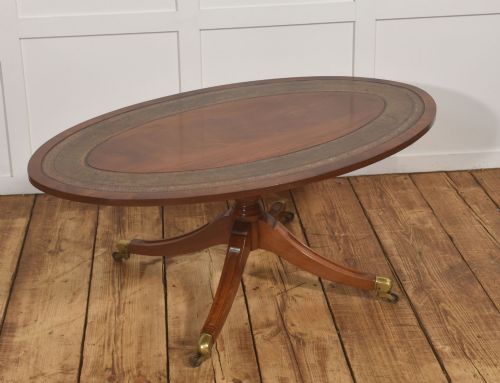
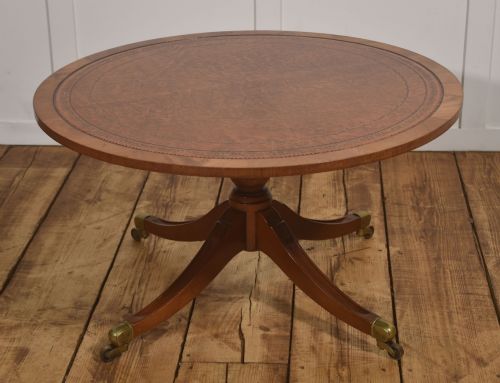
A centre table is finished on all sides and designed to stand free in the middle of a room, accessible from every angle. These often feature circular or oval tops supported by a central pillar or multiple legs.
Side tables sit flush against a wall and typically feature a finished front with a plain or unadorned back. Their dimensions suit placement in hallways or against living room boundaries.
How do I clean brass mounts on furniture?
Cleaning requires a soft, dry cloth to remove dust and airborne grime from the metal surface without disturbing the surrounding timber. Harsh chemical polishes should be avoided entirely to prevent staining the wood veneer.
If deeper cleaning is necessary, a mild soap solution applied sparingly on a cotton bud protects the timber from liquid contact. Professional conservation is recommended for heavily tarnished ormolu.