

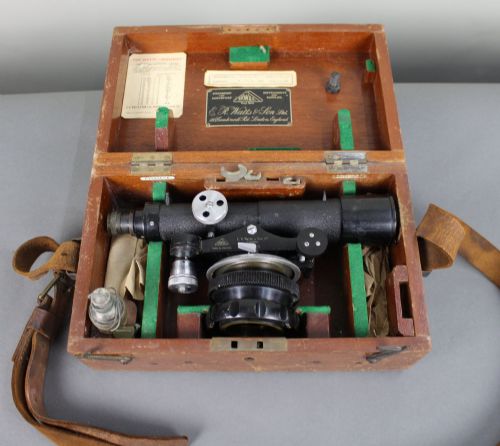
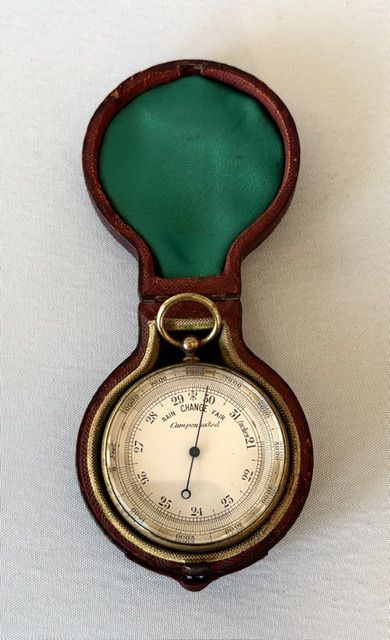
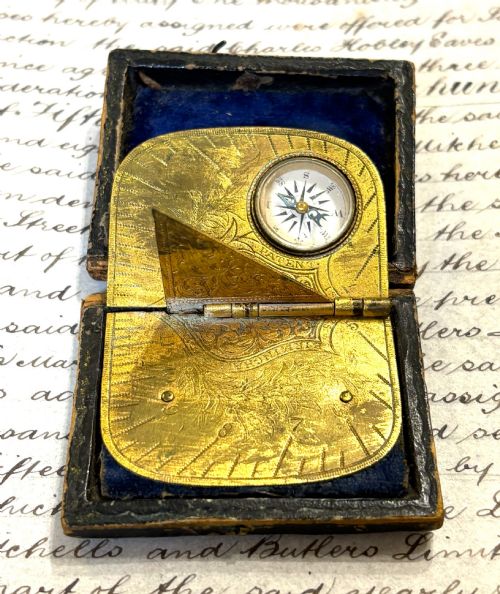
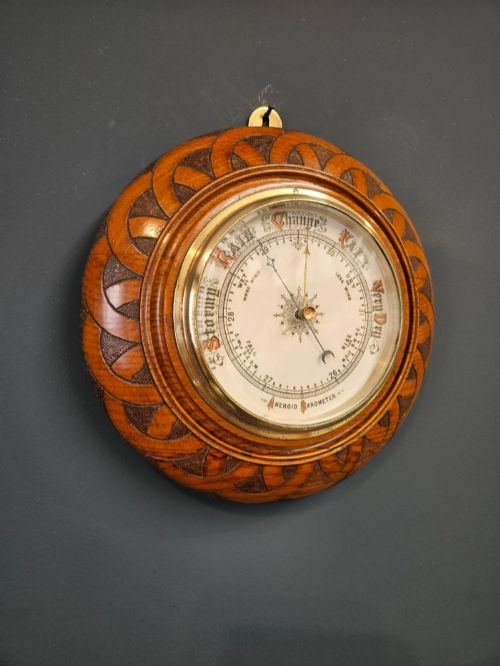

Brass Instrument with Case
A brass instrument with case is a precision scientific or maritime device housed in a protective fitted enclosure, prized for both mechanical ingenuity and period craftsmanship.
Brass Instrument with Case
When you search for a brass instrument with case, you encounter a specialised selection of scientific, meteorological, and navigational apparatuses enclosed in timber or metal housings. These objects range from pocket barometers and surveying instruments to large table barographs and military telescopes.
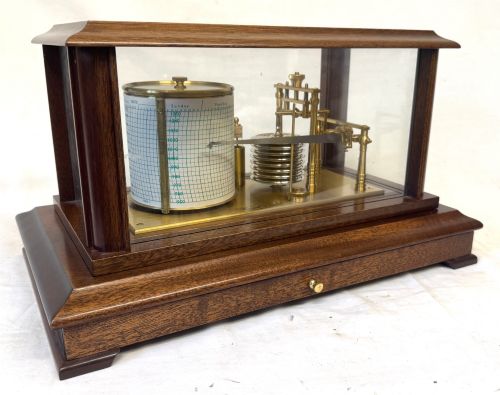
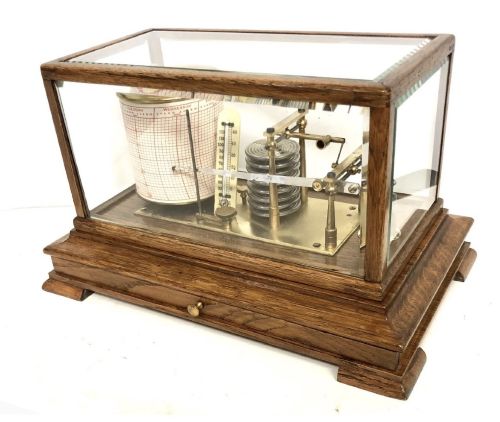
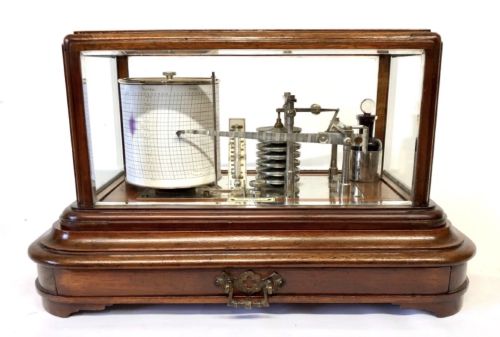
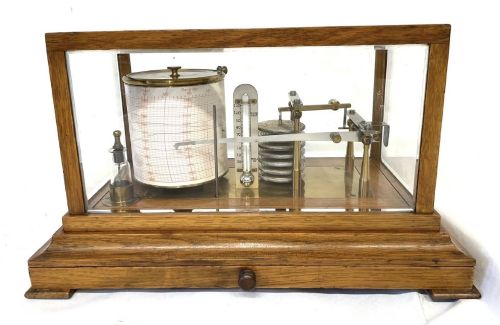
The version you are most likely to meet on this page is the cased barograph, predominantly housed in oak or mahogany with bevelled glass panels. Dating from the Victorian, Edwardian, and early twentieth-century periods, these recording barometers often incorporate integral chart drawers and subsidiary thermometers.
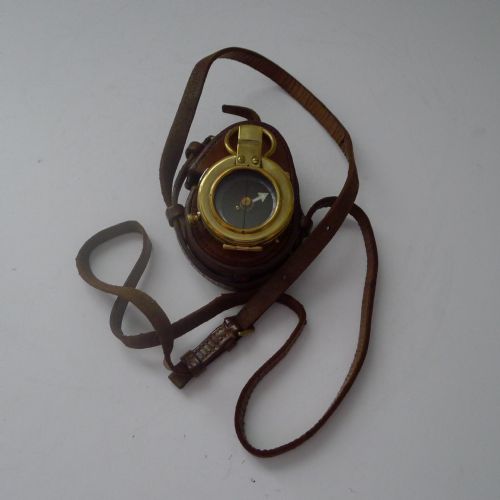
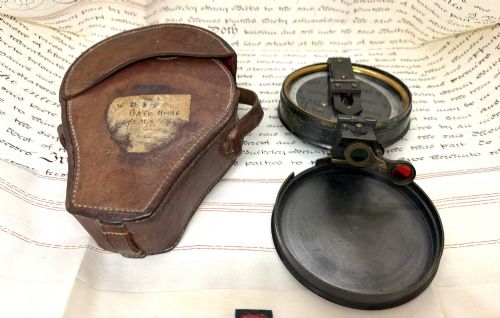
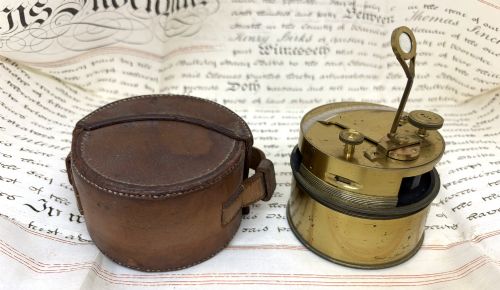
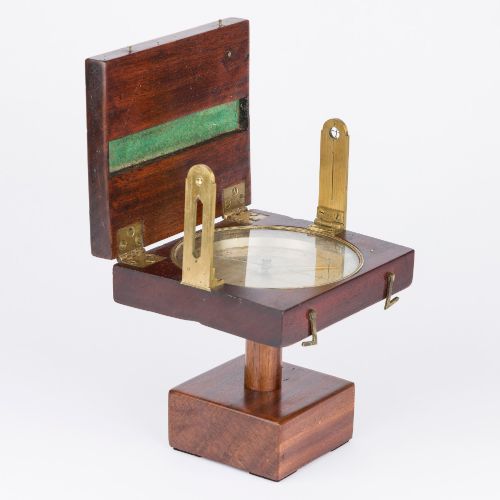
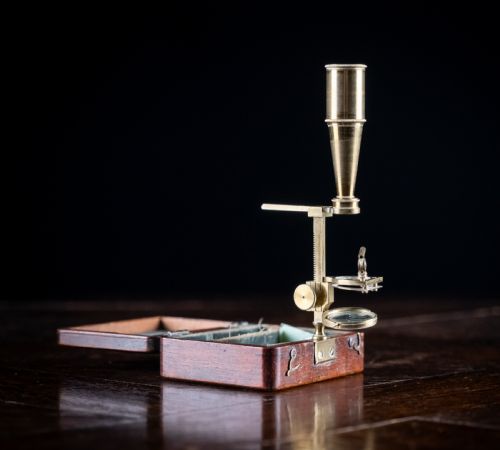
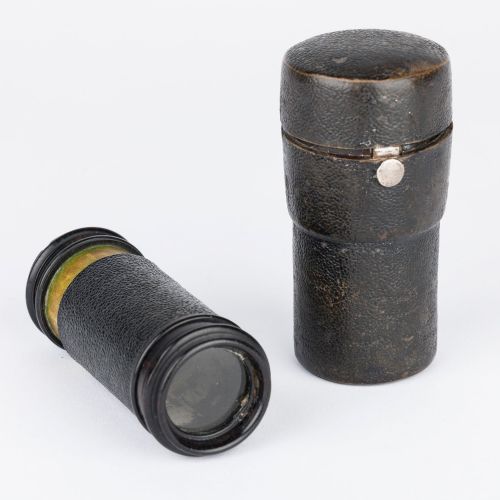
Beyond barographs, the selection encompasses maritime and optical devices, including compasses, microscopes, and telescopes. Originating from workshops across Britain and international trading posts, these pieces reflect the utilitarian and decorative requirements of nineteenth and twentieth-century science.
Materials and construction
The construction of these pieces relies heavily on heavy-gauge brass for the internal movements, dials, and structural fittings, paired with seasoned timbers such as oak and mahogany for the protective cases. Bevelled glass panels are frequently utilised in housing frames to permit a clear view of the working mechanisms while shielding them from dust.
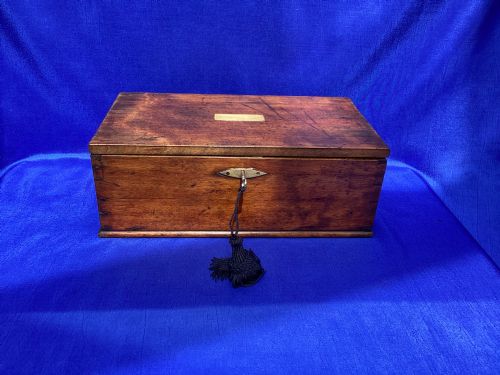
Cabinetmakers constructed the fitted boxes with dovetailed joints and secured them with brass hinges, carrying handles, and lockable latches. Paper paperwork, charts, and silvered metal dials provide the functional interface for recording atmospheric pressure or taking navigational readings.
Brass Instrument with Case Retail Price Guide 2026
Typical asking prices for brass instrument with case among the pieces listed under this phrase on Sellingantiques today, from the lower quarter to the upper quarter. They describe what is for sale here now, not the wider market.
Listings feature scientific instruments primarily from the Victorian and Edwardian periods, constructed in brass, oak, and mahogany.
Quality variations
The distinction between standard and superior pieces rests on the precision of the mechanical movement and the quality of the timber cabinetry. Master makers and renowned retailers incorporated fine details such as Art Nouveau inlay, multi-panel bevelled glass in five-glass cases, and robust clockwork movements.
Provenance and originality further elevate a piece, particularly when original trade papers, maker signatures on silvered dials, and matching chart drawers remain intact. The integration of auxiliary instruments, such as an attached thermometer or barometer dial, marks the upper tier of meteorological apparatus.
Short and Mason·Negretti and Zambra·Casella London·John Newman·Jules Richard
The Brass Instrument with Case Glossary
- Barograph
- A self-recording meteorological instrument that plots barometric pressure over time onto a rotating drum using a pen arm driven by aneroid vacuum chambers.
- Aneroid barometer
- A device for measuring atmospheric pressure without liquid, using expanding and contracting metal capsules connected to an indicator needle.
- Bevelled glass
- Glass panes featuring an angled, polished edge, commonly set into the protective wooden frames of scientific instrument cases.
- Inclinometer
- An instrument used for measuring angles of slope, tilt, or elevation with respect to gravity, often paired with pocket compasses.
- Compensated barometer
- A pocket or surveying barometer fitted with a mechanism to adjust for temperature variations affecting the metal parts.
Brass Instrument with Case: Frequently Asked Questions
What is a barograph used for?
A barograph records continuous atmospheric pressure changes onto paper charts mounted on a clockwork-driven drum. This continuous trace allowed observers to monitor weather trends over the course of a week.
In domestic and maritime settings, the device provided reliable short-term forecasting by showing whether pressure was rising or falling.
How do I date a cased instrument?
Dating relies on stylistic clues in the woodwork, maker signatures, and mechanical layout. Edwardian and Victorian pieces often exhibit distinct timber finishes and hardware styles.
Makers frequently included paper trade labels or stamped their names directly onto the brass beds, providing a reliable chronological marker.
Are these instruments still working?
Many instruments retain their mechanical integrity and can operate when fitted with appropriate replacement paper charts. Clockwork drums and aneroid stacks often survive in functional condition.
Professional calibration may be required if accurate atmospheric readings are desired from historical meteorological apparatus.
What wood types are used for cases?
Oak and mahogany are the predominant timbers utilised for housing these scientific instruments. Light oak and rich dark mahogany reflect the prevalent furniture styles of the nineteenth and early twentieth centuries.
Cases frequently feature dovetailed corners, brass carrying handles, and integrated drawers specifically sized for spare recording charts.