
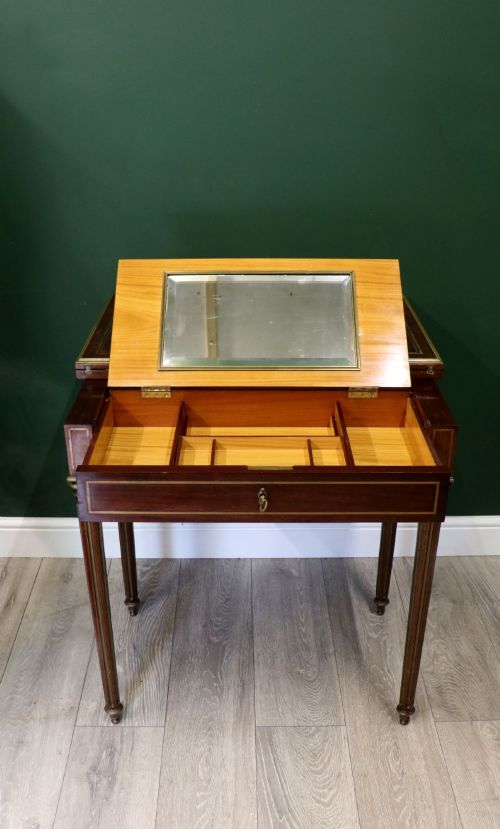
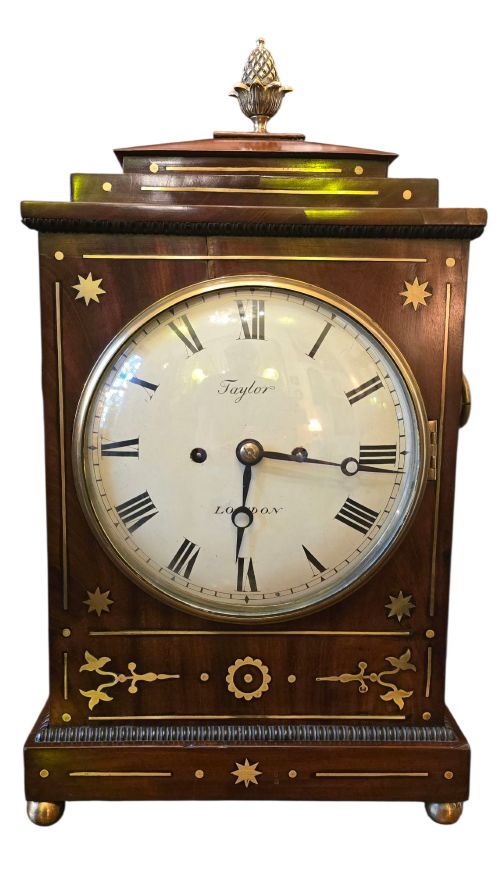
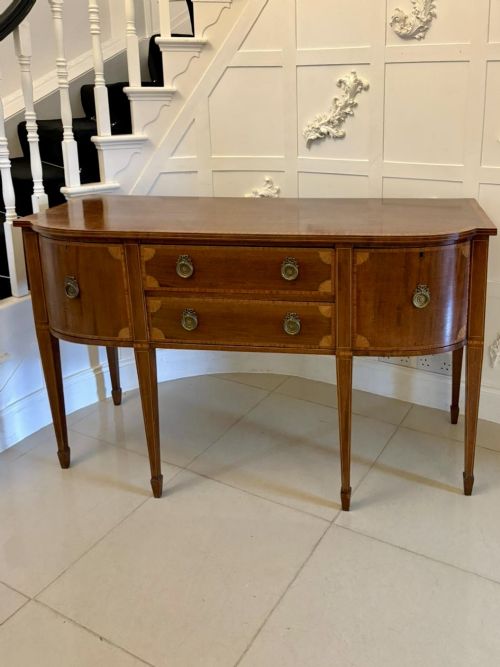
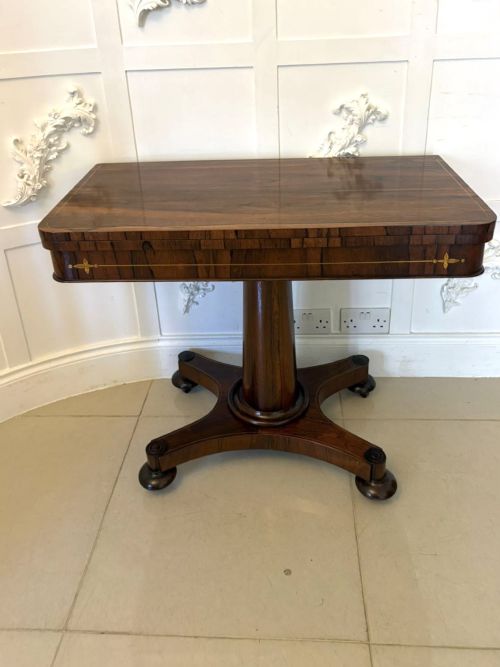

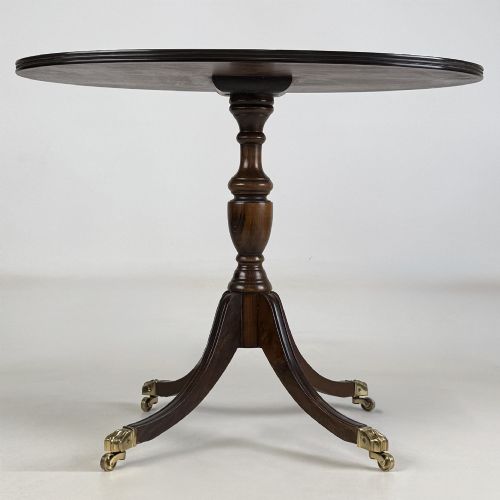
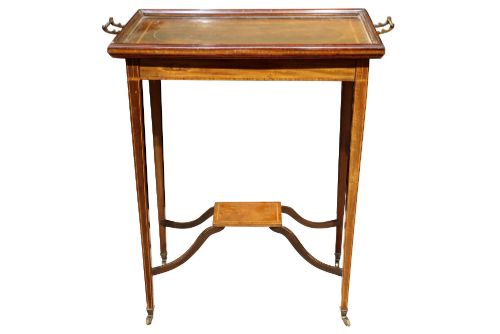
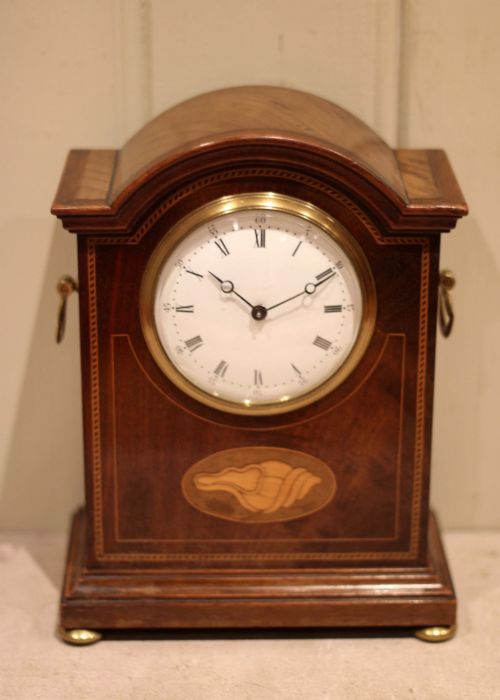
Brass Inlaid Wood Table
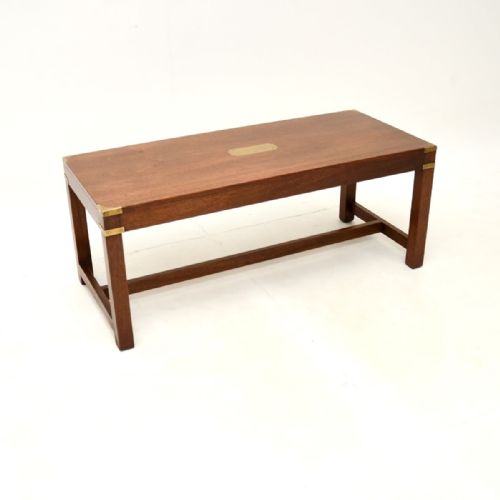
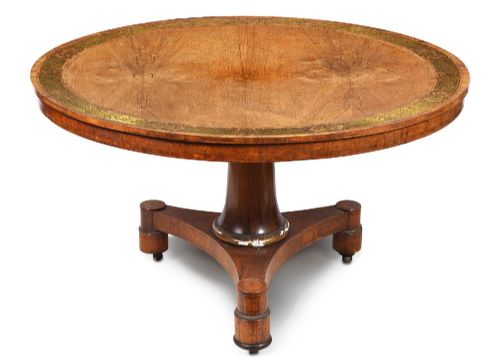
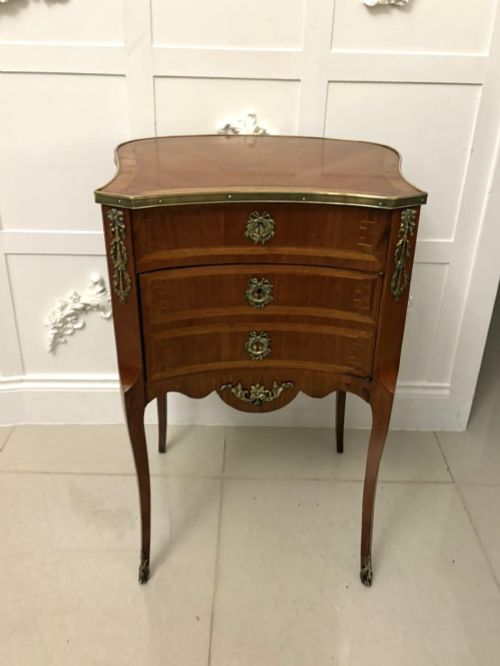
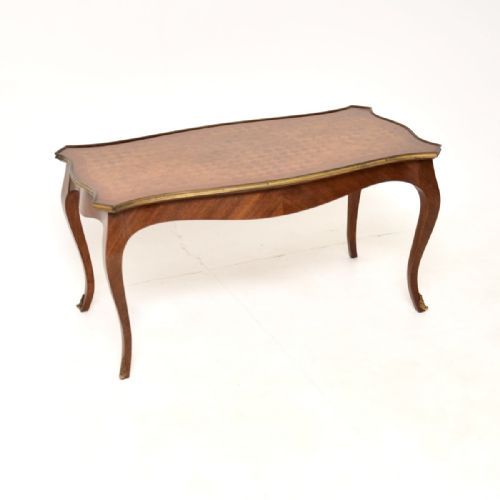
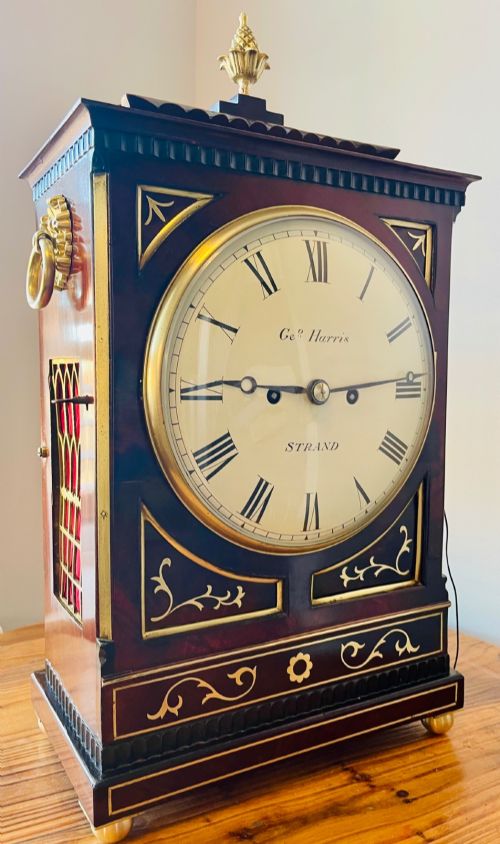
A brass inlaid wood table combines dense tropical timbers with bright metal lines to create functional surfaces designed to catch candlelight.
Brass Inlaid Wood Table
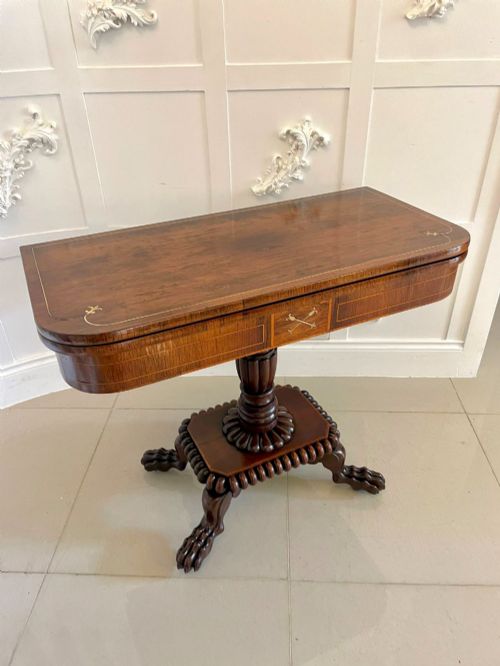
A brass inlaid wood table represents a category of antique furniture spanning the Georgian, Regency, and Victorian eras, alongside later revival pieces. Buyers exploring this phrase encounter diverse forms, with card tables, sofa tables, and occasional tables appearing most frequently.
The Regency period dominates the surviving selections, often utilising dark rosewood grounds contrasted with precise brass stringing. Makers also adapted these techniques in Anglo-Indian and Hoshiarpur workshops, introducing intricate botanical motifs executed in dense hardwoods.
How They Were Made
Cabinet makers channelled seasoned timbers such as rosewood, mahogany, and satinwood to recess thin strips of sheet brass into precision-cut grooves. Animal hide glue secured the metal ribbons before craftsmen scraped and polished the surrounding wood flush.
Makers occasionally combined brass inlay with boxwood stringing, ormolu mounts, or ivory details to heighten the contrast against dark grain patterns. Structural carcases relied on traditional joinery, supporting veneered top boards designed to withstand seasonal wood movement.
Periods represented span from George III and Regency eras through Victorian, Edwardian, and 1930s revivals.
What Varies In Quality
The refinement of the metalwork separates ordinary production from exceptional workshop output. Superior examples display unbroken brass lines with tight mitred corners, whereas lesser work reveals visible gaps filled with dark stopping.
Timber selection and secondary wood choice dictate baseline structural integrity. Workshops employing solid rosewood framing and figured veneers outlast those relying on hasty construction methods.
George Bullock·Gillow Lancaster·Collinson and Lock
The Brass Inlaid Wood Table Glossary
- Brass stringing
- Thin filaments of brass embedded into wood surfaces to outline geometric panels or borders. This technique requires steady hand-cutting and precise hammer-setting.
- Crossbanding
- A border veneer applied around the perimeter of a table top with the wood grain running perpendicular to the centre panel. It creates a framed optical border.
- Ormolu
- Gilded bronze cast into decorative mounts and feet used extensively on French and English tables. The metal adds sculptural weight to the corners and aprons.
- Sofa table
- A rectangular occasional table fitted with drop leaves and twin pedestals designed to sit directly in front of a sofa. They often incorporate small drawers for writing materials.
Brass Inlaid Wood Table: Frequently Asked Questions
How do I care for a brass inlaid wood table?
Maintain stable room humidity to prevent the timber from shrinking and loosening the metal inlays. Apply microcrystalline wax sparingly to protect the wood finish without tarnishing the brass lines.
Avoid placing these tables near direct heat sources or strong sunlight. Dust regularly with a soft cloth and polish the metal surfaces only when necessary.
Were these tables used for dining?
Specific forms like card tables and Pembroke tables served multi-purpose domestic functions rather than heavy dining. Card tables folded open to accommodate evening gaming, while sofa tables sat near seating areas.
Larger centre tables handled tea service and display rather than family meals. Owners deployed them primarily in drawing rooms and parlours for entertaining guests.
How can I tell Regency pieces from later revivals?
Regency examples typically feature dense Brazilian rosewood timbers and hand-cut brass stringing with slight irregularities. The secondary framing timbers beneath the surface consist of solid mahogany or oak.
Edwardian and later revival items often utilise machine-cut veneers and standardised hardware components. Examining the underside and secondary woods reveals the manufacturing methods of the period.
What is Anglo-Indian brass inlay?
Anglo-Indian brass inlay involves intricate floral and geometric patterns tapped into dense regional timbers like teak or padauk. Workshops in regions such as Hoshiarpur produced these distinctive occasional and side tables for export.
The metalwork often covers large surface areas in dense scrollwork rather than simple geometric framing lines. These pieces reflect a distinct cross-cultural design exchange during the nineteenth century.