

Brass Hearth Scuttle
A brass hearth scuttle brings practical fuel storage and warm metallic texture to the fireplace.
Brass Hearth Scuttle
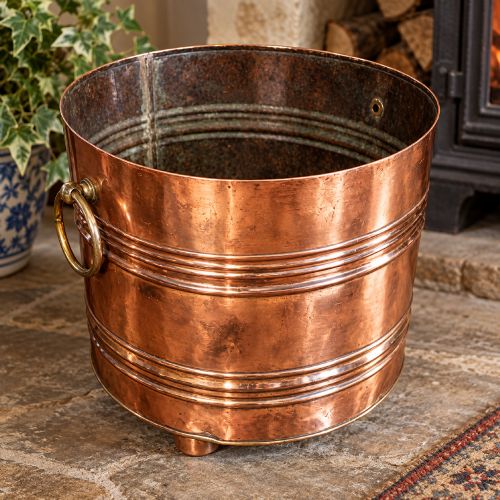
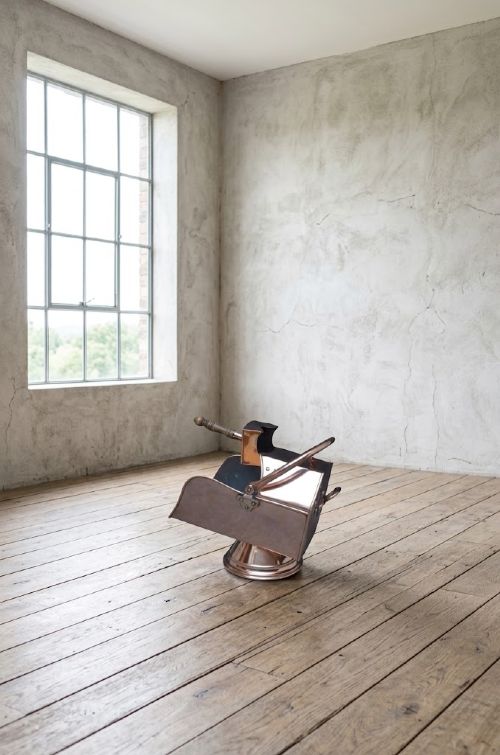
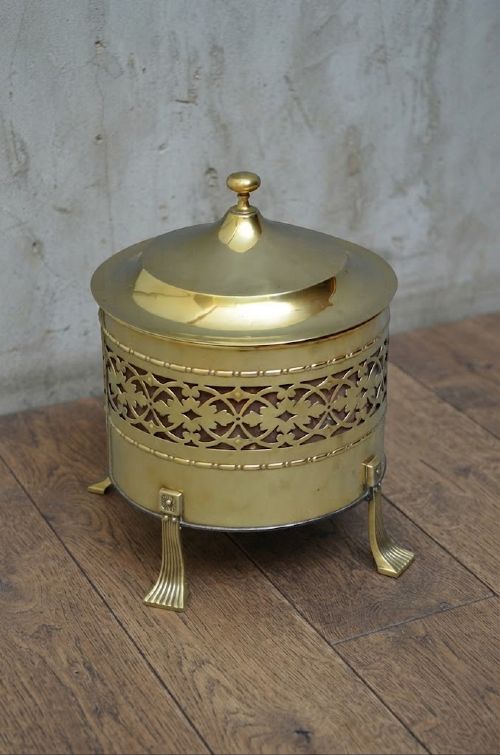
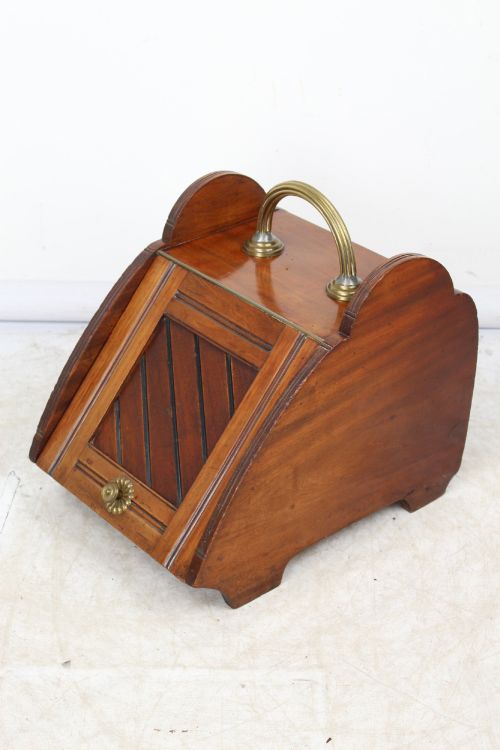
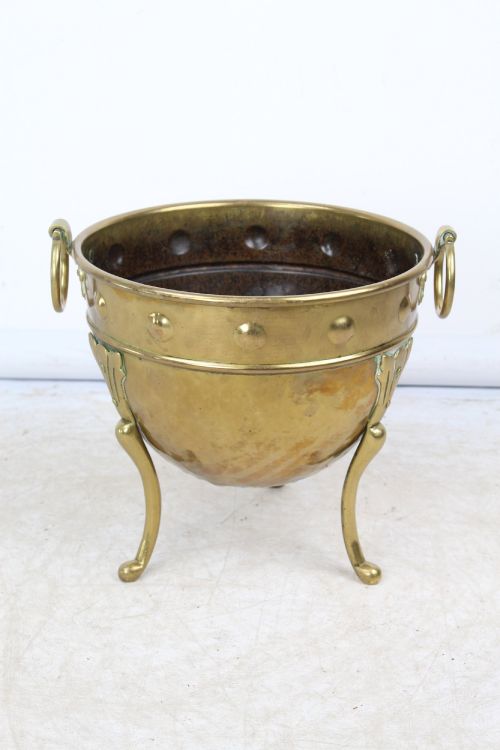
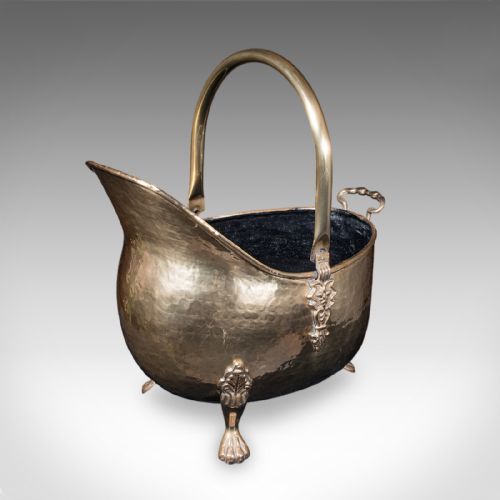
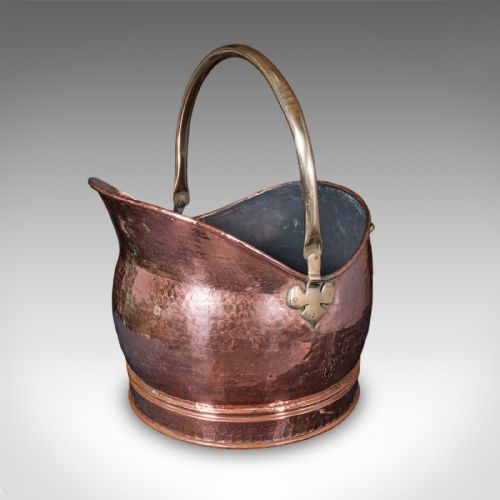
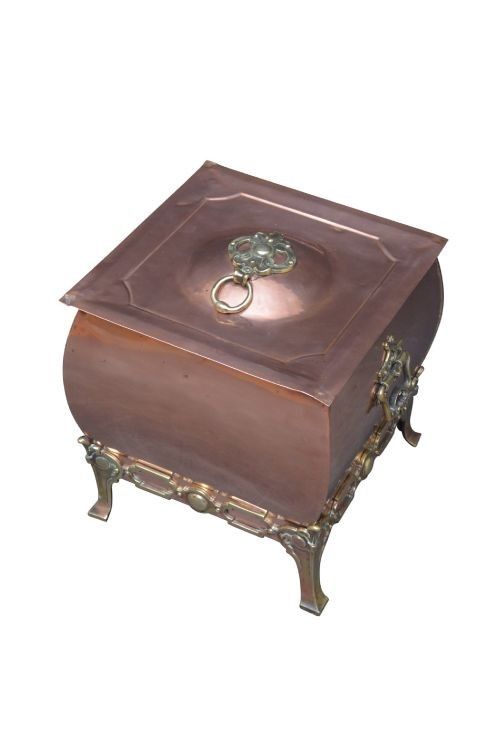
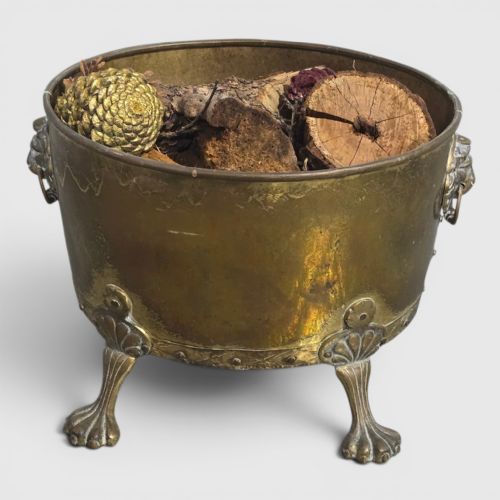
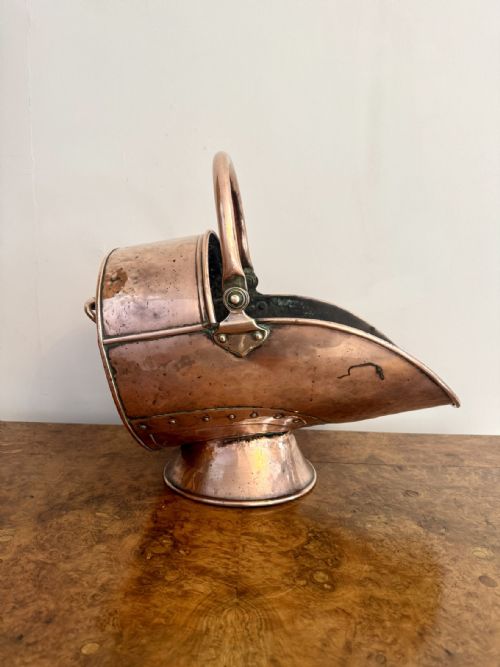
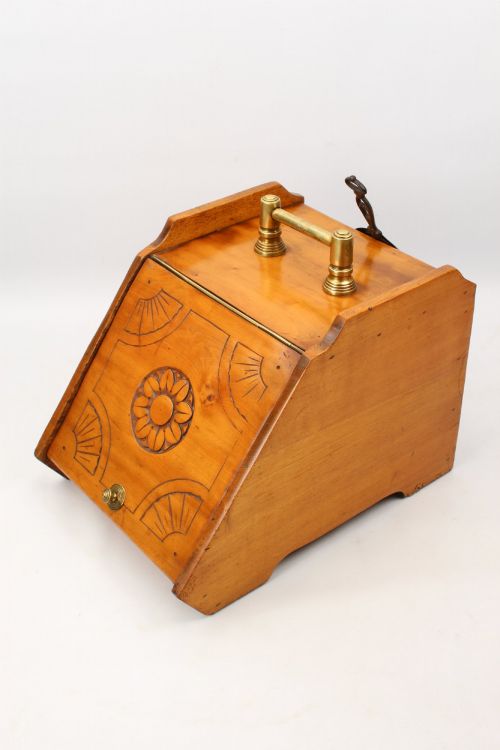
A brass hearth scuttle serves as a designated fireside container for coal, logs, or kindling, combining utility with decorative presence. These vessels appear in forms such as traditional helmets, cylindrical buckets, lidded boxes, and open bins designed to sit beside the fireplace.
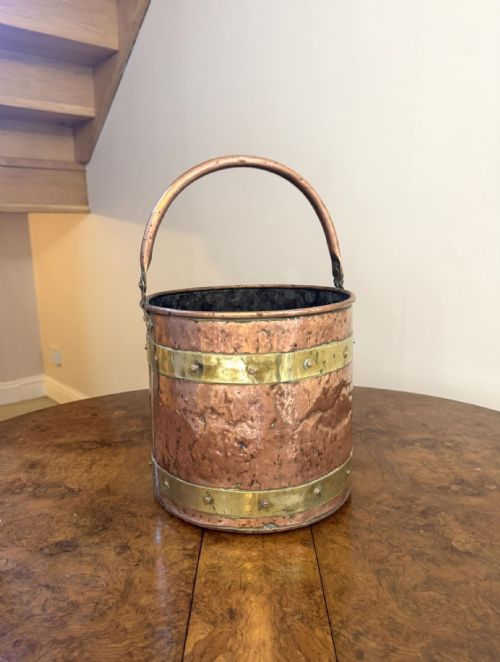
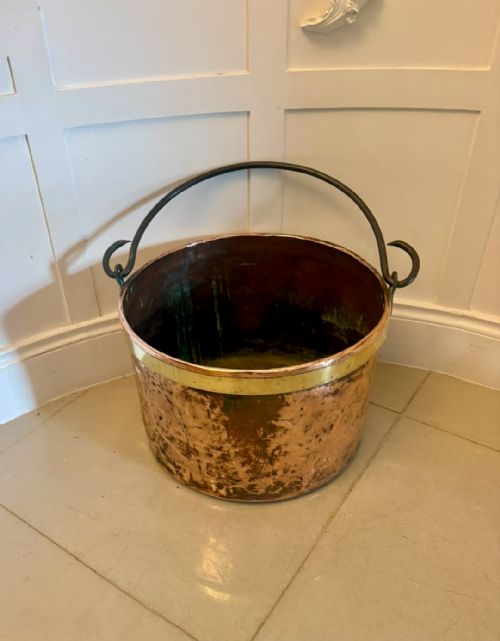
The pieces listed here span periods from the Georgian era through the Victorian and Edwardian periods, with the Victorian era supplying the largest share of examples. Alongside pure brass constructions, many combine copper bodies with brass accents, or integrate wooden elements like oak, mahogany, and walnut.
Makers and workshops of the nineteenth and early twentieth centuries produced these items in various regional styles, including Arts and Crafts interpretations and Edwardian Scottish designs. Beyond holding fuel, many double as planters or general fireside storage baskets.
How they were made
Metalsmiths constructed these vessels primarily from sheet brass and copper, frequently joining panels with visible rivets or smooth seams. Handles, swing bails, and feet were cast separately in brass and attached to the main body to withstand the weight of heavy fuel.
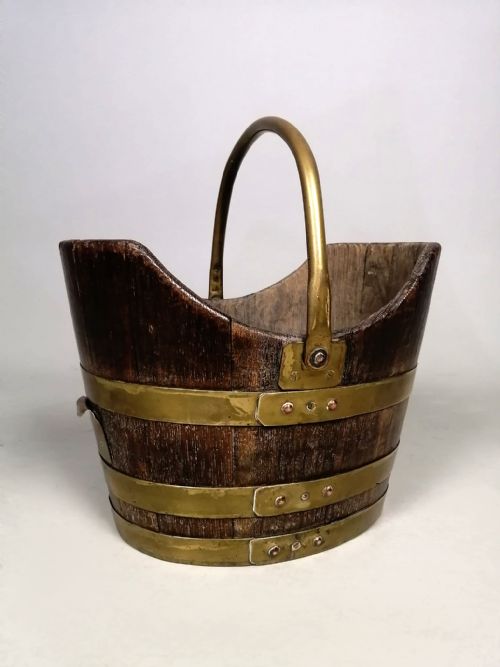
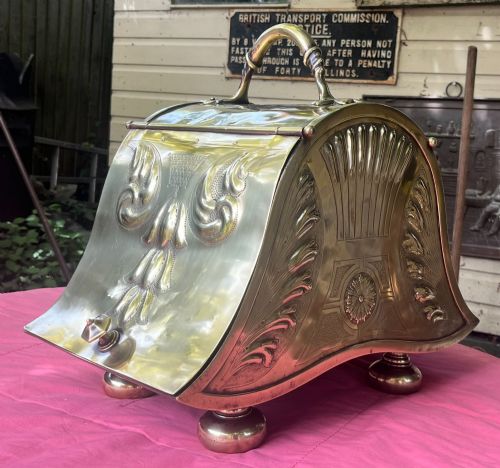
Coopers built wooden versions using staves of oak, mahogany, or walnut bound with brass bands, mirroring traditional bucket-making techniques. Surface decoration often involved hand-finishing, repoussé work featuring tavern scenes or fretwork designs, and occasionally inlaid wood details.
Materials span solid brass, riveted copper, walnut, and oak across periods ranging from the Georgian era to the Edwardian years.
What varies in quality
The thickness and gauge of the brass or copper dictate the structural rigidity of the body and its resistance to denting during daily use. Heavy-gauge metalwork combined with robustly cast handles and securely fastened rivets represents superior construction.
Refinement in surface detailing separates standard utility items from finer examples, seen in crisp repoussé decoration, well-fitted lids, and the retention of original matching shovels. The quality of secondary materials, such as solid oak or mahogany bodies and precise coopered joints, also elevates certain pieces.
Henry Loveridge·Benham and Froud·Petrus Ramus
The Brass Hearth Scuttle Glossary
- Coal helmet
- A traditional scuttle shape featuring a flared lip and raised back, designed for pouring fuel cleanly onto a fire.
- Coal purdonium
- A lidded box or cabinet designed to store coal indoors, frequently incorporating an internal metal liner and a matching shovel.
- Log bin
- A wider cylindrical or oval container intended for storing firewood rather than small coal pieces.
- Repoussé
- A metalworking technique where the artisan hammers a design from the reverse side to form a raised pattern on the surface.
- Coopered
- Built from vertical wooden staves held together by tension and metal bands, much like a traditional water barrel.
Brass Hearth Scuttle: Frequently Asked Questions
Are these vintage buckets safe for actual fireplace use?
Most metal scuttles and buckets remain structurally capable of holding logs, coal, or kindling beside an active fireplace. Many incorporate internal metal liners or robust brass construction built to handle heavy fuel.
Owners should check for historical wear or loose rivets before loading them with heavy materials.
How do I clean brass and copper fireside accessories?
Traditional metal cleaners remove tarnish from brass and copper, though many collectors prefer to leave a mellow aged patina untouched. Gentle wiping with a soft cloth prevents dust accumulation without stripping the historical surface character.
Avoid abrasive pads that can scratch the hand-finished metal.
How can I tell a Victorian scuttle from a Georgian one?
Georgian pieces often display simpler, heavier copper construction with hand-hammered seams dating back to the eighteenth century. Victorian examples frequently utilise brighter brass accents, machine-rolled sheet metal, and more elaborate decorative stampings or repoussé work.
Construction techniques and stylistic motifs help distinguish the manufacturing period.
Can I use a coal scuttle as a indoor plant pot?
Many period coal buckets and bins find a second life as decorative indoor planters for large houseplants. Their sturdy metal or wood-and-brass construction holds soil and moisture well when paired with a protective internal saucer.
This practice repurposes historical fireside items for modern rooms.