


Brass Hearth Pots
Brass hearth pots bring warmth to a fireside, offering practical utility and enduring metalwork from the Georgian and Victorian eras.
Brass Hearth Pots
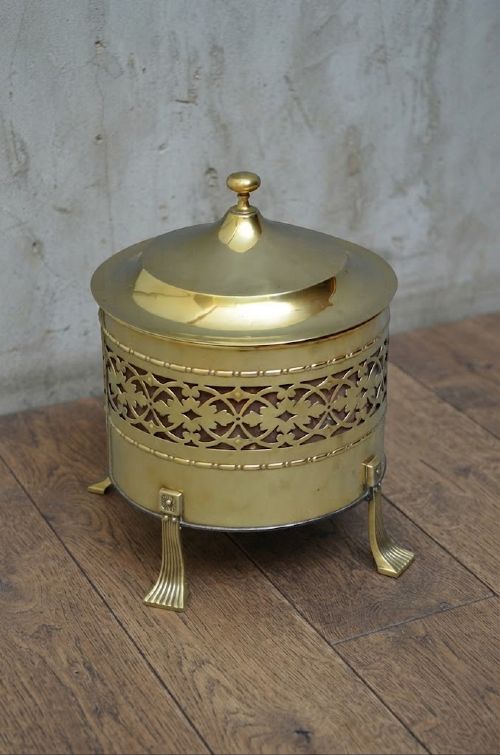
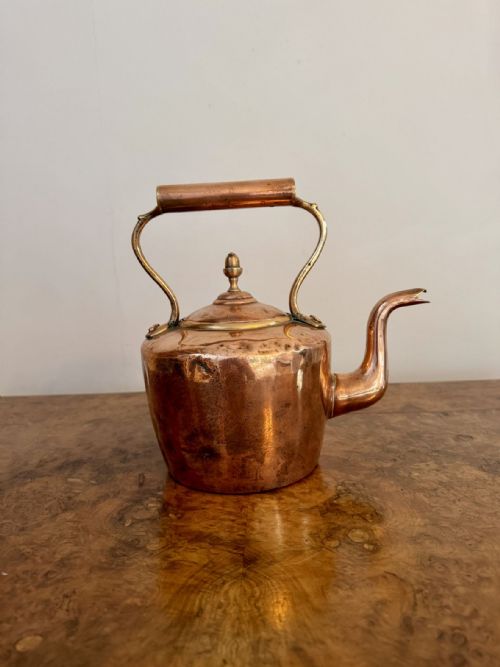
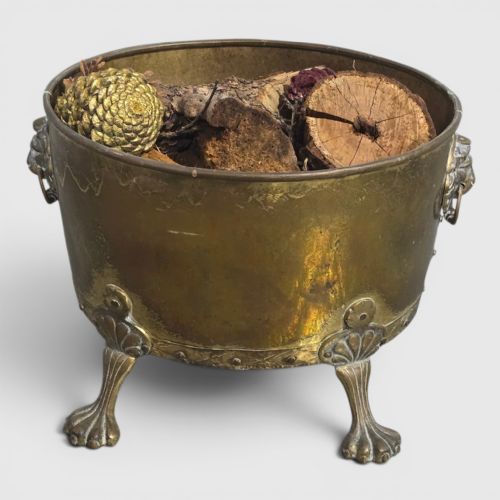
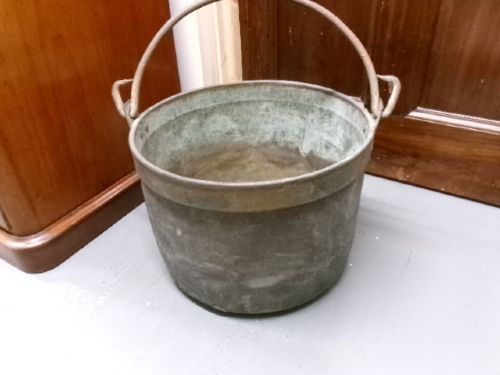
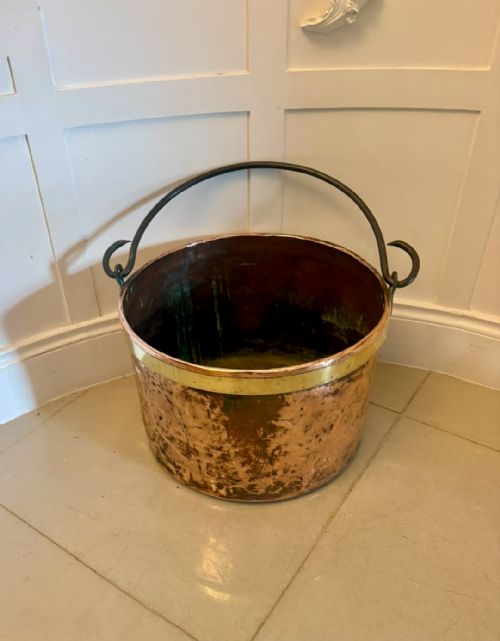
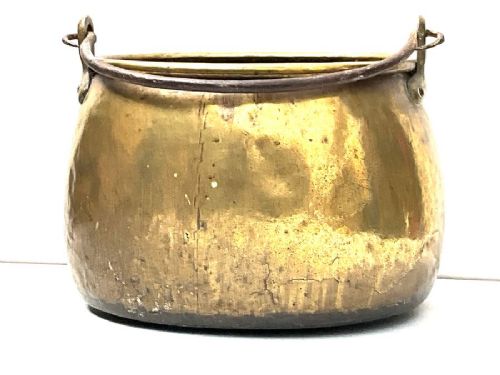
Brass hearth pots include traditional vessels such as kettles, cauldrons, log bins, and fireside buckets designed for use around the fireplace. These pieces date from the Georgian, Victorian, and Edwardian periods, reflecting the domestic metalwork of the eighteenth and nineteenth centuries.
The selection ranges from heavy display pans and preserve warmers to swing-handled cauldrons and coal buckets. Most examples combine brass bodies with iron, copper, or bronze elements, reflecting the utilitarian demands of historic hearths.
Buyers will encounter various forms, including small tea kettles, large oval copper kettles, and multi-tier trivets. These items served daily domestic functions before finding a place in modern interiors as decorative accessories.
How they were made
These vessels utilise sheet and cast brass, frequently paired with copper, wrought iron, and bronze. Makers shaped metal sheets through hammering and joining, while handles and feet were often cast separately and attached securely.
Surviving pieces show evidence of hand-finishing, with polished surfaces or patinated metal that records decades of hearthside use. Iron and wrought iron components provide structural strength for hanging pots and supporting heavy vessels.
What varies in quality
Quality rests on the thickness of the metal and the integrity of the construction, such as solid joins and well-fitted swing handles. Heavy gauge brass and copper indicate sturdier vessels intended for demanding daily use rather than light display.
Design details also separate standard items from finer examples, including fretwork on Edwardian buckets, balanced proportions on George III kettles, and the clean execution of cast bronze cauldrons.
The Brass Hearth Pots Glossary
- Cauldron
- A deep round pot with a large handle, used historically over an open fire for heating liquids or cooking. These vessels frequently feature heavy bronze or brass construction.
- Trivet
- A metal stand with feet, designed to support a kettle or pan close to the hearth fire. Examples range from simple iron frames to two-tier brass stands.
- Trammel
- An adjustable iron hook used in a fireplace to suspend pots at varying heights over the flames. They often incorporate brass elements for adjustment.
- Planter
- A decorative container adapted from historic buckets or bins to hold indoor plants. These items often showcase nineteenth-century brass or copper bodywork.
Brass Hearth Pots: Frequently Asked Questions
What were brass hearth pots used for?
These vessels served practical tasks around the domestic fire, such as boiling water in kettles, heating preserves in pans, and holding fuel in log bins and coal buckets.
Over time, many of these utilitarian objects transitioned from active kitchen use to fireside decoration.
How do I date a brass kettle?
Dating relies on observing construction methods, handle attachments, and stylistic cues associated with the Georgian and Victorian periods.
Earlier eighteenth-century pieces often display hand-beaten surfaces and distinct spout forms compared to later nineteenth-century manufacturing.
Are these pots made of solid brass?
Most items combine solid brass with other metals, particularly copper bodies, iron handles, and bronze fittings.
Heavier pieces utilise thick gauge metal designed to withstand intense hearth heat and regular handling.
How should I clean a antique brass pot?
Preserving the historic surface usually involves gentle dusting and minimal intervention to maintain the natural patination acquired over centuries.
Aggressive polishing removes the aged character that collectors value in period metalwork.