
Brass Hearth Kerb
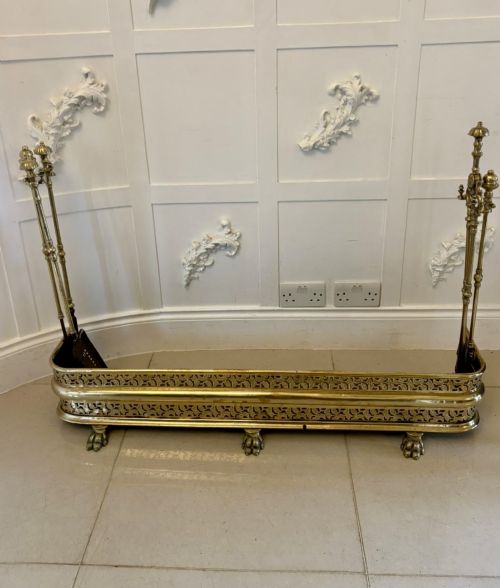
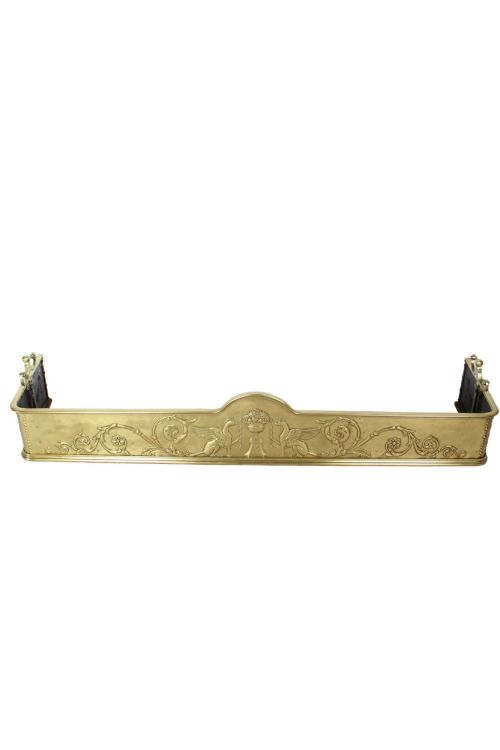
A brass hearth kerb frames the fireplace while containing stray embers, bringing functional warmth and period metalwork to a room.
Brass Hearth Kerb
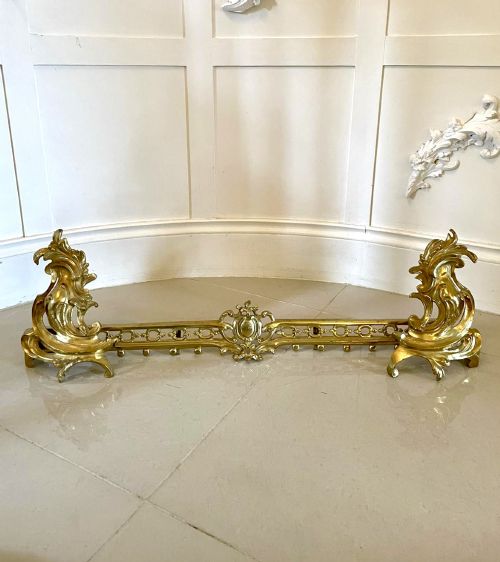
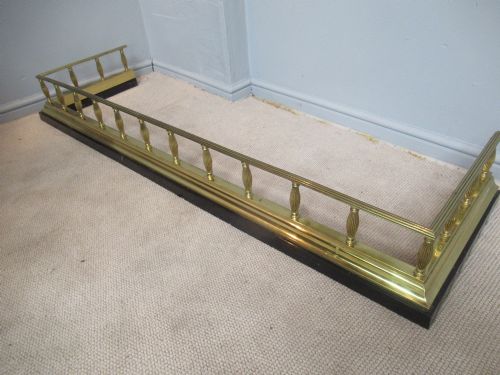
A brass hearth kerb acts as a physical barrier around the fireplace opening, protecting floor coverings from sparks and coal fragments. These items appear primarily in nineteenth-century Victorian and Edwardian forms, alongside earlier Georgian examples.
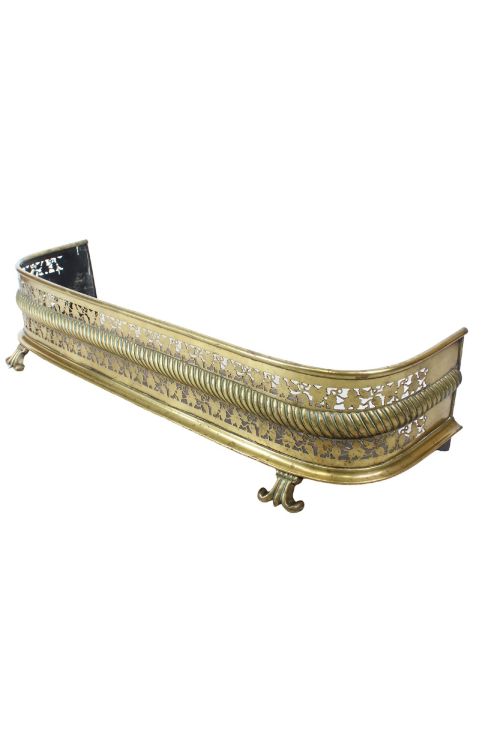
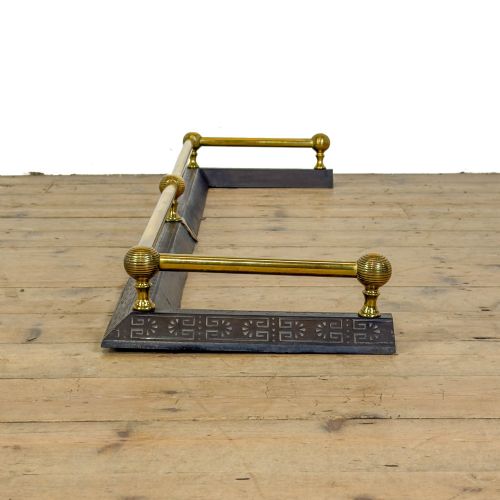
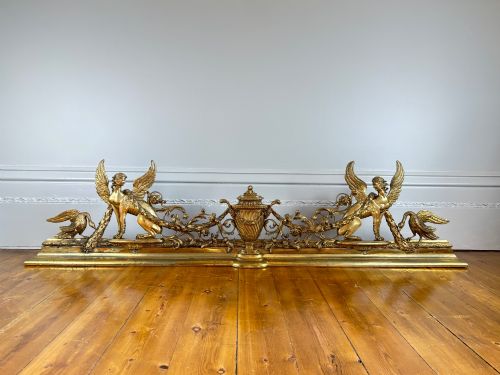
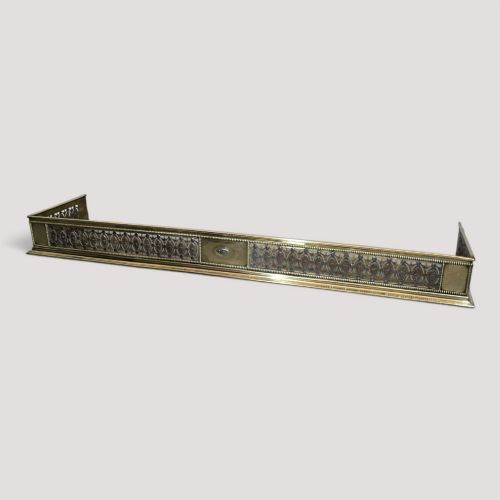
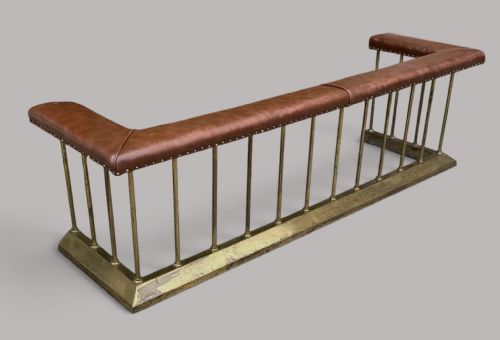
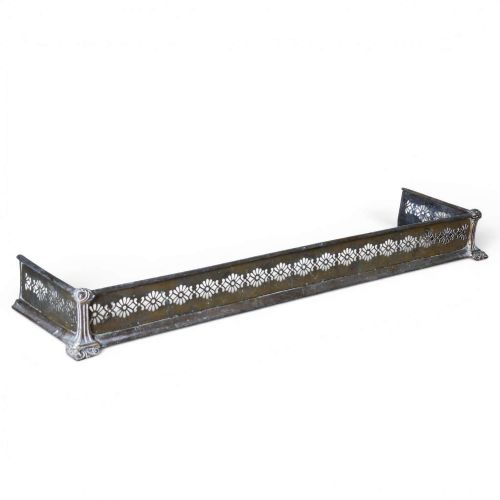
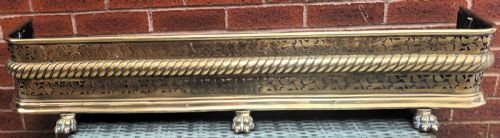
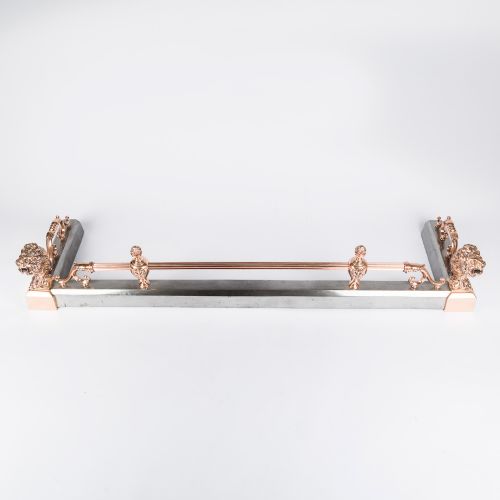
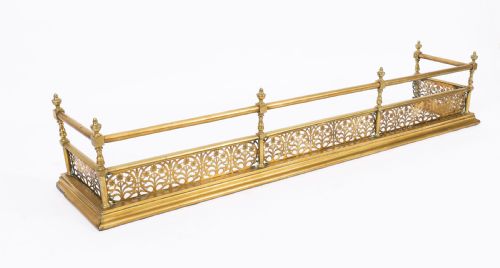
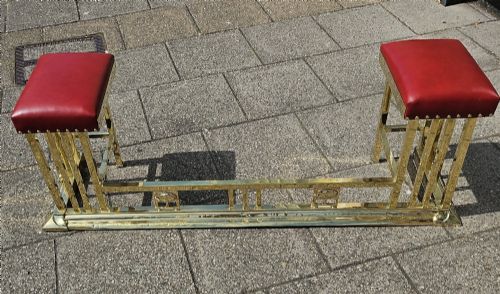
The selection ranges from simple extending rails to elaborate pierced brass borders, club fenders with upholstered seats, and combination pieces incorporating steel or cast iron. Most designs originate from British workshops, though French Rococo and Neoclassical revival styles also occur.
How they were made
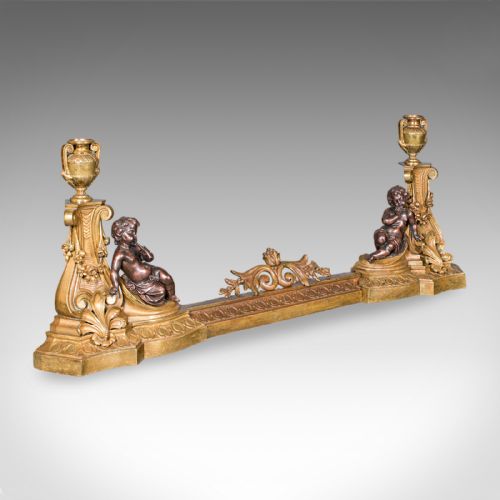
Makers utilised cast and sheet brass, often combining it with iron, steel, or bronze to provide structural rigidity around the hearth. Piercing, embossing, and applied ormolu or gilt bronze ornamentation decorated the metal surfaces.
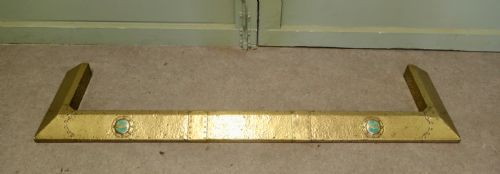
Some variations incorporate details such as green enamel cabochons, cut steel studs, or padded leather seat tops on club fenders. Adjustability mechanisms allowed certain kerbs to fit various fireplace widths.
Listings include nineteenth-century, Victorian, Edwardian, and Georgian periods, incorporating materials such as brass, cast iron, steel, bronze, and ormolu.
What varies in quality
Metal thickness and the crispness of cast or pierced decoration distinguish robust examples from lighter production pieces. Heavier gauge brass and integrated steel frames provide greater durability and structural integrity.
The refinement of decorative motifs, such as hand-chased details on bronze or carefully fitted leather upholstery on club fenders, separates standard utilitarian hearth furnishings from finer artistic examples.
E F Caldwell New York
The Brass Hearth Kerb Glossary
- Fender
- A low metal guard placed around a hearth to contain coals and ash. These items are also called kerbs or fire guards.
- Club fender
- A low fireside surround equipped with upholstered seat cushions on top. They typically feature leather surfaces.
- Ormolu
- Finely ground high-carat gold cast in a mercury amalgam onto a bronze object. This technique creates a rich golden finish on decorative mounts.
- Pierced brass
- Metal sheet perforated with decorative patterns using saws or punches. This method lightens the visual weight of the kerb.
Brass Hearth Kerb: Frequently Asked Questions
What is a brass hearth kerb used for?
A brass hearth kerb sits directly on the floor in front of an open fireplace to contain falling embers and hot coals. It establishes a defined boundary between the fire and the room.
Beyond safety, these pieces frame the hearth visually and frequently incorporate seating or accessory holders. They serve as permanent architectural fixtures for period fireplaces.
How do I clean a brass hearth kerb?
Cleaning requires removing surface dust and soot with a soft cloth and mild soapy water. Care must be taken not to damage applied patination or older lacquer finishes.
Avoid harsh abrasive compounds that scratch the metal surface. Preserving the natural ageing of the brass maintains the historical character of the piece.
Are all hearth kerbs adjustable in size?
Many nineteenth-century examples feature sliding sections that allow the width to expand or contract. This mechanism accommodated different fireplace openings within a home.
Fixed-size kerbs were also common and manufactured to specific dimensions. Measuring the hearth opening precisely ensures the correct fit for non-adjustable pieces.
What is a club fender?
A club fender is a specific form of hearth surround featuring low padded seats on either side. This design allowed people to sit close to the fire while remaining protected from the hearth.
The top surfaces typically utilise leather upholstery supported by a metal frame. These pieces date predominantly to the Victorian and Edwardian periods.