


Brass Hardware Cabinet
A brass hardware cabinet brings functional period detail to an interior, combining sturdy timber construction with distinctive metalwork.
Brass Hardware Cabinet
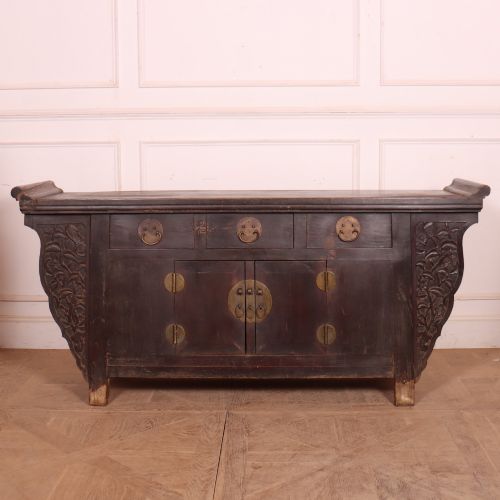
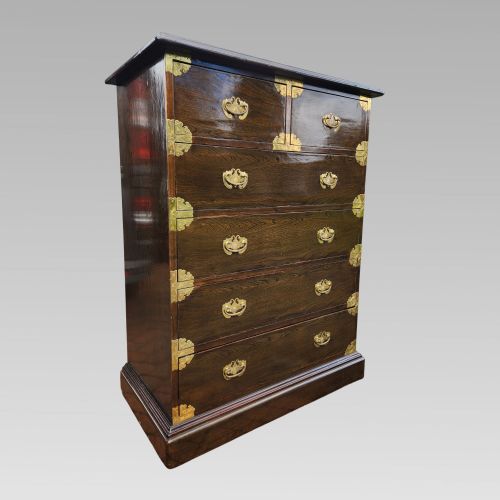
When you search for a brass hardware cabinet, you are looking at substantial storage furniture featuring decorative or functional metal fixings, alongside smaller related fittings such as hinges and handles. The pieces available range from large Chinese sideboards and elm chests of drawers to Victorian door furniture and galleries.
You are most likely to meet nineteenth-century Chinese lacquer and elm cabinets alongside Victorian architectural elements and Korean storage chests. These pieces balance practical storage with the decorative impact of polished or gilded metal components.
Construction and materials
These pieces rely on traditional timber construction, utilising elm, burr elm, and lacquered wood as primary structural bases. Workshops shaped these materials into sideboards, chests, and smaller cabinetry using time-honoured joinery methods appropriate to each region.
Metal components form the defining characteristic of these items, created from brass, gilded brass, and bronze. Artisans cast or forged these metals into drop handles, finial door hinges, and galleries, securing them firmly to the wooden bodies.
Several items include matched pairs of brass finial hinges designed to catch the light as doors swing open.
Assessing craftsmanship and finish
The distinction between standard examples and superior pieces rests upon the finesse of the metalwork and the selection of the timber. Better examples display crisp casting and fine chasing on handles and hinges, complementing the rich grain of burr elm or the depth of red and black lacquer finishes.
Proportion and the integrity of the original hardware shape the standing of any piece. Retaining matching period brasses elevates an item, whereas mismatched or replacement fittings alter the historical cohesion of the furniture.
The Brass Hardware Cabinet Glossary
- Brass
- A copper and zinc alloy valued for its durability and warm golden tone, used extensively for decorative handles, hinges, and galleries across the nineteenth century.
- Burr Elm
- A highly decorative timber burl showing intricate swirling grain patterns, frequently utilised on the drawer fronts and doors of regional Asian storage chests.
- Bandaji
- A traditional Korean storage chest characterised by prominent metal strapwork and hinges across the front facade.
- Gallery
- A low decorative rail or raised border mounted along the top edge of a cabinet or sideboard, often cast in brass to secure displayed items.
- Lacquer
- A durable natural resin finish applied in multiple layers to wood surfaces, producing a smooth protective coating often coloured in red or black.
Brass Hardware Cabinet: Frequently Asked Questions
What periods do these pieces date from?
The selection spans the nineteenth and early twentieth centuries, encompassing Victorian British items alongside Chinese Qing Dynasty and Korean Joseon pieces.
Dates are determined by construction methods, timber choice, and the distinct stylistic conventions of the region of origin.
How were these cabinets used originally?
Larger forms such as sideboards and chests served for storing garments, household provisions, or valuables in domestic interiors.
Smaller hardware items like hinges and handles were fitted to doors and cabinetry to provide both mechanical operation and visual adornment.
How do I care for lacquered wood?
Lacquered surfaces require gentle dusting with a soft, dry cloth and protection from direct sunlight and extreme humidity changes.
Avoid chemical polishes and abrasive cleaners that can damage the historical finish of the resin.
Can I mix different regional styles?
Combining nineteenth-century Asian cabinetry with Victorian architectural hardware offers a layered interior aesthetic grounded in period materials.
Matching the warmth of the brass tones helps unify diverse pieces within the same room.