
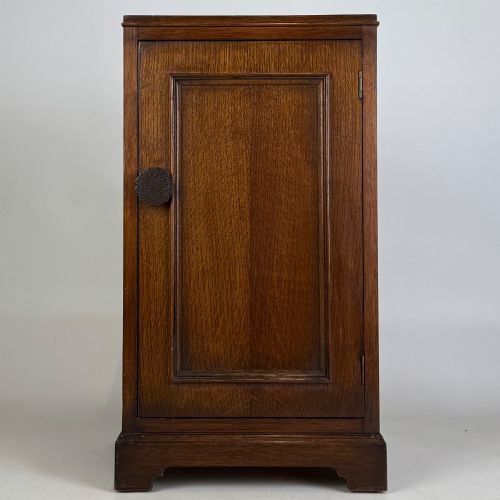
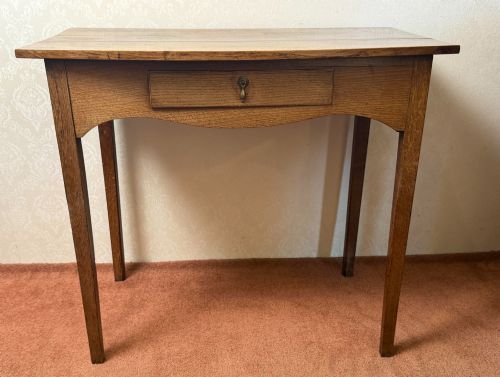
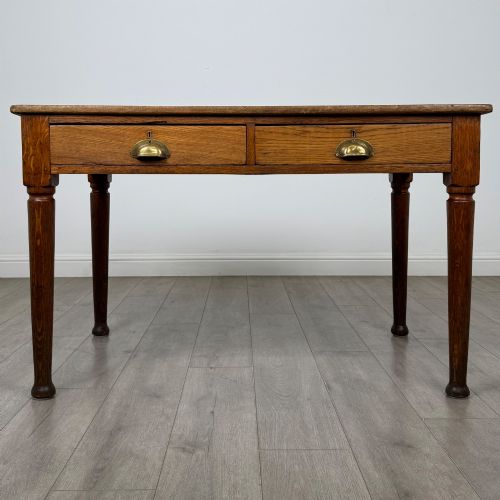
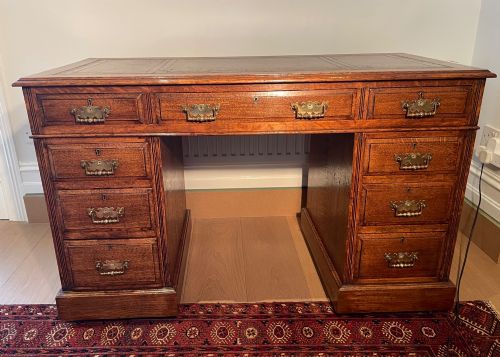
Brass Handled Oak Table
A brass handled oak table brings together robust timbers and functional metalwork, offering practical surface space and enduring storage across centuries of domestic life.
Brass Handled Oak Table
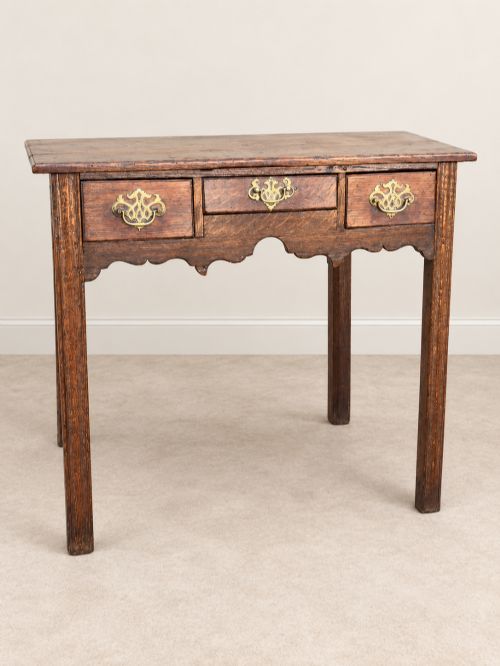
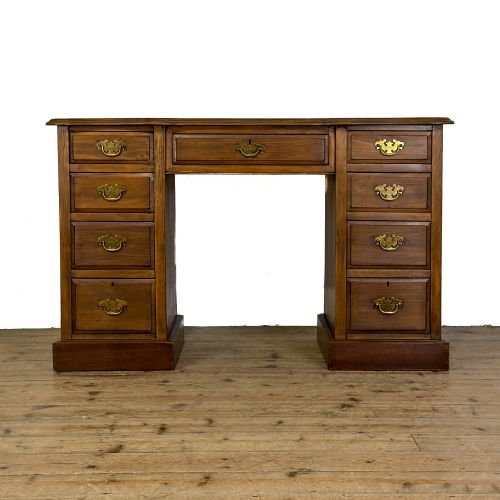
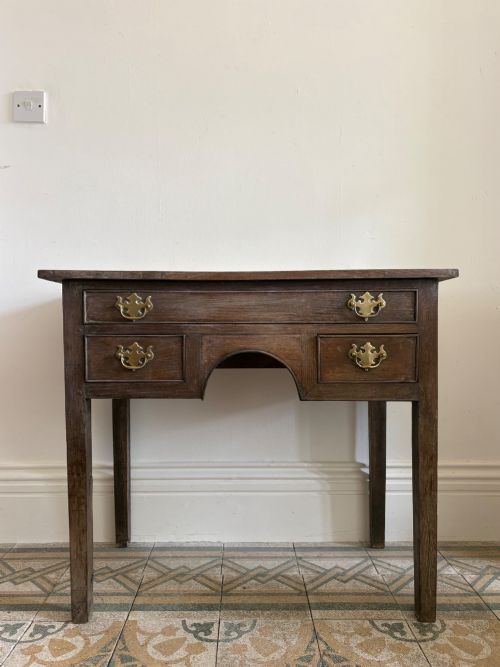
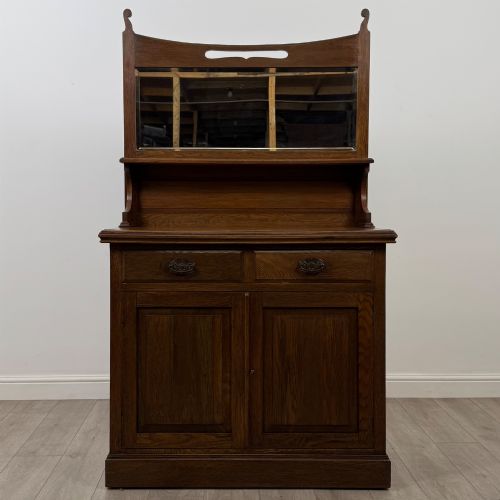
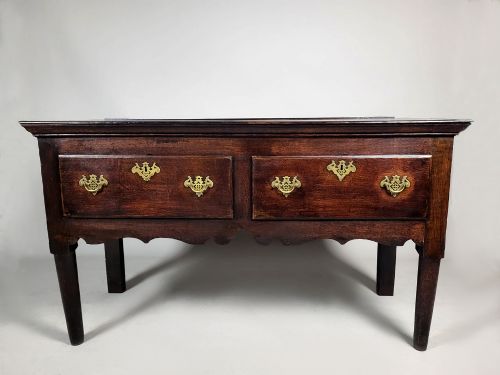
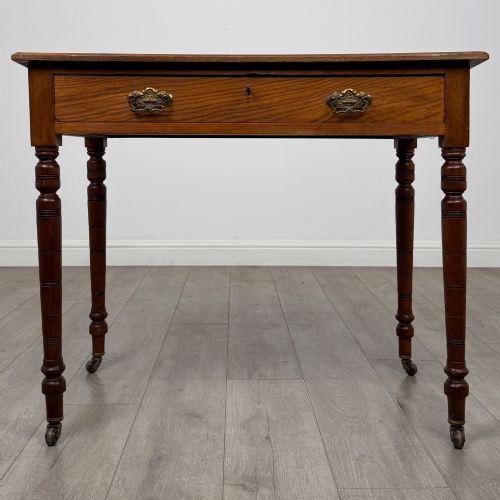
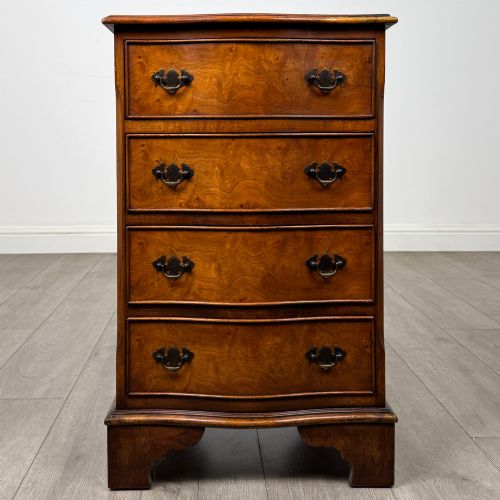
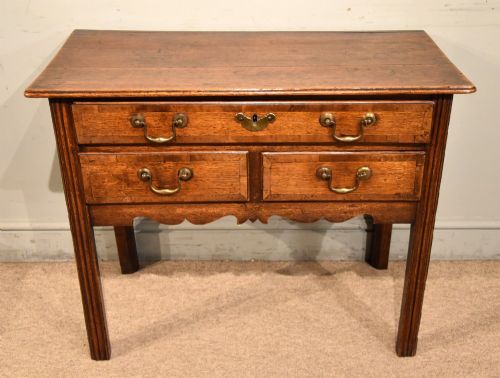
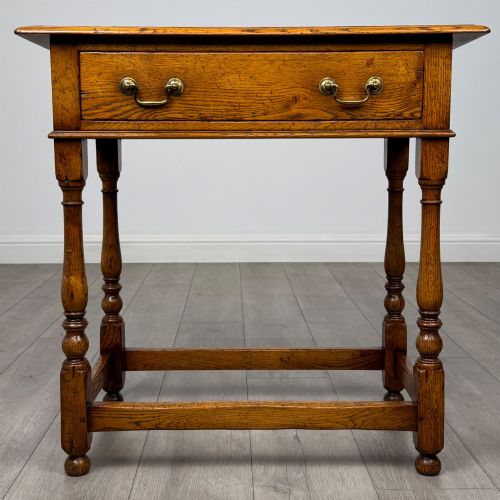
When you search for a brass handled oak table, you encounter a diverse selection of practical domestic furniture spanning the eighteenth, nineteenth and early twentieth centuries. These pieces encompass utilitarian side tables, lowboys and writing desks alongside substantial dresser bases.
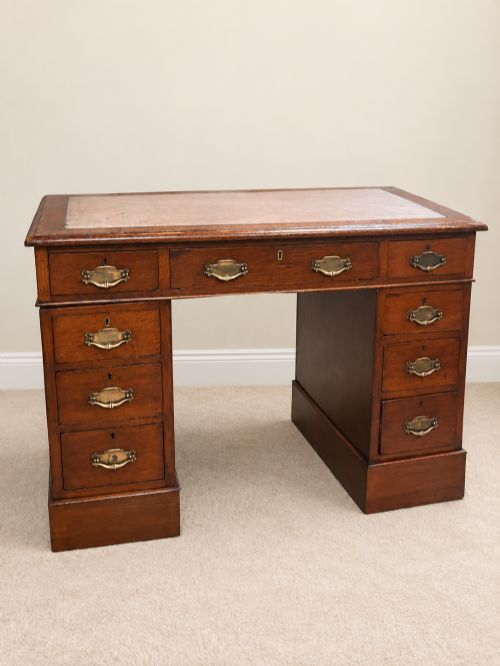
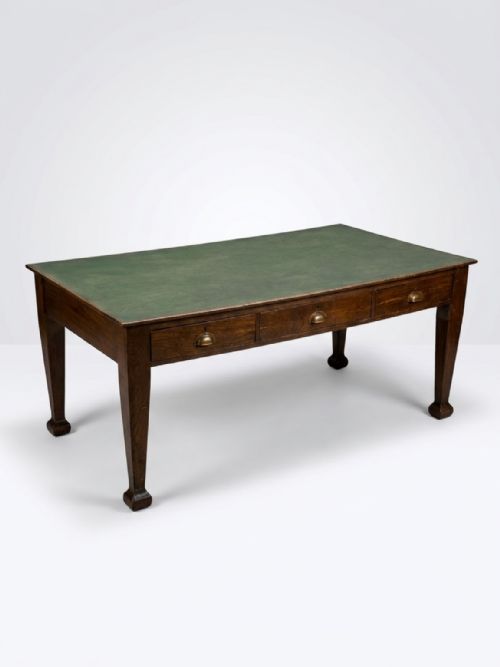
Simpler country house forms appear alongside more formal writing tables fitted with leather inserts and brass hardware. Buyers select these tables for daily functional use or as characterful focal points within traditional and contemporary interiors.
Standards of craftsmanship
Quality in these tables is determined by the integrity of the timber selection, the crispness of the drawer dovetailing and the originality of the brass hardware. Superior examples display thoughtful proportions, seamless timber joints and substantial thickness in the oak boards used for tops and drawer linings.
Finer pieces maintain original handles, locks and backplates rather than modern replacements, retaining the intended balance between the warm oak and the metal fittings. The refinement of turned supports, carving and secondary wood quality further separate standard utilitarian items from exceptional workshop output.
Listings feature oak tables spanning the seventeenth to the twentieth centuries, alongside occasional cherry wood examples.
Blyth and Son·Jenners
The Brass Handled Oak Table Glossary
- Lowboy
- A small oak table with drawers, typically originating from the eighteenth century and used as a dressing table or side table. These pieces often feature cabriole legs or straight tapering supports.
- Dresser base
- A heavy rectangular sideboard or serving table featuring multiple drawers and sometimes an open lower potboard shelf. They serve as substantial storage furniture in dining spaces and hallways.
- Pedestal desk
- A freestanding office or writing table comprising a central top supported by two banks of small drawers. They offer extensive surface space and secure storage compartments.
- Crossbanding
- A decorative border technique where thin strips of veneer are laid across the grain of the primary timber. This detail frames drawer fronts and tabletops on refined period furniture.
- Escutcheon
- A protective metal plate surrounding a keyhole on a drawer or cabinet door. They are frequently cast in brass to match the drawer pulls.
Brass Handled Oak Table: Frequently Asked Questions
How do I date an oak table?
Dating relies on examining construction techniques, timber preparation marks and hardware styles across the piece. Hand-cut dovetails, timber shrinkage patterns and the profile of turned legs provide clear indicators of period manufacture.
Later Victorian and Edwardian examples often incorporate machine-sawn elements and standardised screws alongside traditional joinery methods. Comparing these structural details with known stylistic periods establishes the likely decade of origin.
Are brass handles usually original?
Many surviving tables retain their original brass drop handles and backplates, though replacements are common due to centuries of domestic wear. Original hardware typically shows natural oxidation, wear patterns around the fixing posts and matching impressions in the wood.
Replacement handles often leave extra screw holes hidden behind the backplate or feature modern casting methods. Inspecting the interior of the drawer helps confirm whether the current brassware matches the age of the timber frame.
How should I maintain oak furniture?
Maintenance requires keeping the timber away from direct heat sources and extreme humidity fluctuations to prevent splitting. Regular dusting with a soft, dry cloth preserves the natural surface sheen without building up heavy wax residues.
Occasional application of high-quality beeswax nourishes the dry oak grain and protects the finish from minor spills. Avoid silicone-based sprays, which can penetrate the wood pores and damage the historic patina.
Can I use an antique desk daily?
These sturdy oak desks and writing tables were built for rigorous daily administration and function effectively in modern workspaces. Their solid timber construction and deep drawers provide reliable surfaces for contemporary laptops and paperwork.
Protecting leather writing surfaces with a desk blotter prevents accidental ink marks or scratches while preserving the historic insert. Routine care ensures these functional antiques remain practical for everyday home office use.