





Brass Handled Copper Pot
A brass handled copper pot brings warmth and utility together, forged from warm metal and finished with sturdy mounts for everyday use.
Brass Handled Copper Pot
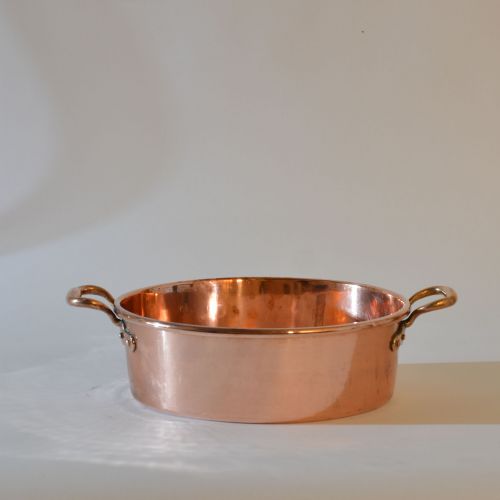
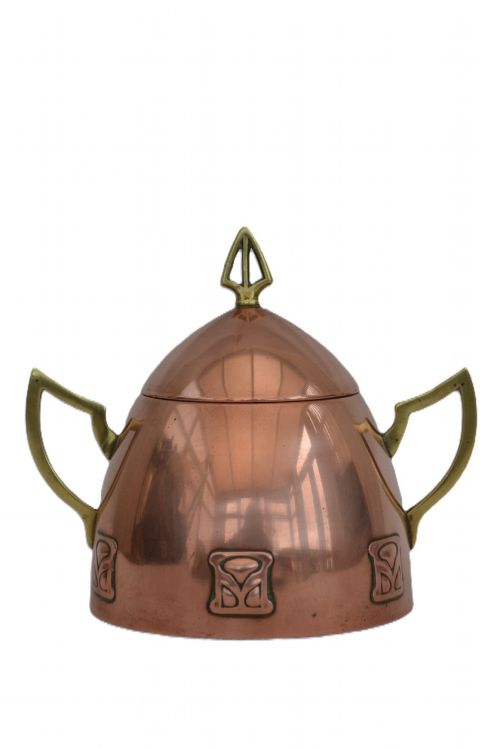
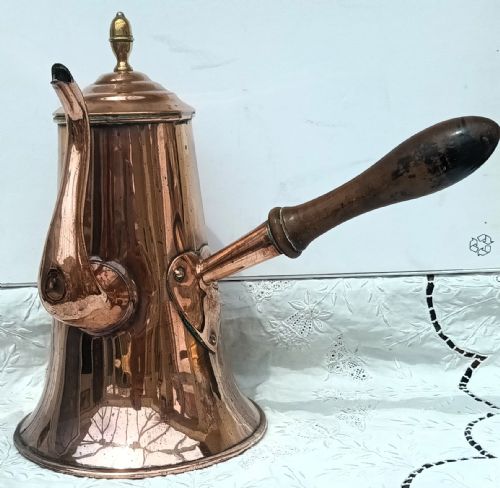
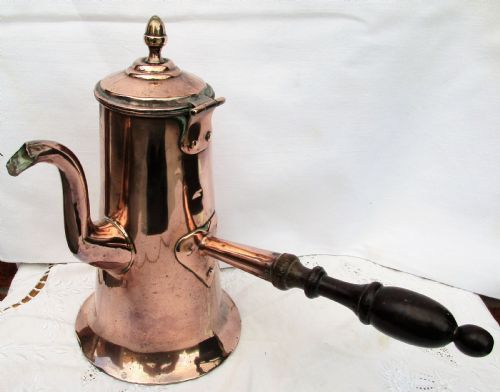
A brass handled copper pot encompasses practical kitchenware and decorative vessels from the Georgian, Victorian, and later periods, including kettles, preserve pans, and planters. These items served demanding domestic roles in kitchens and firesides before finding new life as display pieces.
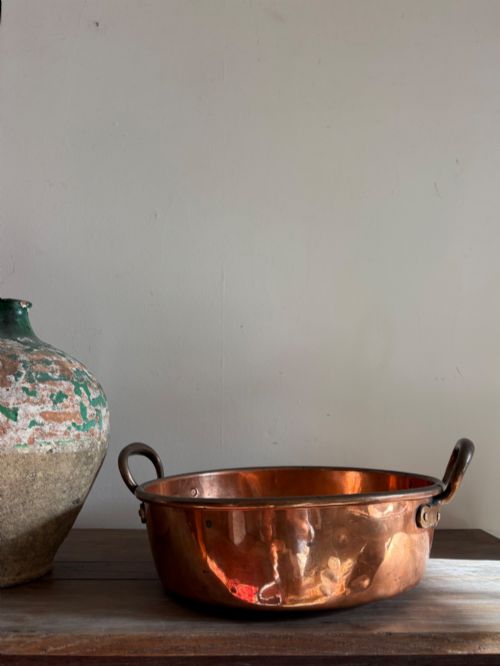
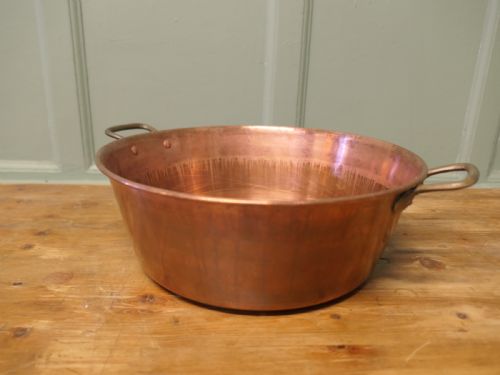
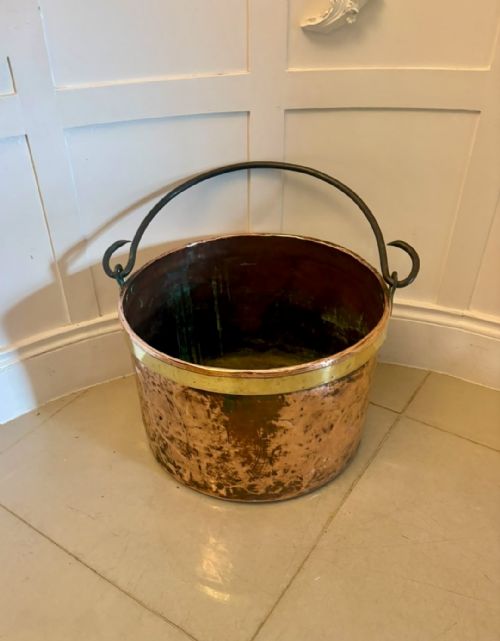
The version most commonly met on this page is the nineteenth-century preserve pan or kettle, featuring heavy copper walls and secure brass fittings. Such pieces combine utilitarian strength with the rich visual appeal of aged metal.
Vessels span utilitarian cookware like coffee pots and jam pans alongside ornamental planters and cauldrons. Each form reflects the functional domestic requirements of its era, shaped from enduring materials.
How they were made
Makers fashioned these vessels primarily from sheet copper, hammering and riveting the metal to form seamless or joined bodies capable of holding liquids or dense contents. Iron, tin, and wood occasionally appear as supplementary structural elements or internal linings.
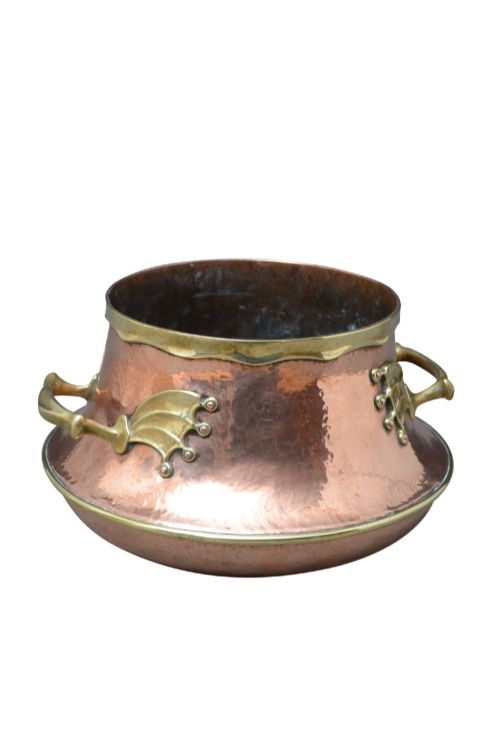
Handles and mounts were cast or forged from brass, then secured firmly to the copper body using rivets or pins to withstand heavy lifting. Surface treatments range from smooth polished finishes to hand-hammered textures and embossed ornamentation.
Brass Handled Copper Pot Retail Price Guide 2026
Typical asking prices for brass handled copper pot among the pieces listed under this phrase on Sellingantiques today, from the lower quarter to the upper quarter. They describe what is for sale here now, not the wider market.
Materials recorded across the current selection include copper, brass, iron, wood, tin, and wrought iron.
What varies in quality
Quality rests in the weight of the metal and the integrity of the construction, where thicker copper gauges and robustly pinned brass handles distinguish superior utility vessels from lighter decorative items. Proportion and balance in the handle attachment also dictate the overall standard.
Subtleties of hand-hammering, refined spout formation on kettles, and crisp embossing indicate superior craftsmanship. Pieces that retain their original structural form without excessive thinning show better preservation.
William Soutter And Sons
The Brass Handled Copper Pot Glossary
- Dinanderie
- Ornamental brass and copper ware produced by hand, often associated with Art Nouveau and Art Deco designs. The term covers vessels formed through beating and shaping sheet metal.
- Jardiniere
- An ornamental pot or stand designed to hold plants or flowers indoors. These vessels often feature decorative brass handles and heavy copper bodies.
- Preserve pan
- A wide, shallow pan used historically for boiling fruit and sugar into jam. They typically feature strong loop handles for lifting heavy contents.
- Cauldron
- A large metal pot with a swing handle, traditionally used over an open fire. Victorian examples frequently combine copper bodies with sturdy brass handles.
- Embossed
- Decorated with raised patterns pressed or hammered into the metal surface from behind. This technique adds texture and visual detail to the copper wall.
Brass Handled Copper Pot: Frequently Asked Questions
What were brass handled copper pots used for?
These vessels served primarily practical roles in the historic kitchen, from boiling water in kettles to cooking preserves and jams in heavy pans.
Over time, many of these utilitarian objects transitioned into decorative domestic items, functioning as coal buckets, log bins, and plant holders.
How do I clean an antique copper pot?
Gentle cleaning preserves the aged patina that collectors value, avoiding harsh abrasives that strip the historic surface.
Light washing with mild soap and warm water removes dust, while specialised metal cleaners can be applied sparingly if a brighter finish is desired.
How can I tell a Georgian pot from a Victorian one?
Georgian pieces often display simpler, restrained lines associated with earlier domestic manufacture, alongside hand-hammered construction details.
Victorian examples frequently introduce heavier cast brass mounts, more varied decorative forms like embossed patterns, and styles influenced by later Arts and Crafts ideals.
Can these pots still be used for cooking?
Many surviving pans retain their structural integrity, though historic linings may require assessment before food preparation.
Most buyers choose to display them as decorative items or planters rather than putting them back into active kitchen service.