


Brass Handle Wooden Cabinet
A brass handle wooden cabinet offers sturdy timber storage fitted with metal pulls, spanning Georgian drawer chests to Edwardian filing pieces.
Brass Handle Wooden Cabinet
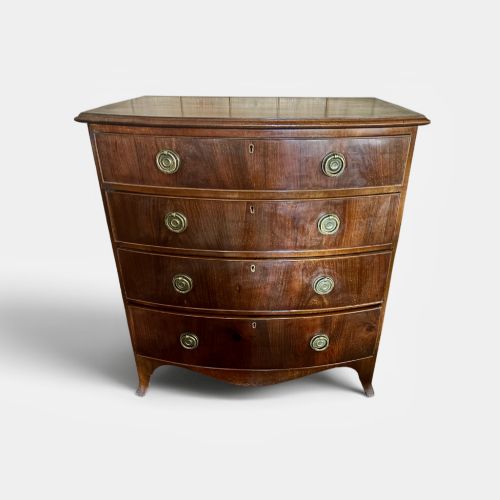
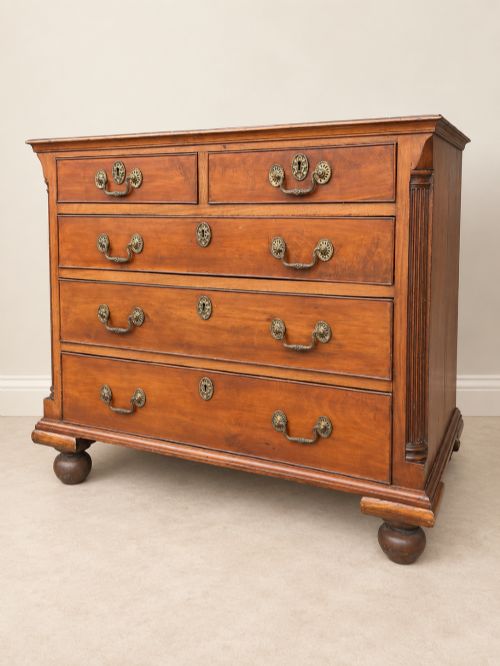
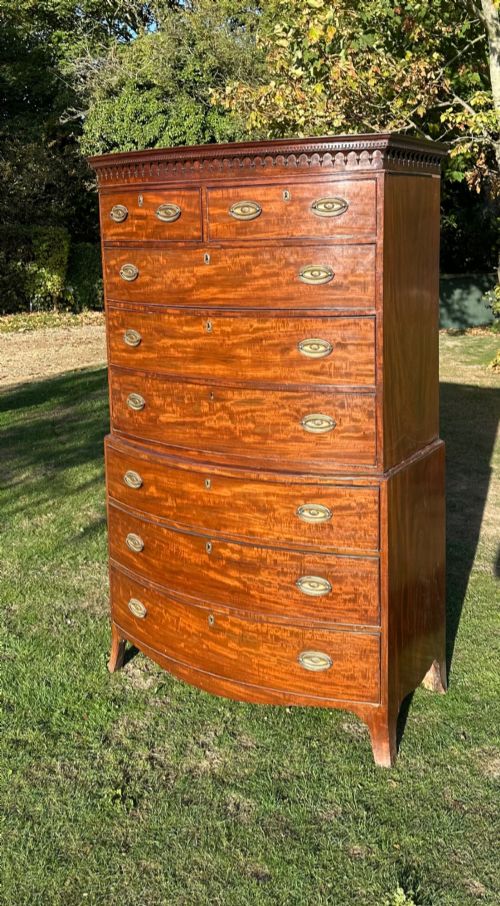
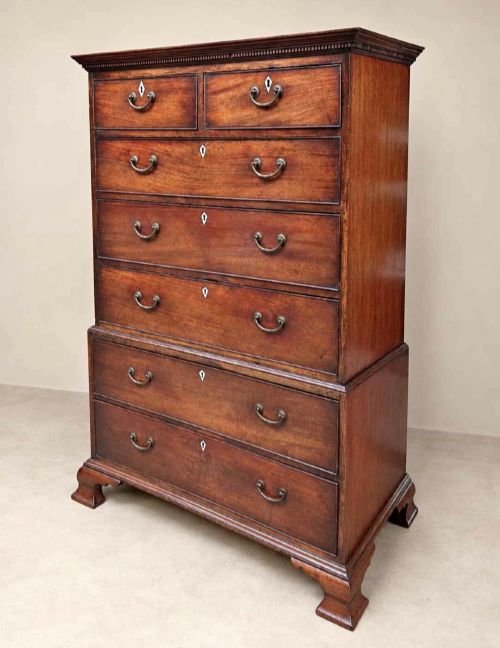
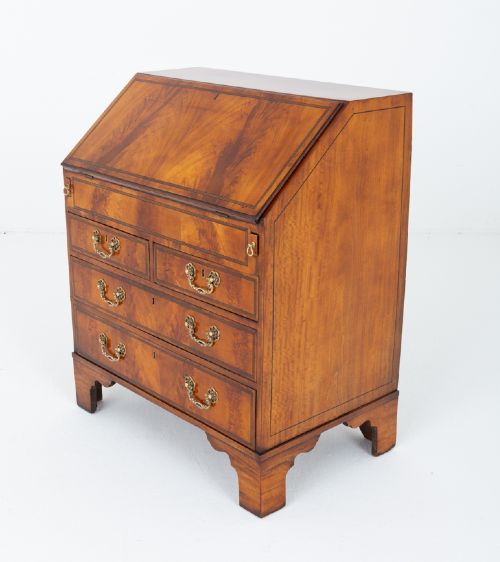
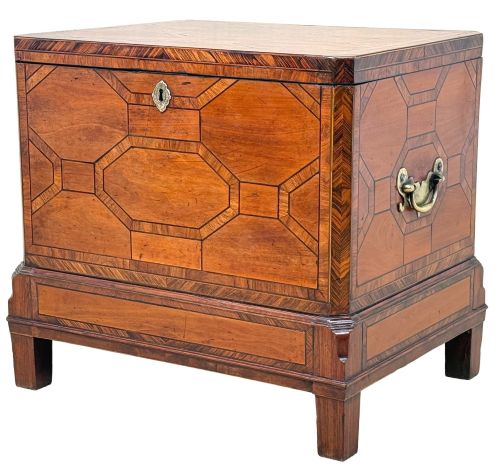
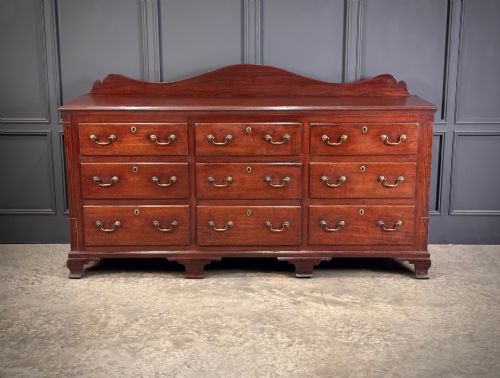
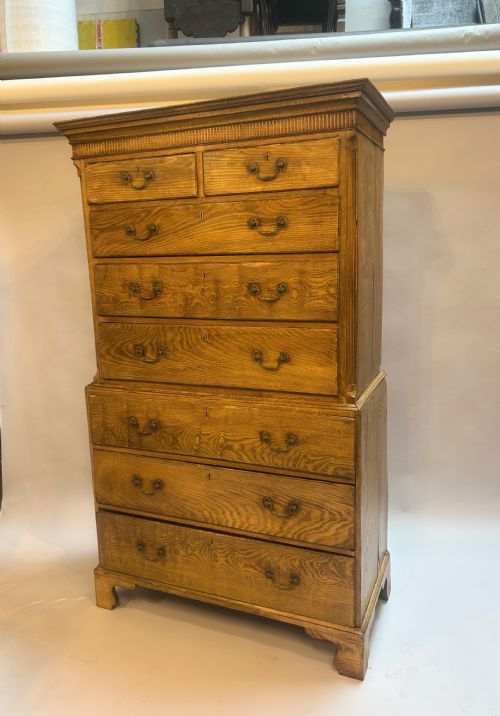
A brass handle wooden cabinet encompasses storage pieces built primarily from timber and fitted with metal hardware, taking the form of chests of drawers, filing cabinets, cellarettes, and bureaux. The selection ranges from 18th Century and Georgian walnut and mahogany examples to Regency, Victorian, and Edwardian iterations.
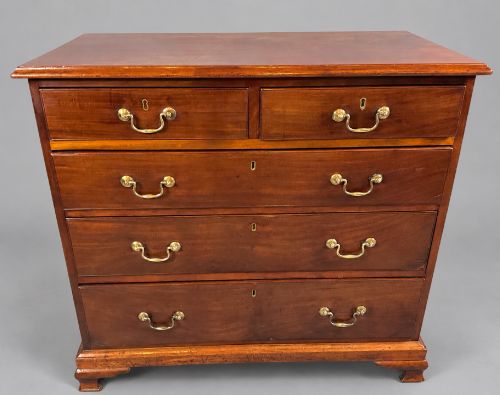
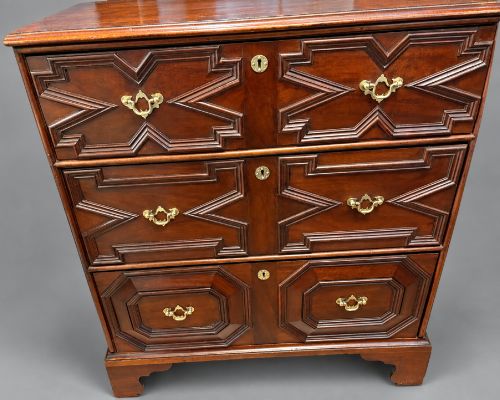
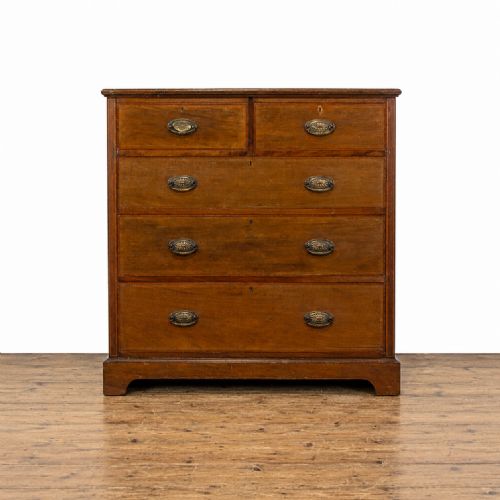
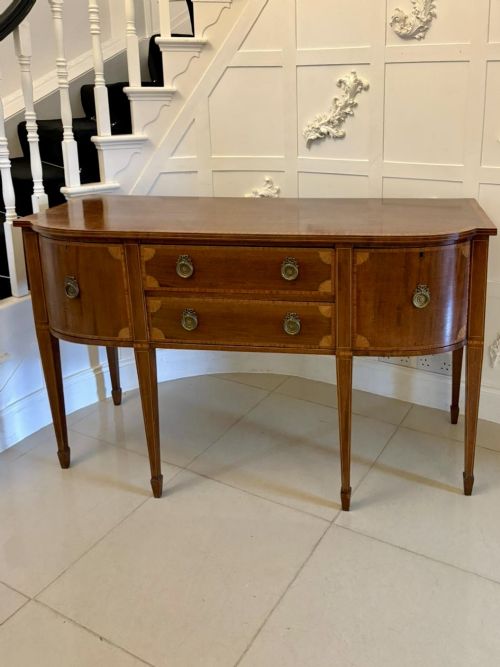
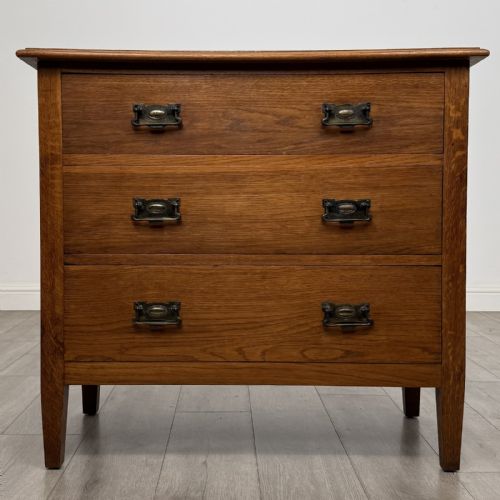
The version most frequently encountered on this page is the wooden chest of drawers, often fashioned in mahogany or oak with period brass drawer pulls. These pieces originate across the eighteenth and nineteenth centuries, spanning formal Georgian designs, bow front Regency shapes, and later multi-drawer office or filing formats.
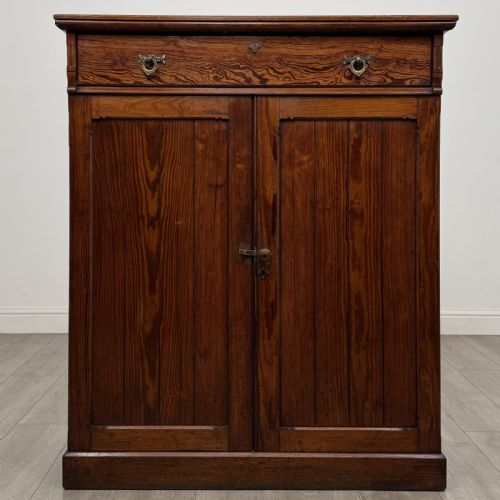
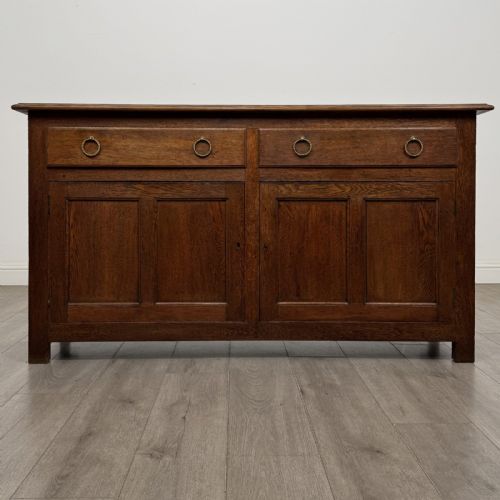
Beyond standard drawer units, buyers will discover specialised forms such as fall front writing bureaux, dresser bases, and cellarettes. Materials extend beyond standard hardwoods to include figured elm, satinwood, burr walnut, and yew wood, each paired with brass mountings appropriate to its period style.
Materials and Technique
Cabinet makers constructed these pieces using dense hardwoods such as mahogany, oak, walnut, and yew wood, frequently enhanced with decorative veneers like satinwood, burr walnut, and kingwood. Timber selection dictated the structural integrity and visual grain pattern of each drawer unit or cabinet.
Hardware played an integral role in construction, with brass handles, backplates, and campaign mounts screwed or pinned directly to timber drawer fronts and cabinet doors. Joinery methods relied on traditional hand-cut joints that accommodated the natural movement of solid wood over centuries.
Brass Handle Wooden Cabinet Retail Price Guide 2026
Typical asking prices for brass handle wooden cabinet among the pieces listed under this phrase on Sellingantiques today, from the lower quarter to the upper quarter. They describe what is for sale here now, not the wider market.
Some chests hide spirits under lock and key, proving that past generations took their portable cellars very seriously indeed.
Distinctions in Quality
Quality in a brass handle wooden cabinet rests on timber selection and the sophistication of its surface figuring, such as the depth of grain in burr walnut or figured elm. Superior examples exhibit harmonious veneer matching and timber choice across every drawer front and side panel.
The refinement of the hardware and cabinetry joinery further separates pieces across the range, distinguishing standard utility storage from high-style Georgian and Regency commissions. Subtle details in drawer construction and the integration of original brass pulls mark the upper tier of craftsmanship.
Harris Lebus·Mawer and Stephenson
The Brass Handle Wooden Cabinet Glossary
- Cellarette
- A lockable cabinet or box designed to hold bottles of wine or spirits. They often feature fitted wooden interiors and secure brass carrying handles.
- Bureaux and Desks
- Writing furniture featuring a sloping fall front that opens to reveal a fitted interior of small drawers and pigeonholes. They sit atop banks of supporting drawers.
- Tallboy
- A tall chest of drawers, typically consisting of one chest stacked upon a second deeper base chest. George III examples in walnut or mahogany are particularly noted.
- Bow Front
- A convex curved cabinet or chest front that swells outward in the centre. This curved facade is characteristic of Regency and late Georgian furniture design.
Brass Handle Wooden Cabinet: Frequently Asked Questions
How do I date a wooden cabinet?
Dating relies on observing timber choices, construction techniques, and hardware styles associated with specific periods like the Georgian or Victorian eras. Examining the drawer linings and interior woodwork often reveals period-specific manufacturing methods.
Changes in brass handle design and locking mechanisms also help narrow down the decade of production. Combining these physical clues with the overall style provides a reliable timeline for each piece.
What woods were used for these cabinets?
Cabinet makers predominantly utilised dense native and imported hardwoods including mahogany, oak, walnut, and yew wood. Decorative elements often incorporated finer veneers such as satinwood, burr walnut, and kingwood.
Secondary woods inside drawers and back panels frequently consisted of oak or pine depending on the region of manufacture. The grain and weight of these timbers define the physical character of each piece.
How were brass handles attached?
Brass handles were typically secured through holes drilled in the drawer fronts using threaded posts and nuts or wire pins. Backplates protected the surrounding wood from wear caused by frequent handling.
On earlier 18th Century pieces, pull plates and drop handles relied on simple pins, while later Victorian and Edwardian hardware introduced more standardised screw attachments.
Where were these cabinets placed?
These storage units served functional roles across domestic and professional spaces, from bedrooms and living quarters to offices and dining rooms. Chests provided wardrobe storage while specialised cabinets held documents, cutlery, or spirits.
Larger pieces like dresser bases stood in kitchens or dining halls, whereas compact filing units and cellarettes functioned as mobile or designated utility furniture.