
Brass Handle Vessel
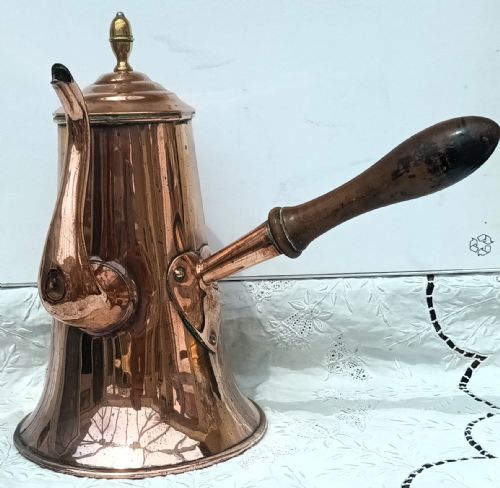
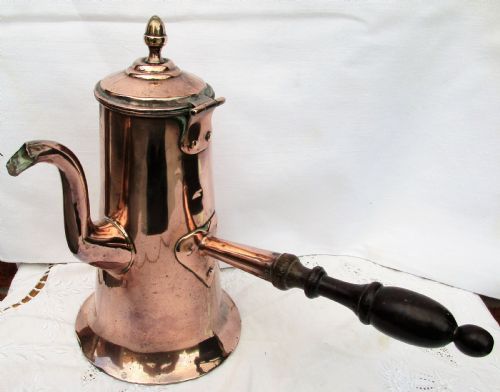
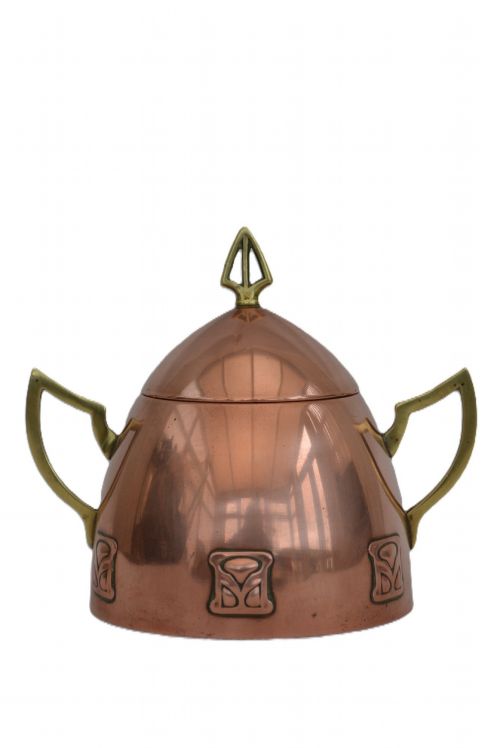
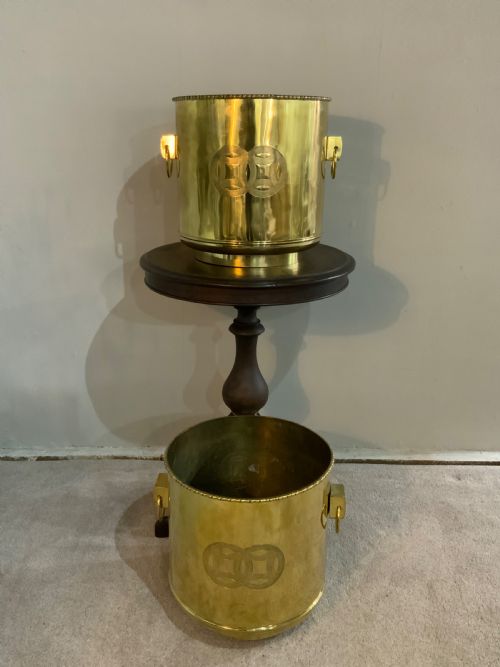
A brass handle vessel brings tactile metalwork into a room, joining utility with craftsmanship across centuries of domestic design.
Brass Handle Vessel
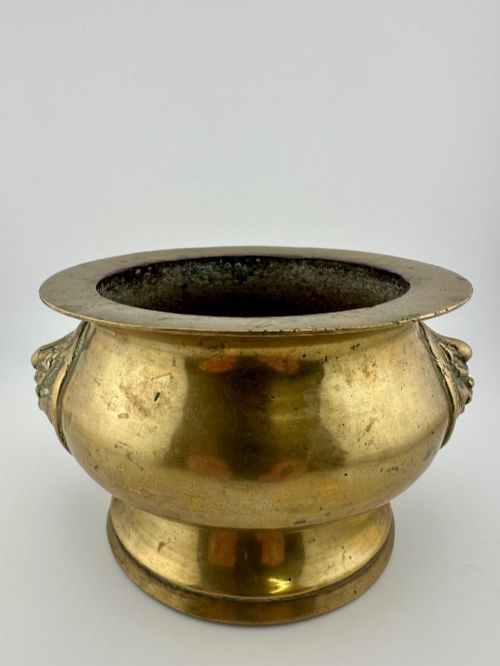
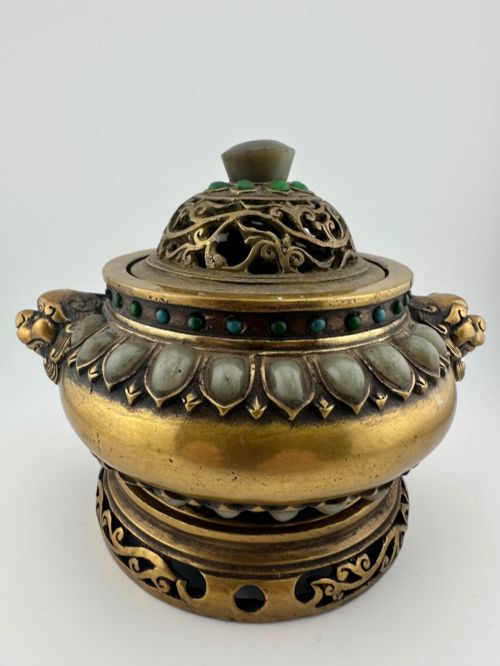
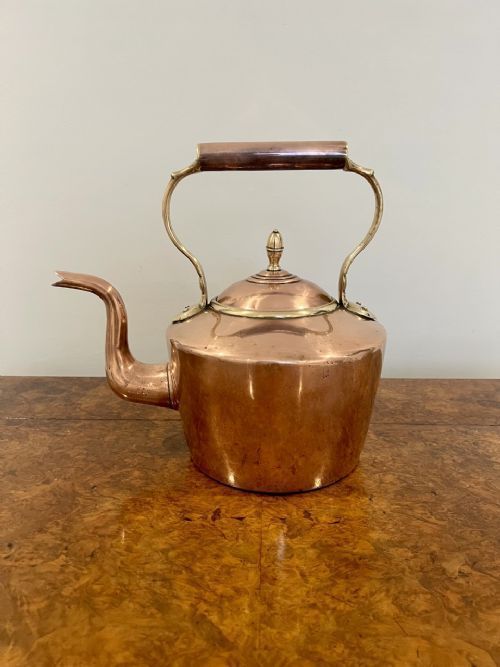
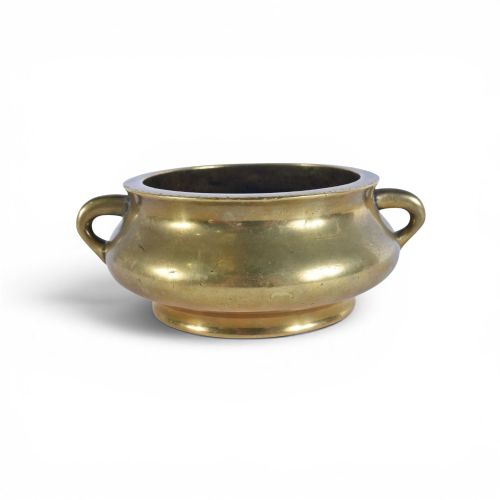
Vessels on this page emerge from distinct regional traditions, ranging from English Georgian hearth equipment to Chinese bronze and brass censers marked by the Qing Dynasty. You meet Dutch butter barrels, French trophy vases, and Indian Raj planters, each showing the specific material preferences of its origin. Metal combinations of copper and brass dominate the domestic utility forms, whilst bronze and brass define the ritual and decorative pieces.
Materials and construction
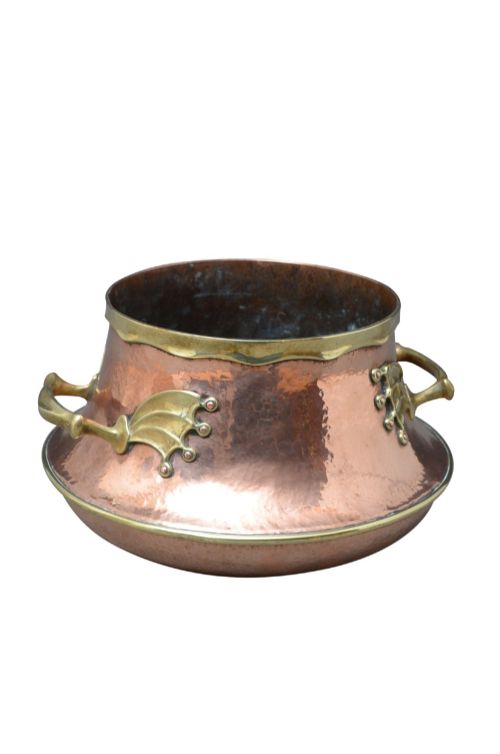
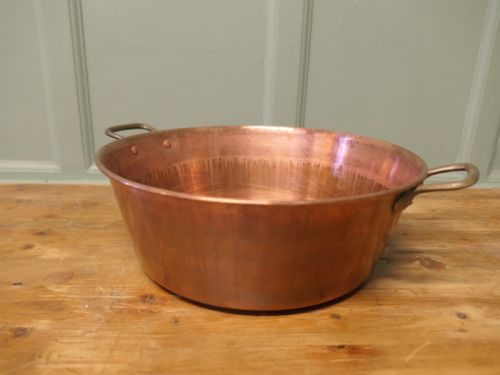
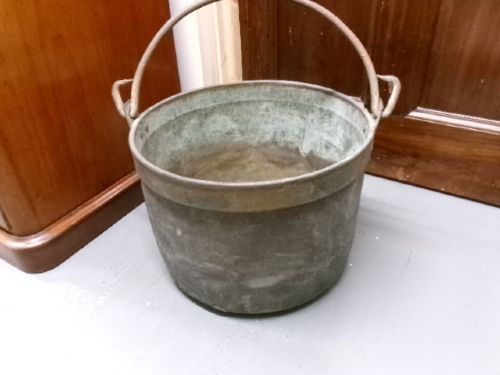
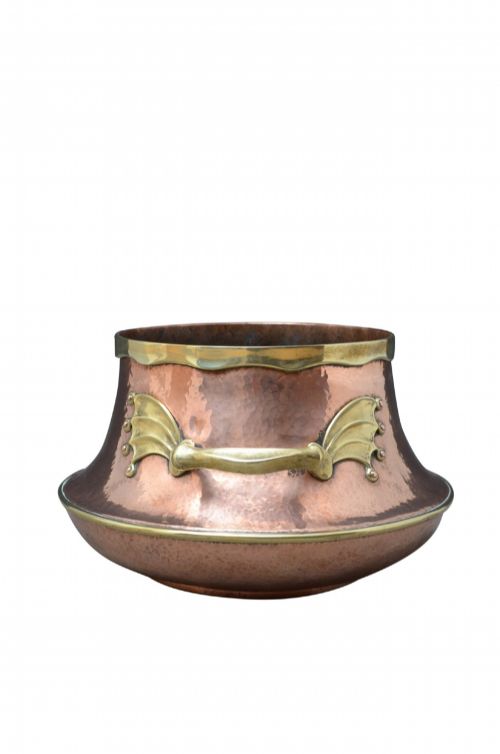
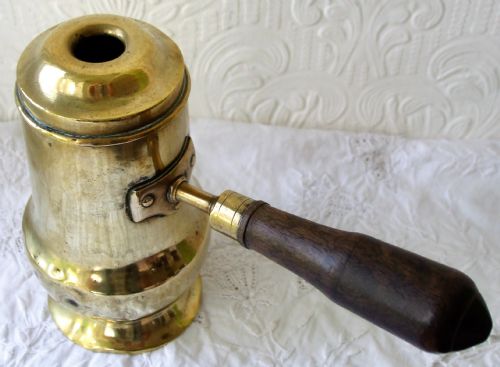
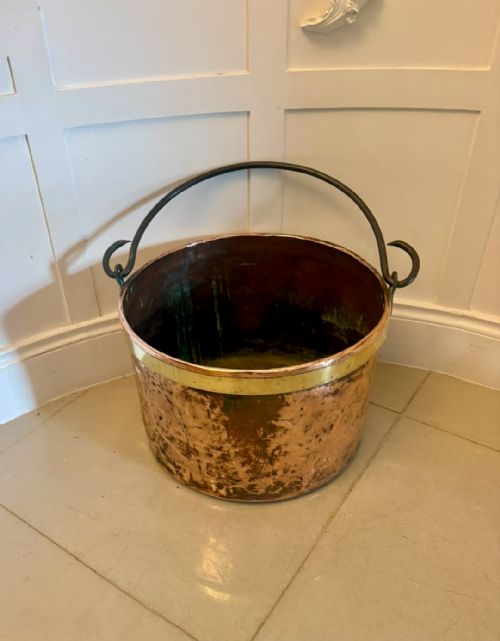
Makers formed these vessels primarily from sheet copper and cast or spun brass, often combining the two metals to contrast warm red tones with bright yellow highlights. Wrought iron, cast bronze, and coopered hardwood appear in specific structural roles, particularly for hoops, swing handles, and heavy bases. Artisans relied on hand-hammering, joining seams with dovetails or brazing, and turning on lathes to shape the metal bodies.
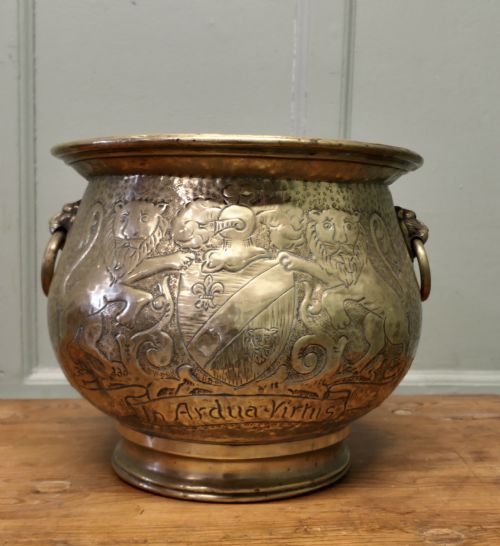
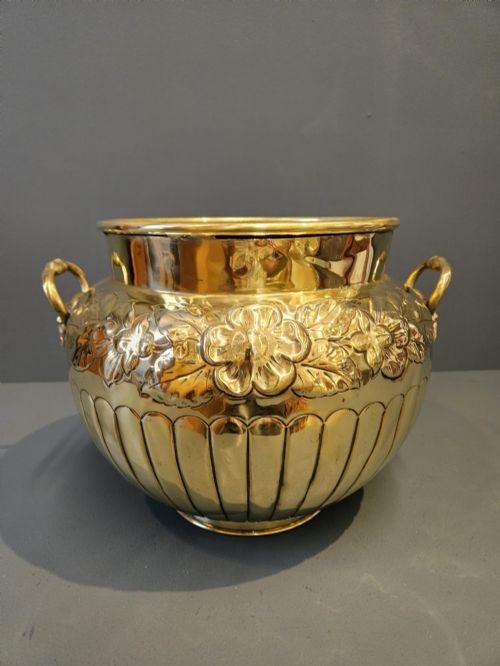
Decorative detailing on these items draws on diverse techniques such as surface engraving, hardstone inlay, and applied figural handles depicting lions, masks, or mythological motifs. Workshops utilised cast bronze for intricate censers and ewers, employing seal marks and applied shields to denote origin or quality. The integration of fixed or swing handles required robust riveting or soldering to support the weight of liquids or contents.
The collection spans the 18th, 19th, and early 20th centuries, covering Georgian, Victorian, Arts and Crafts, and Qing Dynasty aesthetics.
Judging quality in metal vessels
Quality rests in the weight of the metal gauge and the integrity of the construction, where thicker copper and substantial brass castings endure heavy use without distortion. Superior pieces display crisp hand-hammering marks, clean dovetail or brazed seams, and secure handle attachments that show no modern repairs. The refinement of cast details, such as lion mask handles or engraved botanical motifs, separates standard utility ware from pieces made for formal display.
Proportion and surface finish dictate the visual success of a vessel, distinguishing balanced Georgian kettles and Victorian urns from plain utilitarian containers. Original patination matters greatly, as undisturbed surfaces accrued over generations preserve the historical character of the metal. Makers known through documented stamps, such as William Soutter and Sons, add an extra layer of verifiable provenance.
William Soutter and Sons·WMF
The Brass Handle Vessel Glossary
- Jardiniere
- An ornamental pot or stand for holding plants or flowers. These items often feature twin handles and sit on interior tables or hearths.
- Samovar
- A heated metal container traditionally used to boil water for tea. Regency and Victorian examples frequently incorporate internal chimneys and tap spouts.
- Censer
- A vessel used for burning incense, commonly associated with Asian metalwork. Pieces from the Qing Dynasty often include intricate covers and tripod feet.
- Coopered
- Constructed from wooden staves bound together with metal hoops, much like a barrel. This technique appears in nineteenth-century butter barrels and log bins.
Brass Handle Vessel: Frequently Asked Questions
How were copper kettles used?
Copper kettles served to heat water over open hearths or kitchen ranges for daily domestic chores and tea preparation. Their heavy metal construction allowed them to withstand direct contact with fire.
Over time, these kettles transitioned from active kitchen equipment to decorative fireside accessories, displayed on hearths or hung from water urn brackets.
What is a jardiniere used for?
A jardiniere acts as an ornamental container designed to hold potted plants or cut floral displays within domestic interiors. Their brass and copper bodies protected tabletops and floors from moisture.
These vessels functioned as prominent decorative accents in Victorian and Edwardian reception rooms, bringing greenery indoors.
How do I clean brass and copper?
Maintaining these metals typically involves gentle dusting and occasional cleaning to remove active tarnish whilst preserving the historic patination. Scrubbing away the dark oxidation entirely is generally discouraged by collectors.
Using mild, non-abrasive metal cleaners protects the original surface finish and highlights the handmade construction marks.
How do I date an antique vessel?
Dating relies on examining manufacturing techniques, such as hand-hammering versus machine rolling, alongside structural fasteners like hand-cut rivets. Stylistic markers corresponding to Georgian, Victorian, or Arts and Crafts periods provide further context.
Maker marks, stamped seals, and material combinations help narrow the production era to specific decades or centuries.