


Brass Handle Mahogany Console
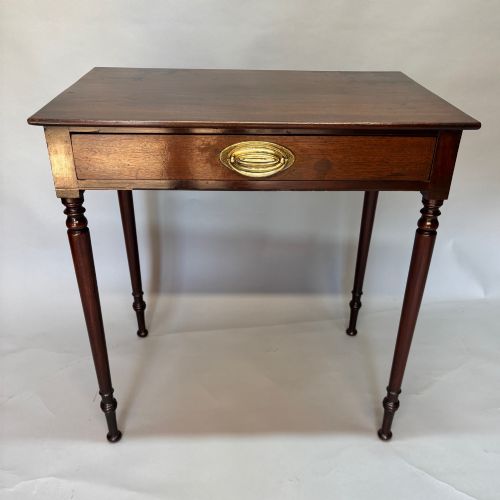
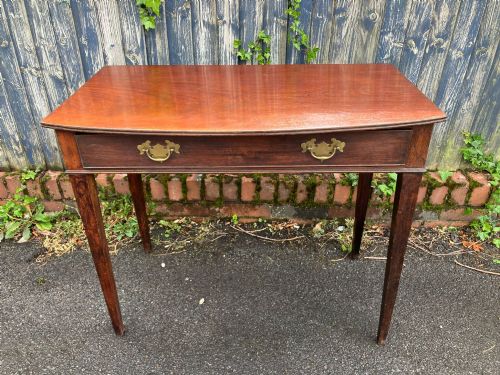
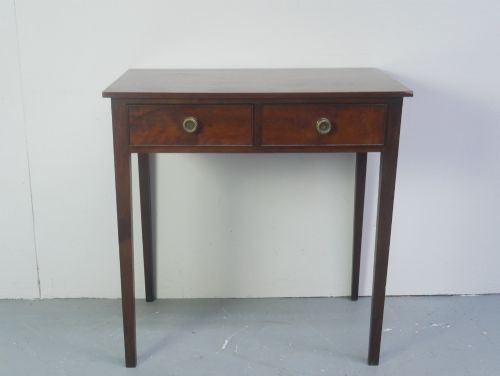
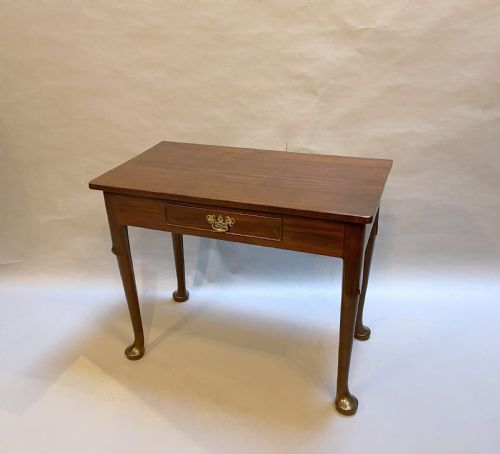
These brass handle mahogany console pieces are classic timber tables defined by rich dark grain and warm metal fittings, sought after for bringing understated traditional utility to hallways and reception rooms.
Brass Handle Mahogany Console
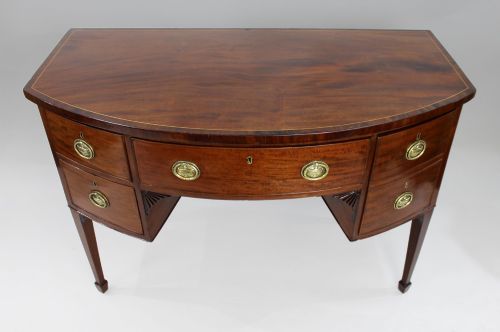
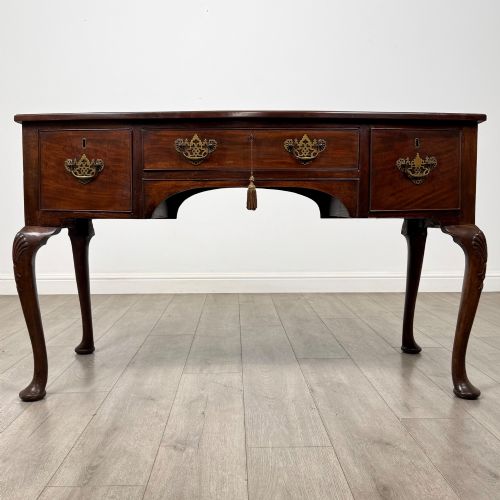
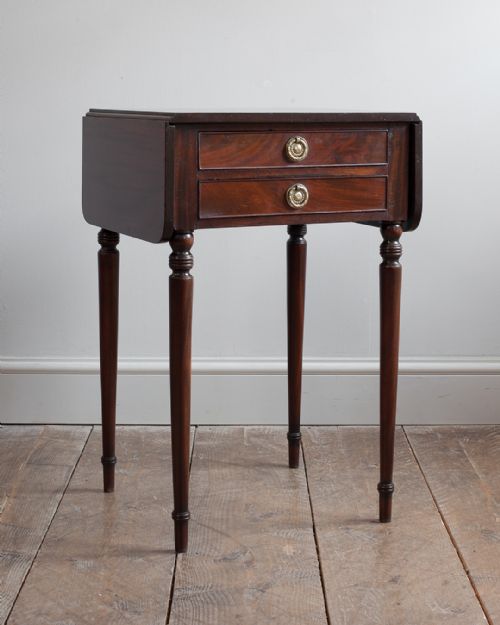
A brass handle mahogany console typically presents as a Georgian or Regency side table, serving table, or lowboy, designed with a narrow rectangular top to sit flush against a wall. The phrase encompasses versatile forms ranging from eighteenth-century drop-flap tea tables to Edwardian writing desks and revival pieces.
The most common version on this page is the Georgian side table or lowboy, featuring straightforward timber construction, modest drawer arrangements, and period brass drop handles or backplates. These tables bridge the gap between functional furniture and decorative hallway display pieces.
Materials and construction methods
Cabinet makers utilised dense, resilient timber for the main carcass, often complemented by contrasting stringing and banding in lighter woods like boxwood, satinwood, and dark ebony. This solid foundation allowed the timber to take a deep, lustrous polish that highlights the natural grain figures.
Original hardware consists of cast brass handles secured through the drawer fronts, paired with hand-cut dovetail joints on the drawer boxes. Secondary woods were selected for internal framing, while exterior surfaces relied on the choice mahogany planks characteristic of the period.
The listings span the eighteenth, nineteenth, and early twentieth centuries, uniting Georgian and Regency side tables with Edwardian writing desks and later revival pieces.
Distinguishing quality across periods
The upper tier of these tables is distinguished by the selection of figured mahogany veneers, crispness in the hand-cut joinery, and the retention of original brass furniture rather than later replacements. Finer examples display meticulous attention to proportion, balanced secondary wood use, and delicate inlay work that remains intact.
Lower-tier or later revival pieces often rely on simpler structural frames, heavier proportions, and replaced hardware that lacks the patina of age. The depth of the timber's finishing and the precision of the drawer construction separate standard utility tables from exceptional cabinet work.
The Brass Handle Mahogany Console Glossary
- Lowboy
- A small table with drawers, commonly standing on four legs, used historically as a dressing table or side table. These pieces often feature multiple small drawers beneath a polished top.
- Bow front
- A convex curved front contour on a cabinet or table. This shaping softens the rectangular profile of the furniture.
- Stringing
- Thin inlay lines of contrasting wood used to outline drawer fronts and table edges. It provides a crisp border to the darker mahogany background.
- Drop flap
- A hinged leaf on a table top that can be raised and supported to increase surface area. This mechanism allowed tables to function compactly when folded down.
Brass Handle Mahogany Console: Frequently Asked Questions
Where should I place a mahogany console?
These narrow tables suit entrance halls, narrow corridors, and reception rooms where floor space is limited. Their shallow depth allows them to sit neatly against a wall without obstructing movement.
They also function effectively beneath a mirror or artwork, providing a surface for lamps, correspondence, and decorative objects in a traditional interior layout.
How do I care for antique mahogany?
Maintain the timber by keeping it away from direct heat sources and strong sunlight, which can dry out and fade the wood over time. Regular dusting with a soft, dry cloth preserves the polished surface.
Apply a traditional wax polish sparingly when the wood appears dry, buffing gently to maintain the natural sheen without building up heavy layers of residue.
Are these tables sturdy enough for daily use?
Period tables were built using traditional joinery such as dovetailing and tenons, making them structurally robust for everyday placement. They handle items like lamps and decorative bowls securely.
Avoid overloading drawers or placing excessive weight on extendable leaves, as older mechanisms benefit from gentle handling rather than heavy industrial loading.
How can I tell a Georgian piece from a later revival?
Examine the construction methods inside the drawers and beneath the top frame for signs of hand-cut joints, timber shrinkage, and period-appropriate tool marks. Eighteenth-century pieces display specific patination and structural quirks absent in later copies.
Revival pieces from the Edwardian era often feature more uniform machine tooling, standardised screws, and a cleaner, less oxidized internal timber colour.