
Brass Hallway Umbrella Holder
A brass hallway umbrella holder brings polished metal and sturdy utility to an entrance, keeping wet canes and walking sticks neatly organised.
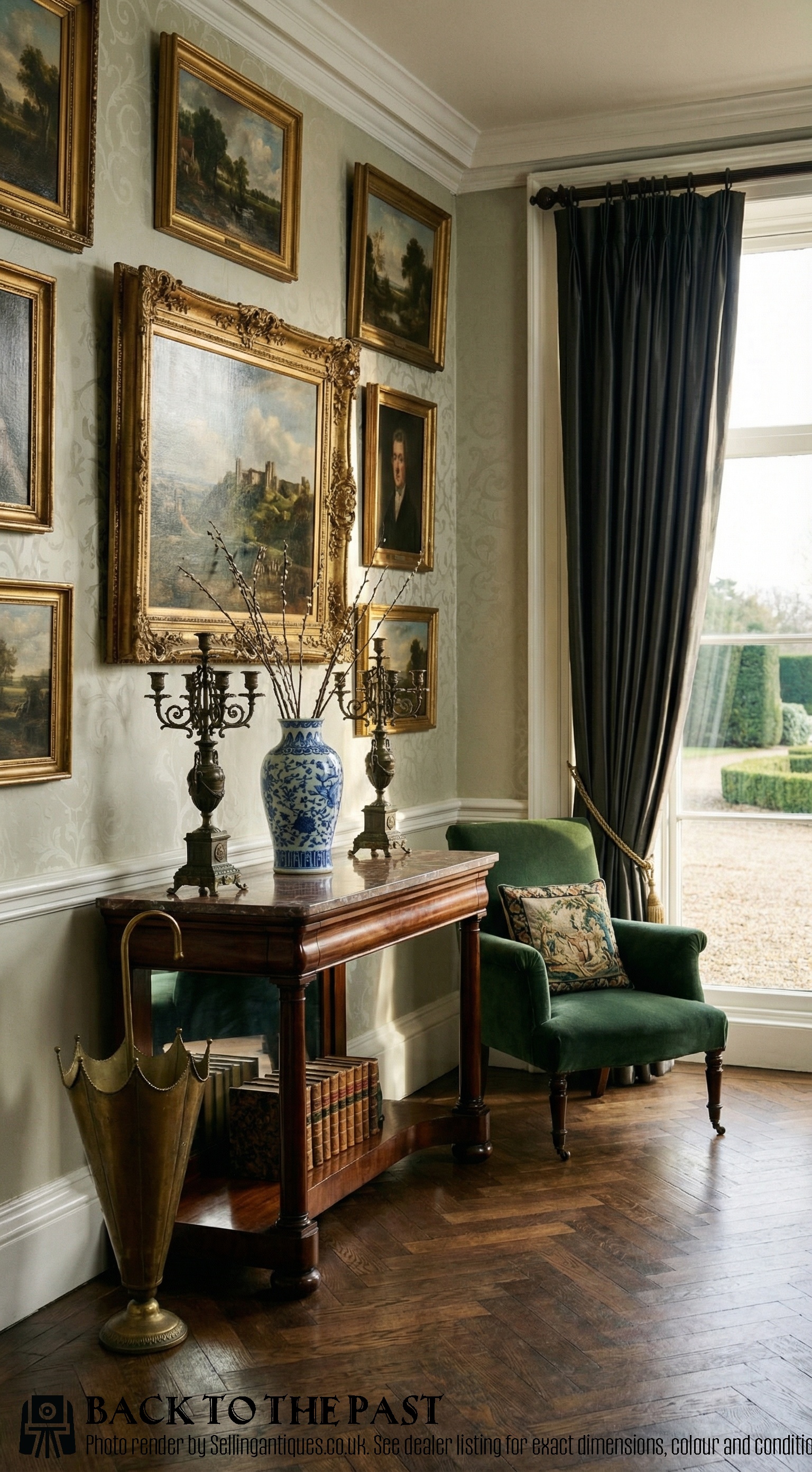
Brass Hallway Umbrella Holder
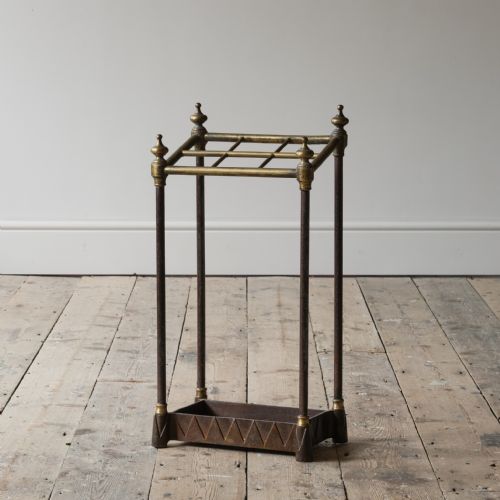
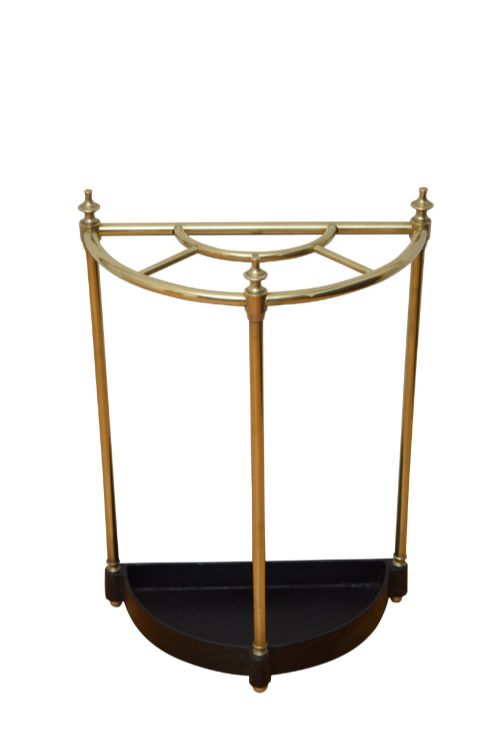
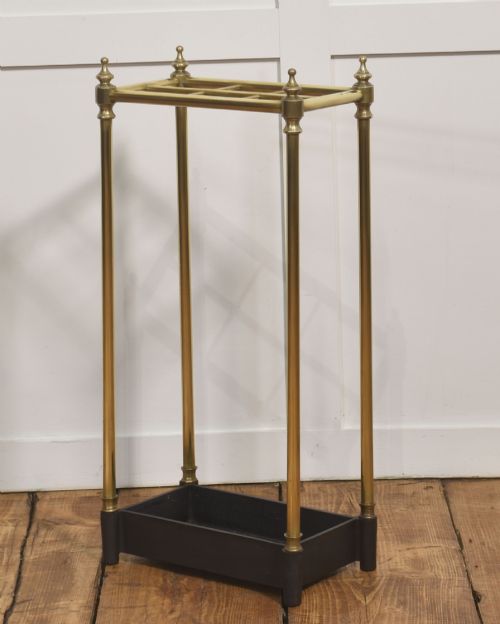
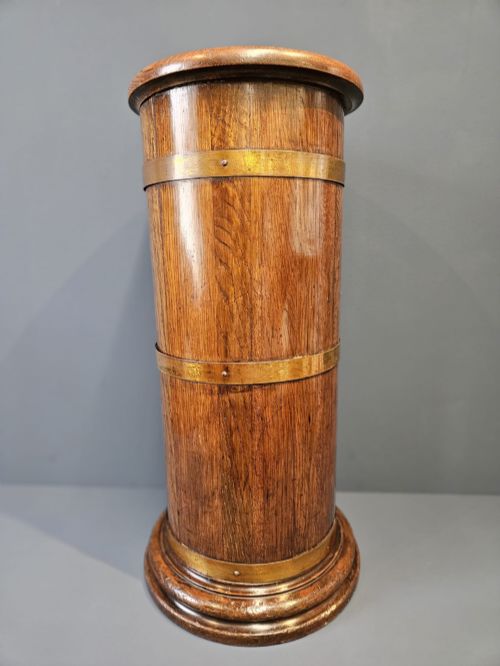
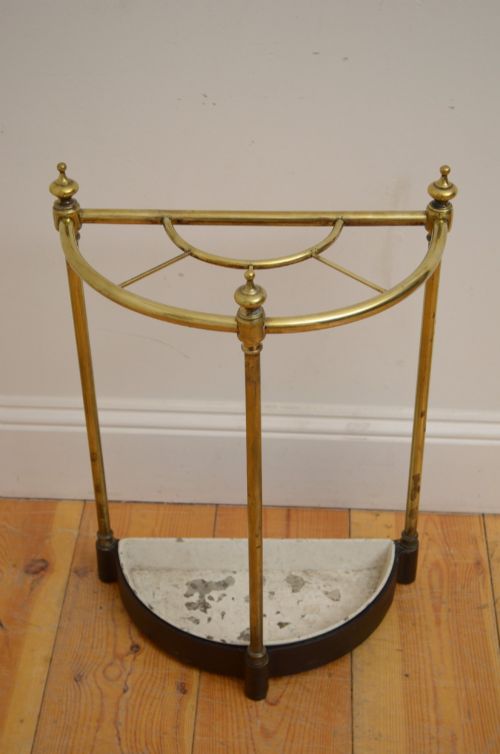
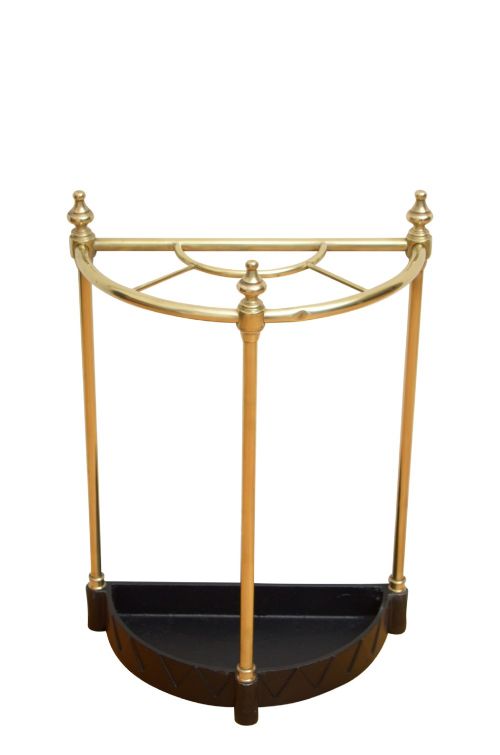
A brass hallway umbrella holder spans utilitarian hall furniture from the Victorian and Edwardian periods, appearing alongside later 20th-century examples. Buyers searching this phrase most commonly encounter freestanding half-moon, demi-lune, and cylindrical barrel forms designed to sit flush against an entrance wall.
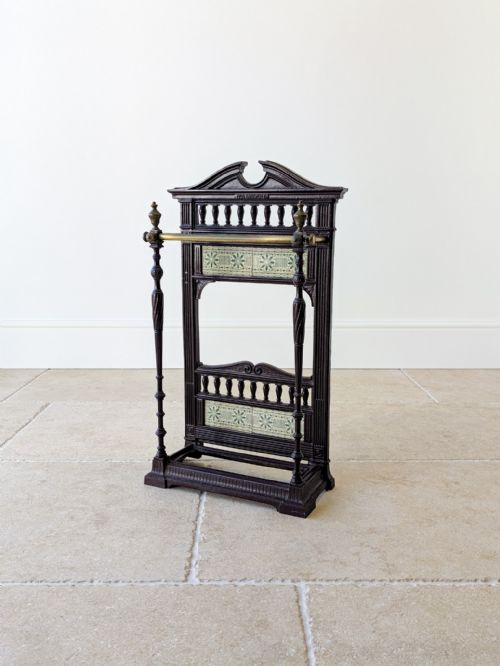
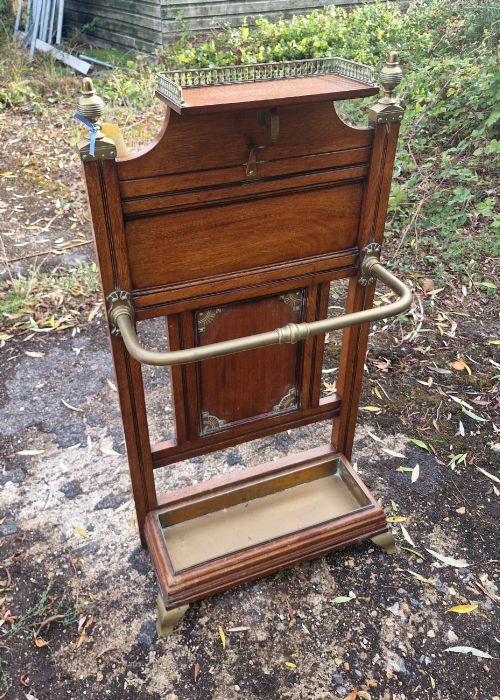
The evidence shows these objects recorded variously as umbrella stands, stick stands, and walking cane holders, often incorporating sturdy frames of cast iron, oak, or mahogany alongside gleaming metal panels. English country house and traditional aesthetic movements heavily influence the styles found in these functional hallway pieces.
Materials and Technique
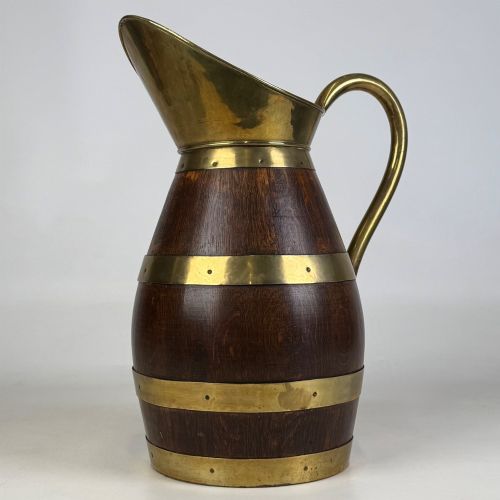
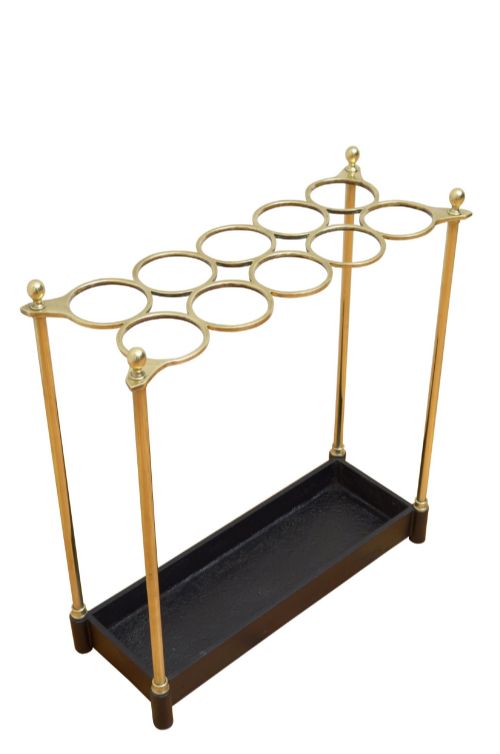
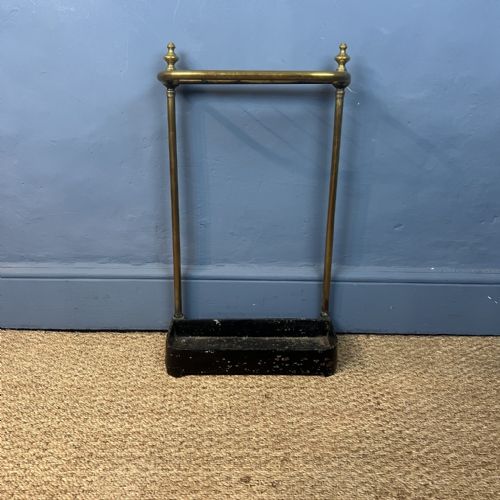
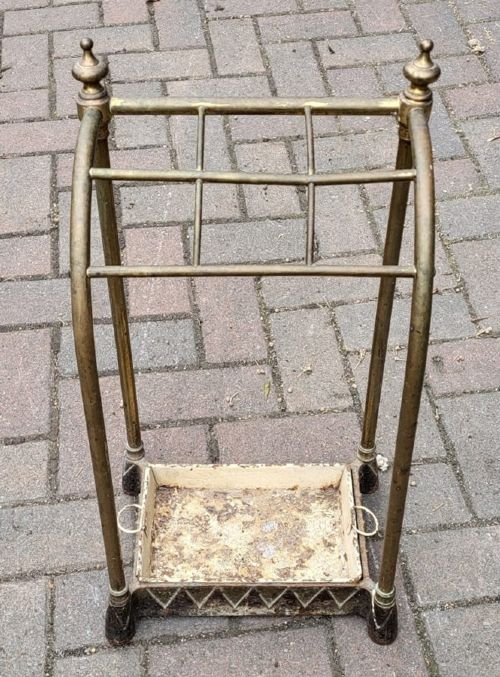
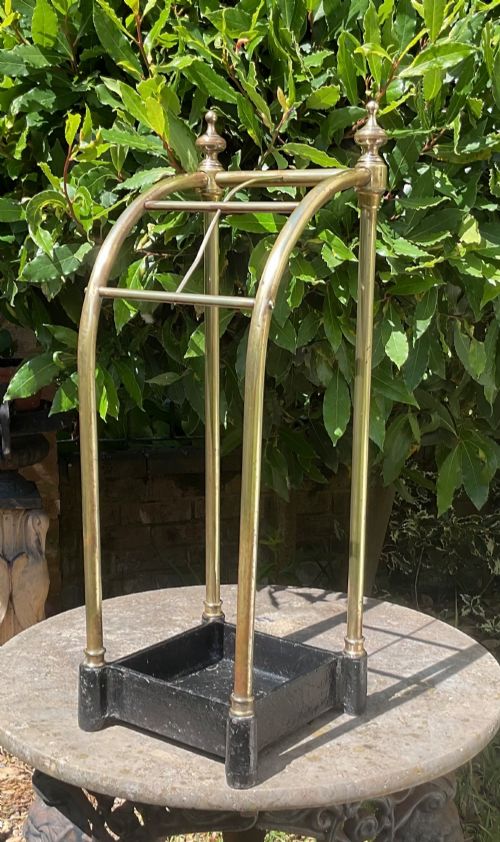
Makers constructed these hallway pieces using sheet brass, cast iron bases, and coopered timbers such as oak and mahogany secured with metal bands. Many examples feature decorative ball finials, bun feet, and dog-tooth drip trays designed to catch moisture from wet umbrellas.
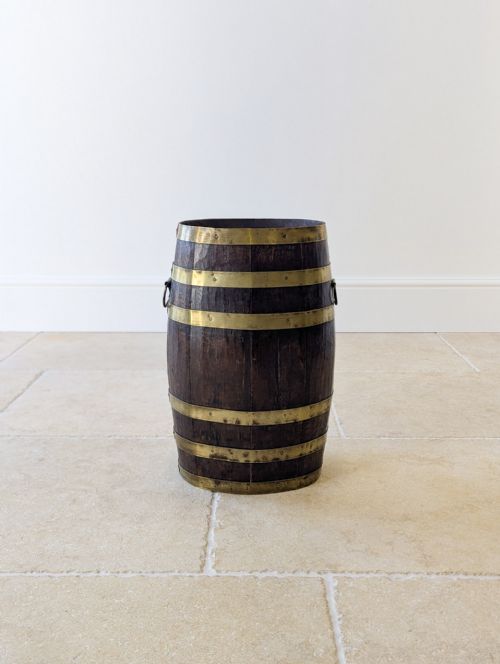
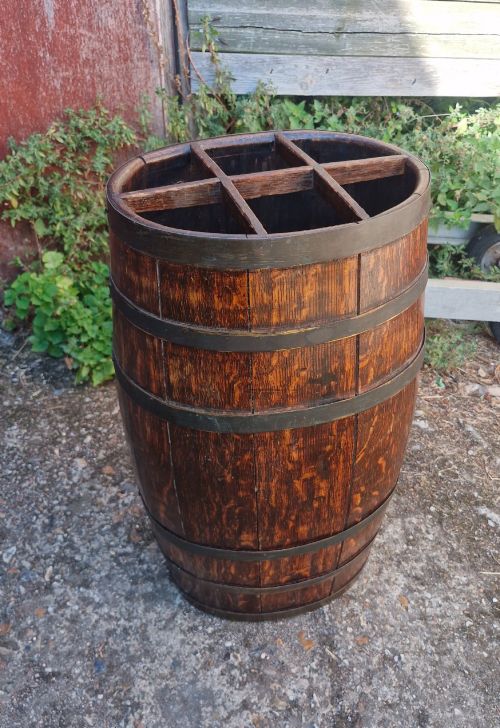
Woodworking techniques such as coopering formed cylindrical and oval barrels from individual staves held tightly by brass braces, while metalwork shops cast heavy iron weights to prevent tipping when holding heavy walking sticks.
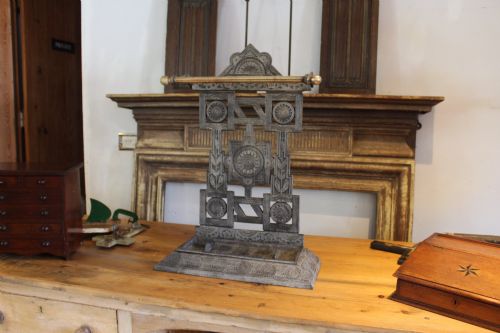
Several stands proudly display the English coat of arms, ensuring even your dripping brollies receive royal backing.
Judgments of Quality
Quality rests in the weight of the casting, the crispness of decorative finials, and the integrity of the original drip tray at the base. Superior examples display robust gauge brass and tight coopered joints in the wooden barrels.
Refinement appears in thoughtful design details like demi-lune profiles that save hallway space and the retention of maker attributions or distinct period motifs from workshops like Coalbrookdale.
Coalbrookdale·Thomas Jeckyll·Shoolbred
The Brass Hallway Umbrella Holder Glossary
- Demi-lune
- A half-moon shape allowing a stand to sit flat against a hallway wall. This profile maximises floor space in narrow entrance halls.
- Coopered
- Wood construction made from staves bound together with metal hoops, similar to barrel making. This technique provides structural strength for wooden umbrella barrels.
- Drip tray
- A removable metal basin placed at the bottom of a stand to catch water from wet umbrellas. It protects hallway flooring from moisture damage.
- Finial
- A decorative ornament topping the vertical supports or corners of a stand. These brass details often feature spherical or cast floral designs.
- Aesthetic Movement
- A late 19th-century design style prioritising visual beauty over narrative meaning. Pieces from this movement often display refined industrial metals and clean lines.
Brass Hallway Umbrella Holder: Frequently Asked Questions
How do I clean a brass umbrella holder?
Use a soft cloth to remove dust and light grime from the metal surface.
Avoid harsh chemical abrasives that strip the aged patina built up over decades of use.
Where should I place a demi-lune stand?
Position the flat side directly against a hallway or entrance wall to save valuable floor space.
This placement keeps wet walking sticks close to the door without obstructing pathways.
How do I tell Victorian stands from Edwardian ones?
Victorian examples often feature heavier cast iron components and more ornate decorative brass finials.
Edwardian and later pieces frequently lean towards simpler geometric shapes and lighter timber pairings.
What is the purpose of the drip tray?
The tray collects rainwater running down the shafts of wet umbrellas.
Removing and emptying this metal basin prevents pooling water from damaging wooden floors or rusting the base.