

Brass Hallway Pendant
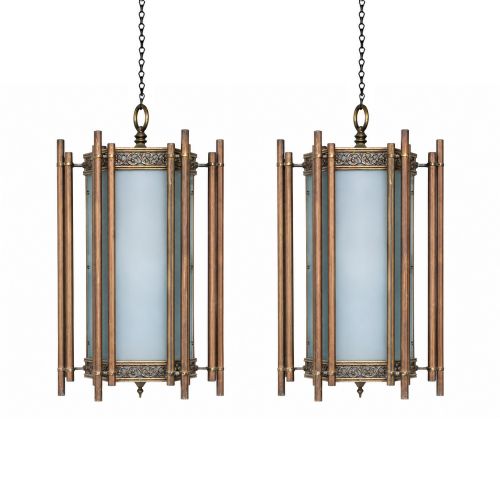
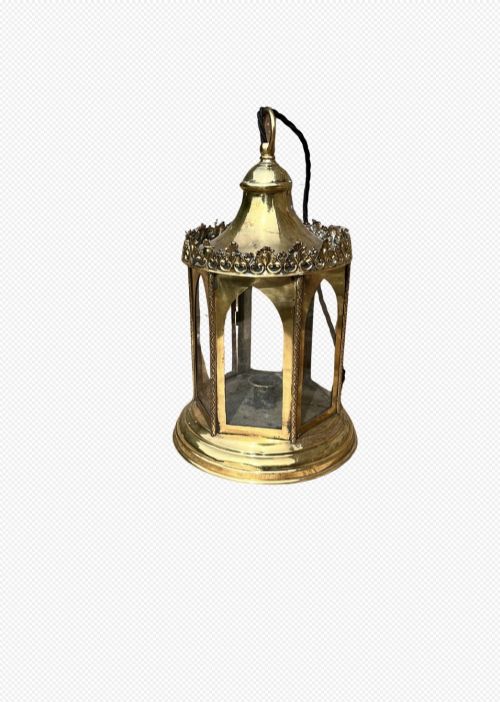
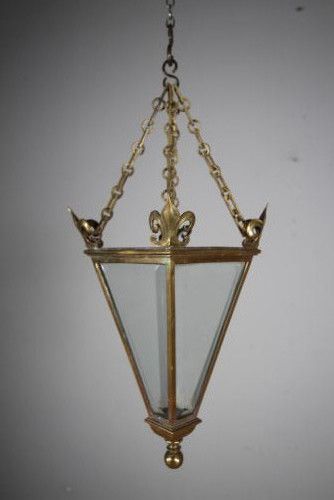
A brass hallway pendant offers a welcoming light for entryways, combining structural metalwork with glass to brighten narrow spaces with period character.
Brass Hallway Pendant
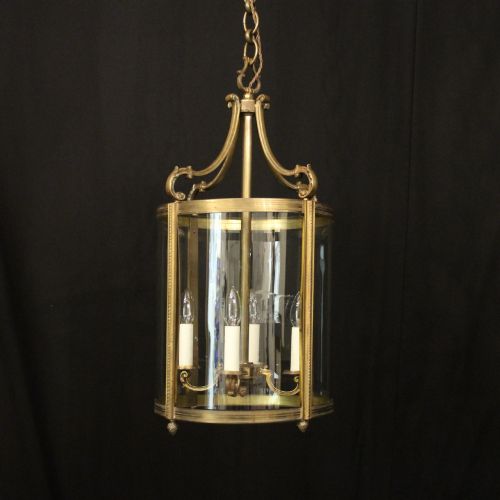
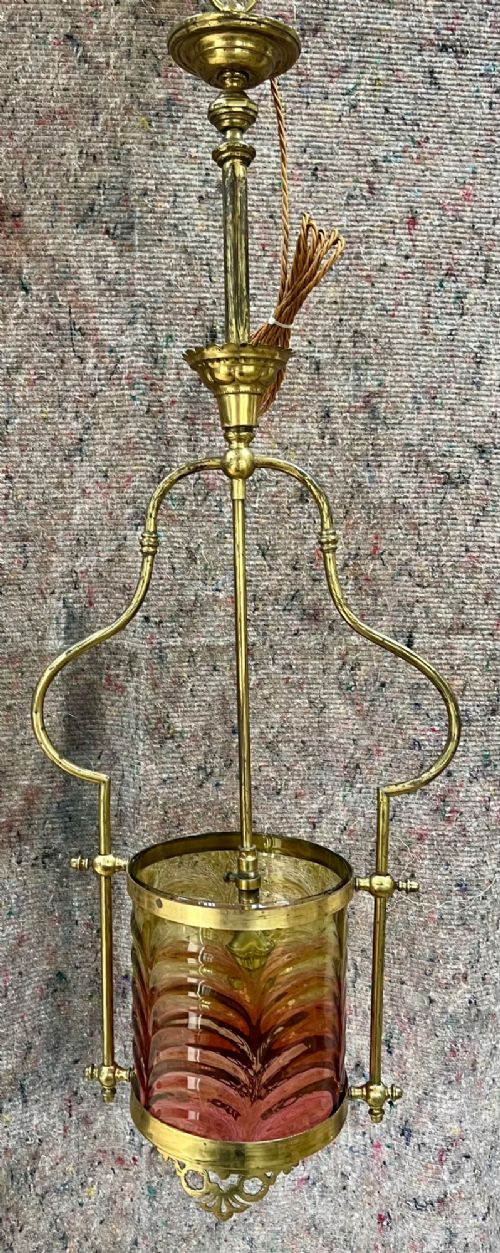
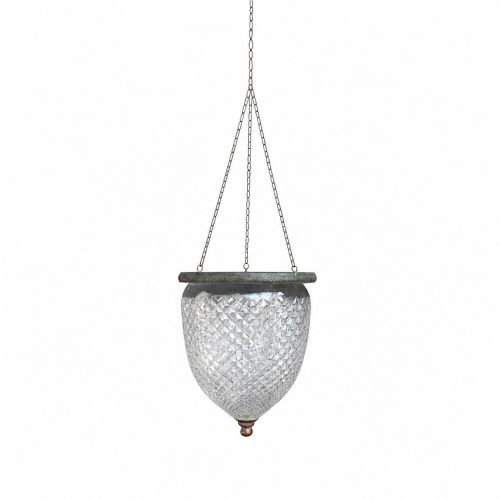
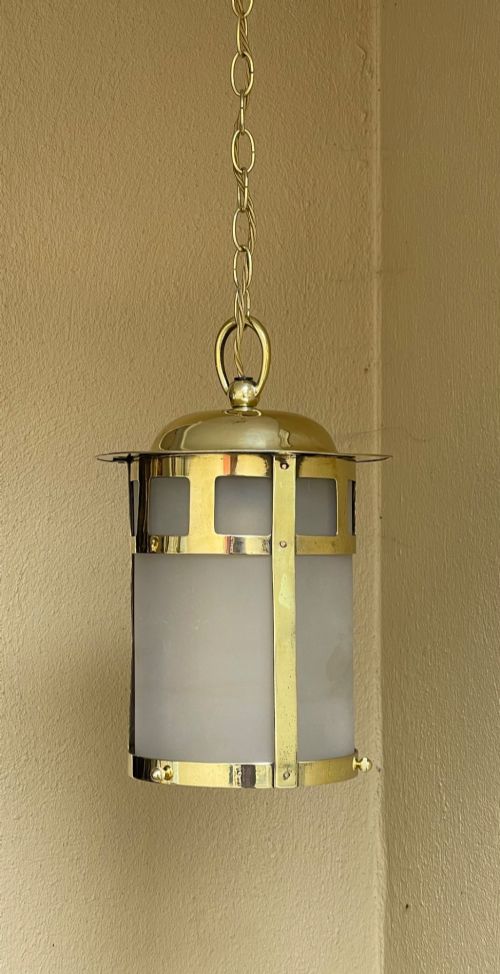
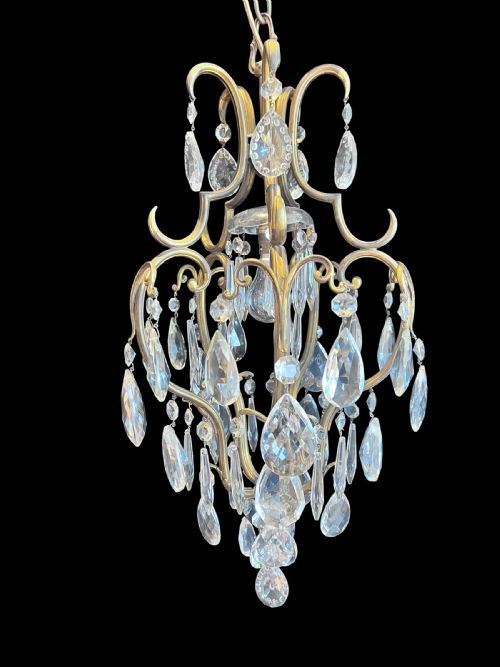
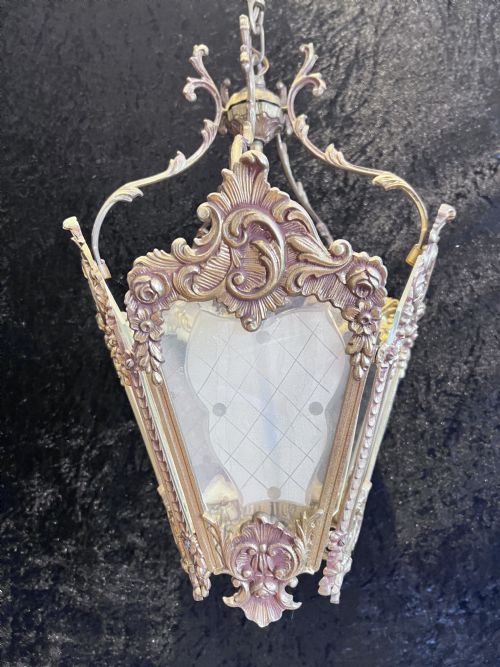
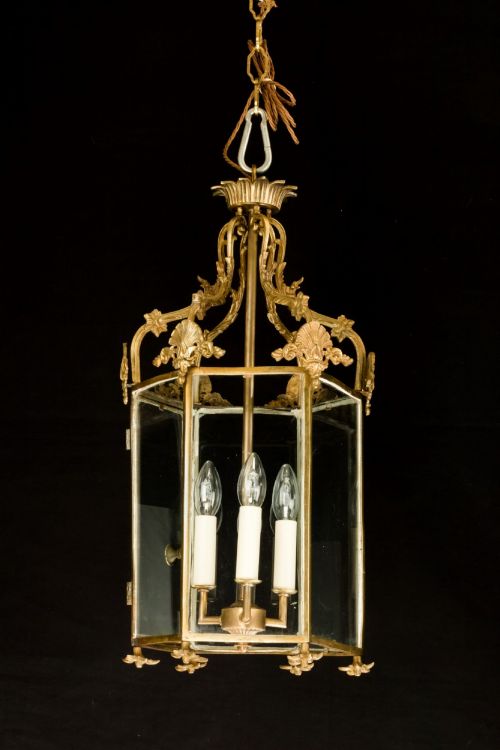
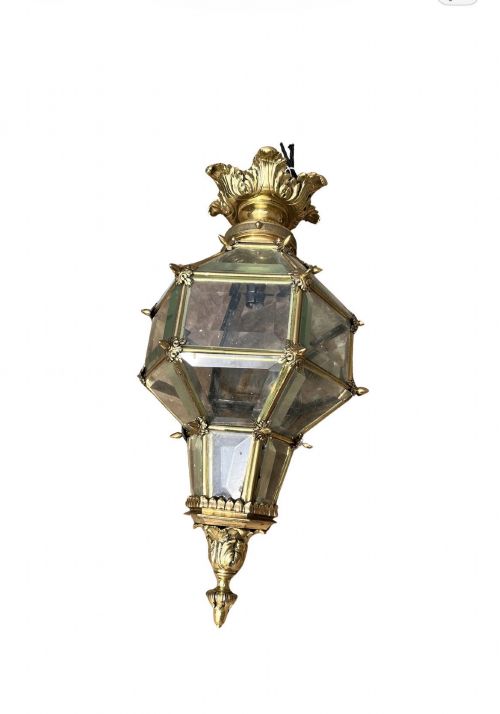
When searching for a brass hallway pendant, buyers encounter a diverse selection of ceiling lights, hanging lanterns, and compact chandeliers designed specifically for entrance spaces. The options span the Victorian, Edwardian, and Art Deco periods, alongside French styles such as Rococo, Louis XVI, and Chateau.
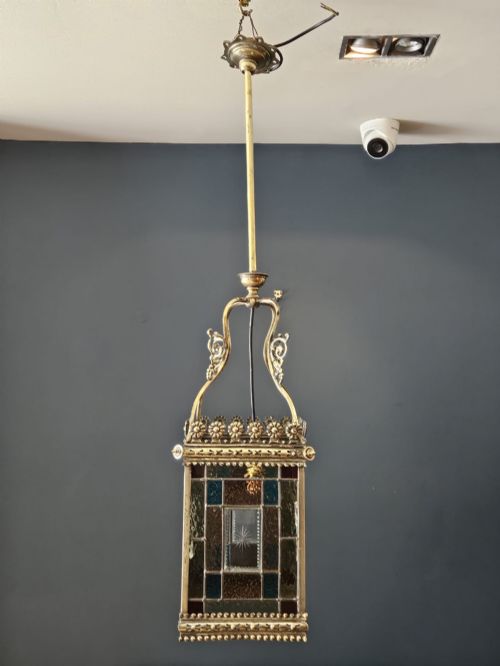
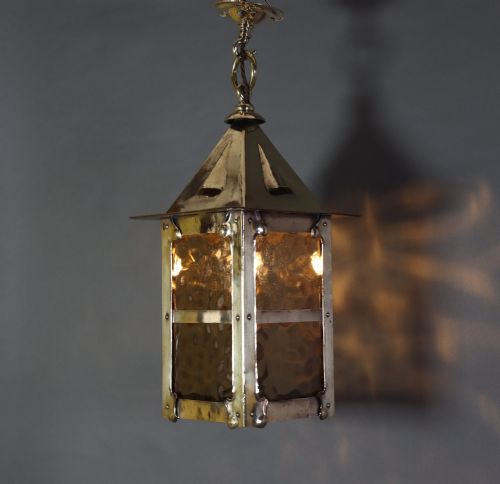
The most common formats on this page are brass-framed hanging lanterns and glass ceiling fittings dating from the late nineteenth century through to the 1930s. These pieces originate from British, French, and American workshops, utilising enclosed or open metal frameworks to house internal light sources.
Materials and construction
Makers constructed these fixtures using cast or sheet brass, often combined with bronze or gilt bronze for decorative mounts and frames. Structural elements frequently incorporate leaded glass, frosted glass, cut glass crystal, or moulded glass panes secured within the metal framework.
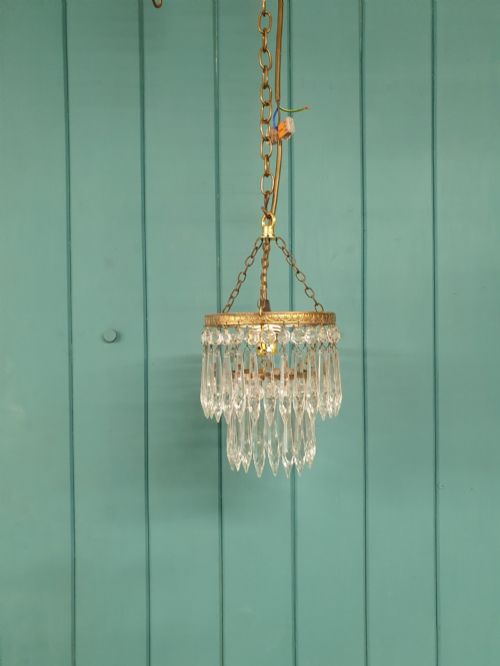
Craftsmen utilised soldering, riveting, and casting techniques to assemble the metallic components, integrating decorative motifs ranging from geometric Art Deco lines to flowing Art Nouveau curves. Smaller details include cut glass spikes, beaded crystal garlands, and opaline glass shades.
Listings feature brass hallway pendants spanning from the mid-nineteenth century through the 1930s, incorporating cut glass, crystal, and bronze.
Distinctions in quality
Quality in these pendants rests upon the weight and thickness of the brass casting, the precision of the metal joints, and the clarity of the glass elements. Heavier frames with crisper chased or moulded details represent superior manufacturing standards compared to lighter, stamped alternatives.
The integration of hand-cut crystal prisms, heavy leaded glass panels, and original patinated bronze finishes distinguishes higher grade examples. Fine proportional balance and sophisticated stylistic adherence, such as detailed neo-classical or Arts and Crafts execution, elevate individual pieces.
The Brass Hallway Pendant Glossary
- Plafonnier
- A ceiling-mounted light fitting that sits flush or close to the ceiling surface rather than hanging on a long suspension chain.
- Bag chandelier
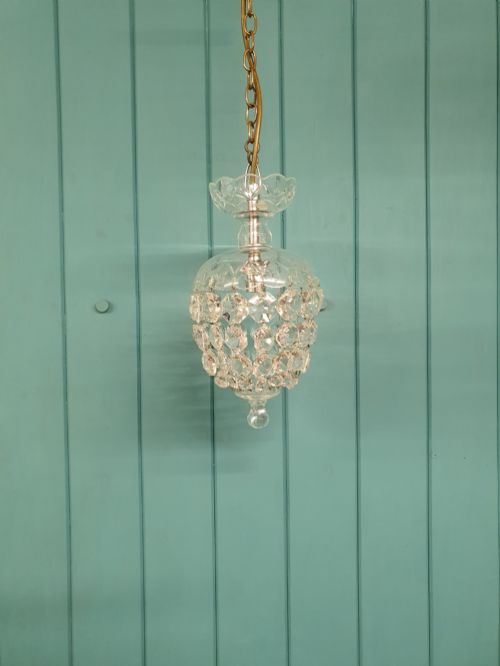
- A small chandelier featuring a lower rounded bag of hanging crystal prisms suspended beneath the central brass ring.
- Opaline glass
- A milky, translucent glass popular in twentieth-century lighting for diffusing illumination softly without glare.
- Gilt bronze
- Bronze metal treated with a thin layer of gold or gold-coloured alloy to impart a bright, reflective surface finish.
- Lead glass
- Heavy glass containing lead oxide, prized for its high refractive index which increases sparkle when cut into crystals.
Brass Hallway Pendant: Frequently Asked Questions
How do I choose the right size pendant for my hallway?
Consider the ceiling height and floor area of the entryway to ensure proportional balance. Compact rooms suit small dome top fixtures or tight bag chandeliers.
Larger spaces accommodate substantial hanging lanterns or multi-light chandeliers without overwhelming the corridor proportions.
Were these lanterns originally designed for gas or electricity?
Many surviving examples from the nineteenth and early twentieth centuries were originally configured for gas or oil lighting before later conversion to electricity. Some carry evidence of early wiring updates or original burner assemblies.
Modern buyers often rely on professional rewiring to ensure contemporary safety standards while retaining the original metal and glass housing.
How can I tell an Edwardian pendant from a Victorian one?
Victorian pieces frequently display heavier cast brass work and coloured or heavily textured glass panels suited to formal nineteenth-century interiors. Edwardian designs often lean towards lighter brass frames, clear leaded glass, and simpler geometric or transitional motifs.
Subtle shifts in decorative vocabulary, such as the introduction of early Arts and Crafts simplicity, help separate the two eras.
Can I hang a French hall lantern in a modern interior?
French styles like Louis XVI or Art Deco introduce sculptural bronze and cut glass elements that contrast effectively against minimalist modern backgrounds. Their distinct silhouettes function as focal points in contemporary spaces.
Proper suspension height remains essential to maintain clearance while allowing the decorative glass and metalwork to catch natural and artificial light.