




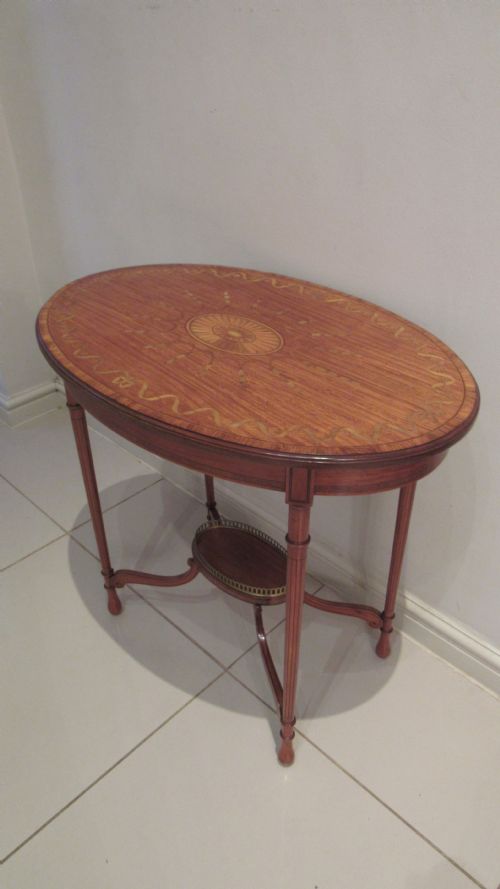
Brass Gallery Console Table
A brass gallery console table brings refined metalwork and classic timber together, offering a surface that suits both hallway and drawing room.
Brass Gallery Console Table
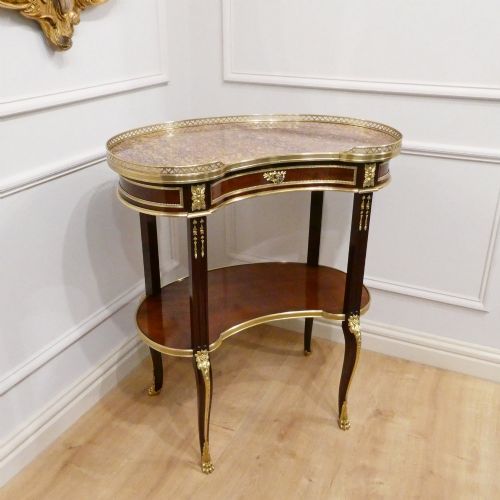
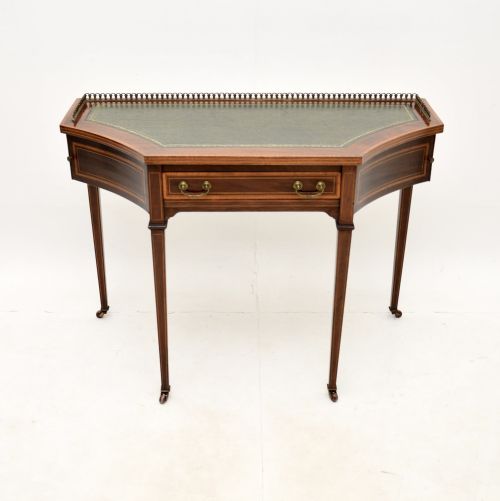
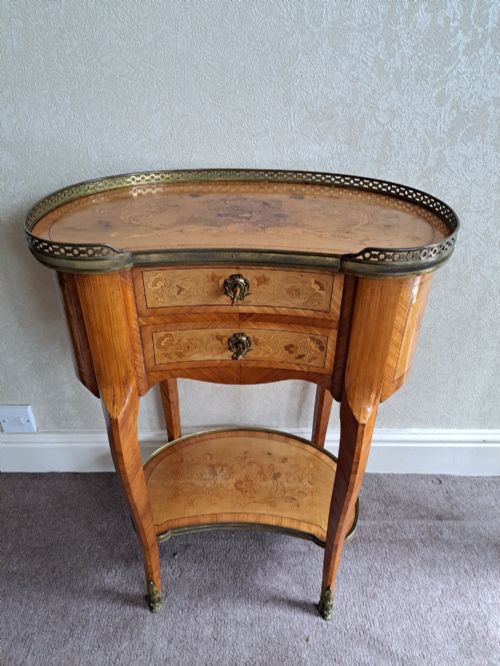
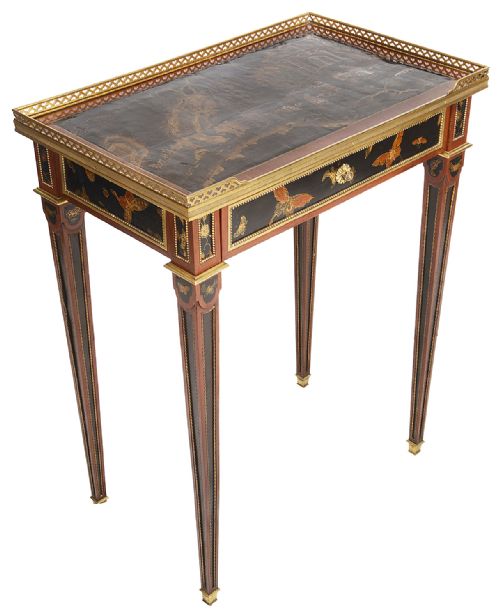
A brass gallery console table combines a functional timber top with a protective raised metal rail, appearing across periods from the Georgian era through the Edwardian years. These pieces typically manifest as side tables, serving tables, and occasional furniture rather than dedicated writing desks.
The materials span mahogany, satinwood, rosewood, and walnut, often enhanced by inlay, leather, or marble inserts. Pieces assigned to Regency, Edwardian, and nineteenth-century periods dominate the selection, showing distinct regional tastes including Irish and French influences.
Makers and workshops range from notable French creators to British cabinet makers, utilising gilt bronze alongside traditional brass work. The form serves primarily as a decorative yet practical surface for display against a wall.
Construction and materials
Cabinet makers constructed the primary carcase using dense timbers such as mahogany, rosewood, and satinwood, frequently applying intricate inlay work to the surfaces. Walnut and painted finishes also appear, reflecting the aesthetic preferences of the nineteenth and early twentieth centuries.
The signature brass gallery is secured around the perimeter of the marble or timber top, often paired with gilt bronze mounts on French examples. Leather inserts and lacquered Chinoiserie surfaces demonstrate the diverse decorative techniques employed by period workshops.
Brass Gallery Console Table Retail Price Guide 2026
Typical asking prices for brass gallery console table among the pieces listed under this phrase on Sellingantiques today, from the lower quarter to the upper quarter. They describe what is for sale here now, not the wider market.
Listings feature pieces from the Georgian, Regency, and Edwardian periods, utilising mahogany, satinwood, rosewood, and marble.
Judging quality and execution
The refinement of the timber grain and the precision of the inlay dictate the visual standard of the piece. Dense, well-figured mahogany or richly patinated rosewood elevates a table above simpler constructions.
The casting and crispness of the brass gallery itself reveal the maker's hand, where solid, neatly fitted rails surpass thin or loosely attached substitutes. Harmonious proportions between the timber base and the metal superstructure separate standard utility furniture from finer artistic production.
Maison Millet·Mack Williams And Gibton
The Brass Gallery Console Table Glossary
- Brass gallery
- A low raised railing of brass fitted around the edge of a table top to prevent items from sliding off. This metal rim defines the specific character of the furniture type.
- Console table
- A table designed to stand against a wall, frequently secured to it or supported by front legs. These tables often served decorative functions in grand halls and drawing rooms.
- Serving table
- A large rectangular table used traditionally in dining spaces for food preparation or service. Many surviving examples feature robust timber construction and elegant leg styling.
- Satinwood
- A light-coloured, lustrous timber prized for cabinet making, particularly during the eighteenth and nineteenth centuries. It provides a striking contrast when used for banding and marquetry.
- Gilt bronze
- Copper alloy treated with a gold coating, frequently termed ormolu in French pieces. It supplies decorative mounts and accents to high-status furniture.
Brass Gallery Console Table: Frequently Asked Questions
What is a brass gallery?
A brass gallery is a protective metal railing fixed to the perimeter of a table top. It keeps decorative objects secure while adding a distinct metallic accent to the timber surface.
Such galleries are characteristic of finer side and serving tables from the Georgian and Regency periods.
Where should I place a console table?
These tables sit flat against a wall, making them ideal for hallways, corridors, and living room perimeters. Their shallow depth ensures they do not obstruct walking space while offering a useful display surface.
They pair well with mirrors or paintings hung directly above them.
How do I identify a Regency table?
Regency pieces often feature dark, rich timbers like mahogany and rosewood, sometimes accented with gilt bronze mounts. The design vocabulary draws on classical antiquity and Empire styles.
Proportions tend to be strong and architectural, reflecting the early nineteenth-century aesthetic.
What is the difference between a side table and a console table?
Side tables generally stand freely on four legs and can be moved around a room as needed. Console tables traditionally rely on wall support or specific bracket feet, though modern usage often overlaps the terms.
Both serve similar decorative and surface functions in period interiors.