


Brass Foyer Chandelier
A brass foyer chandelier brings immediate warmth and formal presence to an entranceway, drawing the eye upward with polished metal and glass.
Brass Foyer Chandelier
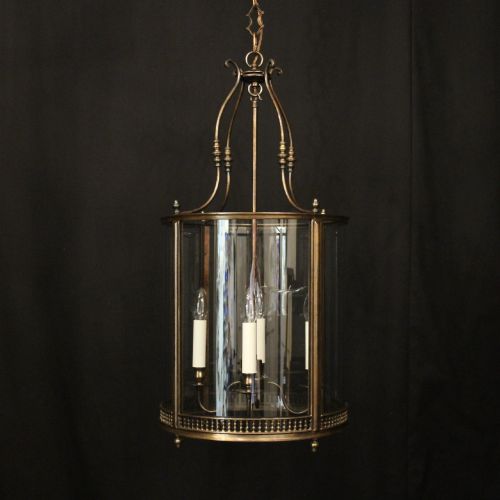
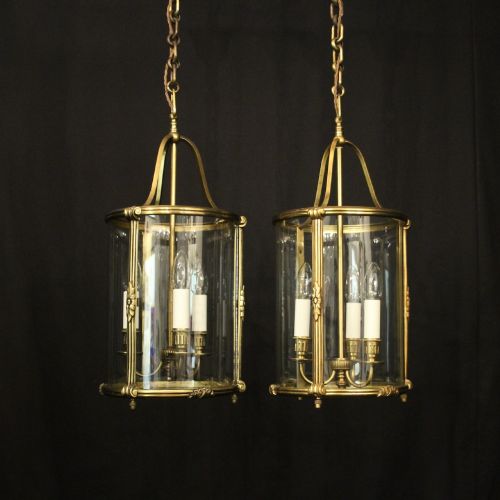
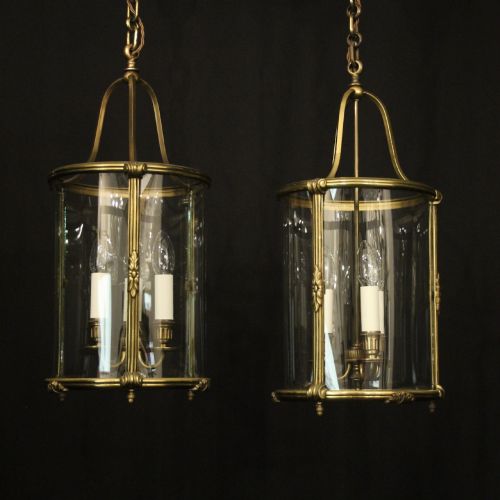
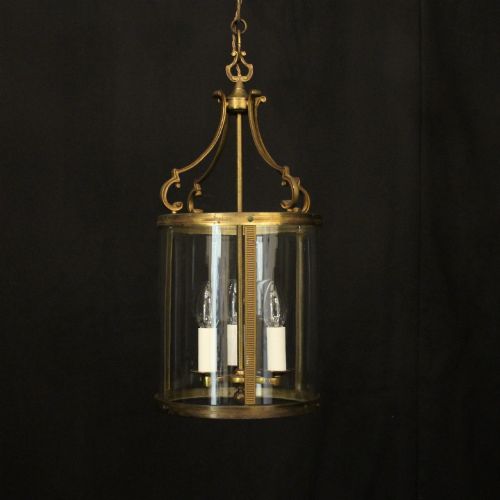
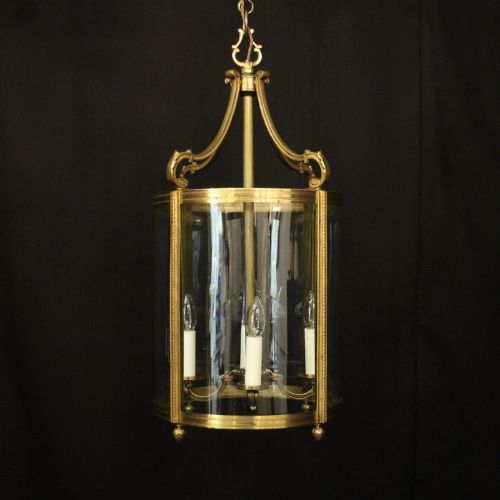
A brass foyer chandelier combines structural metalwork with transparent glass to illuminate entry spaces with traditional authority. When searching for a brass foyer chandelier, buyers encounter a strong selection of hanging lanterns and multi-light fixtures originating mainly from nineteenth-century and early twentieth-century workshops.
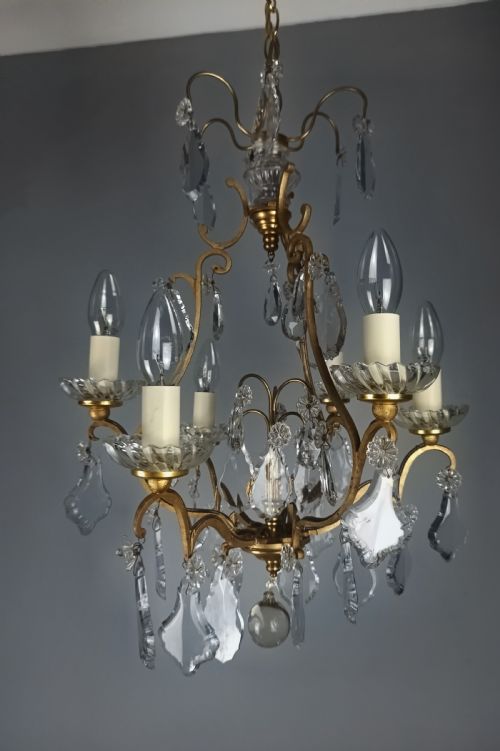
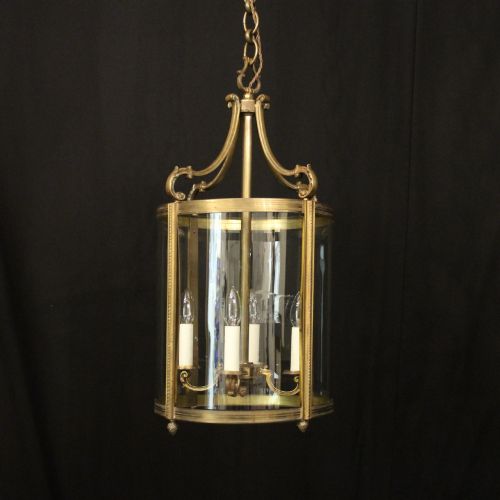
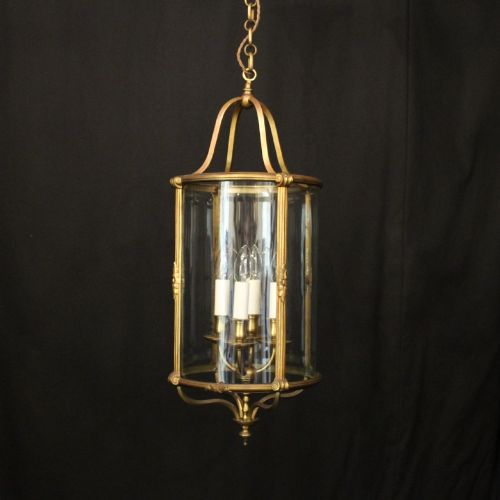
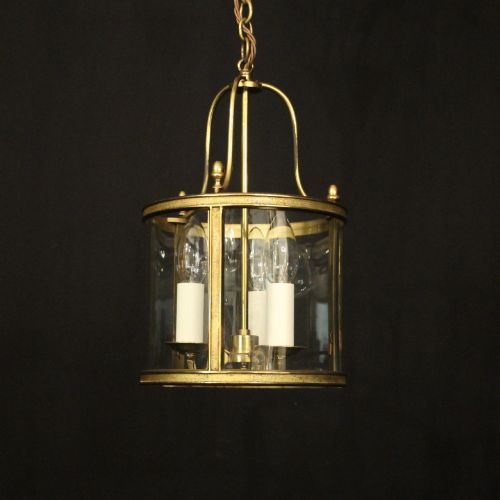
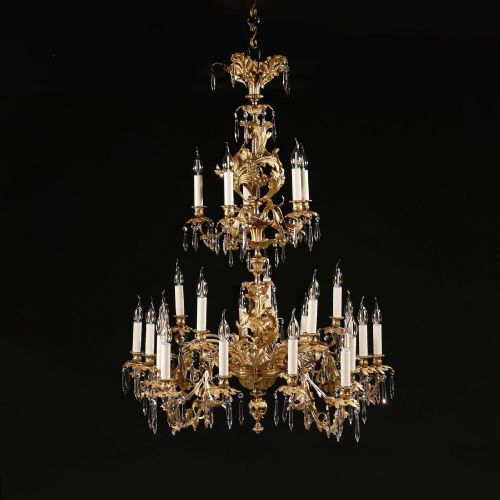
The prevailing examples on this page lean heavily toward French design vocabularies, particularly hall lanterns and birdcage chandeliers from the nineteen-twenties and nineteen-thirties. These pieces utilise brass, bronze, and gilt metal frames designed specifically to hang cleanly within tall hallways and entrance vestibules.
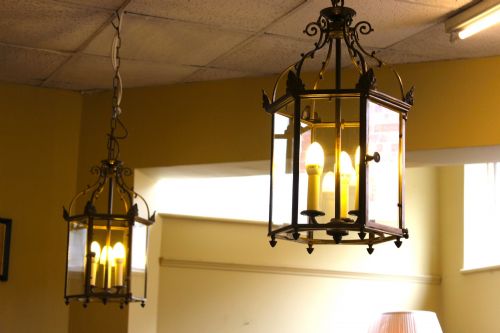
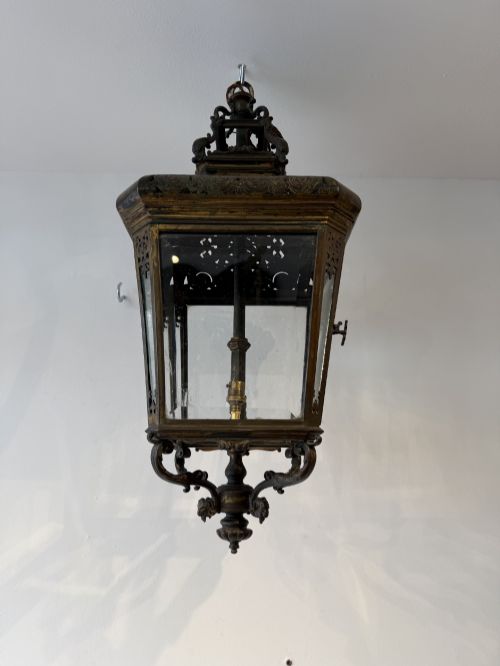
Beyond French styles, English interpretations appear in sturdy nineteenth-century hexagonal formats and Gothic revival designs. Buyers will find that most selections favour vertical lantern shapes enclosing multiple internal lights rather than sprawling horizontal arms.
Materials and construction methods
The primary framework relies on cast and wrought brass, bronze, or gilded bronze, providing a rigid structural cage for the lighting components. Metal founders shaped these elements through traditional casting techniques before applying mercury gilding, bronze patination, or polished surface treatments.
Glass panels are integral to the construction, utilising heavy convex, bevelled, or cut glass plates that insert securely into the metal frames. Crystal drops and prismatic elements frequently adorn the interior of larger chandeliers and birdcage designs to refract the light output.
Materials documented across the listings include cut glass, crystal, unpolished brass, bronze, and various forms of gilded bronze and brass.
Distinguishing quality in period lighting
Quality reveals itself primarily in the substance of the metal casting and the precision of the frame assembly. Heavier bronze and thick brass frames maintain structural integrity and resist distortion over decades of hanging weight.
The treatment of the glass panels provides another clear indicator of superior manufacture. Thick, bevelled, or convex glass panes that fit flush into their rebates demonstrate a higher standard of craftsmanship than thin, flat replacement glass.
The Brass Foyer Chandelier Glossary
- Birdcage chandelier
- A vertical, multi-tiered chandelier style resembling an ornamental cage, typically constructed from gilt metal and hung with crystal drops. This form gained particular popularity during the early twentieth century.
- Convex lantern
- A hanging light fixture featuring curved glass panels that bulge outward from the metal frame. This design softens the internal light and broadens the illumination angle.
- Gilt bronze
- Bronze metal treated with a thin layer of gold or gold-coloured alloy to impart a brilliant golden finish. It resists tarnishing better than untreated brass.
- Hall lantern
- An enclosed ceiling-hung light fixture designed specifically for narrow corridors and entrance spaces. They protect candles or bulbs from drafts while directing light outward.
Brass Foyer Chandelier: Frequently Asked Questions
How do I choose the right size?
Measure the height and width of your entrance hall to ensure the fixture maintains proper proportion with the room dimensions. A tall ceiling allows for an elongated lantern or multi-tiered chandelier without overwhelming the walkway.
Consider the clearance needed beneath the lowest point of the hanging light to permit comfortable passage for anyone walking underneath.
Are these wired for modern electricity?
Most period lighting fixtures have undergone rewiring to meet contemporary electrical standards while preserving their historical appearance. It remains sensible to have a qualified electrician inspect the internal wiring before final installation.
Original lamp holders are often updated to take standard modern bulbs safely hidden behind the glass panels.
How do I clean a glass and brass lantern?
Remove dust gently using a soft, dry cloth or feather duster before applying any cleaning solution to the metal or glass surfaces. Avoid harsh chemical cleaners that can strip historical patina from brass or gilt bronze.
Glass panels can be lifted out carefully for thorough cleaning when the frame construction permits safe removal.
What is the difference between brass and bronze?
Bronze is an alloy consisting primarily of copper combined with tin, offering exceptional strength and a darker natural patination over time. Brass is an alloy of copper and zinc, which yields a brighter golden colour when polished.
Gilt finishes are frequently applied to both metals to achieve a uniform golden appearance across the entire fixture.