




Brass Four Light Chandelier
A brass four light chandelier brings warm illumination and classical structure to a room, drawing the eye upwards with its balanced metal branches.
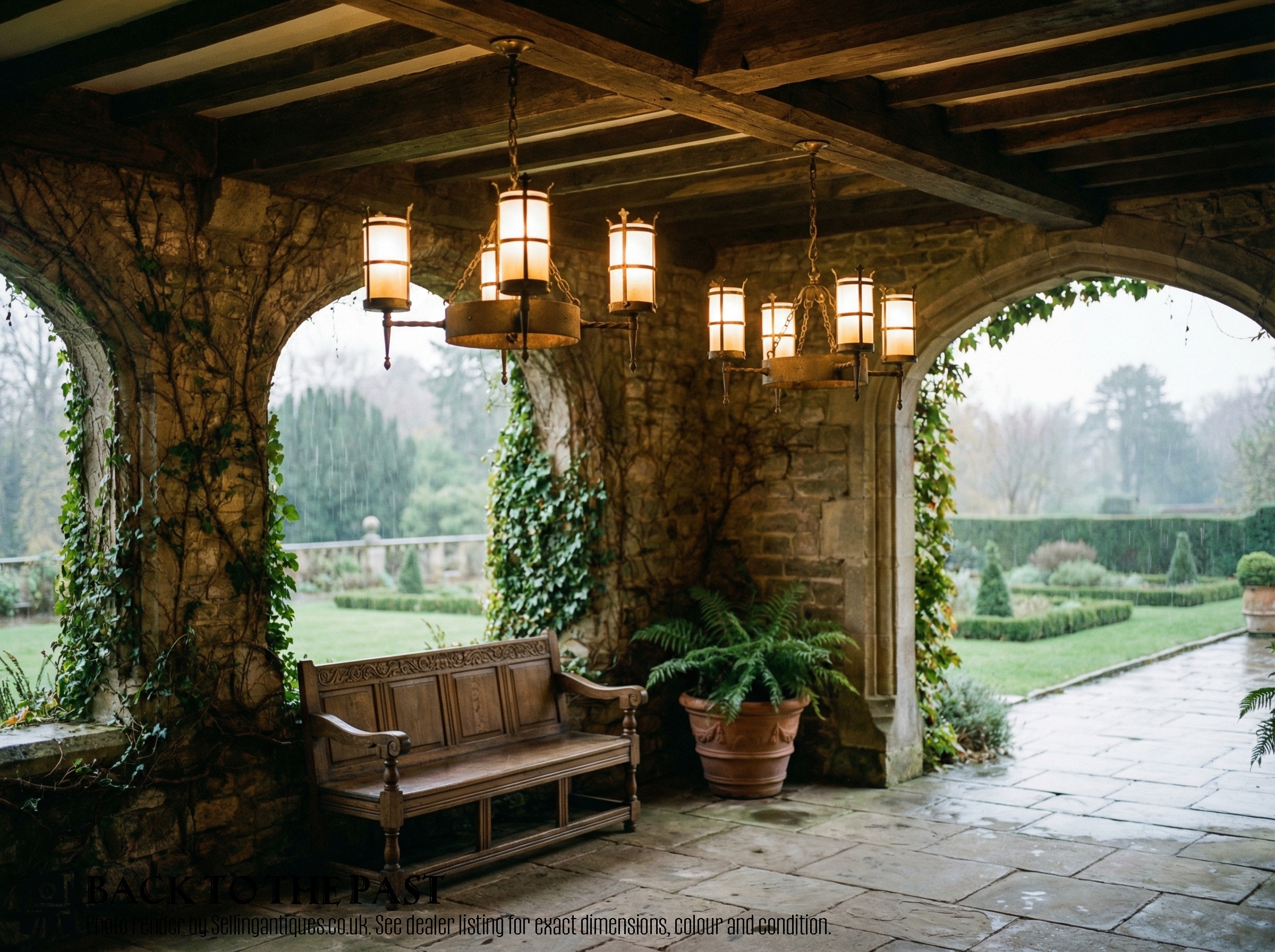
Brass Four Light Chandelier
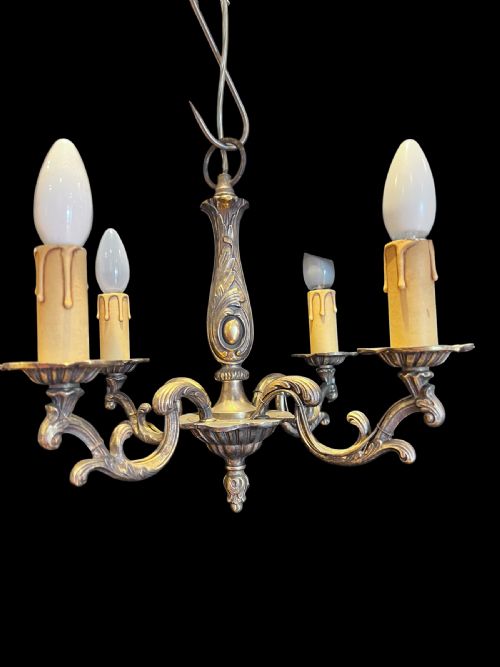
When you search for a brass four light chandelier, you encounter hanging light fittings designed with four distinct illumination points mounted within a brass framework. These fixtures emerge predominantly from French and English workshops spanning the nineteenth century through the early twentieth century.
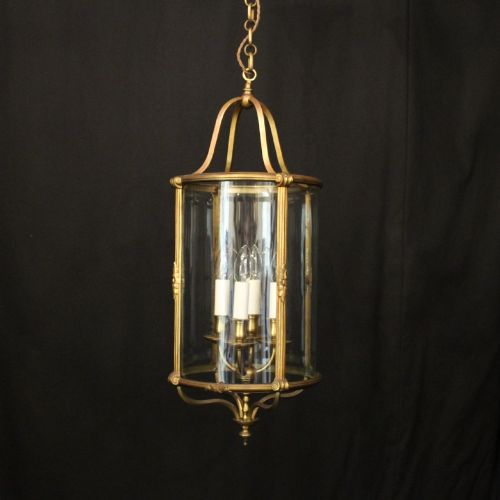
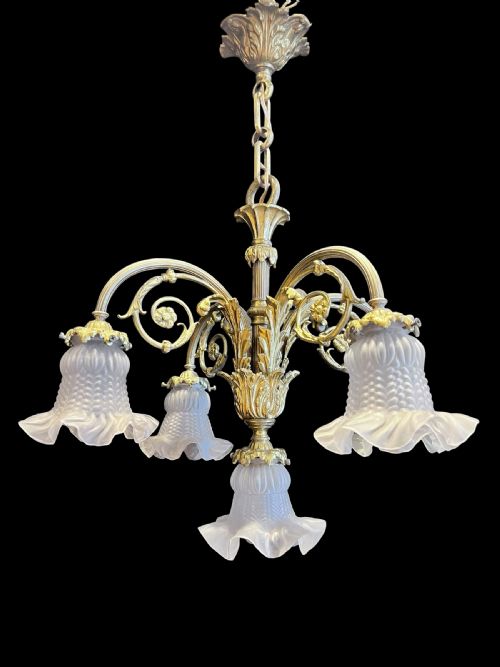
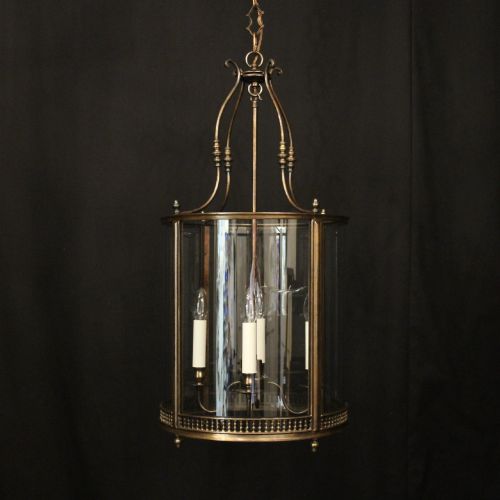
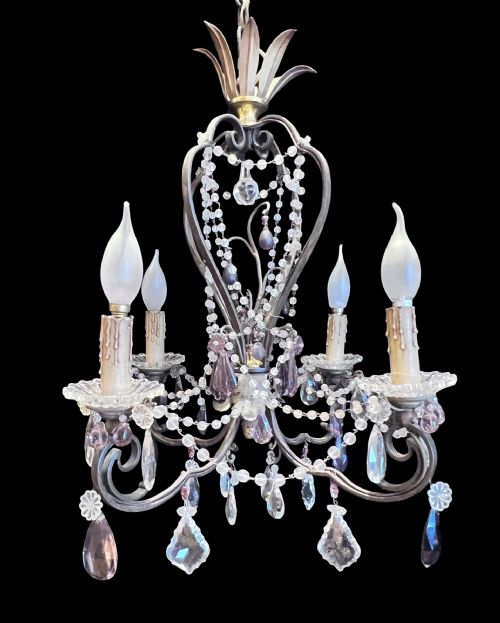
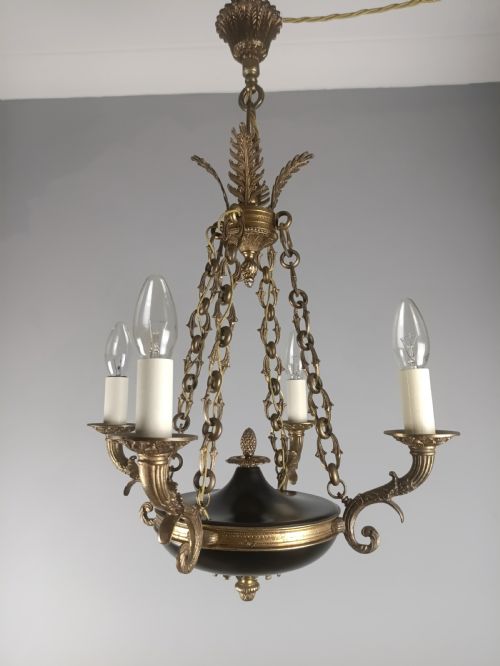
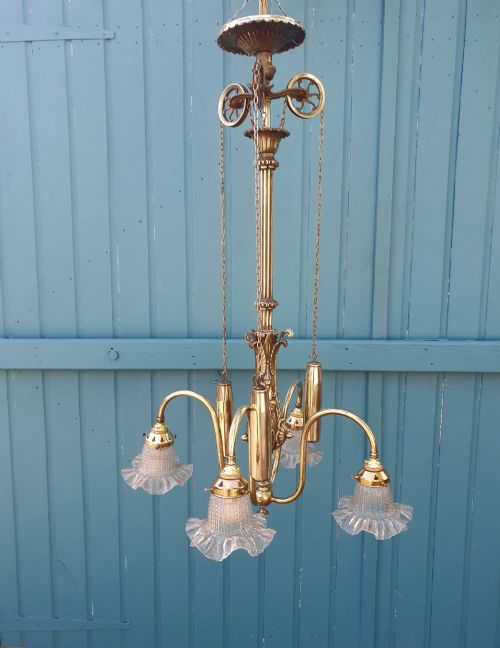
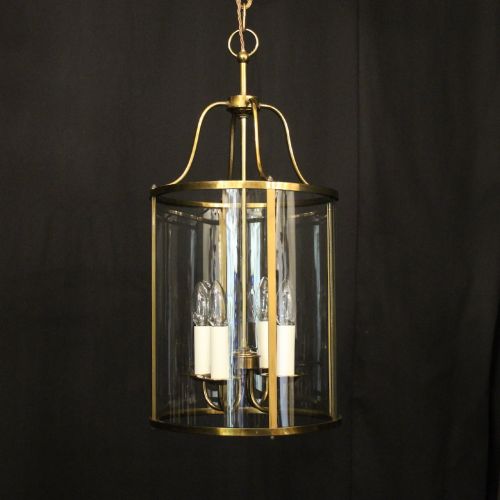
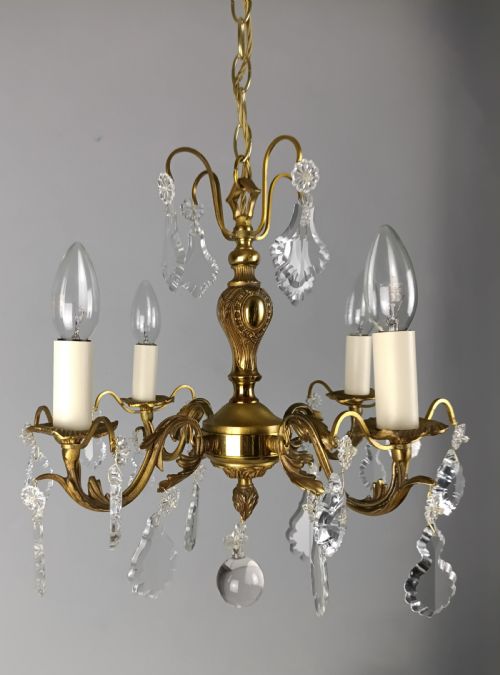
The selections available here lean heavily towards French designs, including gilded bronze lantern forms and crystal-adorned cage chandeliers dating from the nineteen-twenties and nineteen-thirties. English pieces also appear, represented by convex hall lanterns and rise and fall ceiling fittings from the Edwardian era.
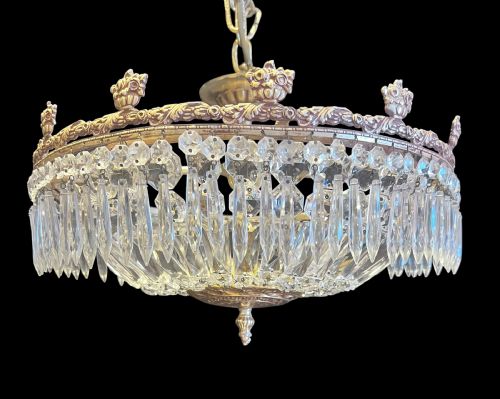
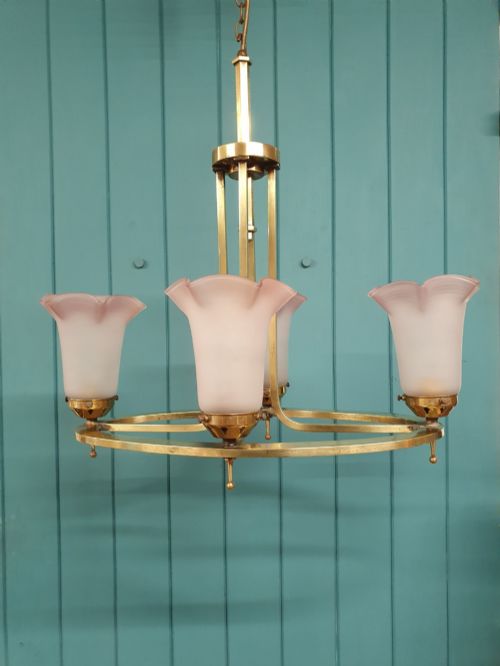
Beyond standard chandeliers, the form extends into plafonieres and wall lights sharing the same four-branch brass construction. These pieces offer varied silhouettes suited to hallways, principal rooms, and entrance spaces.
Materials and construction
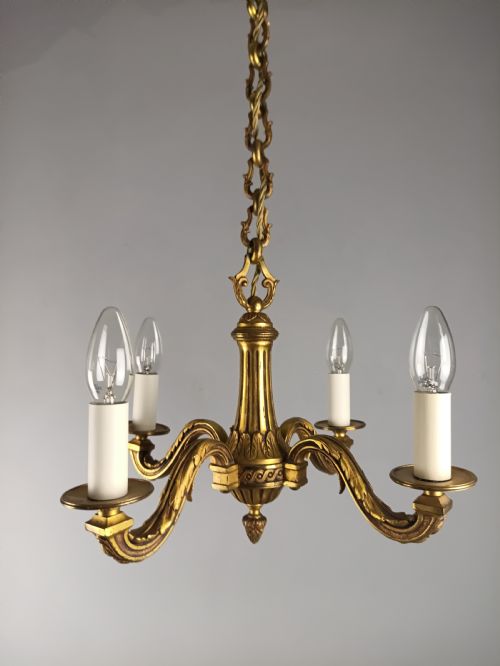
The construction relies fundamentally on cast and beaten brass, often enhanced with gilding or patination to enrich the metallic surface. Workshops frequently combined this brass framework with transparent glass panes or cut crystal drops to refract the light.
Heavier fixtures incorporate bronze and steel elements to support the four-branch configuration safely, particularly in large hanging lanterns. Ormolu and gilt finishes are applied to highlight intricate surface detailing across the arms and frames.
Brass Four Light Chandelier Retail Price Guide 2026
Typical asking prices for brass four light chandelier among the pieces listed under this phrase on Sellingantiques today, from the lower quarter to the upper quarter. They describe what is for sale here now, not the wider market.
Certain Edwardian chandeliers hide charming cast brass cherubs peeking out from the metal branches.
Distinctions in quality
Quality reveals itself in the crispness of the metal casting and the depth of the gilding applied to the brass or bronze armature. Finer pieces display hand-chased enrichment on the mounts rather than flat, uniform surfaces.
The integration of crystal components and the structural integrity of the frame separate standard production items from superior examples. Better assemblies maintain tight joints across all four branches and secure original glass elements without rattling.
G.E.C
The Brass Four Light Chandelier Glossary
- Plafoniere
- A ceiling light fitted flush or close to the ceiling surface rather than suspended on a long chain. This form directs illumination downward across the space.
- Ormolu
- A metallic technique involving the application of finely ground high-carat gold to a bronze or brass base. It yields a rich golden finish characteristic of decorative French lighting.
- Cage chandelier
- A style of hanging light where metal bands enclose the internal lighting cluster and crystal drops, forming an open structural cage. The design originates from eighteenth-century traditions.
- Hall lantern
- An enclosed hanging light designed specifically for narrow entranceways and corridors. These fixtures utilise glass panels to protect the internal candle or bulb branches.
- Rise and fall
- A mechanical pulley system allowing the height of the hanging light to be adjusted up and down. This mechanism appeared frequently in Edwardian ceiling lighting.
Brass Four Light Chandelier: Frequently Asked Questions
Where should a brass four light chandelier be hung?
These fixtures suit entrance halls, dining spaces, and principal rooms where a balanced four-branch spread provides even illumination. Lantern variants work particularly well in vertical stairwells or high-ceilinged corridors.
Ceiling height dictates the drop required, with flush plafonieres suiting lower rooms while chain-suspended chandeliers require adequate clearance below.
How do I identify the period of a brass chandelier?
Dating relies upon stylistic markers such as neoclassical motifs, Art Deco geometric lines, or Edwardian rise and fall mechanisms. Material finishes like heavy gilding or bronzed brass also point to specific manufacturing decades.
Examining construction methods, screw types, and mounting brackets provides further confirmation of the era of manufacture.
Can these antique chandeliers take modern bulbs?
Most antique fixtures accommodate modern electrical fittings while retaining their original brass or bronze aesthetic. Wiring is typically updated to meet current safety standards during restoration.
Care should be taken to select bulb wattages and sizes that fit within the enclosed lantern or crystal cage dimensions.