

Brass Fender Guard
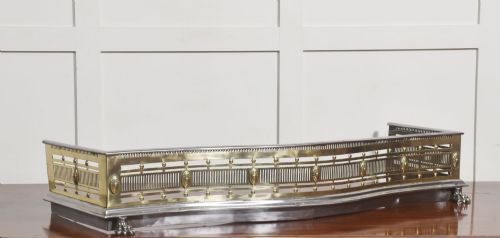
A brass fender guard anchors the hearth, protecting the room from stray embers while framing the open fire with metalwork.
Brass Fender Guard
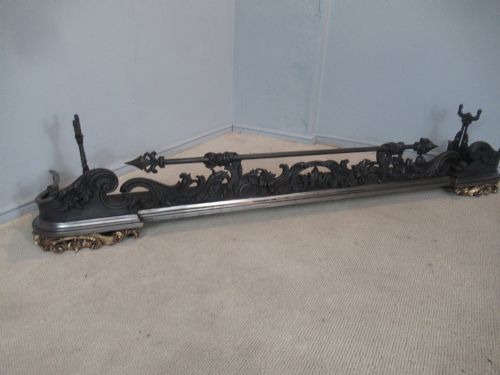
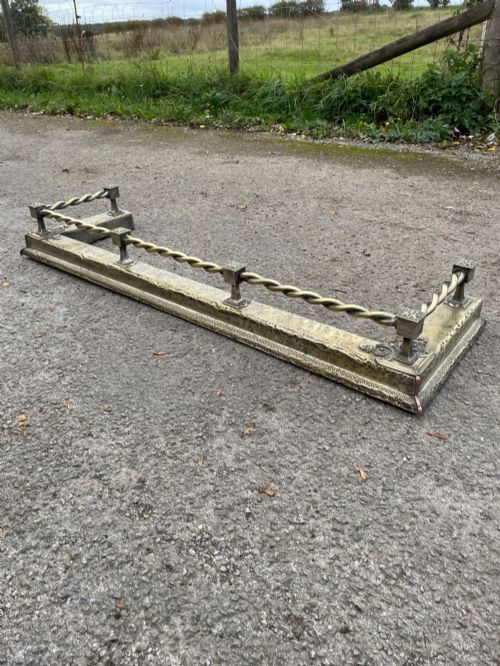
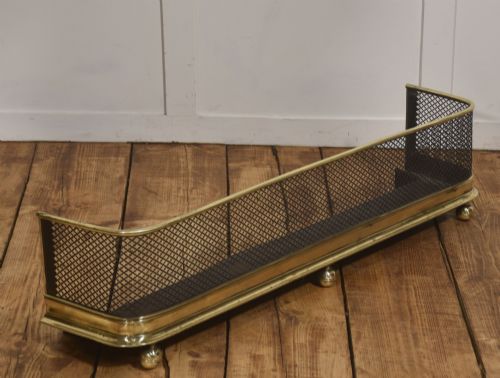
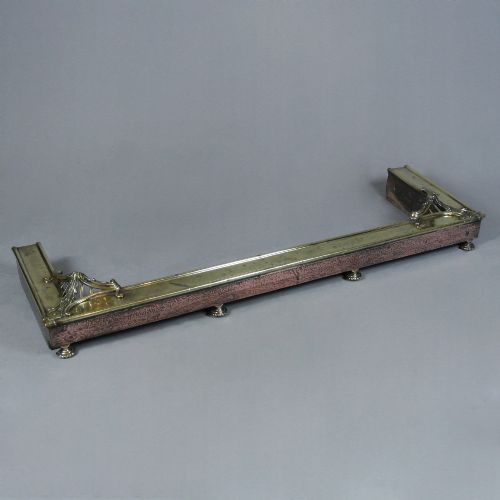
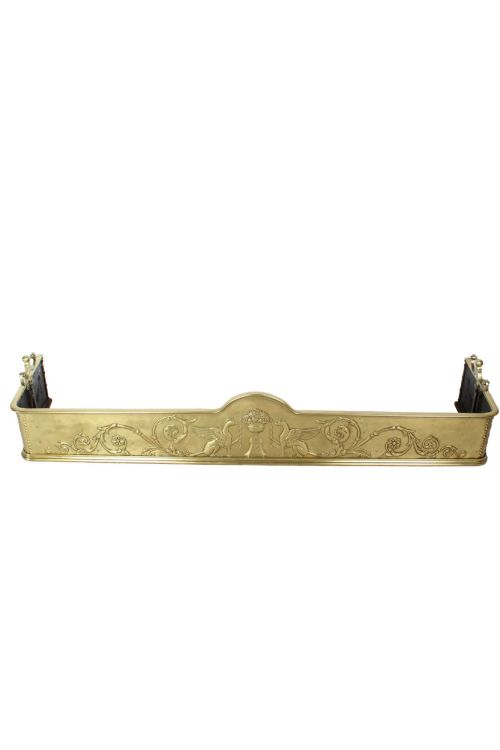
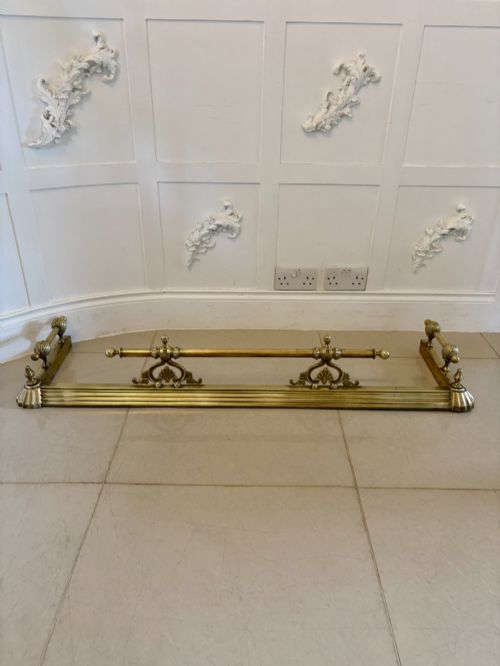
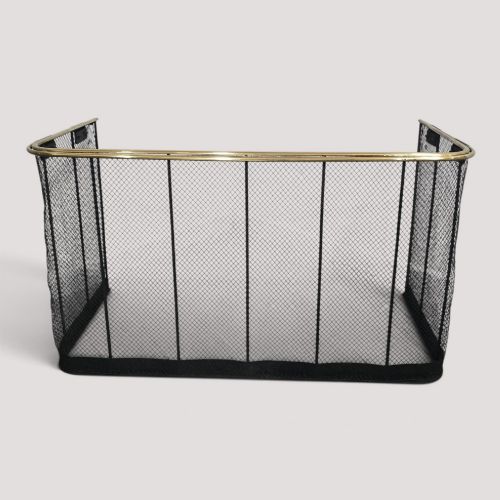
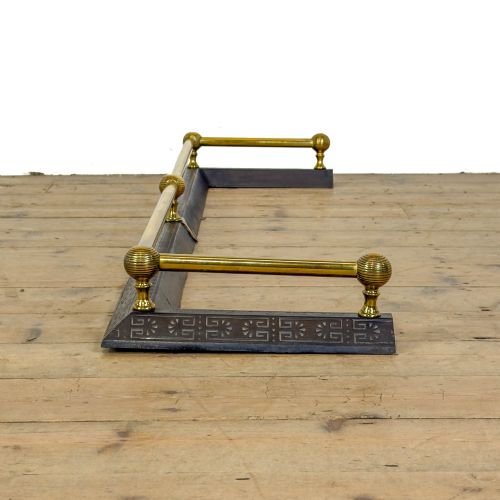
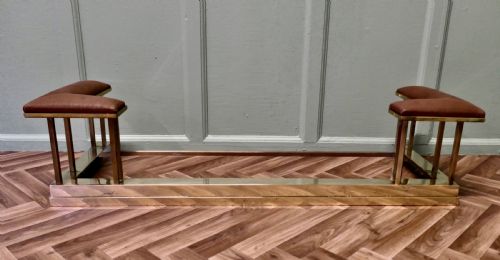
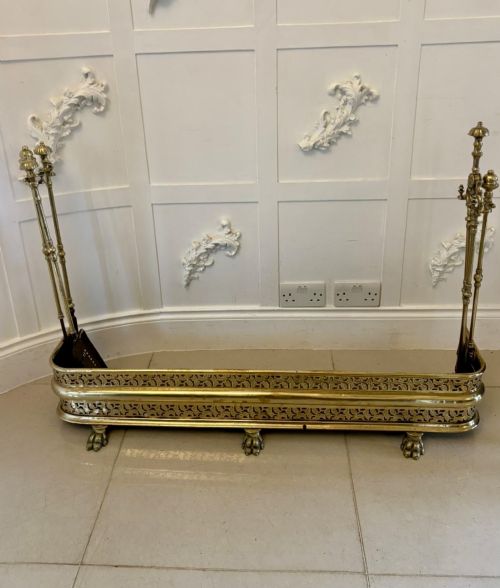
A brass fender guard sits on the hearth to contain ashes and protect the floor from sparks, taking forms from low decorative kerbs to tall mesh guards and seated club fenders. When you search for a brass fender guard, you encounter pieces that span the nineteenth century into the twentieth, with Victorian examples appearing most frequently on this page.
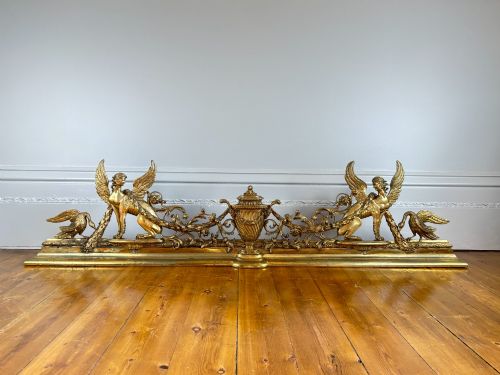
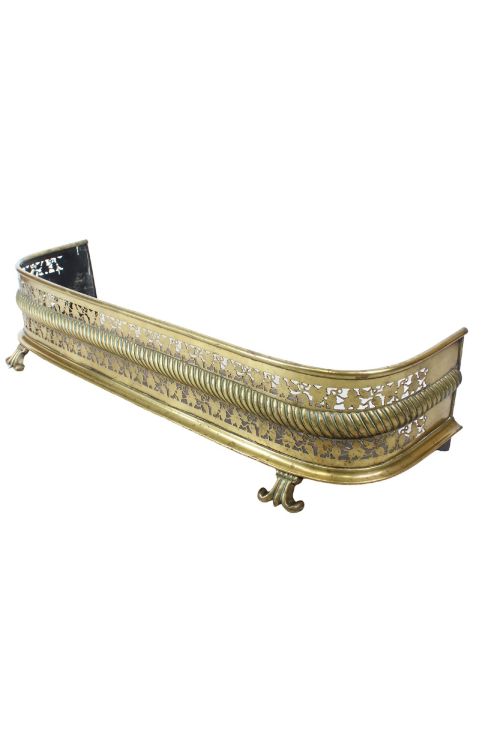
The selection ranges from Regency steel and brass borders to elaborate Art Nouveau designs and low pierced hearth kerbs. Many pieces combine brass with iron or steel, while others incorporate leather seating surfaces in the club fender style or fine wire mesh for safety.
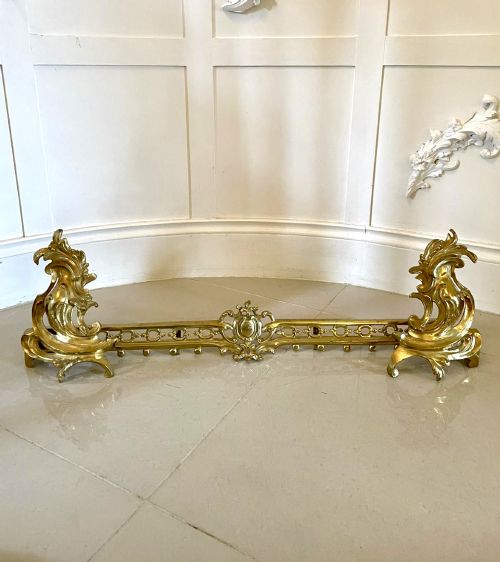
Makers and workshops varied the basic protective rail with cast ornamentation, adjustable widths, and French neoclassical styling. These hearth accessories reflect the changing domestic priorities of the Victorian and Edwardian periods, balancing utility with parlour decoration.
How they were made
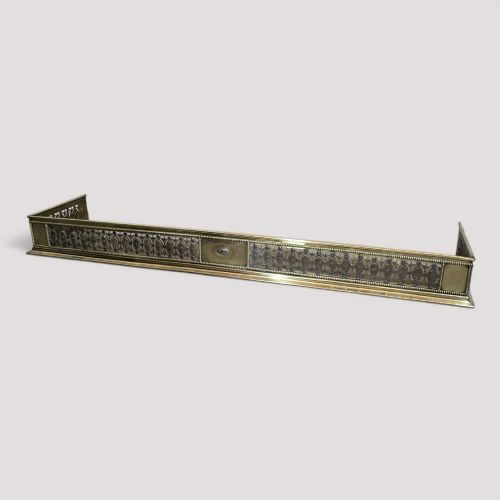
Workshops combined sheet and cast brass with iron or steel frames, securing components with traditional fixings and heavy rivets. Pierced metal panels required precise hand-sawing or punching before assembly, creating open geometric or floral motifs.
Makers applied wire mesh to folding frames for nursery guards, or built sturdy wooden internal structures covered in leather for club fenders. Gilt bronze and dore bronze pieces received chemical patination or fine mercury gilding for rich surface colour.
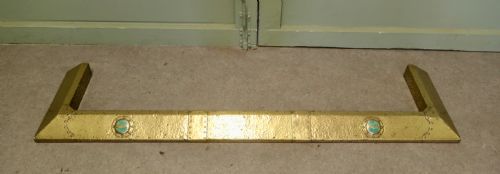
Adjustable mechanisms used sliding steel bars hidden within the brass body to allow custom fitting to different hearth widths. Cut steel studs and green enamel cabochons were riveted directly into the metal frame to provide decorative contrast.
Brass Fender Guard Retail Price Guide 2026
Typical asking prices for brass fender guard among the pieces listed under this phrase on Sellingantiques today, from the lower quarter to the upper quarter. They describe what is for sale here now, not the wider market.
Some nineteenth-century nursery fenders arrived equipped with built-in clothes rails, allowing wet socks and damp mittens to dry directly by the fire.
What varies in quality
The thickness of the brass sheet and the weight of the underlying iron structure define the physical substance of a fender guard. Heavier gauge metal resists warping from hearth heat and maintains crisp detail in pierced or cast ornament.
Detailing in the chased foliage, the neatness of the piercing work, and the quality of the patination separate standard production from exceptional pieces. Original matching fire irons or integrated leather upholstery in clean condition elevate the integrity of the piece.
E F Caldwell New York
The Brass Fender Guard Glossary
- Club fender
- A low hearth guard featuring cushioned seats on top, allowing people to sit close to the fire. These typically combine a brass frame with leather upholstery.
- Nursery fender
- A tall protective guard designed to keep children and stray embers safely away from the fireplace opening. They often incorporate wire mesh panels and sometimes include a clothes rail.
- Pierced brass
- Metal sheet perforated with decorative patterns such as scrolling foliage, lattices, or classical motifs. This technique lightens the visual weight of the heavy metal kerb.
- Dore bronze
- Bronze objects treated with an amalgam of gold and mercury, then heated to leave a permanent gold finish. The process produces a bright, luxurious surface sheen.
- Fire kerb
- A low metal barrier placed directly on the floor around the hearth perimeter. It serves primarily to contain coal and ash rather than provide physical seating.
Brass Fender Guard: Frequently Asked Questions
What is a club fender?
A club fender is a hearth guard built with upholstered top rails that serve as low seats near the fire. They became popular in large country houses for keeping warm in draughty rooms.
These pieces combine functional brass or iron frames with comfortable leather pads, offering a practical place to sit directly beside the hearth.
How do I date a brass fender?
Dating relies on stylistic clues, such as Regency geometric restraint, Victorian neoclassical cast motifs, or the flowing organic lines typical of Art Nouveau. Construction methods, including the transition from hand-pierced sheet to machine stamping, also indicate the period.
Examining the underlying ironwork and fixing screws helps distinguish mid-nineteenth-century examples from later Edwardian reproductions.
What is the difference between a fender and a guard?
A fender sits low on the floor as a heavy metal kerb to contain ash and protect the carpet from sparks. A guard typically rises higher around the hearth with wire mesh panels to block flying embers.
Some large nineteenth-century examples combine both functions by placing a tall folding mesh barrier behind a solid brass floor kerb.
How do I clean antique brass?
Antique brass requires gentle dusting and occasional cleaning with a mild, non-abrasive metal polish to maintain its surface character. Heavy scrubbing should be avoided to preserve the dark patination accumulated over decades.
Preserving the original aged surface is generally preferred by collectors over achieving a bright, modern shine.