


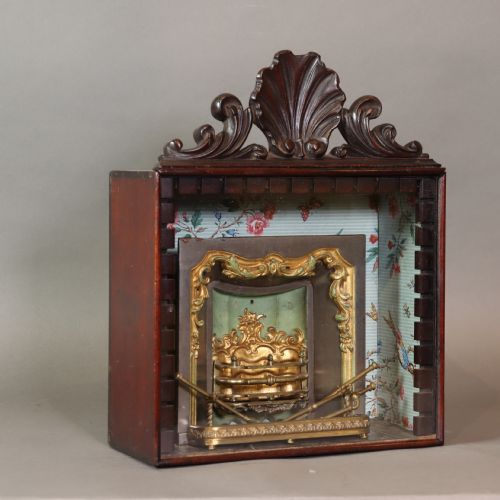


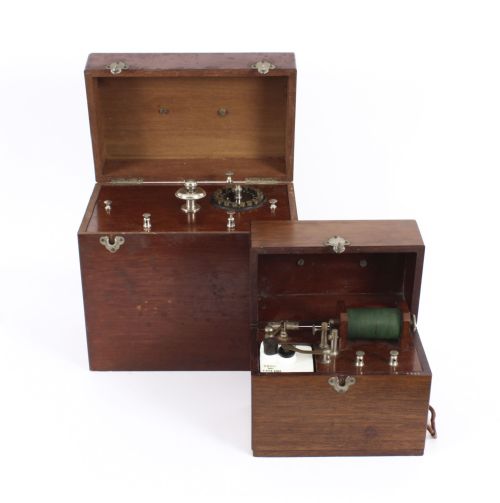


Brass Display Box
A brass display box brings together metalwork and glass to protect and show off small treasures.
Brass Display Box
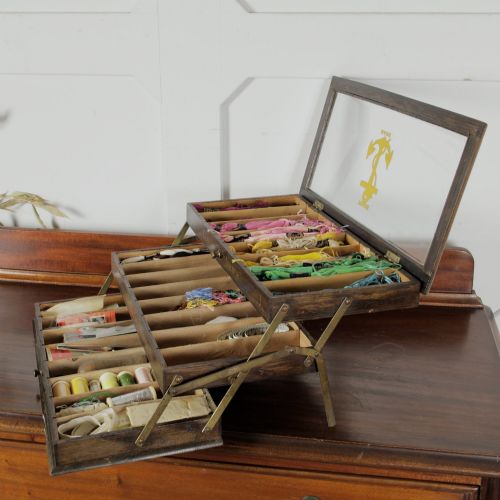
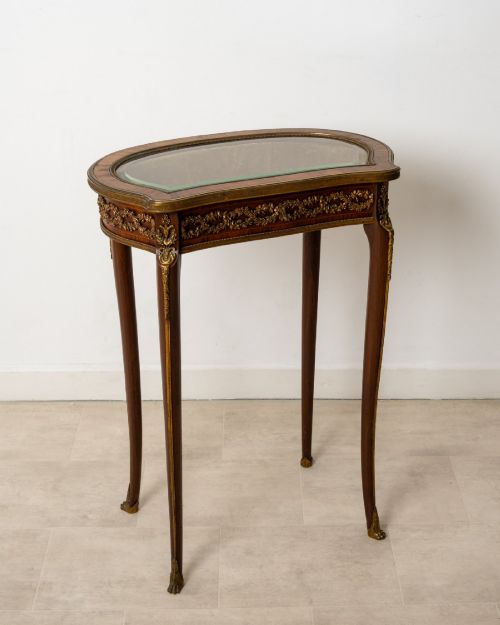
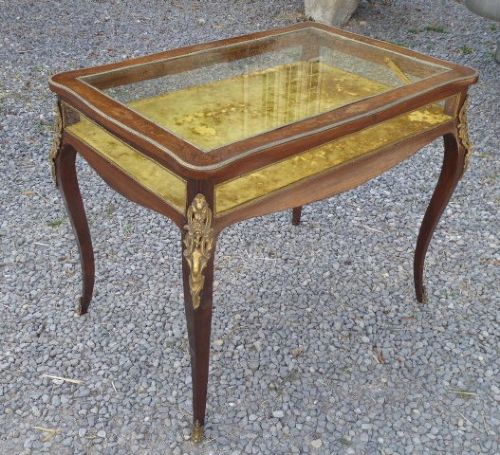
A brass display box typically takes the form of a bijouterie table, a trinket box, or a small glass case designed for intimate viewing. These pieces emerge from periods spanning the Victorian era, Edwardian years, and early twentieth century, reflecting varied European and British tastes.
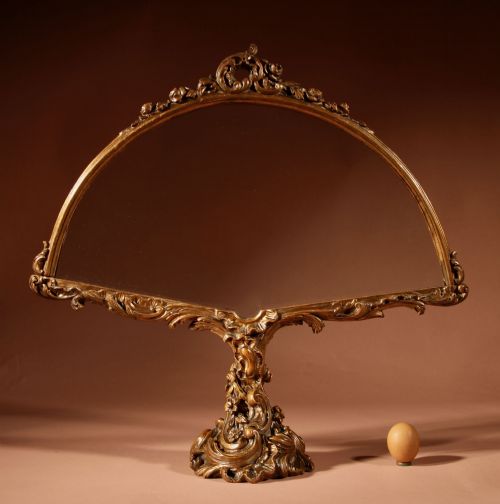
The selection here leans toward French Rococo revival styles and Victorian campaign or table cabinets. Makers utilised materials like mahogany, rosewood, and kingwood alongside structural brass frameworks to create enclosures for jewellery, fans, and miniatures.
Materials and construction
Construction relies heavily on frames of cast or sheet brass joined to transparent glass panels, allowing light to enter from multiple angles. Heavier bijouterie tables often pair mahogany or rosewood carcasses with intricate ormolu mounts and velvet linings.
Surface decoration ranges from simple brass stringing and inlay to elaborate gilt bronze relief work and marquetry. Mechanics such as bevelled drop-front doors and secure locks demonstrate careful metalworking skill suited to holding valuables.
Brass Display Box Retail Price Guide 2026
Typical asking prices for brass display box among the pieces listed under this phrase on Sellingantiques today, from the lower quarter to the upper quarter. They describe what is for sale here now, not the wider market.
Listings feature items spanning the Victorian era through the 1930s, constructed from brass, glass, mahogany, and ormolu.
Distinctions in quality
The grade of a brass display box rests upon the weight of the metal and the precision of the glass fitting. Solid ormolu mounts and thick bevelled glass panes mark out the superior examples from standard production pieces.
Interior detailing also defines value, with original silk, velvet, or leather linings outlasting later replacements. The choice of secondary timber, such as solid mahogany or figured kingwood, indicates the workshop's initial investment in the piece.
The Brass Display Box Glossary
- Bijouterie table
- A low display table with a glazed top and sides specifically made for showcasing small trinkets and jewellery. These pieces rose to prominence during the Victorian period.
- Ormolu
- Gilded bronze applied to furniture mounts and decorative objects. The technique involves coating bronze in a gold amalgam and heating it.
- Bevelled glass
- Glass panes finished with an angled edge around the perimeter. This treatment adds a decorative refractive quality to display cases.
- Marquetry
- The art of applying small pieces of veneer to a structure to form decorative patterns. Craftsmen use various woods to achieve tonal contrast.
Brass Display Box: Frequently Asked Questions
What is a bijouterie table?
A bijouterie table is a glass-topped stand designed to display small valuable items such as medals, rings, and fans. They gained popularity in the nineteenth century as a sophisticated way to share collections with guests.
These pieces usually feature hinged lids or drop fronts lined with velvet or silk. They sit comfortably in drawing rooms or studies as functional display furniture.
How do I clean the glass?
Cleaning requires a soft cloth and a mild glass cleaner applied sparingly to avoid touching the metal frame. Moisture can tarnish brass or stain antique fabric linings if allowed to seep inside.
Keep abrasive pads away from both the glass and the ormolu mounts. Gentle dusting preserves the original patination on the metal components.
Where should I place one?
Position your display box away from direct sunlight to prevent the fading of interior velvet and delicate objects. Placing it near a window or lamp allows natural light to illuminate the contents effectively.
Sturdy surfaces like sideboards or dedicated table stands provide safe support. Ensure the floor is level so the glazed panels and hinges do not warp over time.
Are the interiors original?
Many Victorian and Edwardian display cases retain their fitted velvet, silk, or leather pads. Wear and fading often indicate age and genuine past use.
Some pieces have received new fabric linings over the decades to maintain a clean presentation. Inspect the fit and adhesive style to gauge whether the lining matches the period of the frame.