
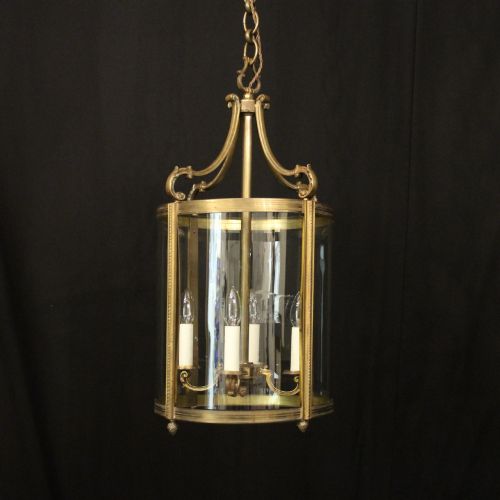
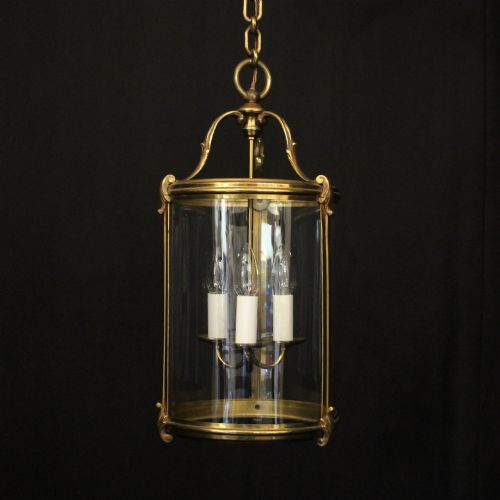
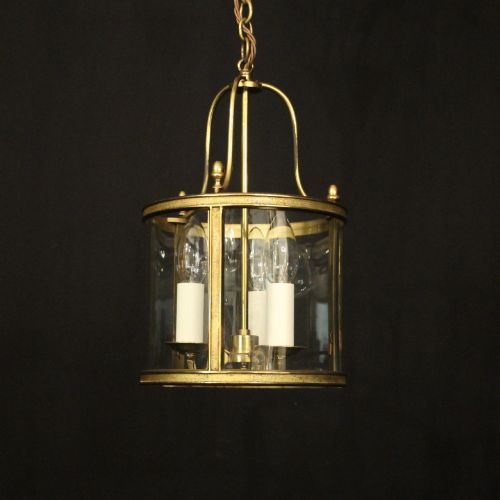
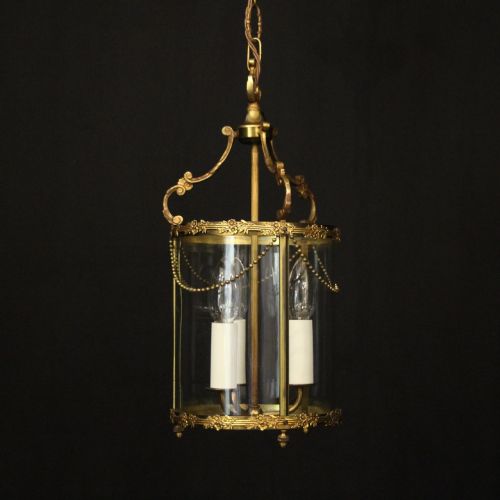


Brass Cylindrical Hall Light
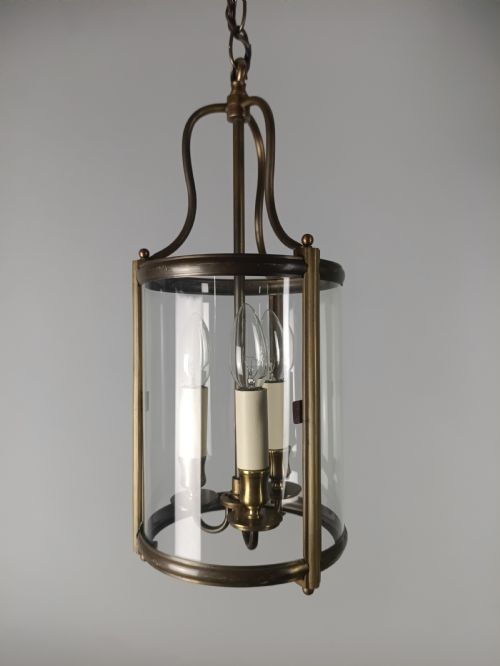
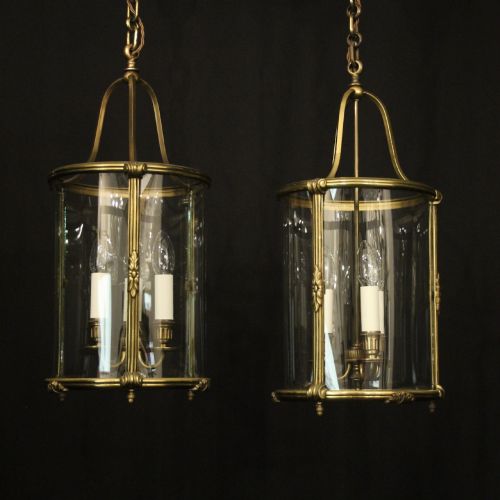
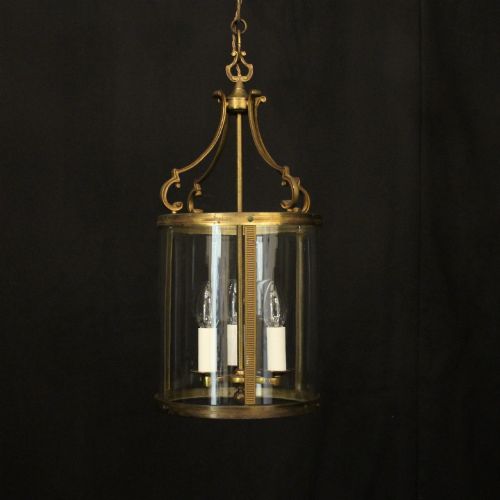
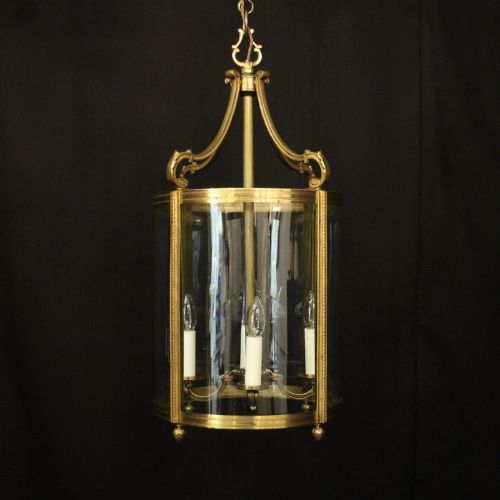
A brass cylindrical hall light makes an immediate statement in an entranceway, offering warm illumination through shaped glass panels.
Brass Cylindrical Hall Light
When you search for a brass cylindrical hall light, you encounter hanging lanterns designed to cast a welcoming glow in corridors and vestibules. These fixtures combine metal frames with glass panes to enclose interior bulb arrangements safely.
The selections on this page draw predominantly from the nineteenth century, the Edwardian era, and the decades up to nineteen thirty. French influences dominate the design repertoire, spanning styles from neoclassical through to Empire.
You will regularly find single or multiple light configurations housed within round or convex metal frames. Brass, gilt bronze, and gilded brass form the primary structural materials across these examples.
How they were made
The construction relies on sturdy metal casting and fabrication to shape brass or bronze into circular frames. Metalworkers shaped these housings to support curved or flat glass panes securely within the structure.
Gilding techniques applied gold leaf or surface treatments to bronze and brass components to enhance their reflective quality. Artisans fitted internal candle holders or early electrical lamp holders to accommodate the lighting needs of the period.
Listings span the nineteenth century through the nineteen thirties, featuring brass, bronze, and gilt finishes.
What varies in quality
Subtleties in metalwork execution distinguish the finer examples from simpler production pieces. Crisp chasing on bronze frames and substantial gauge brass indicate superior workshop standards.
The quality of the glass panels and their integration into the metal tracks also signal distinction. Convex glass panes require specialist manufacturing skill compared to standard flat panes.
The Brass Cylindrical Hall Light Glossary
- Convex glass
- Curved glass panels that project outward to diffuse light across a wider angle. This feature softens the illumination within a hallway.
- Gilt bronze
- Bronze metal treated with a gold application to provide a rich surface sheen. It remains a durable alternative to solid gold ornamentation.
- Hall lantern
- A ceiling-hung lighting fixture specifically scaled for narrow passageways and entrances. These pieces direct light downward while illuminating surrounding walls.
- Empire style
- A decorative movement drawing on classical antiquity with symmetrical, formal ornamentation. It frequently incorporates military motifs and laurel wreaths.
Brass Cylindrical Hall Light: Frequently Asked Questions
How do I hang a hall lantern safely?
Suspension requires secure anchoring into ceiling joists or a structural block to support the combined weight of metal and glass. A professional electrician should verify that the ceiling wiring and hanging chain match the load requirements.
Adjust the hanging height so the base of the lantern sits high enough to clear head height while remaining properly proportioned to the hallway volume.
What period do most of these lanterns belong to?
The pieces originate primarily from the nineteenth century, the Edwardian period, and the early decades of the twentieth century. French provincial and neoclassical design vocabularies heavily influence the aesthetic during these eras.
Catalogues and listings frequently attribute them to nineteen twenty or nineteen thirty based on structural characteristics and decorative motifs.
How do I clean brass and glass fixtures?
Dust the metal elements gently with a soft, dry cloth to prevent accumulation without disturbing historical patina. Avoid harsh chemical cleaners that strip gilt surfaces or damage aged metal finishes.
Remove glass panes carefully if cleaning requires liquid solutions, ensuring all moisture evaporates before reassembly.
Can these lights take modern LED bulbs?
Most antique fixtures accept modern LED bulbs provided the physical dimensions fit within the internal cage and socket constraints. Ensure the wattage output aligns with vintage wiring limits to prevent overheating.
Warm white LED options replicate the ambient glow of historical candle or early electric illumination effectively.