
Brass Column Desk Light
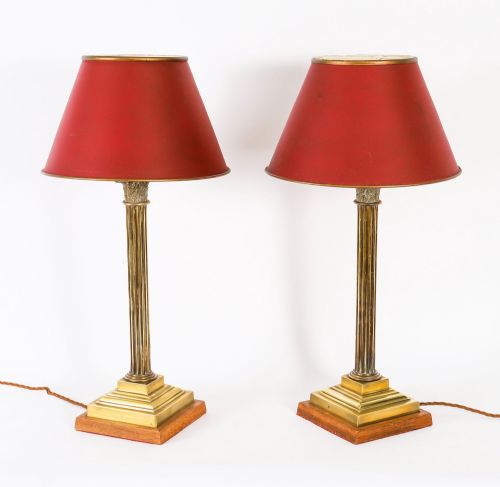
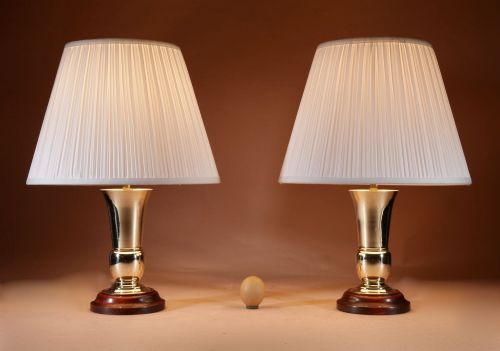
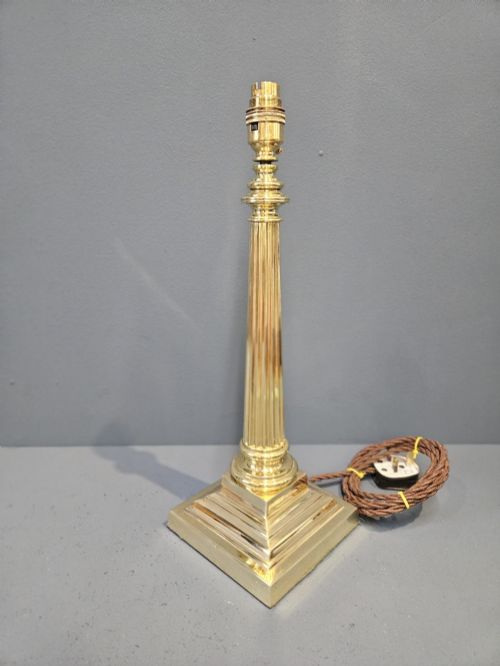
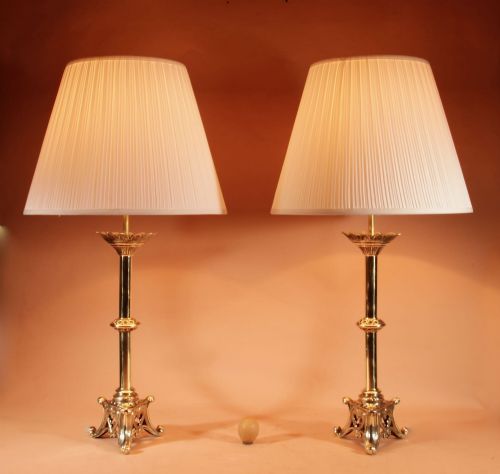
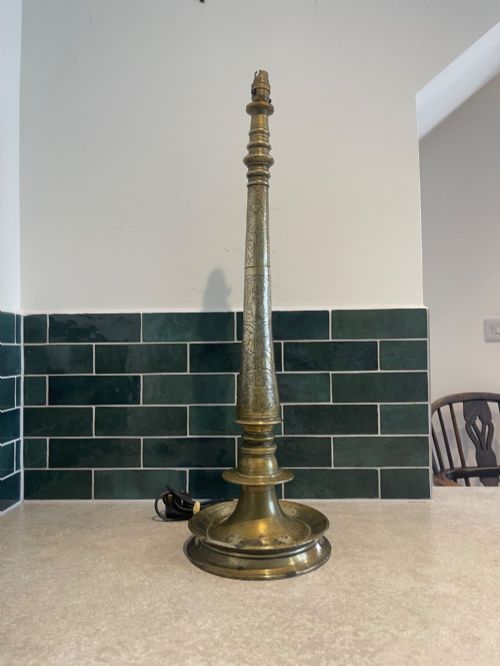
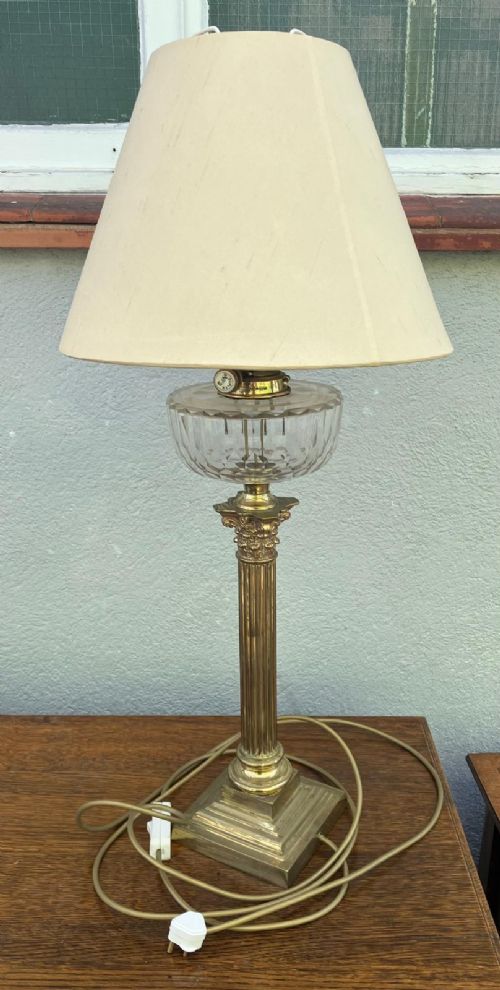
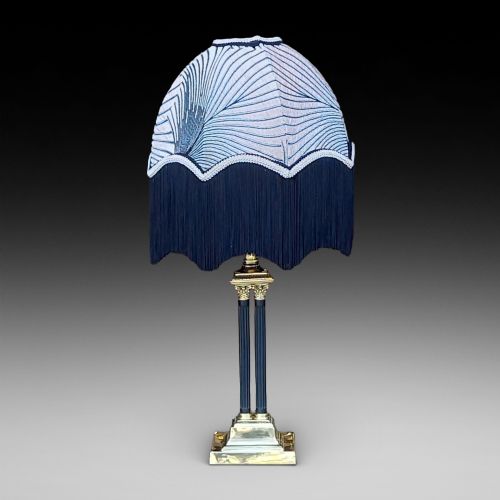
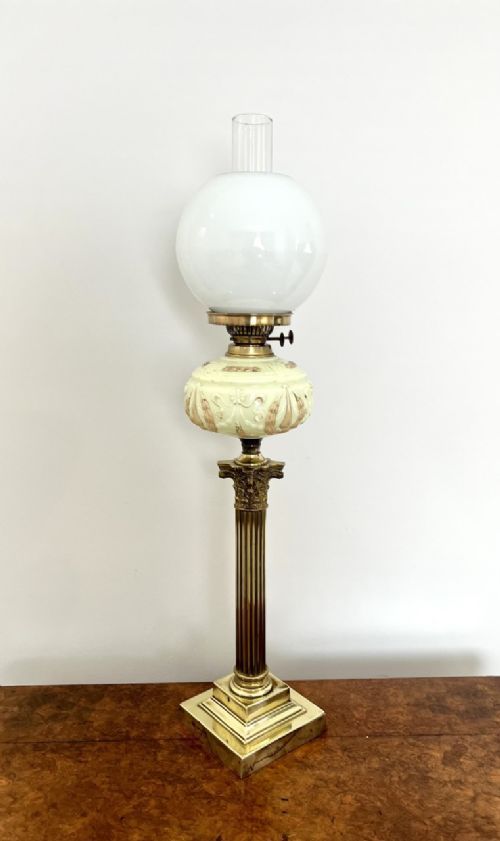
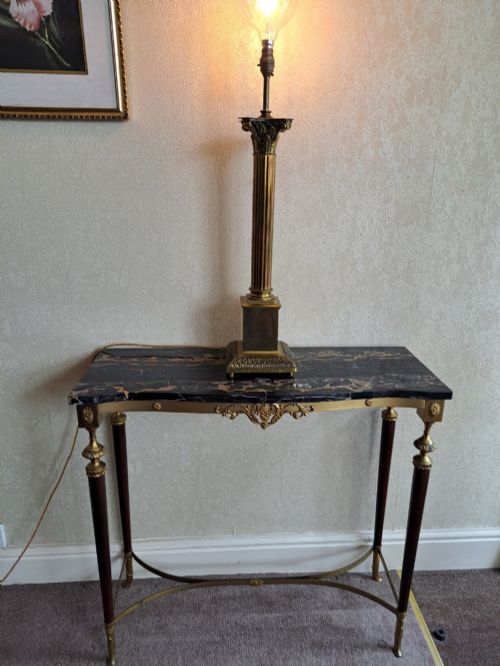
These brass column desk light examples combine classic architectural forms with functional illumination, providing a distinguished focal point for a traditional study.
Brass Column Desk Light
A brass column desk light embodies the architectural dignity of classical orders, taking the form of miniature columns that elevate domestic lighting. These pieces emerge predominantly from the Victorian and Edwardian eras, spanning the nineteenth and early twentieth centuries.
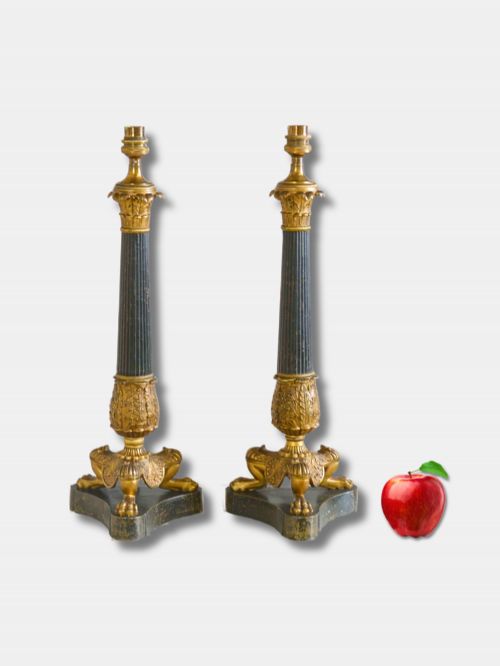
Origins stretch from English workshops to French foundries, bringing diverse stylistic influences such as Neoclassical revival, French Empire, and Gothic Revival. Buyers encounter both single lamps and matched pairs designed for symmetrical placement.
Materials and construction
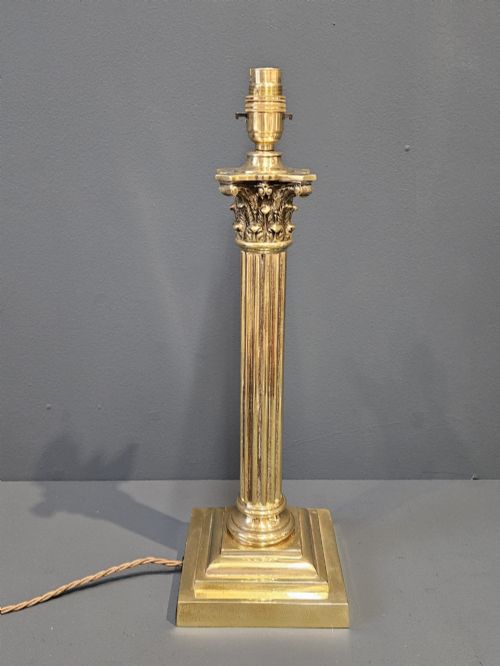
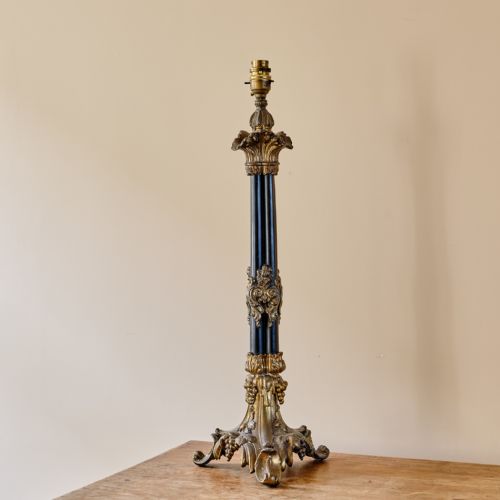
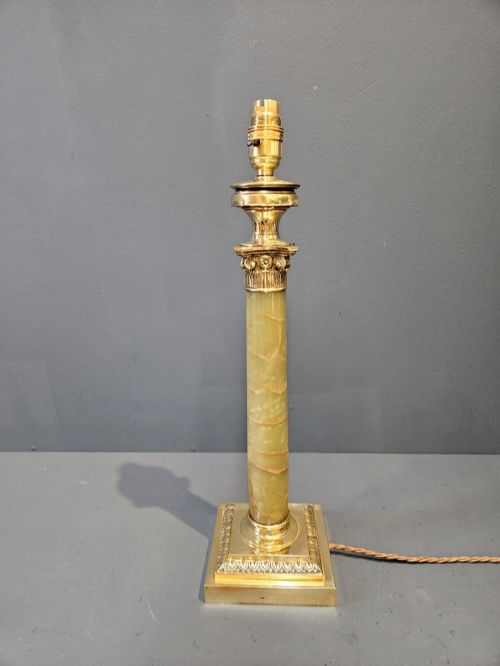
Foundry casting forms the foundation of these pieces, utilising brass, bronze, and ormolu to achieve crisp architectural details like acanthus leaves on column capitals. Heavier examples often incorporate marble bases or ceramic elements to provide stability beneath tall stems.
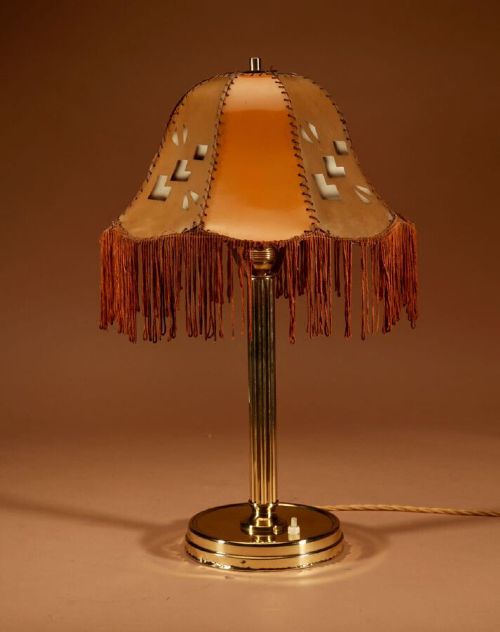
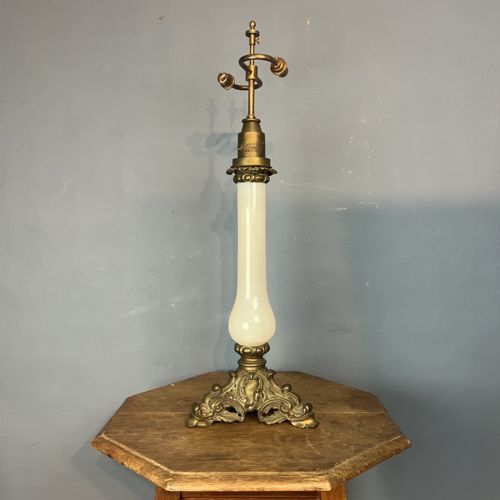
Surface finishes range from polished brass to patinated copper and gilt bronze, sometimes complemented by applied decoration such as faux lapis lazuli or silver plating. Shade components introduce contrasting textures through the use of opaline glass and woven fabric.
Some columns rest on tiny lion paw feet, ensuring your desk lighting maintains an air of miniature majesty.
Assessing quality
Superior examples display crisp casting and fine chasing across the capital and base, where intricate motifs remain sharp rather than softened by worn moulds. Weight serves as a clear indicator of substance, with better pieces employing heavy gauge metals and solid stone or ceramic foundations.
Proportion and architectural accuracy distinguish finer items from standard production, particularly in how faithfully the column orders adhere to classical design principles. Integration of original components, such as specialised burners or maker stamps, elevates the standing of an individual piece.
The Brass Column Desk Light Glossary
- Corinthian capital
- The ornate top section of a column featuring carved acanthus leaves and scrolls. This decorative order appears frequently on nineteenth-century table lamps.
- Ormolu
- Finely ground high-carat gold applied to a bronze base through a mercury-gilding process. This technique creates a rich, durable golden surface seen on French neoclassical pieces.
- Opaline glass
- A milky, translucent white glass often moulded into shades for Victorian oil lamps and lighting fixtures. It diffuses light softly while adding a distinct tactile quality.
- Reeded column
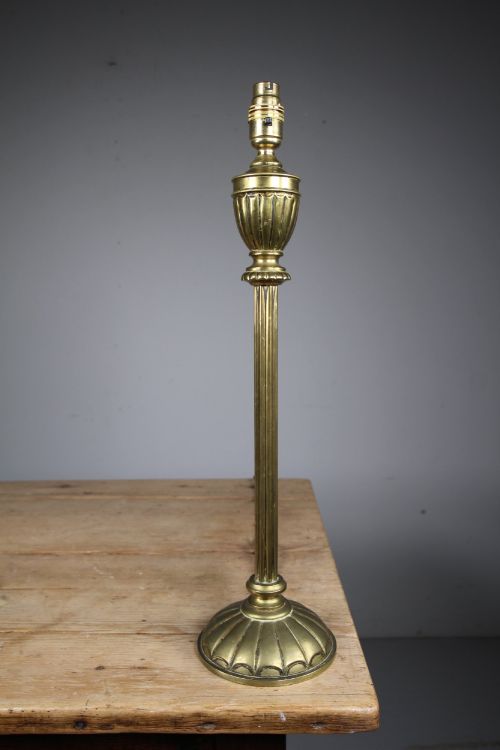
- A cylindrical shaft carved with parallel convex mouldings running vertically along the length. This decorative detail adds linear texture to traditional desk lighting.
- Doric column
- A sturdy, unadorned classical column style featuring a simple capital and plain shaft. It provides a more restrained aesthetic compared to ornate Corinthian designs.
Brass Column Desk Light: Frequently Asked Questions
How do I date a brass column lamp?
Dating relies on examining the manufacturing techniques, base materials, and stylistic cues present in the casting. Victorian and Edwardian examples often exhibit distinct proportions and patination that separate them from later reproductions.
Secondary indicators include wiring remnants, maker marks, and the presence of period-specific components like original oil lamp burners or heavy marble plinths.
Were these always electric lamps?
Many pieces began life as oil lamps or candlesticks before later conversion to electricity during the twentieth century. Adaptations frequently utilise existing structural channels to run modern wiring safely.
Converted pieces retain the heavy weighting and robust construction originally engineered to support oil reservoirs or open flame safely.
How do I care for antique brass?
Maintenance requires only gentle dusting with a soft cloth to protect the historic patina accumulated over decades. Avoid harsh chemical cleaners that strip the surface finish and remove aged character.
If polishing is necessary, select non-abrasive products specifically formulated for vintage metals and apply them sparingly around detailed casting work.
What is the difference between Corinthian and Doric?
Corinthian designs feature elaborate capitals decorated with carved acanthus leaves and delicate scrolls. They offer a highly ornate appearance suited to formal nineteenth-century interiors.
Doric versions present a cleaner, simpler profile with minimal decoration on the capital and a straightforward vertical shaft. This style delivers a more subdued architectural presence on a desk.