


Brass Coal Scuttle Box
A brass coal scuttle box brings polished metal and sturdy timber to the hearth, serving as both a fuel store and a decorative fireside accessory.
Brass Coal Scuttle Box
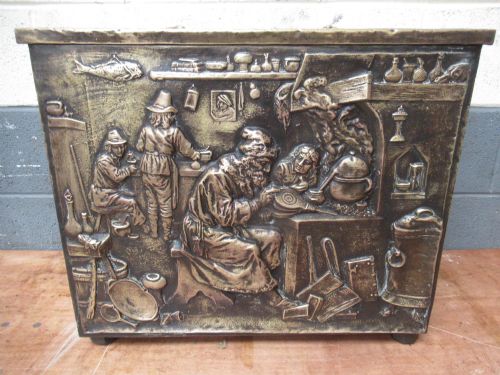
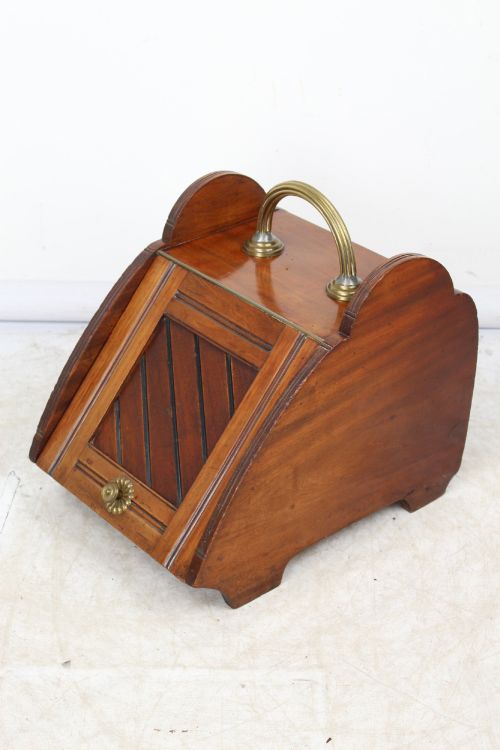
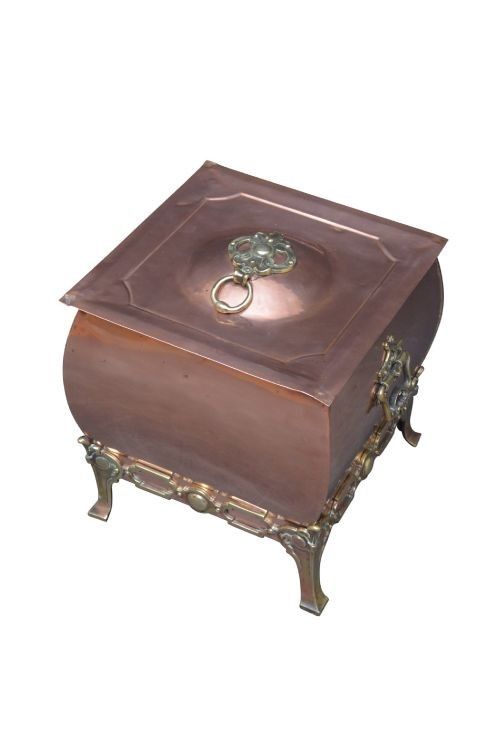
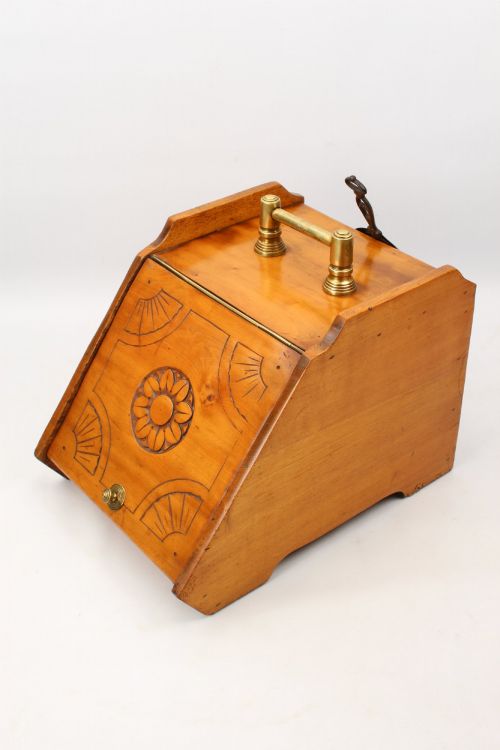
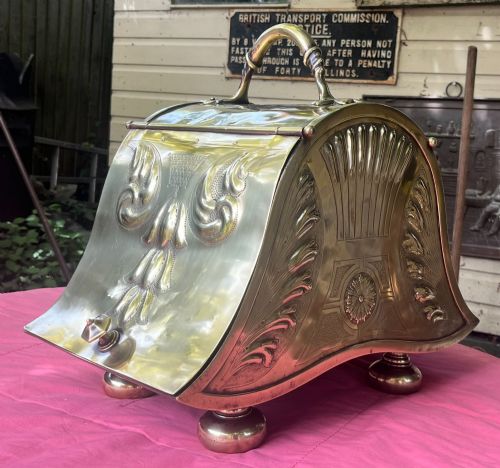
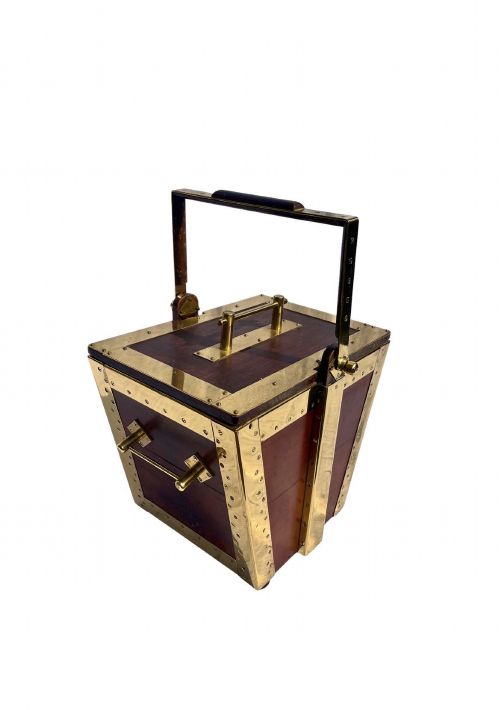
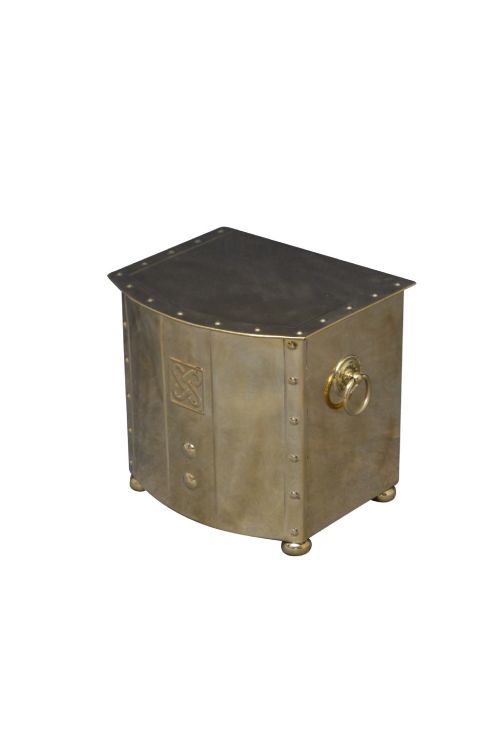
A brass coal scuttle box is a practical fireside container designed to hold solid fuel close to the hearth. These pieces combine utilitarian metal elements with cabinetry, appearing in various forms from simple buckets to elaborate purdonium cabinets.
The selections available range widely across the nineteenth and early twentieth centuries. Victorian and Edwardian examples dominate, displaying regional British craftsmanship in oak, mahogany, walnut, and polished brass.
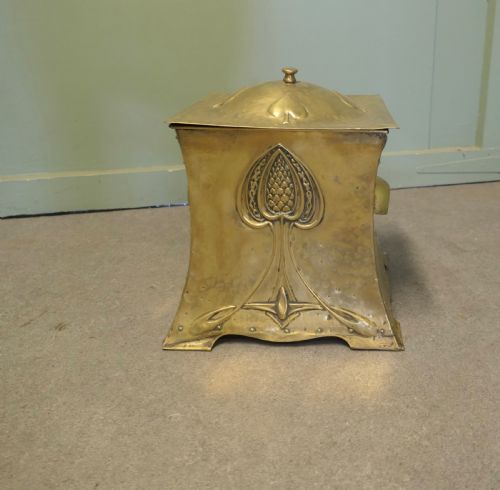
Makers utilised different stylistic movements, producing items that span from plain utilitarian boxes to decorative Arts and Crafts, Art Nouveau, and Aesthetic Period designs. Many incorporate drop handles, shovels, and internal metal liners for daily use.
Materials and construction methods
Makers built the structural bodies of these boxes using solid timbers such as oak, mahogany, walnut, and pine, often augmenting them with decorative brass mounts, hinges, and carrying handles. Metal components appeared in polished brass, copper, iron, and occasionally toleware or ormolu.
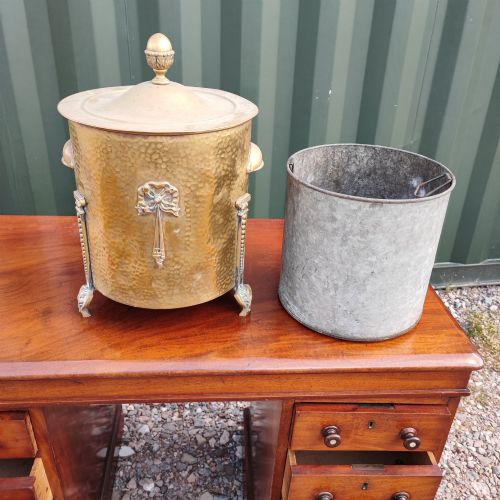
Joinery techniques varied from traditional dovetailing in wooden carcases to beaten and riveted metalwork on helmets and buckets. Many examples feature interior metal liners designed to contain coal dust and protect the surrounding timber frame.
The archive and current listings span Victorian, Edwardian, Arts and Crafts, and Art Deco periods.
Distinctions in craftsmanship
Quality rests in the weight of the metal and the selection of the timber grain. Superior boxes utilise heavy-gauge brass and well-figured hardwoods rather than thin sheet metal or secondary veneers.
Makers who invested time in hand-beaten repoussé work, secure dovetailed joints, and original interior liners produced pieces that endure. The presence of matching shovels and robust hardware elevates a standard fuel container to a refined piece of fireside furniture.
Benham and Froud·Henry Loveridge
The Brass Coal Scuttle Box Glossary
- Purdonium
- A dedicated coal cabinet featuring a hinged sloping front and often containing a removable metal liner. This form gained popularity during the Victorian era for domestic hearths.
- Toleware
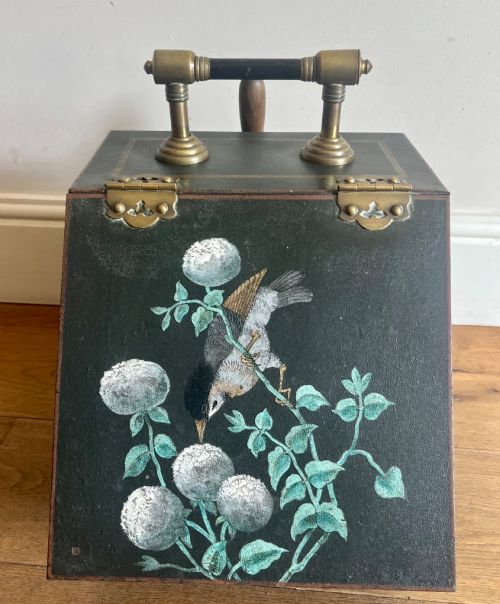
- Lacquered or enamelled metalware, frequently decorated with hand-painted or stencilled designs. It provided a durable and colourful alternative to plain iron or brass.
- Arts and Crafts
- A design movement prioritising traditional craftsmanship, simple forms, and visible construction methods. Pieces from this style often display hand-worked copper and brass hinges.
- Aesthetic Movement
- A late nineteenth-century design style focusing on visual and artistic qualities rather than narrative function. Items from this period often incorporate ebonised wood and stylised metal mounts.
- Helmet bucket
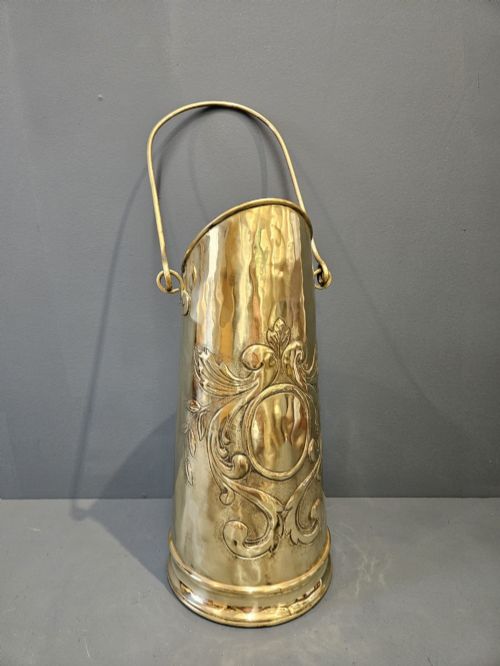
- A coal container shaped with a flared rim resembling a traditional headpiece, designed for easy pouring. These items usually feature a swinging carrying handle at the top.
Brass Coal Scuttle Box: Frequently Asked Questions
What is a purdonium?
A purdonium is a specific type of coal cabinet with a hinged front designed to tilt forward for easy access. They became common in nineteenth-century homes to keep fuel neatly concealed beside the fireplace.
These cabinets usually house an internal metal liner that lifts out for cleaning and refilling. Their enclosed design kept coal dust away from surrounding carpets and furnishings.
How do I date a brass coal box?
Dating relies on observing the combination of materials, construction methods, and stylistic cues present in the piece. Victorian examples often feature heavy brass mountings and rich hardwoods, while Edwardian pieces can show lighter inlay work.
Later items from the twentieth century may reflect Art Deco or simpler utilitarian influences. Checking for hand-cut joints versus later machine-made fixings helps narrow down the decade.
Were these boxes only used for coal?
While primarily manufactured to store solid fuel for the hearth, many of these containers served alternative domestic purposes. Their sturdy construction made them suitable for holding logs and kindling.
Some examples also function as planters or general fireside storage units. Owners frequently adapt them today as decorative umbrella stands or log bins.
Why do some have liners?
Interior liners were included to protect the wooden structure of the box from moisture, soot, and physical damage caused by heavy lumps of coal. These removable metal trays made emptying debris much simpler.
Original liners add authenticity and utility to an antique piece. Finding a box that retains its original metal container is a notable advantage for collectors.