


Brass Claw Foot Bucket
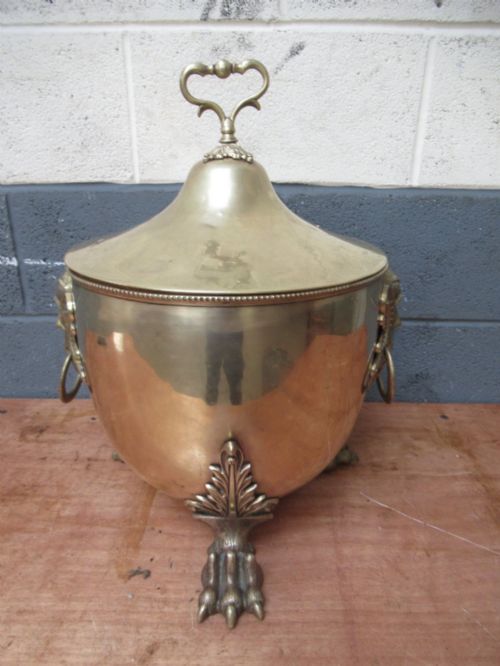
A brass claw foot bucket combines heavy metal construction with distinct paw supports, serving firesides and wine storage across Georgian, Regency, and Victorian interiors.
Brass Claw Foot Bucket
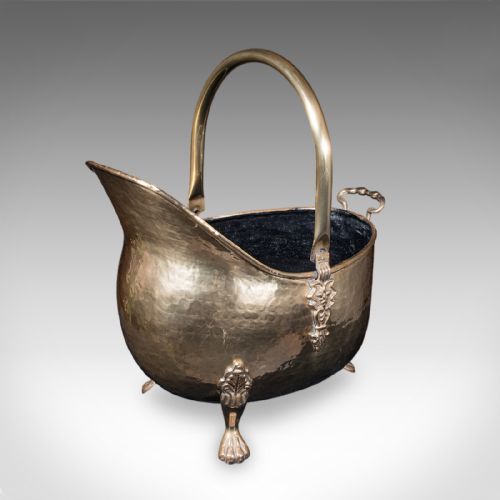
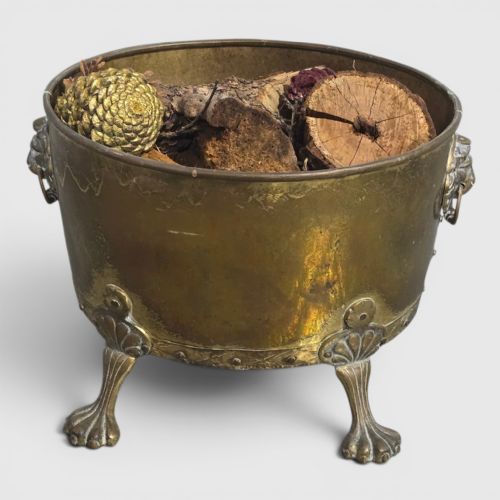
A brass claw foot bucket encompasses various fireside and entertaining vessels, taking the form of log bins, coal buckets, and wine coolers. When exploring a brass claw foot bucket, buyers encounter pieces spanning from the eighteenth century through to the Edwardian era, reflecting shifting domestic habits in country houses and town residences.
Materials and construction methods
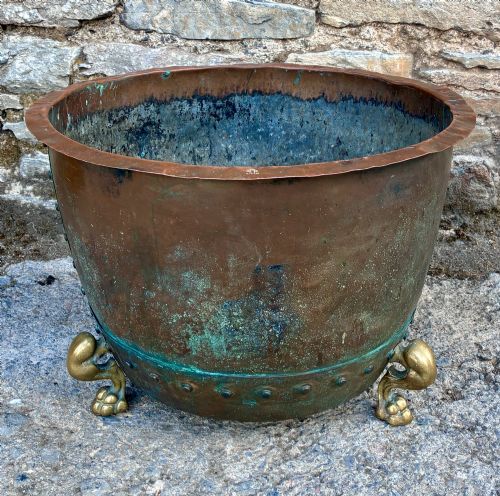
Construction relies heavily on hammered and sheet brass or copper, frequently joined by visible rivets or smooth seams. Artisans utilised cast brass for feet and handles, securing them to sheet metal bodies designed to hold heavy loads of fuel or ice.
Wooden elements such as mahogany and ebony appear in specific forms like wine coolers and specialised bins, often combined with metal liners and mounts. Handbeaten finishes demonstrate the manual skill involved in shaping sheet metal over formers.
Some nineteenth-century coal buckets doubled as discreet tavern ice buckets once the fireplace season ended.
Assessing quality and craftsmanship
Quality rests in the gauge of the metal and the crispness of the cast feet, where heavier brass and detailed paw motifs indicate superior workshop output. Thinner sheet metal and plain, machine-stamped fittings generally point to later or more utilitarian production.
The integrity of construction, from tight riveting to well-fitted interior components, separates standard utilitarian vessels from finer decorative pieces made by known makers.
William Soutter & Sons
The Brass Claw Foot Bucket Glossary
- Log bin
- A large container designed for storing firewood beside a fireplace. They are frequently constructed from brass or copper and raised on feet.
- Coal scuttle
- A fireside vessel used for carrying and storing coal. These often feature hinged lids and sturdy carrying handles.
- Wine cooler
- A vessel originally used for chilling wine bottles at the table, often taking bucket or tub forms in mahogany or metal.
- Jardiniere
- An ornamental pot or stand for holding plants or flowers. These share similar construction methods and metal bodies with coal and log buckets.
Brass Claw Foot Bucket: Frequently Asked Questions
What were these buckets originally used for?
These vessels served practical domestic purposes near the hearth or dining area, holding fuel such as coal and logs or chilling wine for guests.
Over time, their sturdy construction and decorative appeal transitioned them into general interior storage and display pieces.
How do I clean brass and copper?
Maintenance typically involves dusting and occasional cleaning with appropriate metal polishes to remove tarnish while preserving the underlying patina.
Aggressive cleaning should be avoided to protect handbeaten textures and historical surface character.
How can I tell the period?
Dating relies on observing manufacturing techniques, such as hand-riveting versus machine-seaming, alongside stylistic details linked to Georgian, Regency, or Victorian design.
Materials like mahogany indicate eighteenth or nineteenth-century cabinetmaking traditions, while heavy cast brass feet reflect Victorian foundry work.
Can I use these near a real fire?
Metal bins are well-suited for holding logs and fuel near a fireplace due to their non-flammable brass and copper construction.
Care should be taken to protect interior linings if storing damp wood or coal directly against antique metal.