

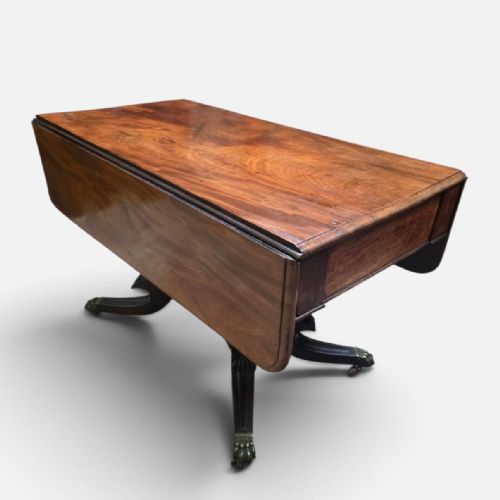
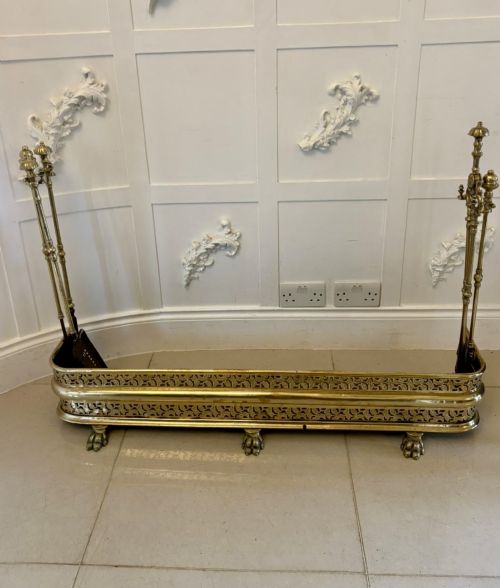
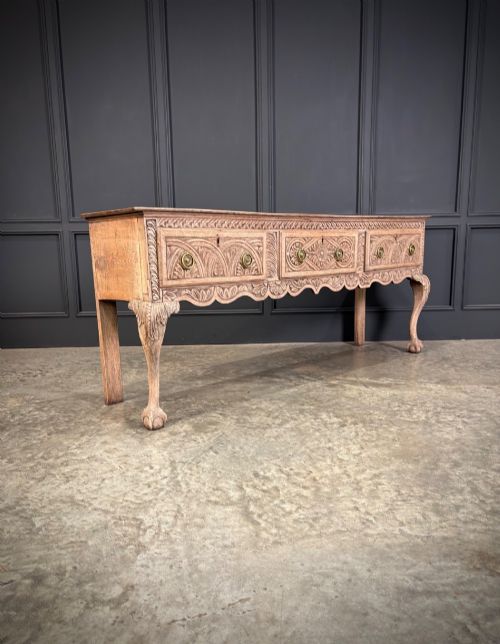
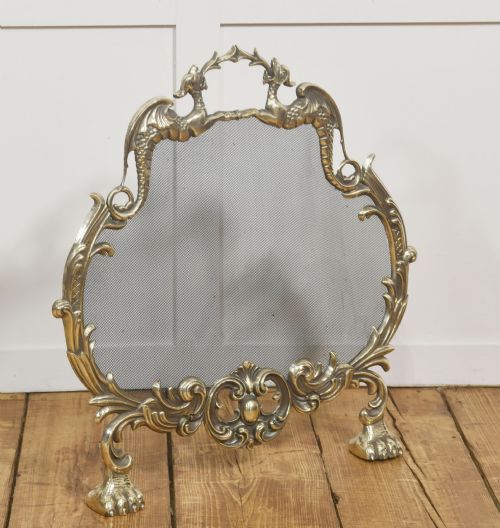

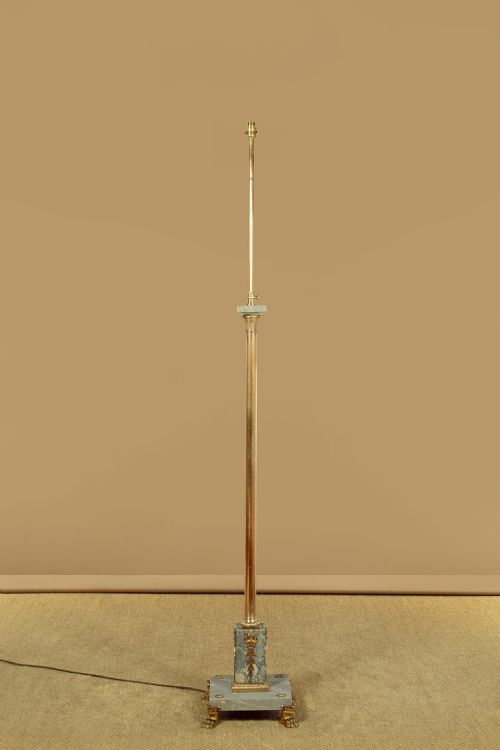
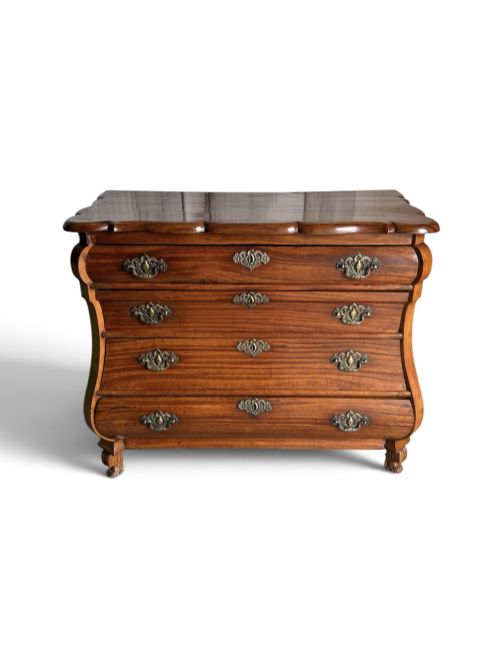
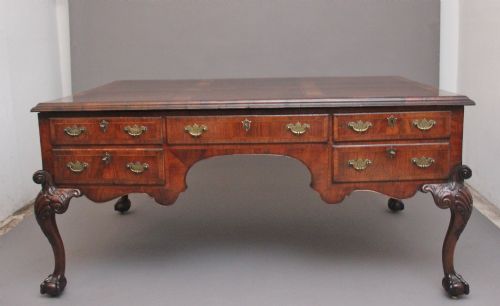
Brass Claw Feet
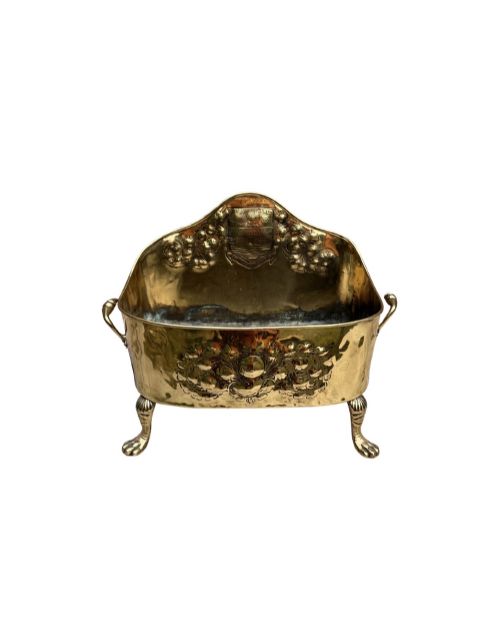
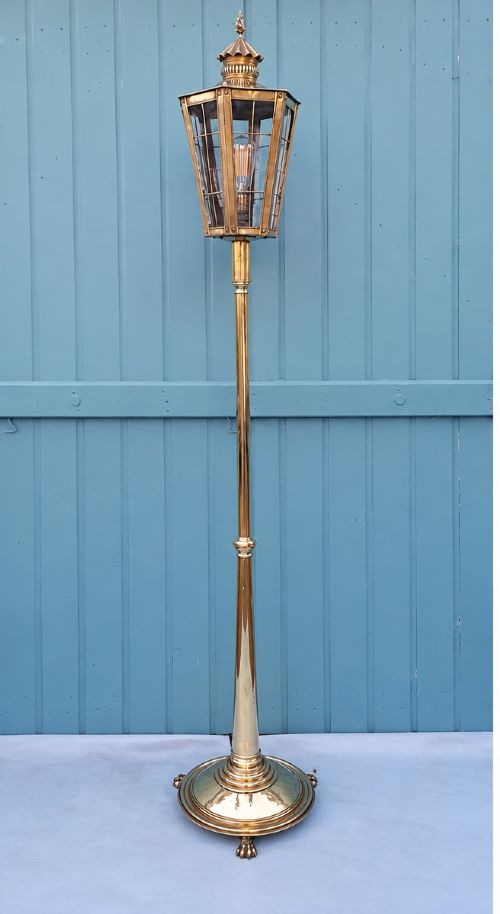
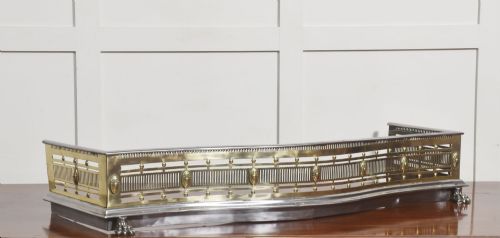
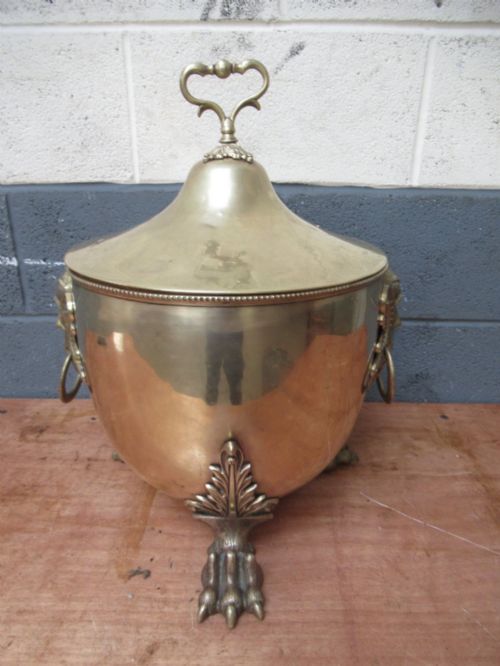
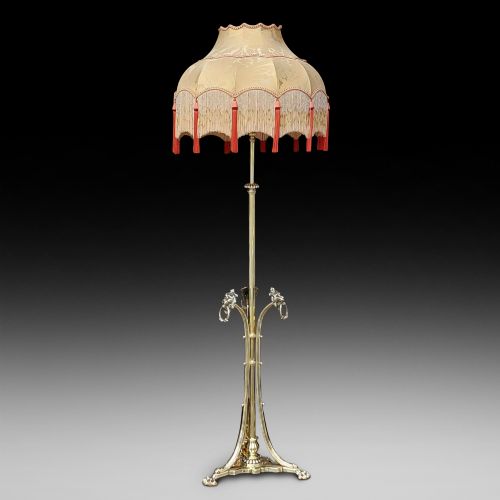
Brass claw feet anchor everything from Georgian console tables to Victorian floor lamps with a sturdy grip.
Brass Claw Feet
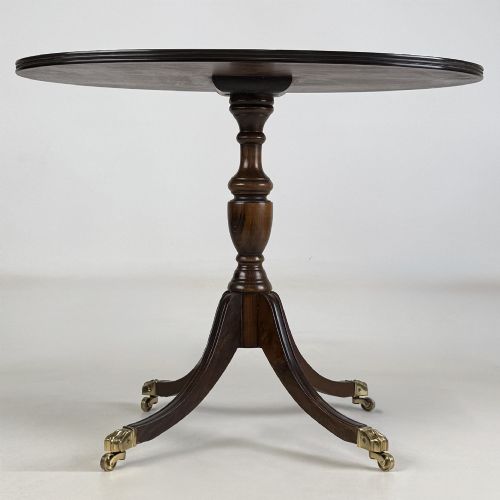
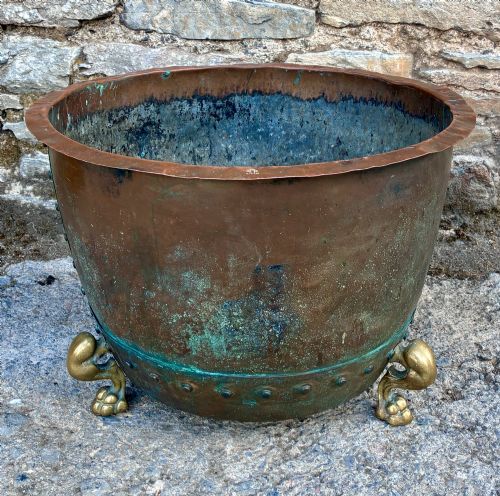
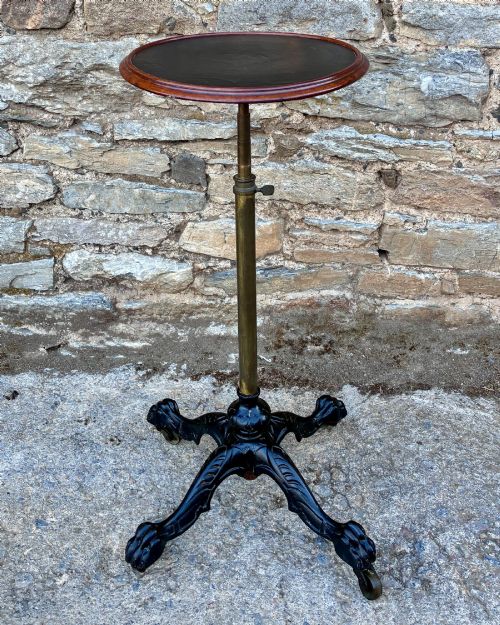
When buyers search for brass claw feet, they are looking at structural or decorative terminals fitted to the base of furniture and floor-standing accessories. These metal mounts take the form of animal paws clutching a sphere or resting flat, adding weight and decorative detail to timber frames.
The versions most commonly met on this page appear on 19th-century Regency and Victorian tables, desks, and fireplace accessories. They frequently accompany mahogany, rosewood, and oak furniture pieces that span the Georgian to Edwardian periods.
Materials and construction
These elements are cast in brass, often combined with mahogany, oak, and other timber bodies to anchor heavy items like dining tables and fire fenders. Metal components are shaped through traditional founding methods, resulting in crisp surface details that handle physical wear.
Makers fixed these brass terminals securely to wooden legs using pins or screws, ensuring the metal took the brunt of floor contact. The surrounding woodwork often matches the period styling, ranging from simple Regency lines to ornate French Empire and Chippendale revivals.
Brass Claw Feet Retail Price Guide 2026
Typical asking prices for brass claw feet among the pieces listed under this phrase on Sellingantiques today, from the lower quarter to the upper quarter. They describe what is for sale here now, not the wider market.
Listings span multiple eras, including Georgian, Regency, Victorian, and Edwardian items.
Judging quality in brass components
Quality shows in the crispness of the casting and the depth of the detail in the claws, where finer examples display sharp definition rather than soft, worn edges. The fit between the metal foot and the timber leg indicates the care taken during original assembly.
Heavier gauge metal and thoughtful finishing separate superior pieces from simpler utilitarian mounts. Metal surfaces that retain a pleasing aged tone without excessive cleaning demonstrate proper preservation over time.
George Bullock·Desbois & Wheeler
The Brass Claw Feet Glossary
- Claw and ball foot
- A furniture foot formed of an animal's talon grasping a spherical ball. This classic motif appears frequently on 18th-century and 19th-century seating and tables.
- Regency
- A British design period spanning the early 19th century. It draws heavily on classical Greek and Roman motifs.
- Jardiniere
- An ornamental pot or stand designed to hold plants or flowers. These items appear in brass, copper, and ceramic across Victorian listings.
- Fire fender
- A low metal guard placed in front of a fireplace to contain embers. Examples range from pierced brass to steel combinations.
- Drop leaf dining table
- A table with hinged flaps that fold down to save space. They often rest on timber legs finished with metal terminals.
Brass Claw Feet: Frequently Asked Questions
What periods feature brass claw feet?
These mounts appear predominantly on pieces from the 18th century, the Regency era, and the Victorian period. They also surface on Edwardian reproductions and revival styles.
Makers across these decades utilised brass to finish the legs of dining tables, card tables, and heavy storage furniture.
Are brass feet original to the furniture?
On quality pieces, the metal terminals fit the timber leg precisely with original fixings that match the period. Close inspection of the screw holes and metal wear helps determine if the components belong together.
Many Regency and Victorian items retain their factory-fitted mounts unaltered.
How do I clean brass claw feet?
Gentle dusting and occasional light cleaning preserve the aged surface without stripping the natural patina. Avoid harsh chemical polishes that remove historic character.
Keeping the metal dry prevents corrosion and maintains the warm tone of the brass.
What wood types match brass feet?
Dark timbers such as mahogany, rosewood, and oak provide the traditional contrast for bright brass mounts. These combinations dominate Georgian and Victorian cabinetmaking.
The warmth of the wood highlights the metallic detail on tables and desks.