
Brass Candle Lighting
These pieces of brass candle lighting bring genuine period warmth and illumination to a room, spanning multiple centuries of craftsmanship.
Brass Candle Lighting
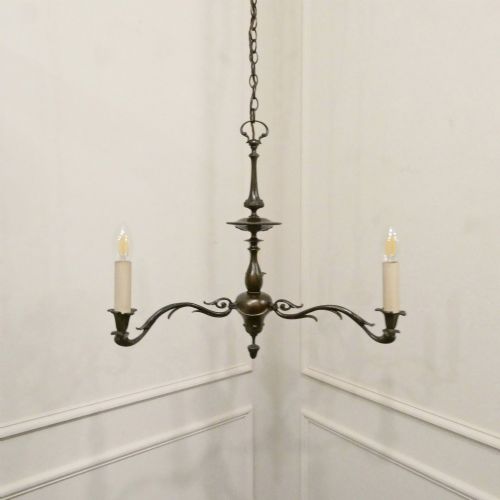
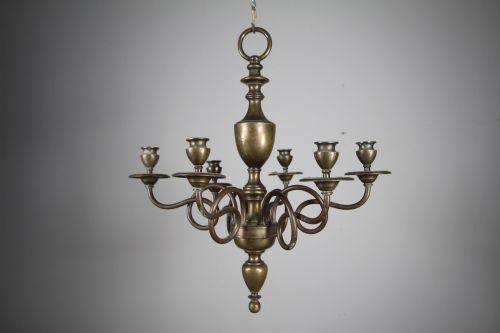
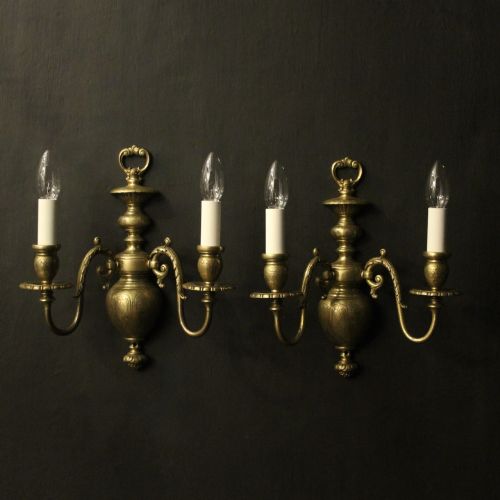
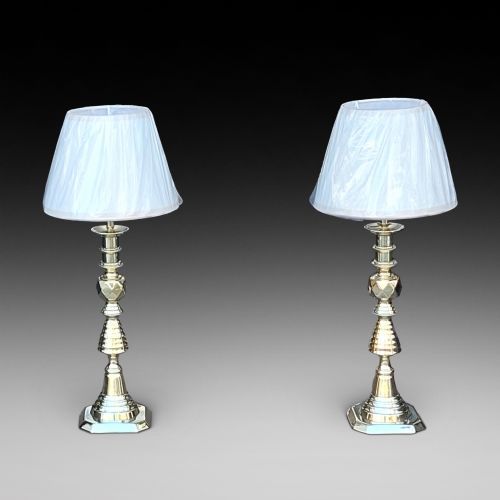
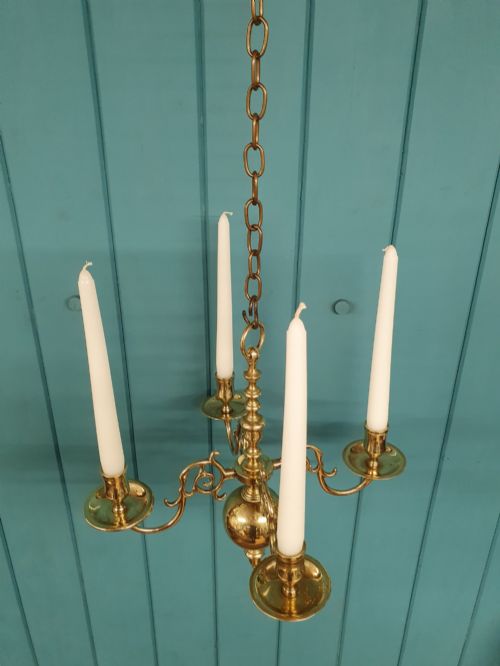
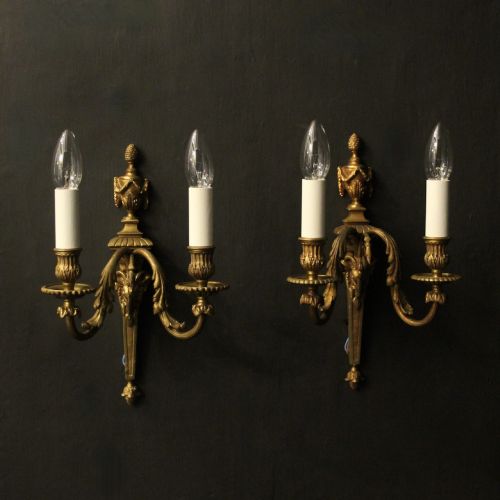
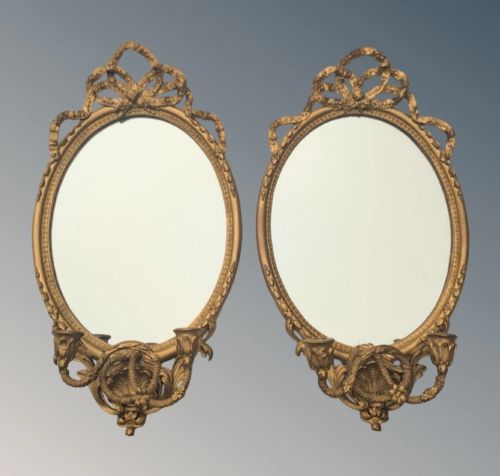
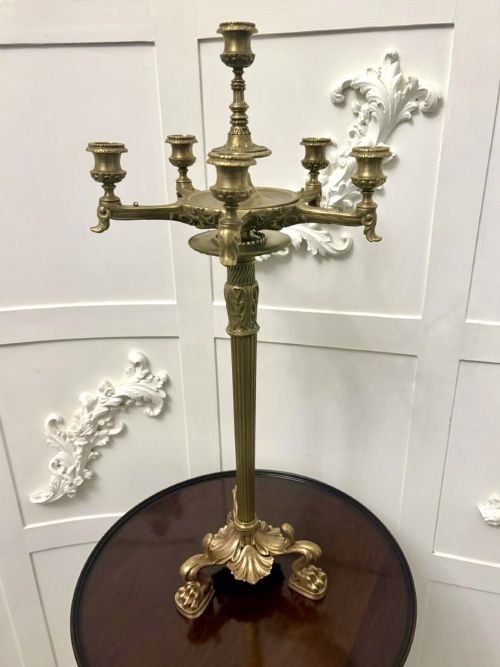
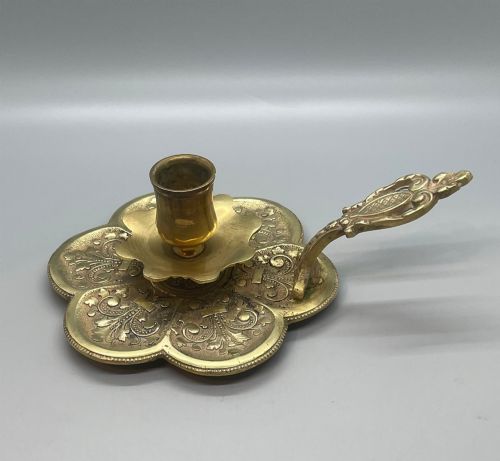
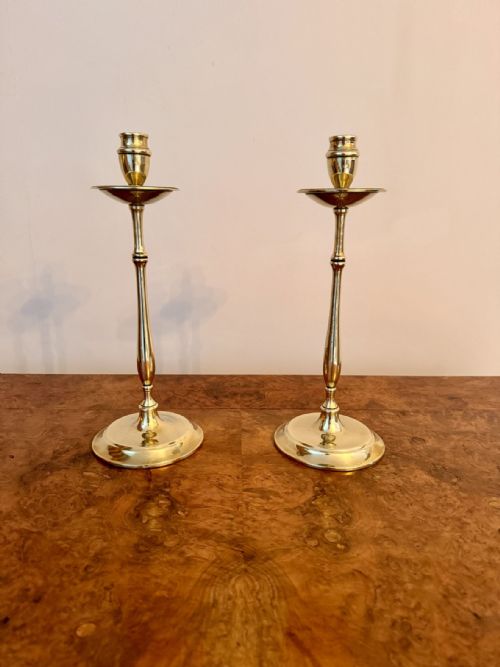
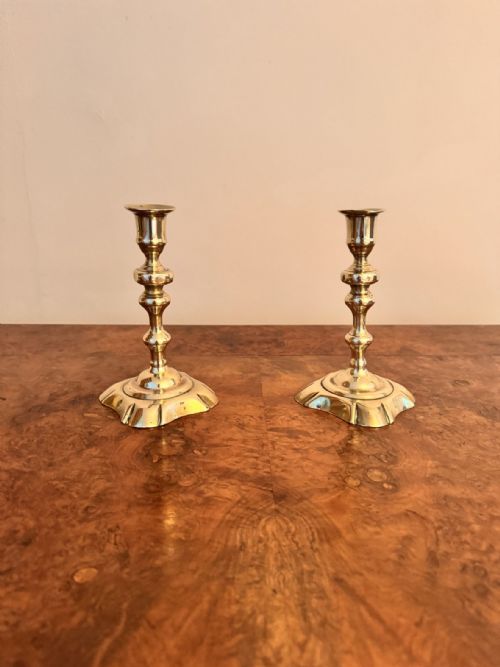
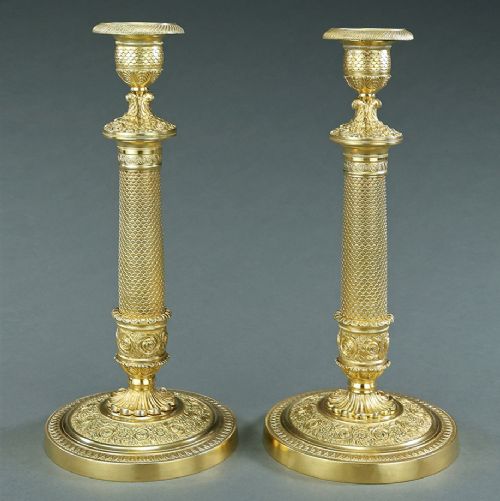
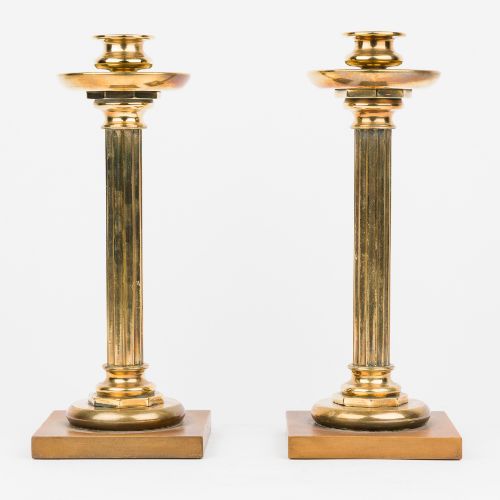
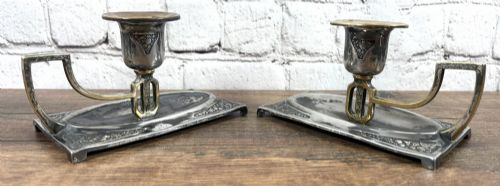
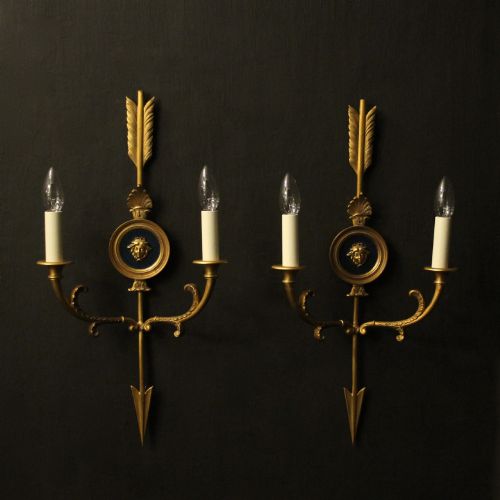
Brass candle lighting encompasses a broad range of forms, including candlesticks, wall lights, chandeliers, wall sconces, candelabra, hall lanterns, ceiling lights, and hanging lanterns. These items originate from periods such as the 17th century, Georgian, Victorian, 19th century, and the early 20th century up to 1930.
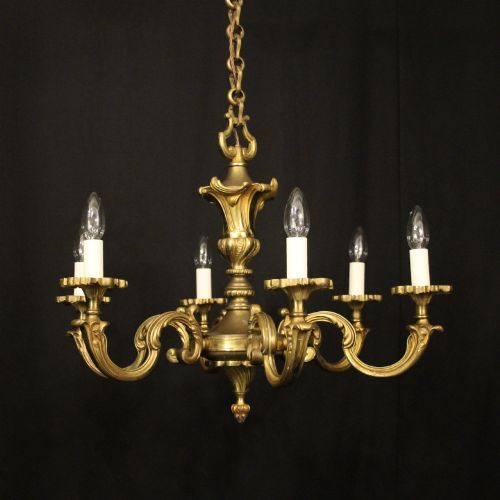
The versions most frequently met on this page include French multi-arm gilded bronze chandeliers and wall lights from the 1920s and 1930s, alongside 19th-century brass and bronze candlesticks. Buyers also encounter English Georgian candlesticks and various revival styles like Gothic and Adam.
Objects range from simple domestic brass candlesticks to elaborate French chateau style chandeliers hung with crystal lustres and convex glass hall lanterns. Figural pieces, such as standing terrier dog or bear candlesticks, offer more distinctive decorative options.
How they were made
Items in this category rely primarily on metalworking techniques using brass, bronze, gilt bronze, and ormolu. Components are cast, turned, or joined, often exhibiting the distinct seam lines found on earlier Georgian pieces.
Many French and English pieces incorporate surface gilding or patination, combining polished brass with gilded bronze to catch and reflect light. Glass and crystal elements, including crystal lustres and amethyst glass, are integrated into chandeliers and lanterns.
Ornate decorative details are achieved through casting and chasing, seen in floral ribbons, neoclassical motifs, and figural animal sculptures. Construction methods vary from heavy church pricket candlesticks to multi-arm chandeliers wired or adapted for interior illumination.
Listings include French chateau and neoclassical styles alongside Gothic and Adam revivals, spanning brass, gilt bronze, and crystal materials.
What varies in quality
Quality in these pieces depends upon the crispness of the casting and the depth of the chased detail in the metalwork. Pieces with well-defined ornamentation, such as intricate rococo scrollwork or precise neoclassical motifs, demonstrate superior execution.
The integration of secondary materials significantly influences character and finish, particularly the clarity of crystal lustres, the quality of gilded bronze or ormolu surfaces, and the inclusion of original glass panels in lanterns.
Proportion and weight differentiate standard domestic items from substantial church pricket candlesticks or large multi-light chandeliers. The integrity of construction, from the stability of twin-arm wall sconces to the balance of standing candelabra, marks the level of workshop competence.
Barbedienne·Bruce Talbert
The Brass Candle Lighting Glossary
- Ormolu
- A technique of applying finely ground, high-carat gold to a bronze object. This finish provides a warm, reflective golden glow seen on many French decorative pieces.
- Pricket candlestick
- A candlestick featuring a central metal spike that holds the candle in place, rather than a socket. These are frequently found on ecclesiastical or church lighting.
- Candelabra
- A multi-branched candleholder designed to hold several candles simultaneously. They often feature removable arms or elaborate figural supports.
- Crystal lustre
- A cut glass pendant or drop hung from chandeliers and wall lights to refract light. They add sparkle and movement to French and English lighting fixtures.
- Hall lantern
- An enclosed hanging light designed for corridors and entranceways. These often feature glass panels, sometimes convex, housed in a brass or bronze frame.
Brass Candle Lighting: Frequently Asked Questions
How do I clean brass candle lighting?
Dust gently with a soft, dry cloth to preserve any existing patination or gilding. Avoid harsh chemical polishes that strip away historical surface treatments.
For pieces with crystal or glass components, wipe those specific areas carefully with a damp cloth while protecting the metal structure from moisture.
Were these chandeliers originally wired for electricity?
Most antique chandeliers and wall lights from periods like the 1920s and 1930s were manufactured during the transition to electricity, though earlier items were strictly for candles.
Many pieces listed now have been adapted or wired for modern use while retaining their original brass, bronze, and crystal structures.
How can I tell a Georgian candlestick from a Victorian one?
Georgian candlesticks often display manufacturing traits such as seam lines from early casting methods, alongside simpler, classical proportions in brass or mahogany.
Victorian pieces frequently lean towards heavier proportions, revival styles like Gothic or Adam, or more ornate figural designs such as animals and church prickets.
What is the difference between a wall sconce and a wall light?
Wall sconces generally refer to decorative brackets fixed to a wall for holding candles or light sources, often associated with specific historical revivals.
Wall lights can cover a broader category of fixed wall-mounted fixtures, including multi-arm gilded brass or bronze fittings from the early 20th century.