


Brass Candelabra Light
A brass candelabra light brings warm illumination and sculptural weight to a room, drawing on centuries of metalwork traditions.
Brass Candelabra Light
When searching for a brass candelabra light, buyers encounter multi-branched pieces designed to hold candles or wired for electricity. These objects span the nineteenth and early twentieth centuries, reflecting diverse periods from Victorian to Arts and Crafts.
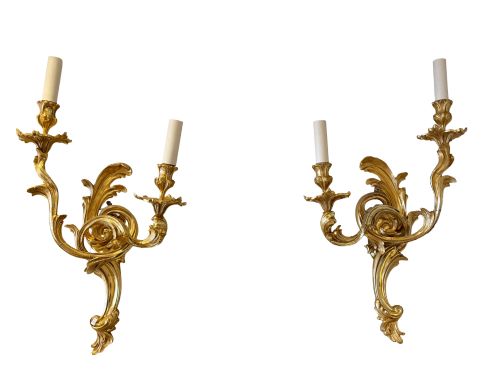
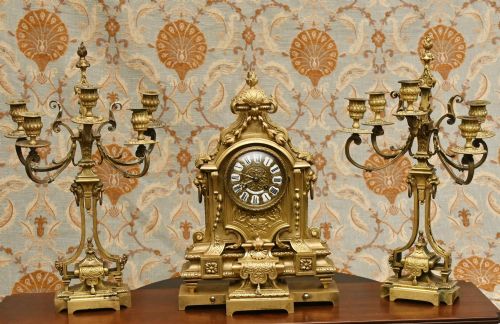
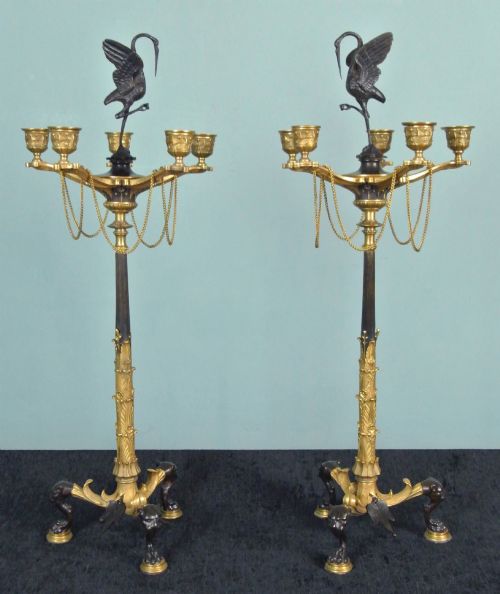
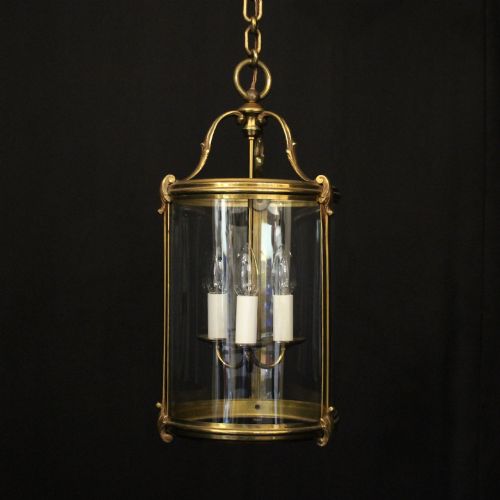
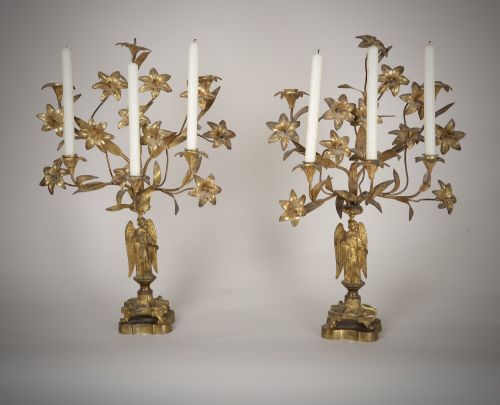
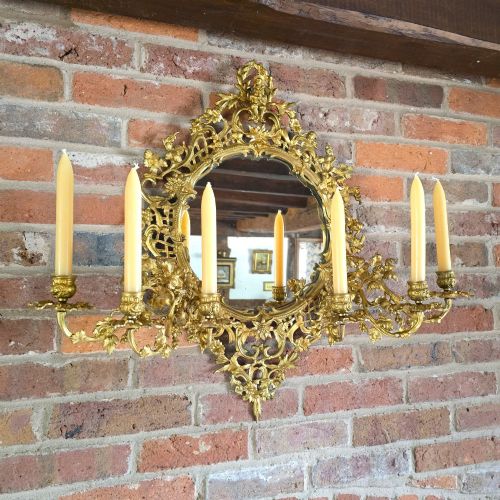
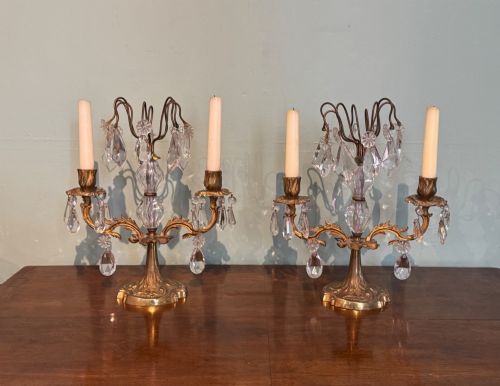
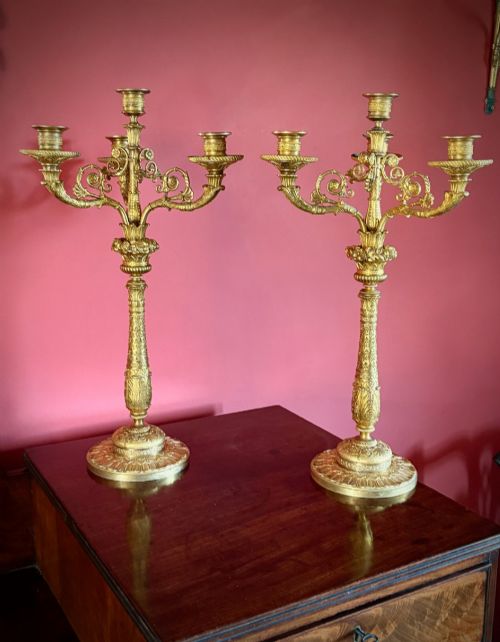
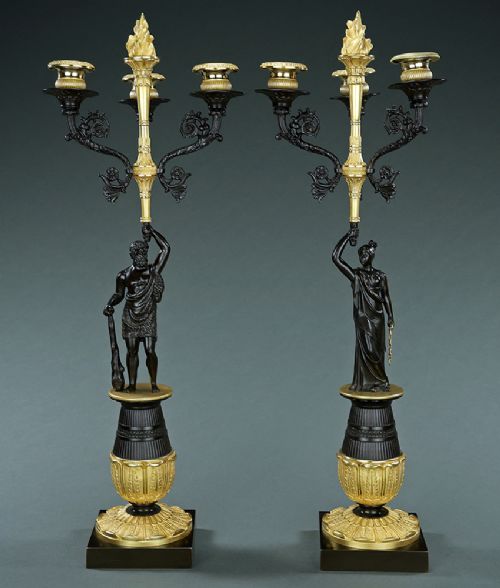
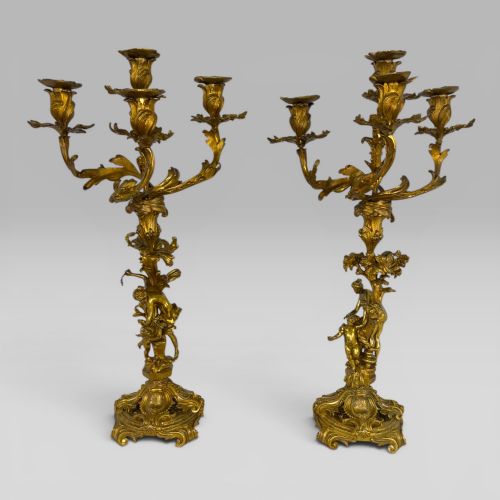
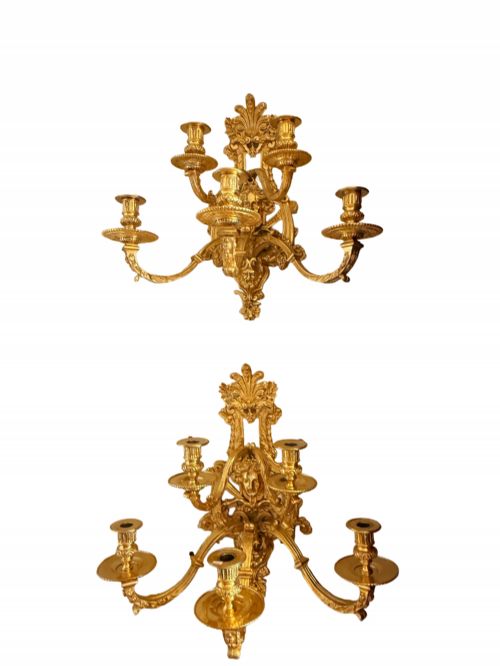
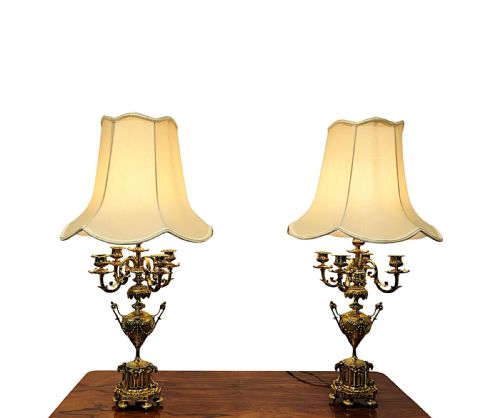
The most common versions on this page are matched pairs from the nineteenth century, often cast in France or England. They take the form of table candelabra, wall sconces, and converted candle chandeliers carrying multiple arms for illumination.
Stylistic influences range from Gothic Revival and Neoclassical to French Rococo, showing how makers adapted historical motifs for domestic lighting. Pieces incorporate materials like marble, crystal, and bronze alongside plain or gilded brass.
Materials and construction methods
Makers shaped these fixtures using cast brass, ormolu, and gilt bronze, often mounting heavy metal components onto marble bases. Molten metal poured into sand or lost-wax moulds created intricate surface details, which workers then chased and finished by hand.
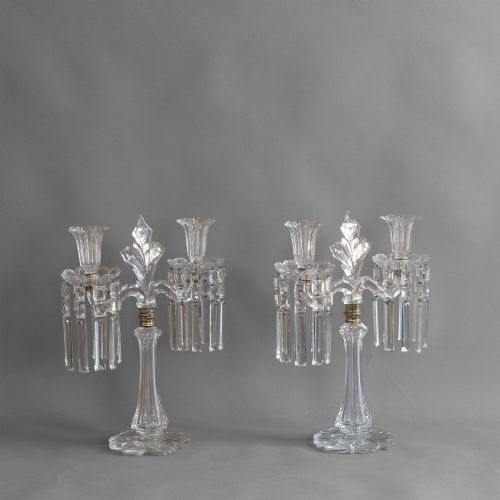
Many items combine cast metal frames with glass drops, crystal pendants, or cut glass elements that refract the light. Articulated joints and adjustable arms appear on specialised student lights and wall sconces from the latter half of the nineteenth century.
Brass Candelabra Light Retail Price Guide 2026
Typical asking prices for brass candelabra light among the pieces listed under this phrase on Sellingantiques today, from the lower quarter to the upper quarter. They describe what is for sale here now, not the wider market.
Listings feature brass, gilt bronze, ormolu, and glass materials across nineteenth and early twentieth-century periods.
Factors separating standard pieces from exceptional work
Quality rests upon the crispness of the casting and the depth of the hand-chasing on the brass or gilt bronze surface. Finer examples retain their original fire gilding or ormolu finish, showing sharp relief in figural elements like cherubs and maidens.
Construction solidity also defines superior pieces, particularly in multi-armed candelabra where joints and sockets must bear the weight of heavy branches. The integration of secondary materials, such as carefully turned marble plinths or unblemished crystal drops, distinguishes the top tier of work.
Wm. Tonks & Sons·Barbedienne·Liberty
The Brass Candelabra Light Glossary
- Ormolu
- A technique of applying finely ground high-carat gold to a bronze base, producing a rich golden finish. This process was widely utilised by French makers during the nineteenth century.
- Champlevé
- An enamelling technique where troughs are dug into a metal surface and filled with vitreous enamel before firing. It appears on decorative nineteenth-century candlesticks and bases.
- Candelabrum
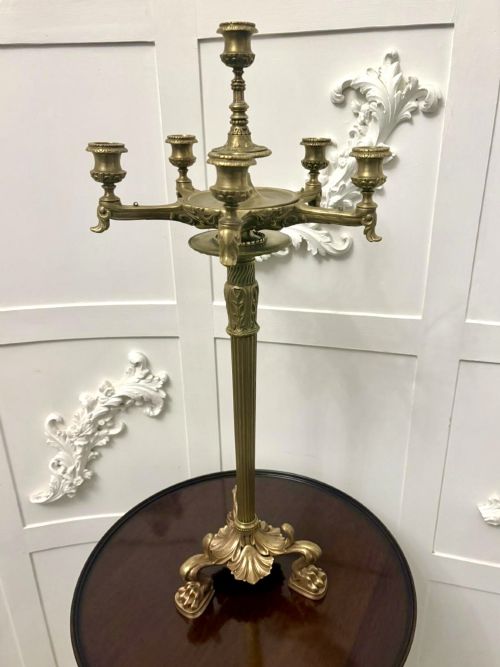
- A branched candlestick holding multiple lights. The plural form is candelabra, denoting fixtures with two or more arms.
- Sconce
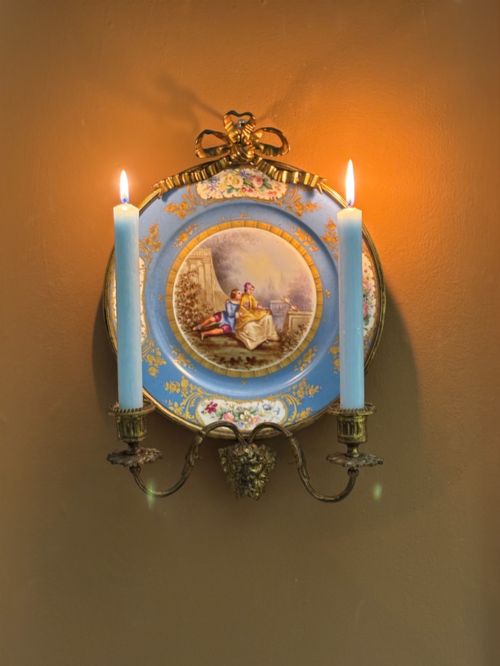
- A wall-mounted lighting fixture designed to hold candles or lamps. These pieces project outward to cast light across a room.
- Gilt Bronze
- Bronze metal treated with a gold wash or mercury gilding to impart a golden sheen. It provides durable ornamentation for classical and revival styles.
- Bouillotte
- A traditional French table lamp featuring a central shaft, adjustable shade, and candle arms above a small dish base. These typically combine brass and toleware elements.
Brass Candelabra Light: Frequently Asked Questions
What is a brass candelabra light?
A brass candelabra light is a branched lighting fixture made from brass or related alloys, designed to hold candles or serve as wired lamps.
These pieces range from tall table stands to wall-mounted sconces and ceiling chandeliers.
How do I identify nineteenth-century pieces?
Nineteenth-century pieces often display heavy cast construction, hand-chased surface details, and specific revival styles such as Gothic, Rococo, or Neoclassical.
Examining the metal patina, assembly screws, and base materials helps confirm the period of manufacture.
Were these fixtures electrified later?
Many historical candelabra and candle stands show later conversions to electricity to suit modern homes.
Conversion methods vary, with some retaining the original candle sockets while others integrate internal wiring through the central stem.
Where should I place a wall sconce?
Wall sconces suit flanking positions around mirrors, fireplaces, or architectural doorways in hallways and principal rooms.
Their multi-arm designs project light outward and create balanced illumination across wall surfaces.