

Brass and Mahogany Stand
A brass and mahogany stand brings together warm timber and gleaming metal, uniting utility with the refined style of past centuries.
Brass and Mahogany Stand
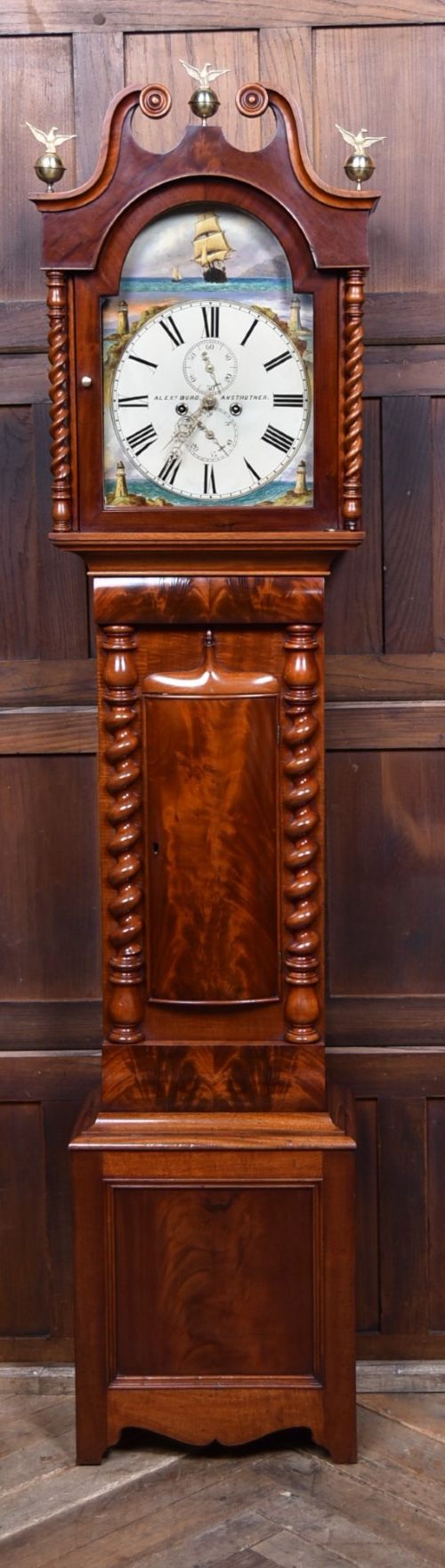
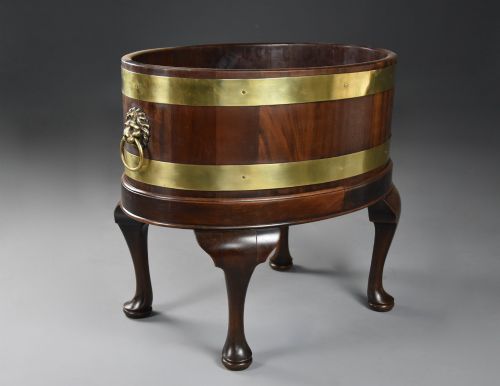
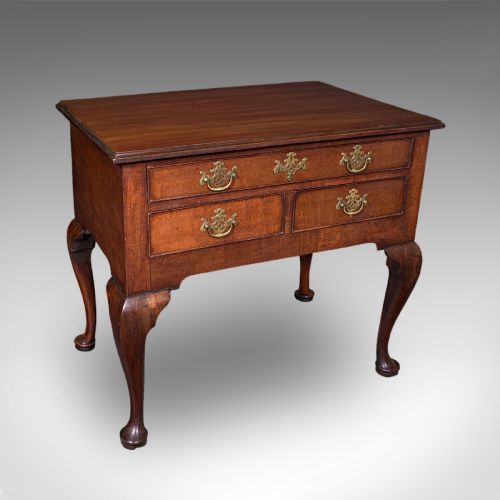
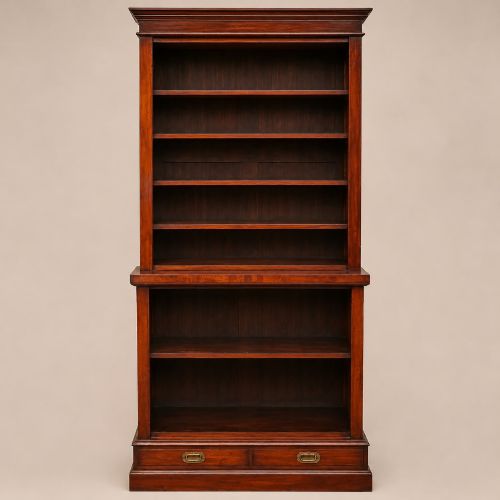
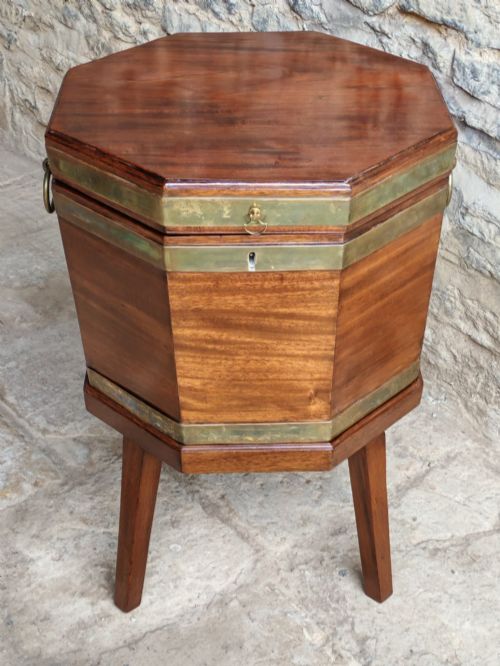
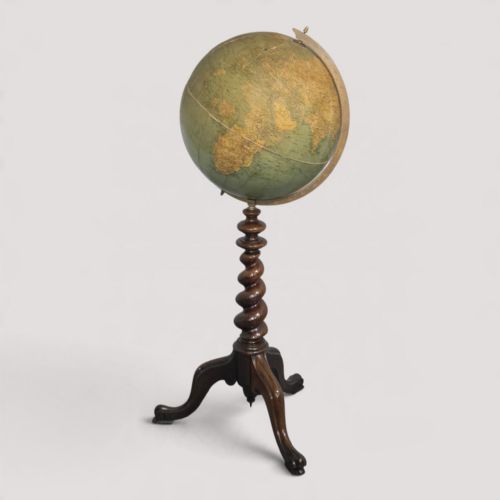
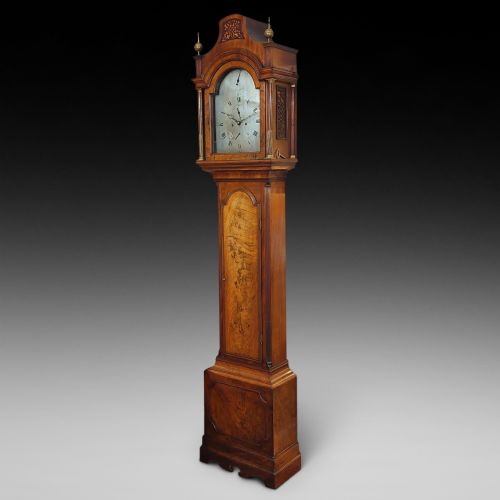
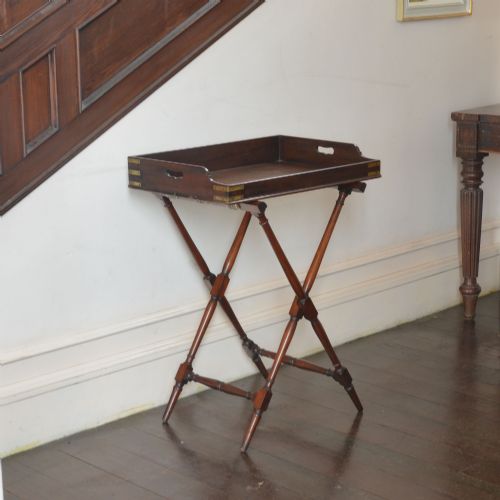
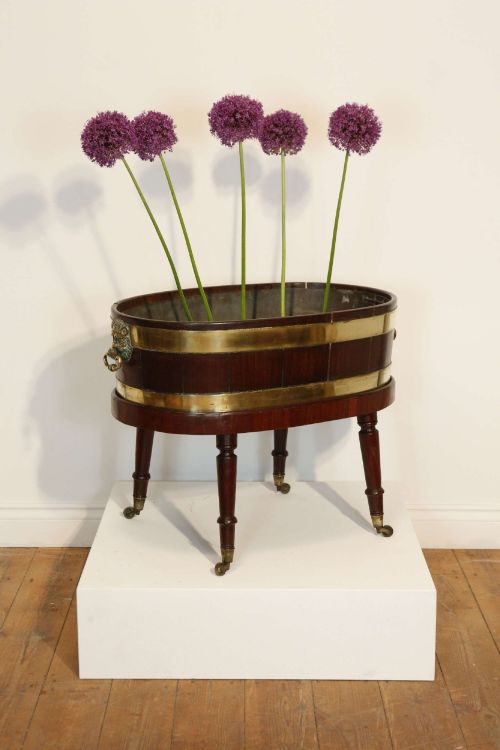
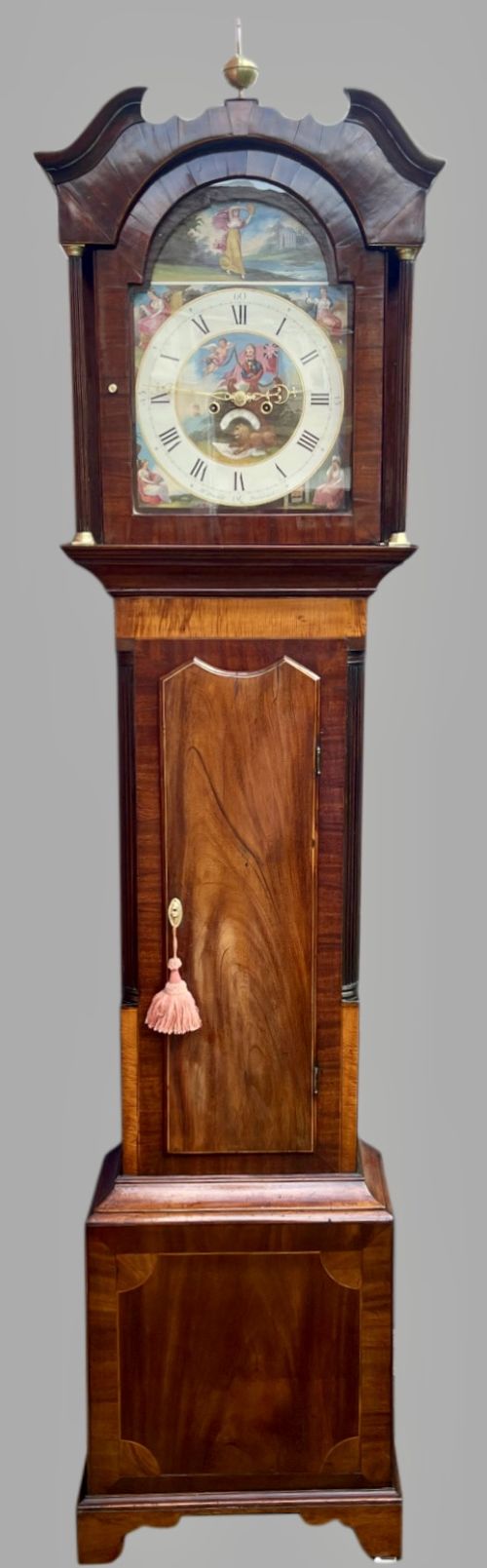
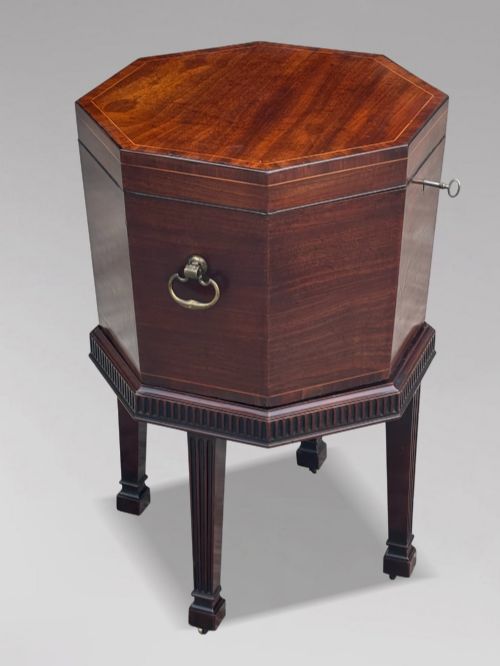
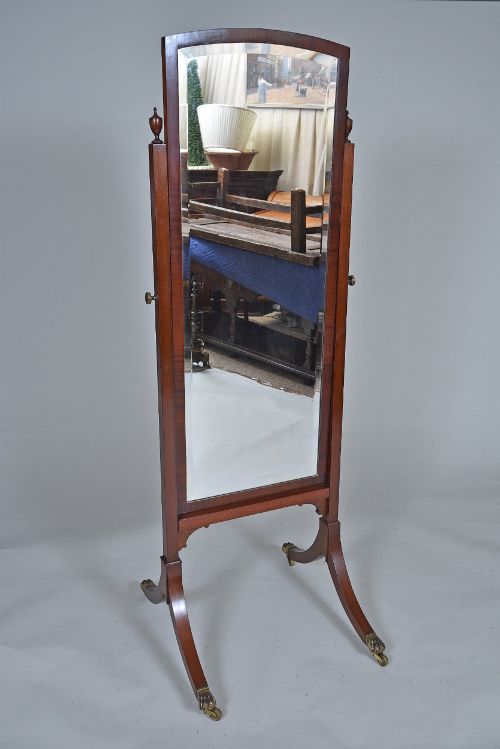
When searching for a brass and mahogany stand, collectors encounter a diverse group of functional domestic furnishings originating from the Georgian, Regency, Victorian, and Edwardian periods. These items combine the rich, dark grain of mahogany with polished brass mounts, galleries, feet, or fittings.
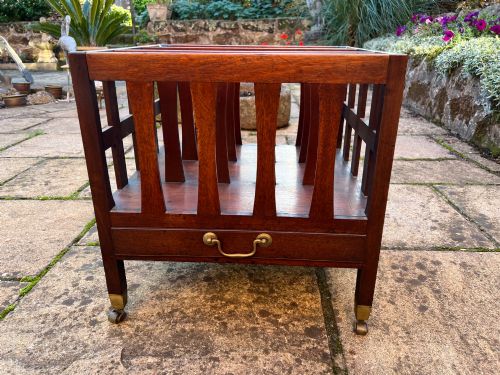
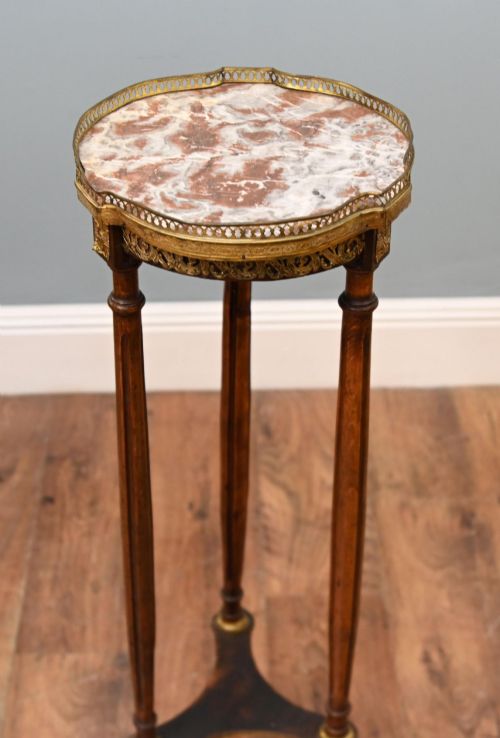
The objects take various domestic forms on this page, including music stands for sheets or books, lamp tables with protective brass galleries, magazine holders, and side tables. While some pieces are primarily decorative or display items, others served practical roles in libraries, drawing rooms, and hallways.
Originating predominantly from English and continental workshops, these pieces reflect prevailing design movements such as George III, Louis XVI, and Directoire Neoclassical. Buyers frequently find them spanning the eighteenth, nineteenth, and early twentieth centuries.
Materials and construction methods
Cabinet makers relied heavily on solid mahogany and mahogany veneers, often enhanced with secondary timbers like satinwood for contrast or inlay work. The timber was selected for its deep grain pattern and polished to a smooth finish.
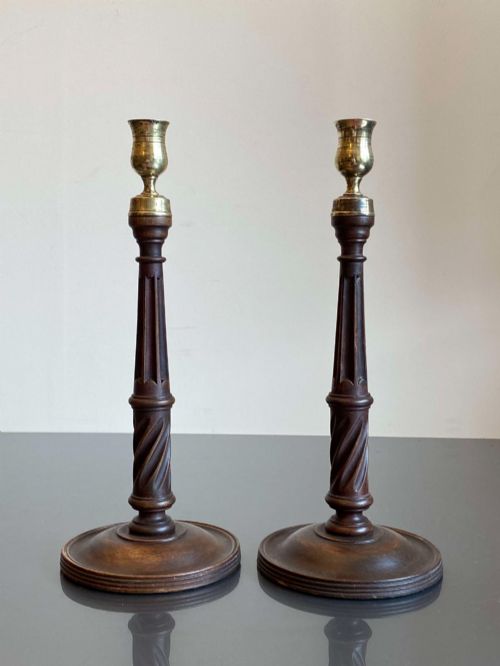
Brass was utilised for structural support, decorative galleries, castors, and hanging hooks, contributing both functional durability and a bright visual contrast against the dark wood. Additional materials such as marble tops, glass panels, and iron frameworks appear on specific forms.
Joinery techniques ranged from traditional dovetails on boxes and drawers to turned columns and carved details, reflecting the workmanship of the period in which the item was produced.
Brass and Mahogany Stand Retail Price Guide 2026
Typical asking prices for brass and mahogany stand among the pieces listed under this phrase on Sellingantiques today, from the lower quarter to the upper quarter. They describe what is for sale here now, not the wider market.
Listings feature mahogany combined with brass across the Georgian, Victorian, and Edwardian periods.
Factors that distinguish the work
The standard of a piece depends largely on the crispness of the brass casting, the quality of the mahogany timber selection, and the restraint shown in any decorative carving or inlay. Heavy, well-cast brass elements and finely figured wood distinguish finer examples from standard production items.
Proportion and structural integrity play a significant role, where balanced forms and tight joinery indicate superior workshop execution. Pieces bearing signature details like brass galleries or patinated mounts show greater attention to original design.
Cary London·Charles Shuckburgh London·Gordon of Aberdeen·James McCabe·Gillow
The Brass and Mahogany Stand Glossary
- Gallery
- A raised miniature railing, usually in brass, fitted around the top edge of a table or stand to prevent items from sliding off.
- Canterbury
- A low stand featuring partitions, designed originally for holding sheet music, folios, or books.
- Wotnot
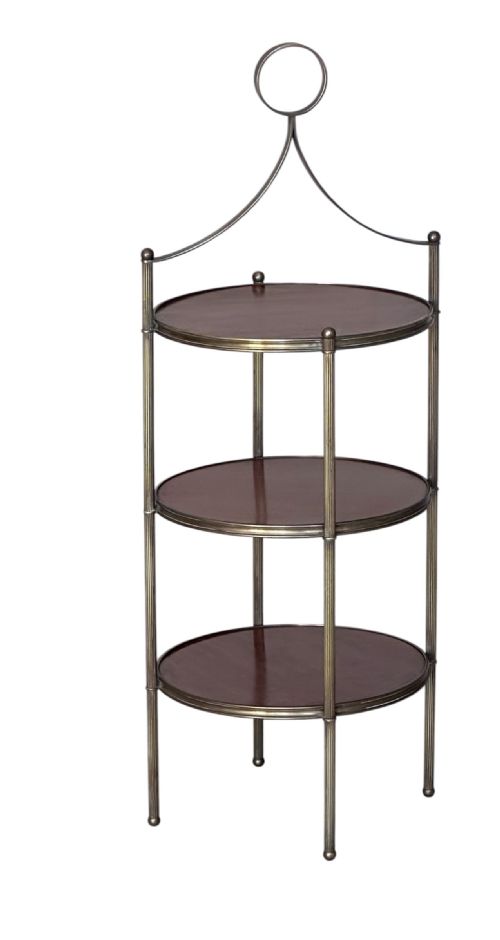
- A set of open shelves standing on legs, used for displaying ornaments or holding books and small objects.
- Castor
- A small swivelling wheel attached to the base of a piece of furniture to allow easy movement across the floor.
- Paterae
- Small circular decorative motifs carved in relief or inlaid, often resembling a classical flower or rosette.
Brass and Mahogany Stand: Frequently Asked Questions
What rooms suit a brass and mahogany stand?
These stands fit naturally into libraries, studies, and drawing rooms where their dark timber and metal accents complement traditional or eclectic interiors. They offer functional surfaces for lamps, books, or decorative objects.
Because many forms are compact, they also sit comfortably in hallways or beside seating areas without overwhelming the floor space.
How do I care for mahogany and brass?
Mahogany benefits from occasional gentle polishing with traditional wax to maintain the depth of the grain and protect the surface from drying out. Avoid placing the timber in direct sunlight or near heat sources.
Brass elements can be left with their natural aged patina or polished lightly with a soft cloth, taking care not to let cleaning compounds touch the surrounding wood.
How are different periods identified?
Georgian and Regency pieces often display classical proportions, finer hand-carving, and heavier cast brass mounts reflecting eighteenth and early nineteenth-century tastes. Victorian examples tend to be sturdier, sometimes incorporating more eclectic ornamentation.
Edwardian items frequently show lighter construction, subtle inlay work, and simpler lines influenced by revival styles at the turn of the twentieth century.
Were these stands used for music?
Many surviving examples, including sheet music stands and duet stands, were specifically designed to hold bound volumes or loose sheets for musicians in the home. Adjustable reading desks and tilting mechanisms allowed players to position their scores at a comfortable angle.
Other stands served general household purposes, such as holding lamps, smoking accessories, or visiting cards in a prominent hallway.