



Brass and Cast Iron Grate
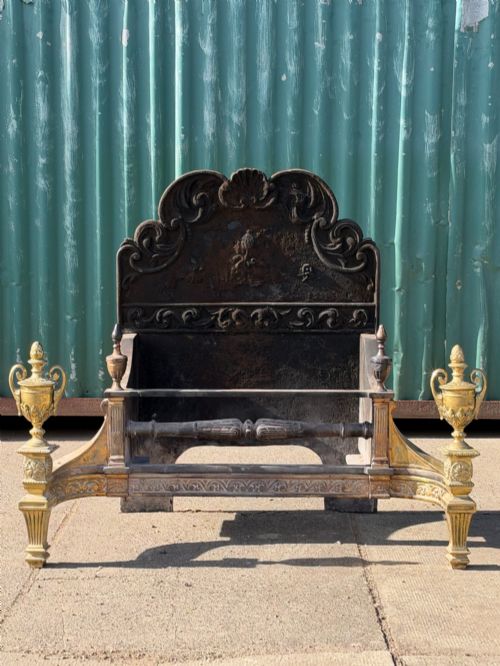
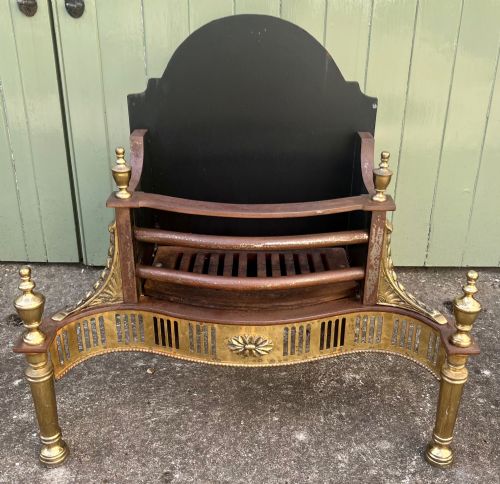
A brass and cast iron grate anchors the hearth with heavy metalwork and bright polished metal, bringing warmth and period character to a fireplace.
Brass and Cast Iron Grate
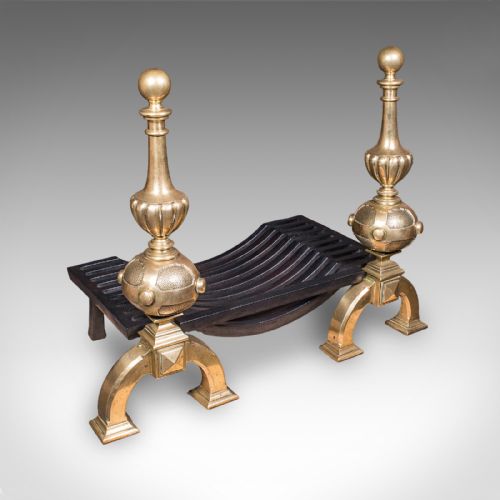
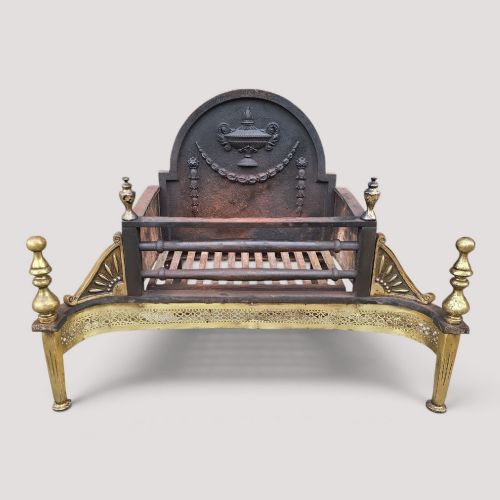
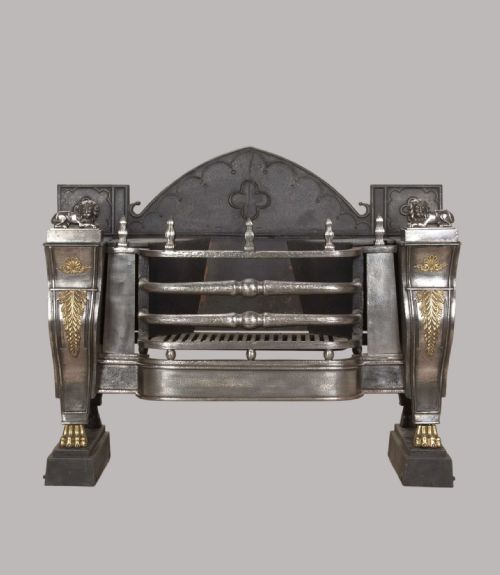
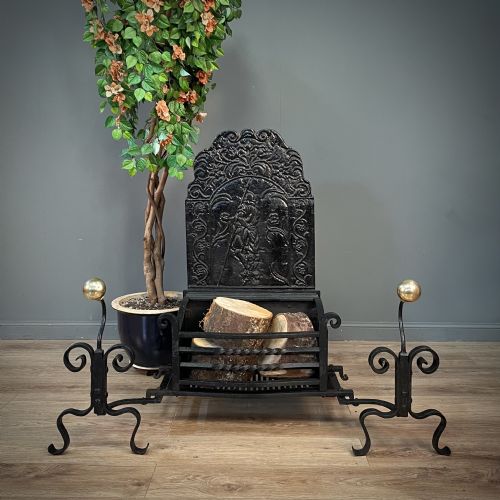
A brass and cast iron grate combines a heavy iron basket for holding solid fuel with decorative brass details such as aprons, urns, or finials. These fireplace fittings appear across several historical periods, most notably the Victorian era and the nineteenth century, alongside revival designs inspired by earlier centuries.
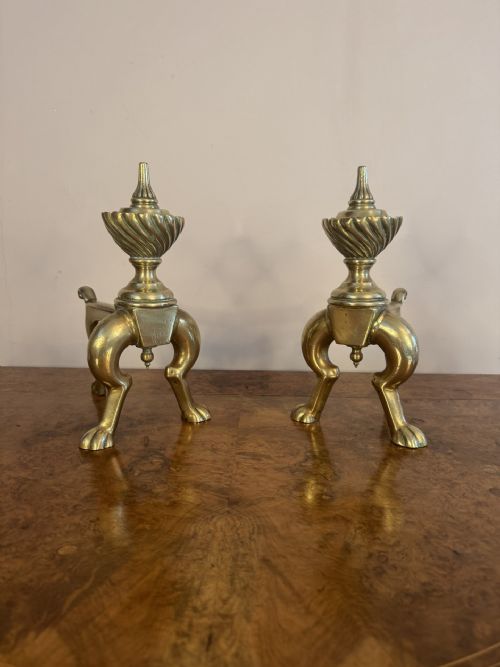
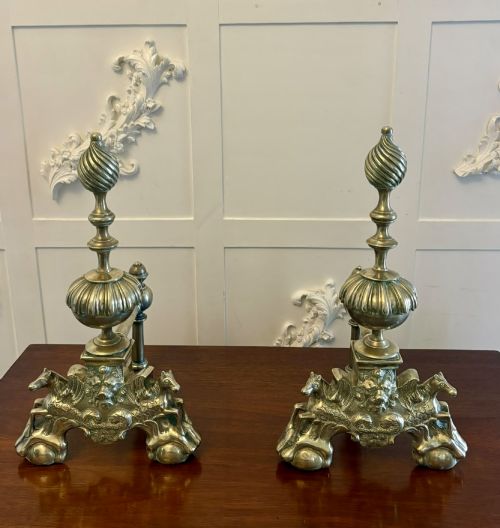
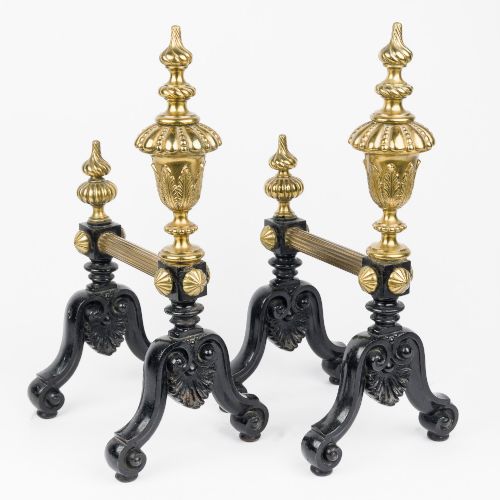
The forms range from substantial register grates and fire baskets with backs to smaller hob grates and freestanding fire baskets. Buyers will also encounter associated hearth accessories such as fire dogs and andirons alongside the main grates.
Stylistic influences span from classical Regency and Neoclassical lines to ornate Victorian work, Adam style symmetry, and the robust textures of Gothic Revival and Arts and Crafts pieces.
Materials and construction
Foundries utilised cast iron to form the robust body, firebacks, and basket bars necessary to withstand intense heat. Wrought iron was additionally employed for structural elements and forged components within the fire baskets.
Brass elements were cast, turned, or sheet-formed separately to provide contrasting bright trim against the dark iron surfaces. Firebrick linings were frequently integrated into the internal structure to protect the metal and retain heat during use.
Brass and Cast Iron Grate Retail Price Guide 2026
Typical asking prices for brass and cast iron grate among the pieces listed under this phrase on Sellingantiques today, from the lower quarter to the upper quarter. They describe what is for sale here now, not the wider market.
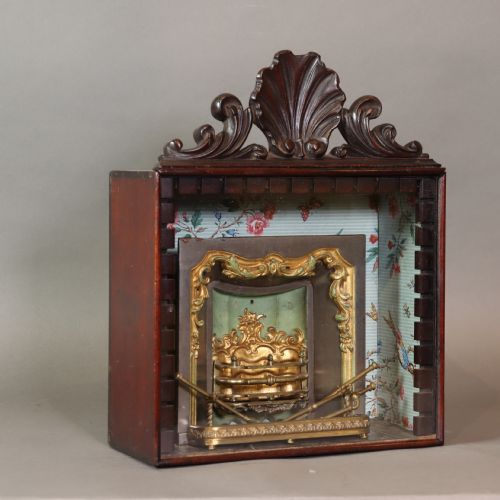
A tiny Victorian salesman's brass and iron fireplace miniature allows travelling merchants to demonstrate heavy hearth furniture without breaking their backs.
Judging quality in metalwork
Quality rests upon the crispness of the casting and the weight of the metal used in the fire basket and its backplate. Finer examples display cleanly defined ornamentation, well-fitted joints, and substantial brass components that have been finished by hand.
Proportion and design integrity also separate standard production items from superior pieces designed in specific classical or revival styles. The integration of decorative brass work with robust iron foundations determines the overall stability and presence of the piece.
The Brass and Cast Iron Grate Glossary
- Hob grate
- A fireplace grate featuring raised side plates, or hobs, historically used for boiling kettles or keeping food warm. These units are typically cast entirely in iron with occasional bright metal detailing.
- Fire basket
- An open metal basket designed to hold coal or wood within a fireplace opening. They often stand on legs or incorporate integrated fire dogs.
- Andirons
- Supporting metal bars placed on either side of a hearth to hold logs, often featuring decorative brass fronts. They frequently accompany open fire grates.
- Register grate
- A fireplace grate fitted with a movable flap or damper plate to control the draught up the chimney. These units are usually set within a cast iron frame.
- Firebrick
- A block of refractory ceramic material used to line the inside of fire grates. This material withstands high temperatures and reflects heat back into the room.
Brass and Cast Iron Grate: Frequently Asked Questions
What is a brass and cast iron grate?
A brass and cast iron grate is a fireplace insert designed to hold fuel while providing a decorative focal point for a room. These pieces combine the dark, utilitarian strength of cast iron with the bright, polished finish of brass detailing.
They range from large nineteenth century register grates to smaller freestanding baskets intended for burning coal or wood.
How do I choose the right size?
Selecting the correct size requires accurate measurement of the fireplace opening width, height, and depth. The grate must leave sufficient clearance around the sides and top for safety and proper draught.
Consider whether you need a freestanding fire basket or a fitted register grate that attaches directly to the masonry opening.
How do I clean brass and iron?
Cast iron surfaces benefit from a light application of grate polish or oil to maintain their dark finish and prevent surface oxidation. Brass components can be polished gently with a suitable metal cleaner to preserve their brightness without damaging the surrounding iron.
Regular dusting and removal of ash will keep the metals in sound condition.