

Bracket Feet Mahogany Drawers
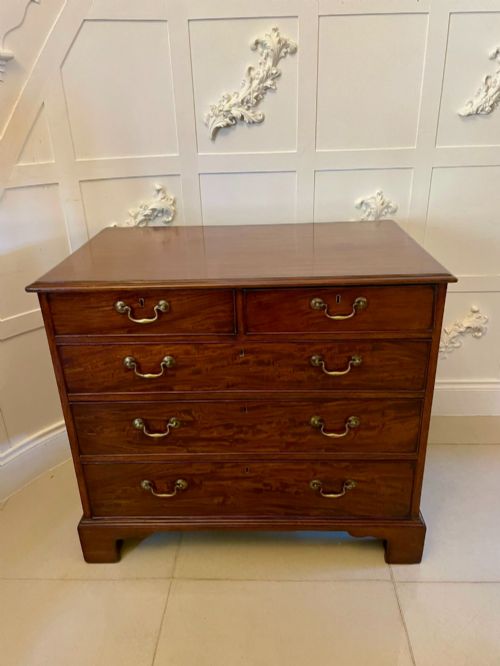
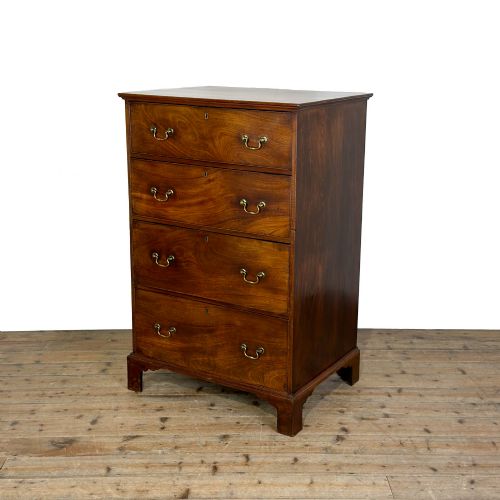
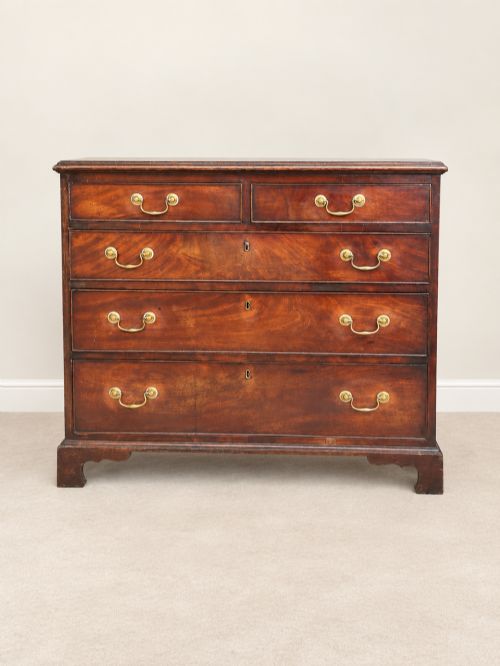
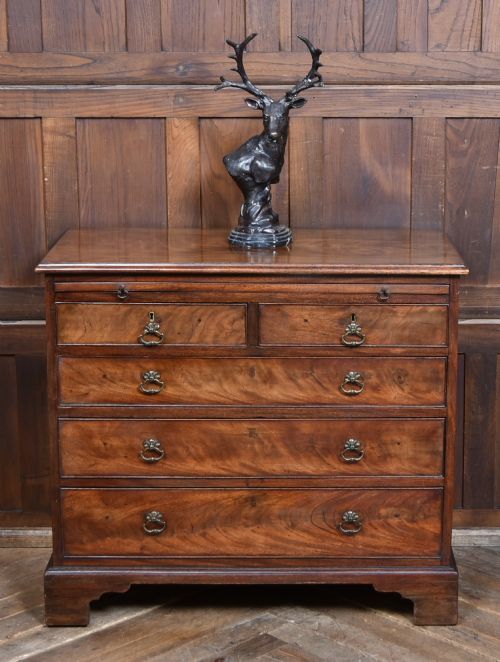
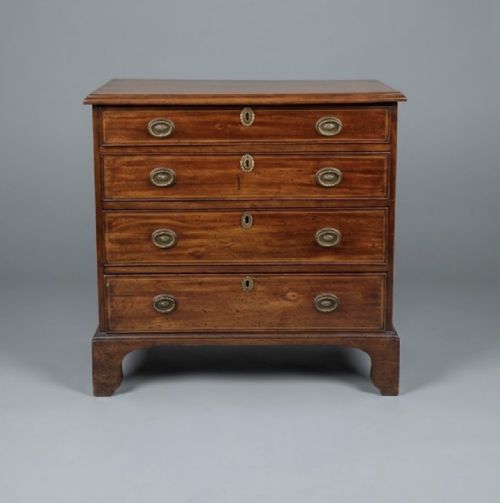
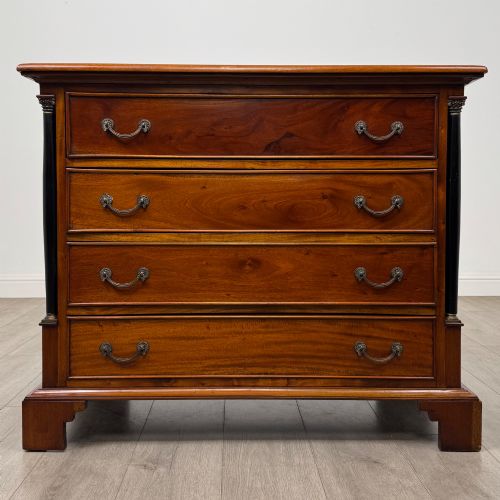
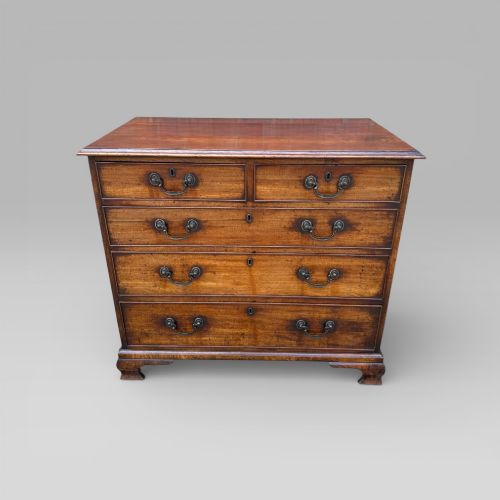
Bracket feet mahogany drawers unite practical storage with the restrained architectural forms of the Georgian and Regency periods.
Bracket Feet Mahogany Drawers
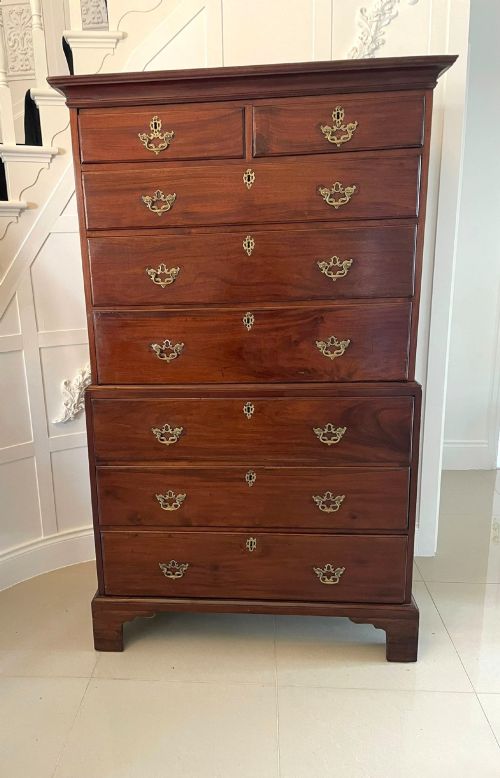
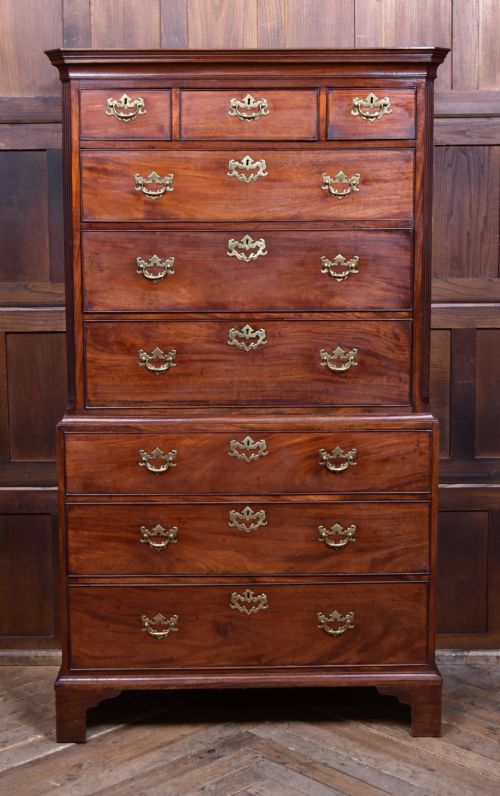
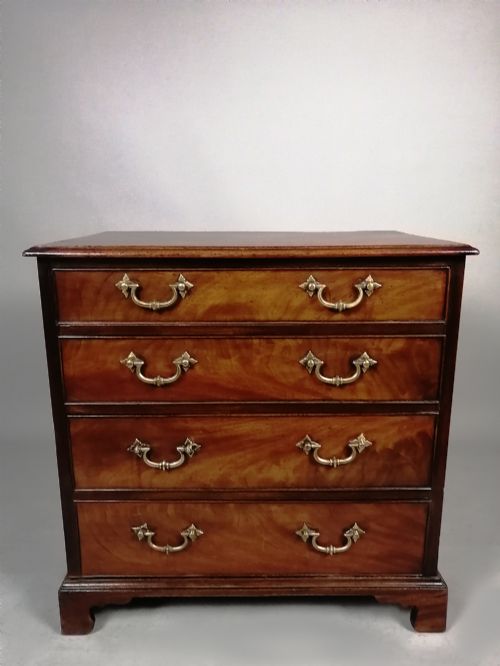
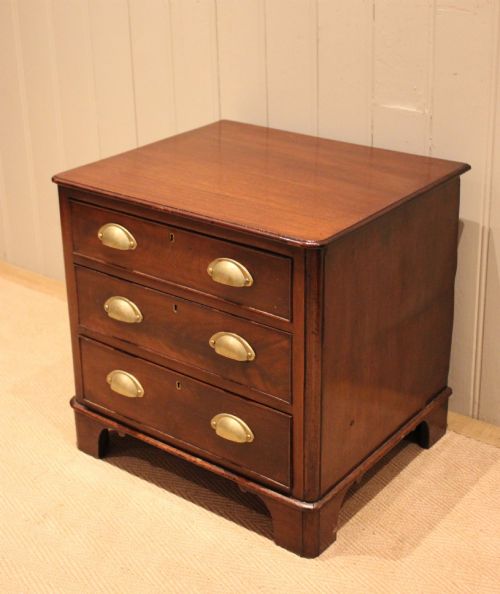
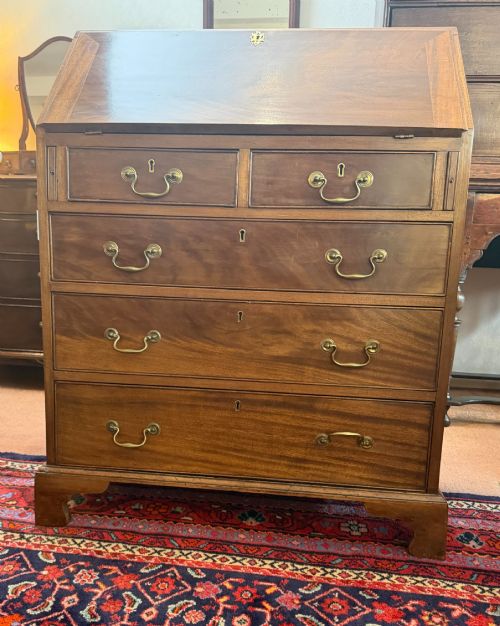
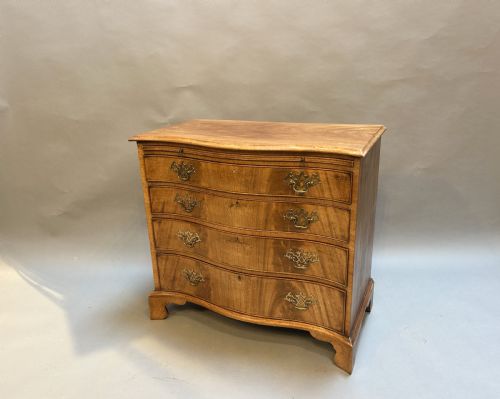
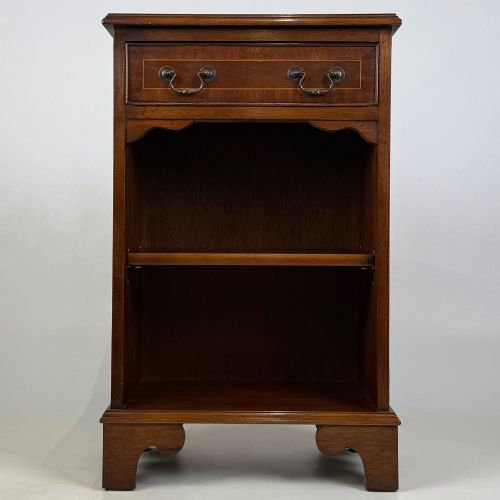
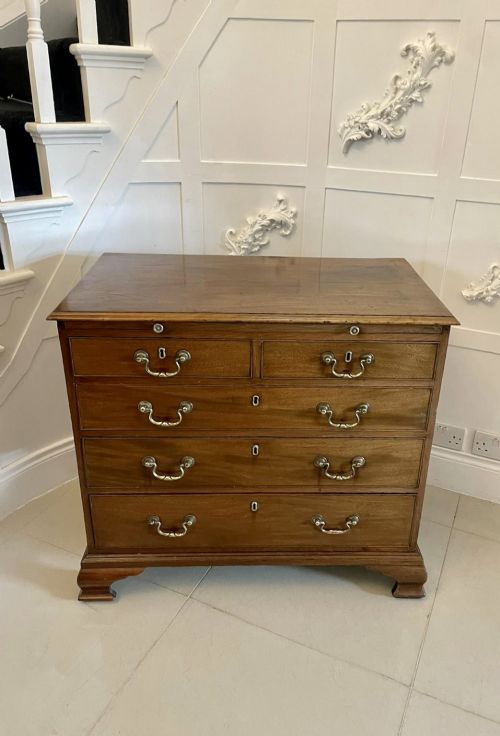
When searching for bracket feet mahogany drawers, buyers encounter case furniture primarily designed for domestic storage across the eighteenth and nineteenth centuries. The selections span standard chests of drawers, tallboys, bureau cabinets, and compact bedside tables raised upon neat corner supports.
The George III period provides a significant proportion of the available forms, alongside later Victorian and Edwardian revivals. Pieces range from straightforward four-height chests to sophisticated serpentine fronts and bachelor's chests equipped with pull-out brushing slides.
Origins trace directly to British cabinet makers working in mahogany, utilising subsidiary timbers like oak and pine for drawer linings and carcase backs. Surviving examples demonstrate how functional domestic items evolved through distinct stylistic phases while retaining their characteristic bracket feet.
How they were made
Makers constructed these carcases using dense mahogany timber, frequently selected for rich grain patterns including flame figures and enhanced by boxwood inlay or stringing. Secondary woods such as oak, pine, and boxwood provided structural stability for drawer linings, internal dividers, and framing elements.
Joinery relied on tight dovetail construction for drawer boxes and frame joints, ensuring durability across centuries of daily use. Brass hardware, including swan neck handles and drop pulls, fastened through the drawer fronts above the characteristic bracket feet supporting each corner.
Hidden bone escutcheons remind us that historical locksmiths guarded midnight drawers with surprising stealth.
What varies in quality
Proportion and timber selection dictate the standing of individual pieces, where cabinet makers deployed highly figured flame mahogany veneers on primary surfaces while reserving simpler grain for secondary areas. The crispness of the bracket feet and the harmony of the drawer proportions separate standard utility furniture from finer examples.
The integrity of original brass handles, escutcheons, and internal structural elements distinguishes untouched survivals from heavily restored pieces. Refinement in secondary wood choice, such as solid oak drawer linings rather than soft pine, points toward superior workshop execution.
J Moorcroft
The Bracket Feet Mahogany Drawers Glossary
- Bracket foot
- A corner foot shaped like a bracket, supporting the base of case furniture with a mitred joint. It provides a stable architectural foundation without heavy bulk.
- Brushing slide
- A pull-out shelf positioned above the top drawers, historically used for writing or grooming while standing. It slides flush into the cabinet frame when not in use.
- Serpentine front
- A furniture front curving outward in the centre and inward toward the edges. This complex shape requires advanced woodworking skill to execute properly.
- Tallboy
- A tall chest of drawers made in two sections, often featuring a smaller chest stacked upon a larger base. These pieces maximise vertical storage capacity in smaller rooms.
- Ogee bracket foot
- An bracket foot shaped with an S-curve profile, transitioning smoothly from the vertical cabinet side down to the floor. It offers a more decorative silhouette than plain square brackets.
Bracket Feet Mahogany Drawers: Frequently Asked Questions
What is a bachelor's chest?
A bachelor's chest is a compact set of drawers featuring a pull-out brushing slide beneath the top surface. These versatile pieces served as combined storage and writing desks in smaller chambers.
Cabinet makers produced them primarily during the eighteenth century in mahogany, balancing everyday utility with refined proportions.
How do I identify a George III chest?
George III chests typically display dense mahogany grain, hand-cut dovetail joints, and characteristic bracket feet supporting the base. They often incorporate brass swan neck handles and traditional deal or oak secondary linings.
Stylistic cues from this era emphasise classical restraint, clean rectangular elevations, and occasionally serpentine or bowfront shapes.
What wood is used inside these drawers?
Internal construction relied on durable secondary timbers like oak and pine for drawer boxes, dust boards, and back panels. These functional woods provided structural strength while keeping the visible exterior unified in mahogany.
Makers selected sturdy materials hidden from view to ensure the drawers glided smoothly over generations of heavy use.
Are bracket feet original?
Bracket feet experience frequent wear because they sit directly on the floor and support the full weight of the case piece. Examining the internal glue blocks and joint construction helps determine whether the feet remain undisturbed.
Original feet show matching timber ageing and wear patterns consistent with the rest of the carcase.