
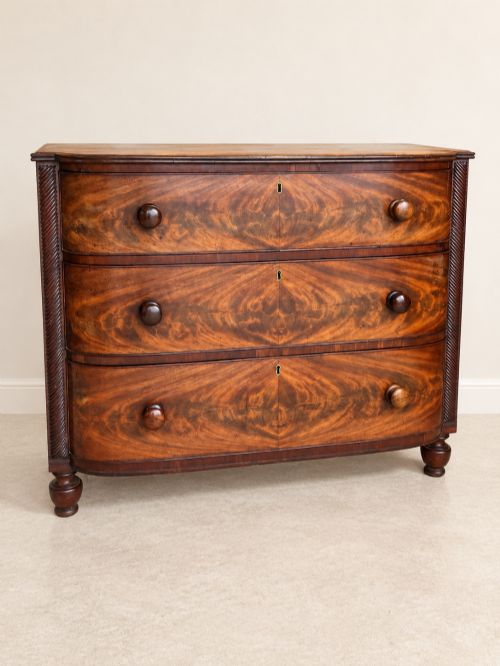
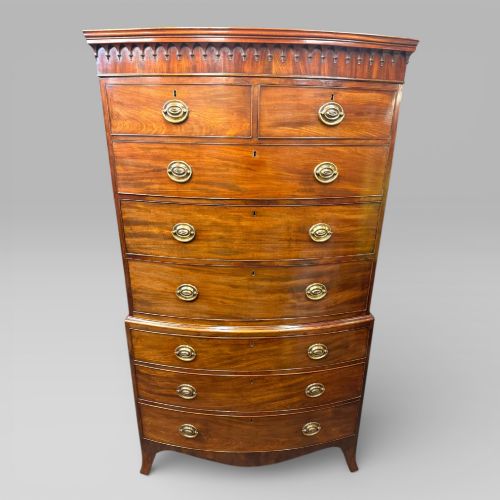
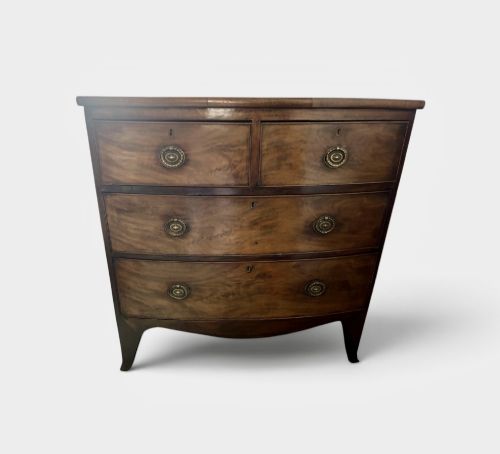
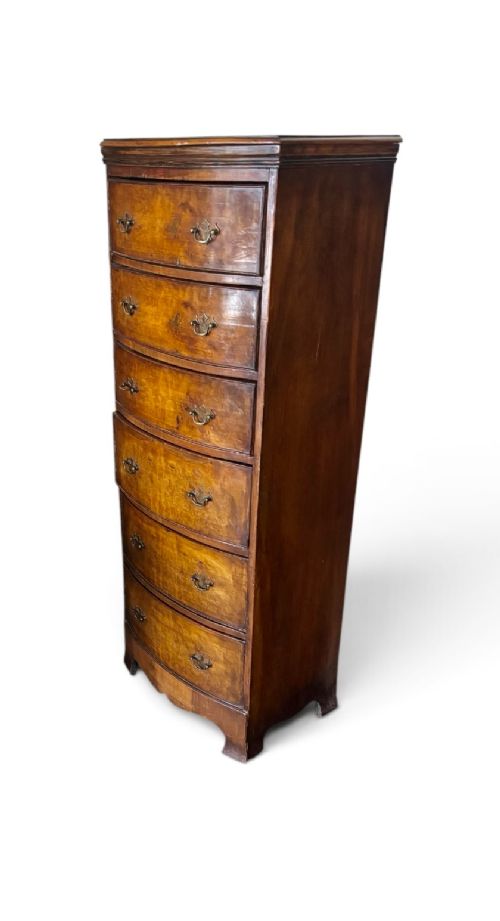

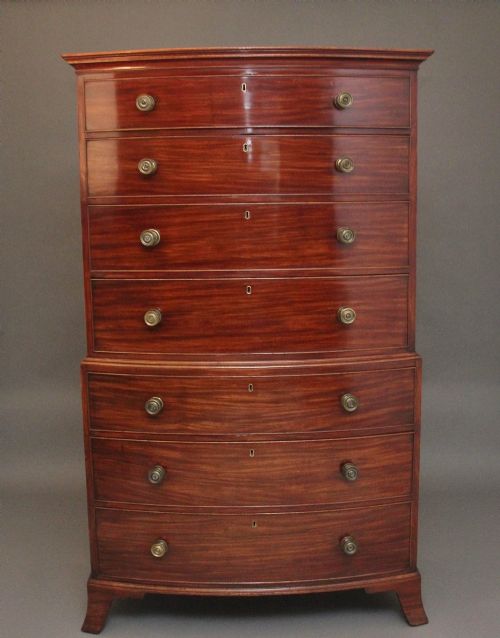
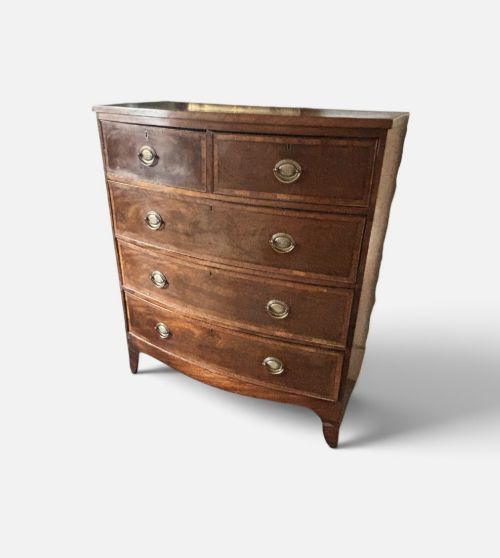
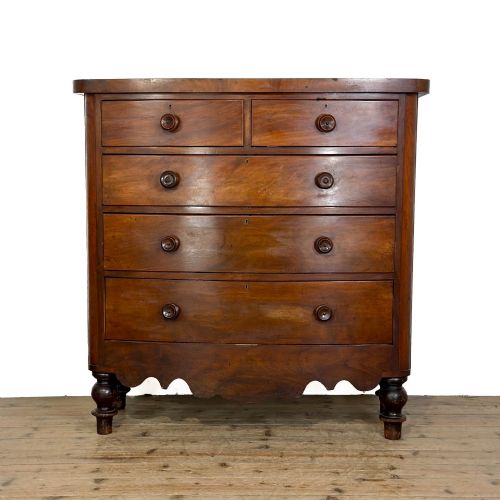
Bow Front Chest Drawers
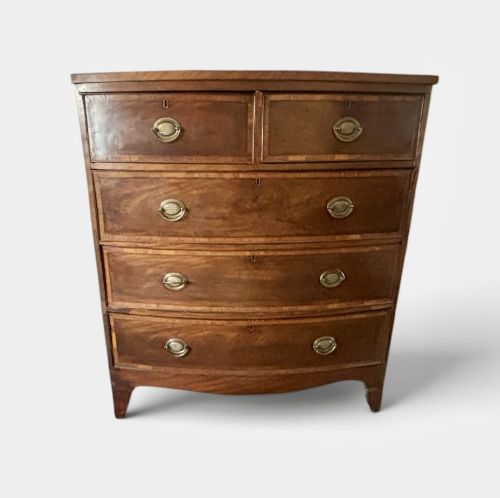
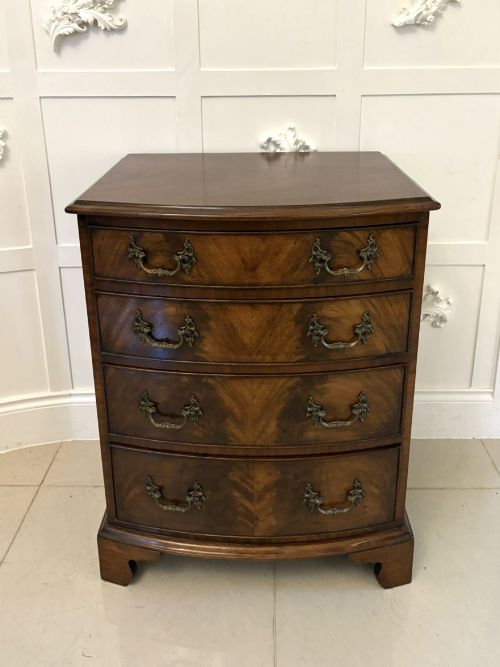
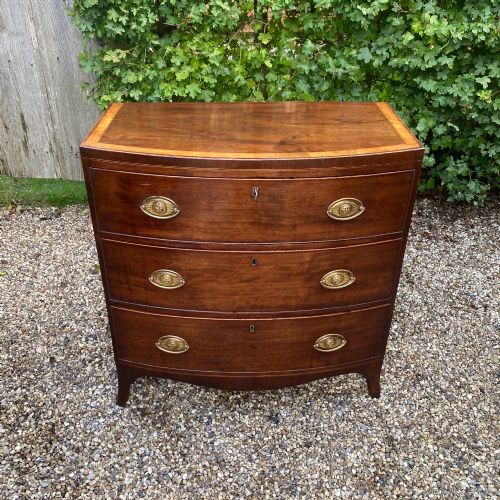
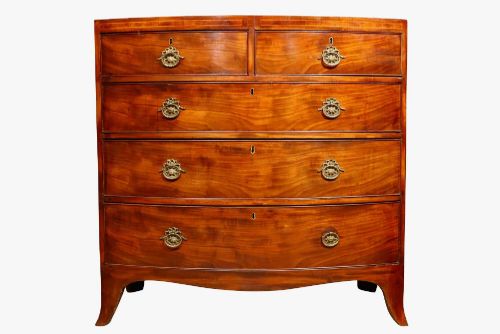
These bow front chest drawers offer generous storage with a curved silhouette, combining practicality and elegance for any interior.
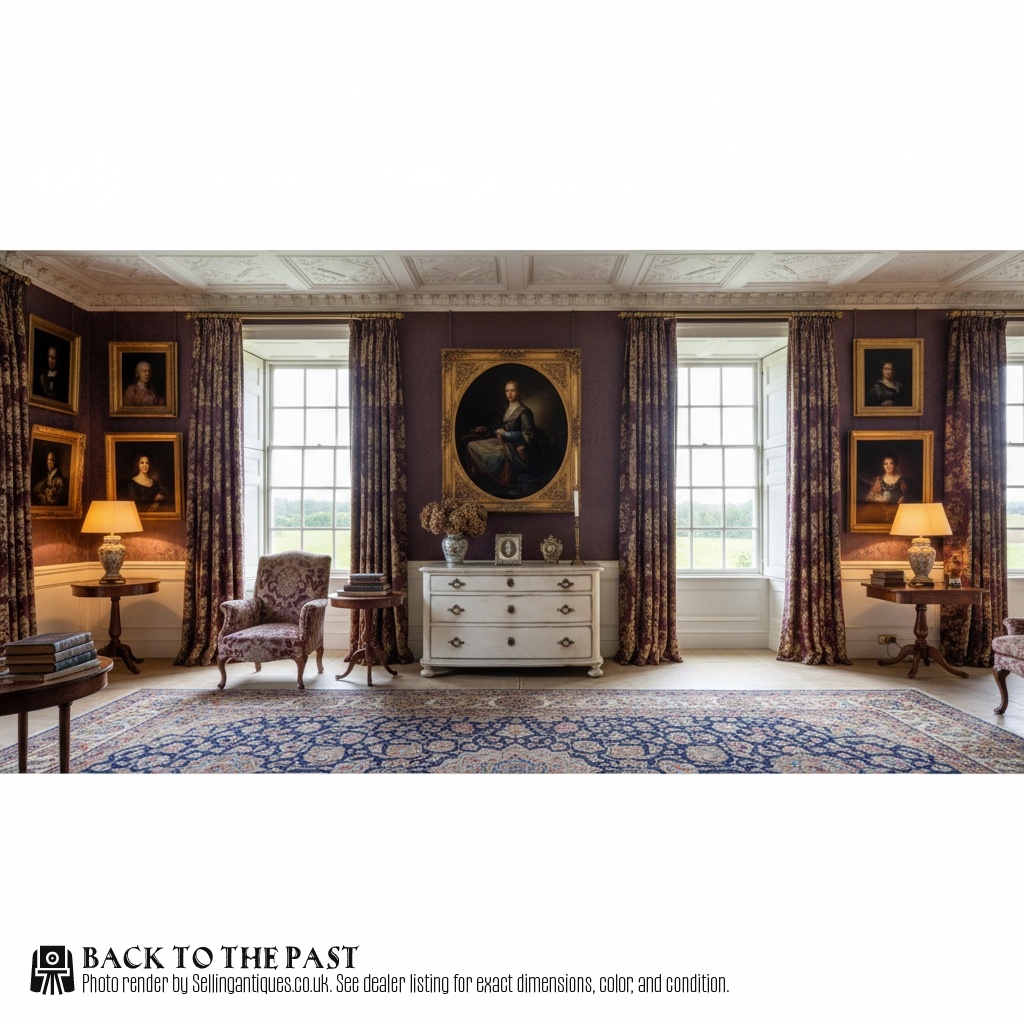
What bow front chest drawers are
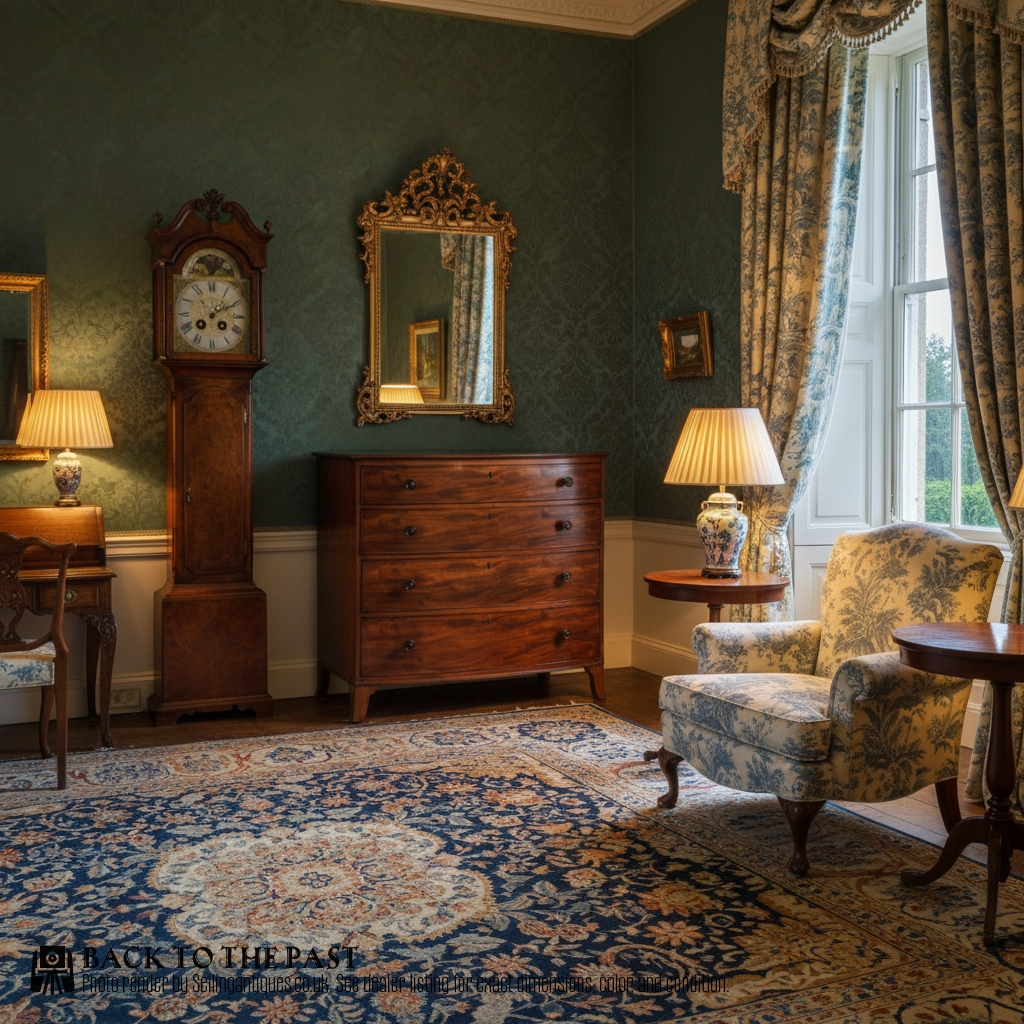
A bow front chest drawers provides practical storage with a distinctive outward-curving facade that softens the boxy geometry typical of standard furniture. These pieces serve as functional bedroom storage or striking hallway focal points, offering deep drawer capacity behind a refined curved profile.
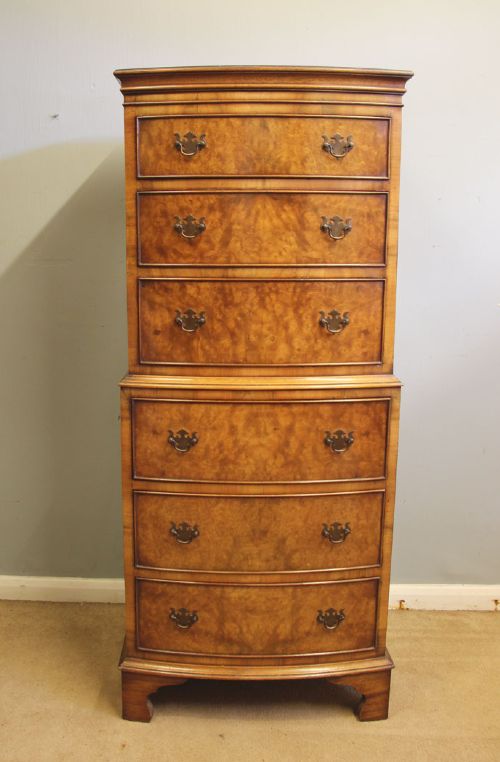
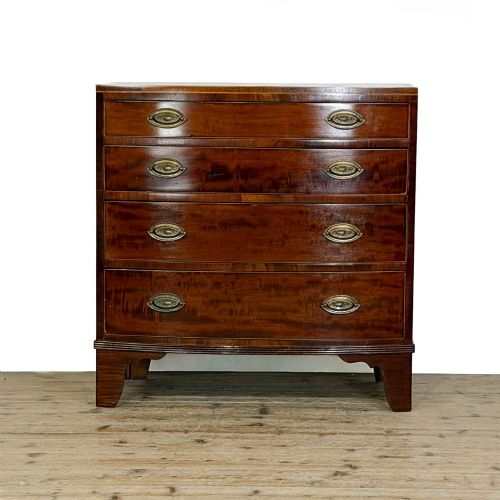
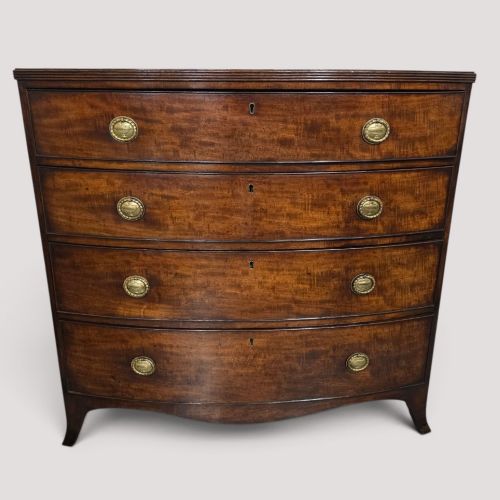
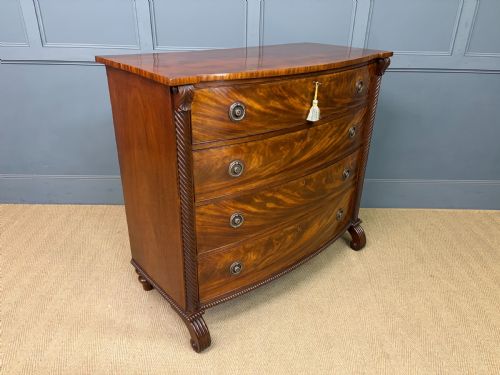
The selections available here predominantly span the Regency and Victorian periods, alongside specific examples from the eighteenth century, nineteenth century, and nineteen thirty. Mahogany remains the most common primary timber, frequently accompanied by walnut, burr walnut, painted wood, and wood veneer.
Design influences range from straightforward Georgian and Victorian utility to Regency refinement and decorative French Chateau styles. Buyers encounter various formats, from standard chest of drawers variants to tall forms and small bachelors pieces.
How they were made
Cabinetmakers constructed these chests primarily using solid mahogany and walnut, often applying finely figured wood veneers and cross-banding to the curved drawer fronts. The curved carcass required careful timber selection and precise joinery to maintain structural stability along the sweeping radius.
Metal components such as brass handles and hardware complemented the wooden construction, while selected pieces incorporated marble tops for added surface durability. Painted wood finishes also appear among the material palette, particularly on later or continental examples.
Retail Price Guide 2026
Typical UK retail prices for bow front chest drawers, calculated from the Sellingantiques database of over a million retail prices indexed since 2003. This retail price guide relies exclusively on Sellingantiques data; no external sources or auction records are used, so the figures do not describe the wider market.
Even drawers that politely refuse to close straight usually yield to a gentle tap on the left shoulder.
What varies in quality
Quality diverges significantly in the selection of face timbers, where highly figured mahogany or burr walnut veneers demonstrate superior craftsmanship compared to plain surfaces. The execution of the curved drawer fronts and the tightness of the surrounding joinery indicate the skill of the original workshop.
Proportion and scale distinguish finer pieces, particularly where small dimensions or balanced drawer stacking enhance the visual harmony. The retention of original brass hardware and stable structural framing further elevate the standing of individual chests.
The Bow Front Chest Drawers Glossary
- Bow front
- A convex, outward-curving front facade characteristic of these chests. This curved design softens the overall appearance and requires advanced cabinetmaking techniques.
- Cross-banding
- A border technique where thin strips of veneer are laid perpendicular to the grain of the main surface. This decorative framing appears frequently on Regency and Georgian pieces.
- Burr walnut
- A specialised wood veneer taken from the growth growths of a walnut tree, yielding complex swirling patterns. It provides a highly decorative surface on luxury examples.
- Flame mahogany
- A veneer cut that creates a flickering, flame-like grain pattern across the drawer fronts. This desirable figuring highlights the natural grain of the timber.
- Commode
- A decorative chest of drawers, often applied to continental or French Chateau styles within the selection. The term denotes a low storage cabinet with multiple drawers.
Frequently Asked Questions
How do I clean a mahogany chest?
Dust the surfaces regularly with a soft, dry cloth to prevent accumulation. Avoid modern silicone sprays that can damage historic polishes.
Apply a traditional beeswax polish occasionally to nourish the timber and maintain the natural sheen of the wood.
Where should I place a bow front chest?
Position the chest against a flat wall in a bedroom or hallway where the curved projection can be appreciated without obstructing walkways. Ensure the room maintains stable humidity levels.
Keep the timber away from direct heat sources and strong sunlight to prevent warping and fading of the polished finish.
How do I identify a Regency chest?
Look for elegant proportions, dark mahogany timbers, and restrained brass fittings typical of the early nineteenth century. Regency examples often feature crisp linear details alongside the curved front.
Check the drawer construction for hand-cut dovetails and solid secondary woods, which help confirm the period of manufacture.
Can I use these chests for daily storage?
The deep drawers provide ample space for clothing, linens, or everyday items while maintaining structural integrity. The robust timber construction withstands regular use when handled with care.
Ensure drawers are pulled evenly from the centre to maintain smooth operation along the runners.