
Botanical Still Life Art
Botanical still life art captures the quiet drama of cut blooms and gathered fruit on canvas or panel to bring organic permanence into a room.
Botanical Still Life Art
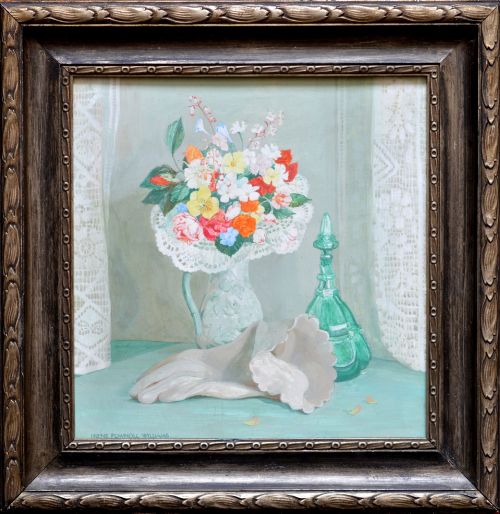
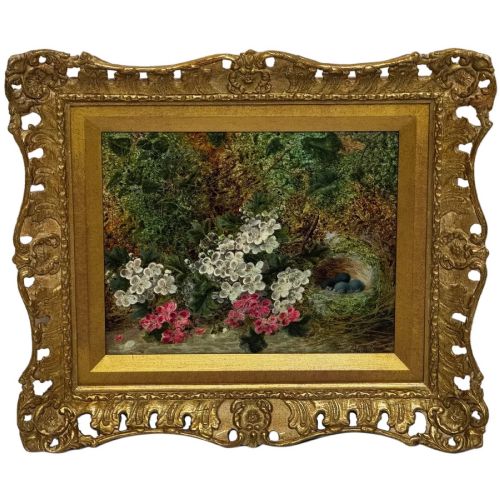
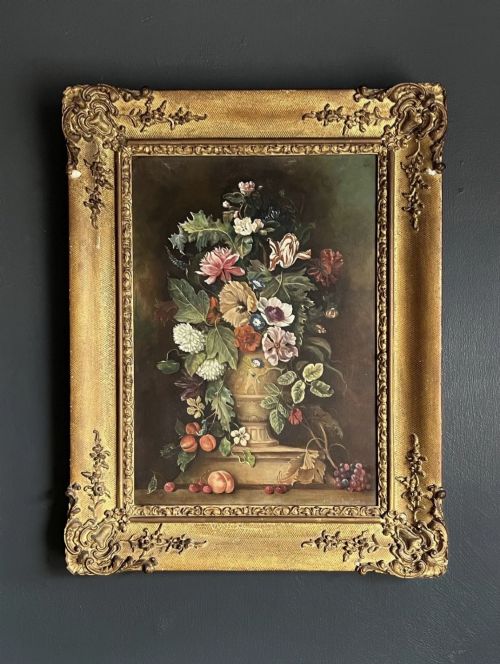
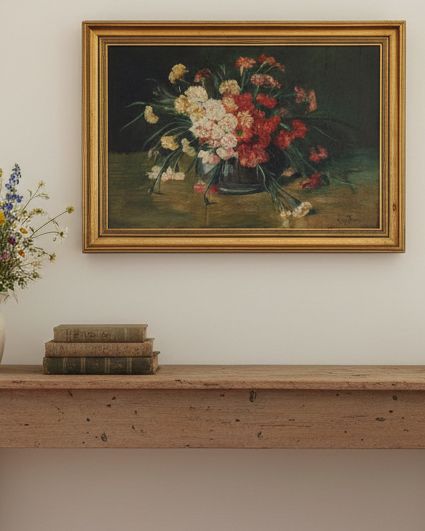
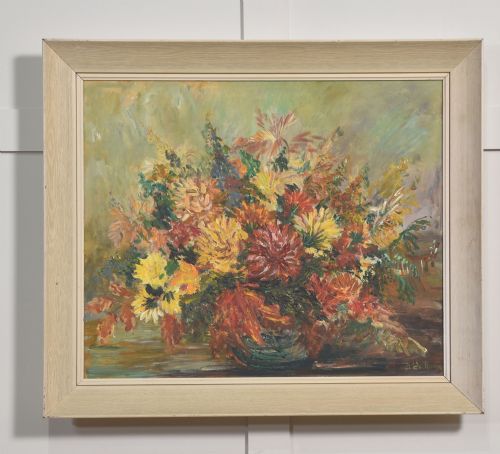
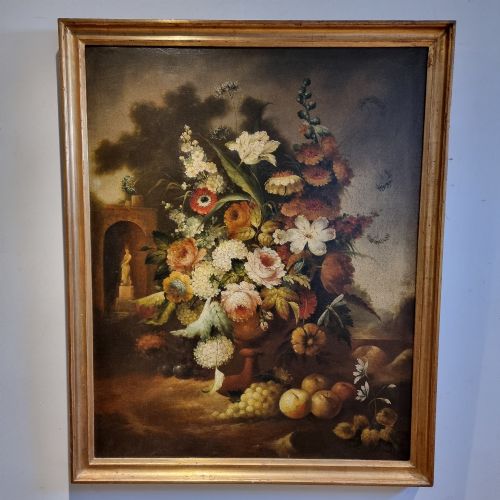
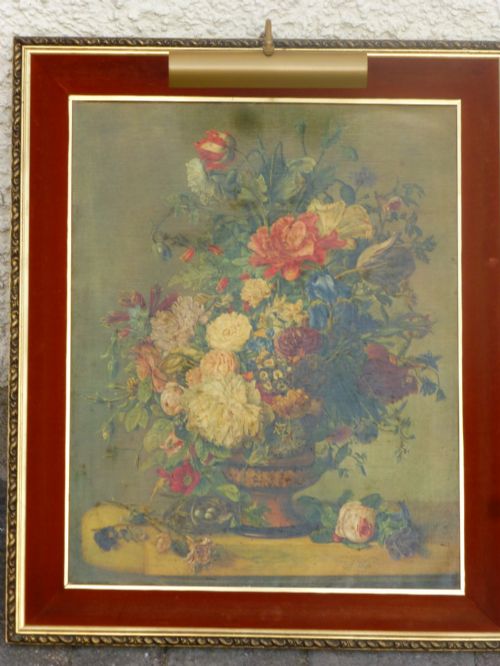
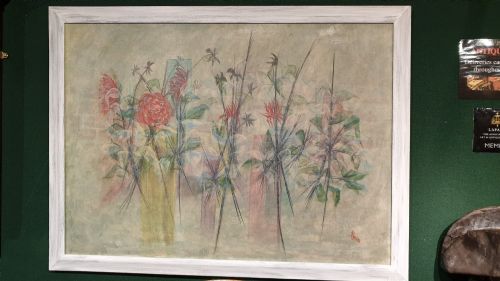
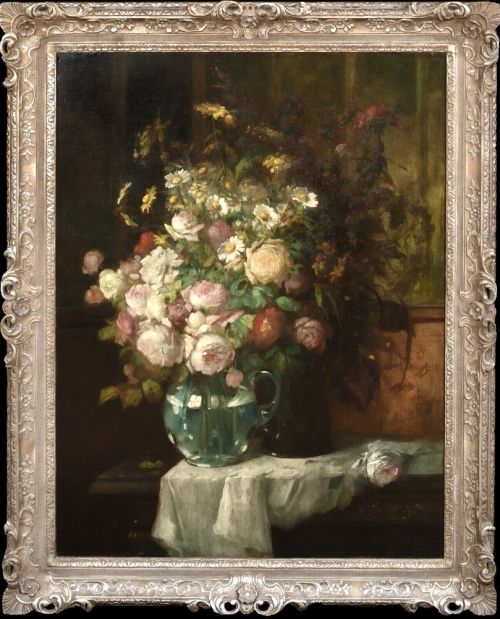
Botanical still life art encompasses oil paintings, watercolours, and gouache works depicting flowers, fruit, and vessels across several centuries. The selection on this page relies heavily on nineteenth-century academic and Victorian examples alongside twentieth-century impressionist interpretations.
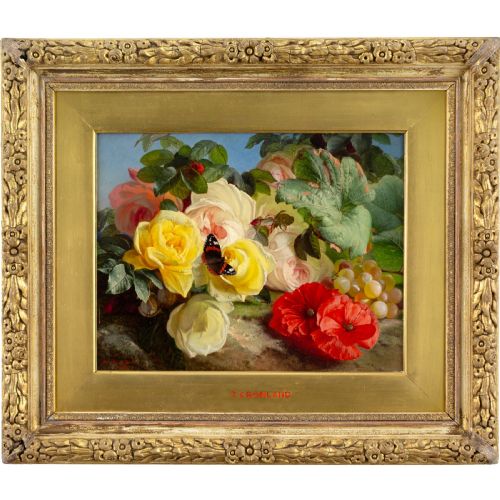
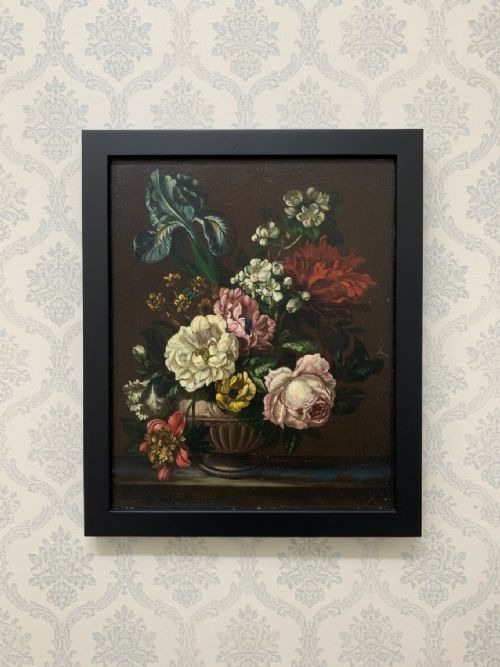
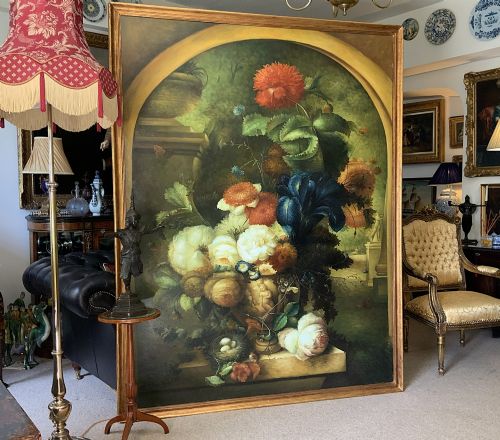
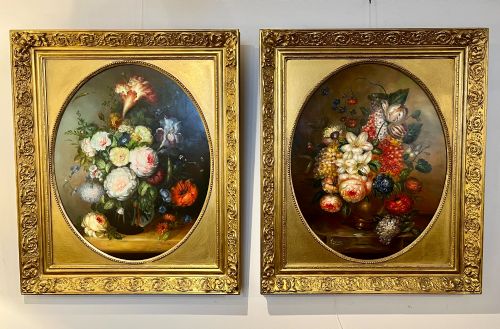
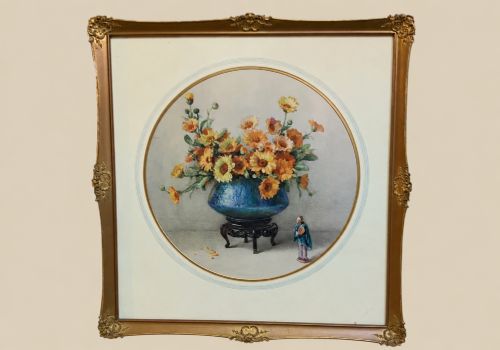
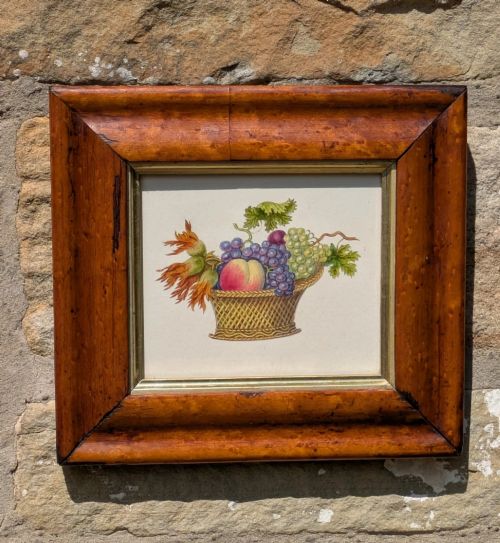
Buyers encounter everything from intimate watercolours of marigolds and fruit baskets to monumental decorative floral canvases designed for grand interiors. These pieces draw heavily on Dutch Golden Age traditions, Flemish baroque composition, and later British and European impressionism.
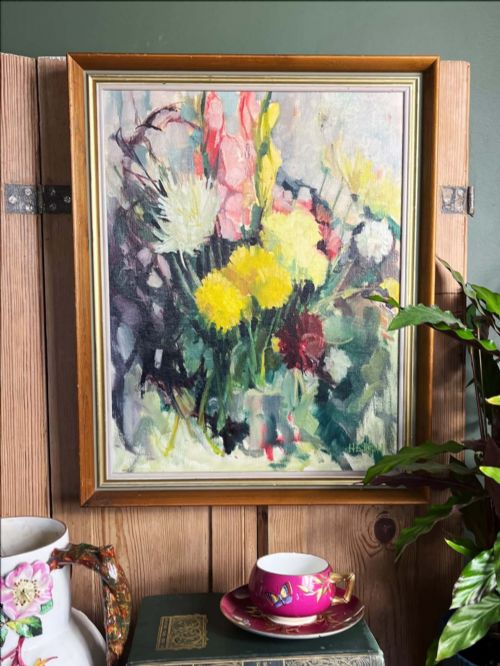
Dating ranges from seventeenth-century masterworks down to mid-century modern interpretations executed on board and canvas. Smaller works frequently feature domestic pottery jugs or glass vases, while larger compositions showcase elaborate arrangements of summer roses and cascading berries.
Materials and Technique
Artists executed these works primarily using oil paint on canvas or wooden panel, though watercolours on paper and gouache also appear regularly. Ground pigments were manipulated to capture the delicate translucency of petals and the tactile surfaces of wicker baskets and ceramics.
Many canvases sit within period frames constructed from wood, gilded gesso, or moulded gold leaf that complement the rich tones of the compositions. The physical support varies from traditional stretched canvas to sturdy oil on board and panel.
Listings feature works spanning from the seventeenth century through the Victorian era to mid-century modern interpretations.
Quality and Execution
Visual success rests upon the artist's command of light, shadow, and natural texture within the arrangement of blossoms and fruit. Finer pieces demonstrate careful observation of botanical detail, from the fall of light on a glass vase to the natural decay of a leaf.
The sophistication of the surrounding frame often matches the ambition of the painting, with original gilt gesso frames elevating the overall presentation. Compositional balance and the handling of pigment distinguish accomplished academic or impressionist works from standard decorative productions.
Oliver Clare·Edward Ladell·Gaspar Peeter Verbruggen·Emma Fordyce MacRae·James Tower
The Botanical Still Life Art Glossary
- Gilt Gesso
- A plaster-based material applied to wood frames and carved before being coated in gold leaf. This technique provides the ornate, reflective borders typical of period framing.
- Oil on Panel
- A painting executed on a flat wooden support rather than flexible canvas. This rigid medium was favoured by early Dutch and Flemish masters for its smooth surface stability.
- Impressionism
- A nineteenth-century painting style focusing on visual impression and the play of light rather than precise botanical recording. Artists used loose brushstrokes to convey immediate atmosphere.
- Gouache
- An opaque water-based medium that allows for rich, saturated colour application on paper. It combines the fluidity of watercolour with the solid coverage of oil paint.
- Oleograph
- A mechanical colour print designed to imitate an oil painting, often reproducing textured canvas effects. These popular Victorian reproductions mimic the appearance of original fine art.
Botanical Still Life Art: Frequently Asked Questions
How do I care for antique botanical art?
Keep painted canvases and watercolours away from direct sunlight and high humidity to prevent pigment fading and paper degradation.
Dust gilded frames gently with a soft, dry brush and avoid liquid cleaners that might damage delicate surface finishes.
Where were these paintings displayed originally?
Earlier large-scale floral compositions hung in formal dining rooms and drawing rooms to display wealth and refined taste.
Smaller twentieth-century watercolours and board studies frequently decorated domestic parlours and intimate sitting spaces.
How can I tell oils from watercolours?
Oils present a heavier textured surface on canvas or panel with visible brushstrokes and a characteristic sheen.
Watercolours appear flat behind glass on paper, relying on the white ground to illuminate translucent washes of pigment.