



Botanical Painted Ceramic Vase
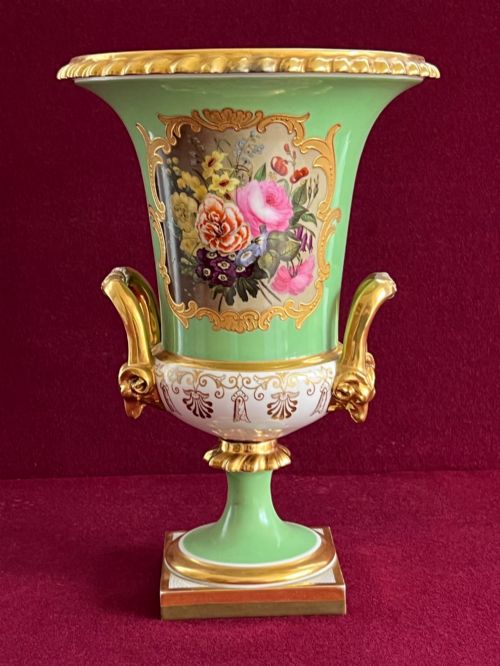
A botanical painted ceramic vase brings floral decoration into a room, offering hand-painted flowers on porcelain, earthenware and fine ceramic bodies.
Botanical Painted Ceramic Vase
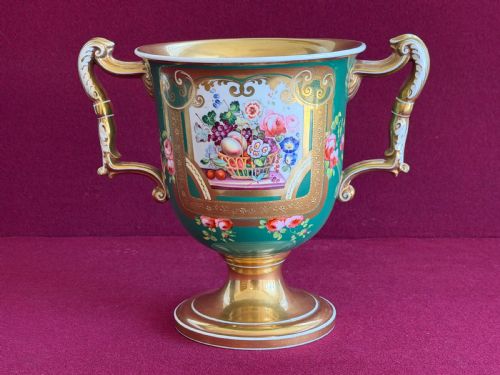
When looking for a botanical painted ceramic vase, you encounter pieces spanning from the Regency period through the Victorian era and into the early twentieth century. These items include urns, loving cups, ewers and traditional vases decorated with painted floral motifs, alongside related works on paper that depict similar subjects.
The selection here ranges from nineteenth century Meissen and Royal Worcester productions to pieces carrying specific maker marks like Spode, Flight, Barr & Barr, and H & R Daniel. Alongside these factory-made ceramics, the listings encompass studio pottery such as Doulton Lambeth Faience and Austrian porcelain decorated by Ernst Wahliss.
Victorian examples frequently display hand-painted decoration set against blush ivory grounds or embellished with twin handles and gilding. Later works from the nineteen-thirties reflect changing artistic tastes while maintaining the central theme of floral illustration on ceramic and porcelain surfaces.
Materials and construction methods
Makers utilised high-fired ceramic and porcelain bodies as the primary foundation for these pieces, shaping them into urns, jugs and vases before applying decorative finishes. Surfaces received enamel colours and hand-painted pigments, sometimes enhanced with gold leaf, gilding or lacquer over-paint.
Decoration required skilled brushwork to render botanical subjects accurately, often combining watercolour techniques on associated paintings with ceramic enamels fired in kilns. Potters incorporated relief moulding and patent glazing methods, such as those seen in Doulton Lambeth Faience, to create textured backgrounds for the painted flowers.
The object forms include vases, paintings, loving cups, urns, jugs, lamp bases, pot pourri vessels and pedestal ewers.
Quality factors in botanical ceramics
The skill of the hand-painted botanical illustration dictates the visual standing of a piece, separating factory work of standard output from finely executed artistic studies. Precision in the floral detail, the delicacy of the brushwork and the harmony of the surrounding gilding or enamel determine the overall accomplishment.
The reputation of the porcelain manufactory or decorating studio also influences the character of an item, alongside the preservation of the original ceramic body and its painted surface. Pieces retaining crisp enamel colours and undamaged gilt work demonstrate superior survival through their respective periods.
H & R Daniel·Meissen Porcelain·Spode China·Doulton Lambeth·Flight, Barr & Barr·Ernst Wahliss·Royal Worcester
The Botanical Painted Ceramic Vase Glossary
- Porcelain
- A hard, white, translucent ceramic made from clay containing kaolin. It provides a smooth ground ideal for detailed botanical painting.
- Enamel
- A glassy substance fused to the ceramic surface through firing, providing durable and vibrant colours for floral decoration.
- Gilding
- The application of gold leaf or gold powder to ceramic surfaces, frequently used to highlight handles, rims and borders.
- Ewer
- A large jug with a wide spout and handle, often produced in pairs as decorative pedestal vessels alongside traditional vases.
- Faience
- Tin-glazed earthenware offering an opaque background for painted designs, utilised by potteries during the nineteenth century.
Botanical Painted Ceramic Vase: Frequently Asked Questions
What periods do these pieces date from?
The items span several eras, starting from the Regency period and extending through the nineteenth century, Victorian times, and into the early twentieth century up to nineteen-fifties works.
Different decades brought distinct aesthetic shifts, moving from classical porcelain forms towards Aesthetic Movement designs, Art Nouveau styling and twentieth-century still-life representations.
How were these vases used originally?
These items served primarily as ornamental display pieces within domestic interiors, holding cut flowers or standing alone on mantelpieces and pedestals.
Certain forms such as loving cups and ewers also fulfilled decorative functions, while related works captured botanical subjects through paintings and watercolours on paper.
How do I care for antique ceramic vases?
Display these items away from direct sunlight and sudden temperature fluctuations to protect the hand-painted enamel and gilded surfaces from fading or degradation.
Cleaning requires only gentle dusting with a soft, dry cloth, avoiding harsh liquids or abrasive materials that might harm the delicate ceramic glaze.
Are all the items ceramic vases?
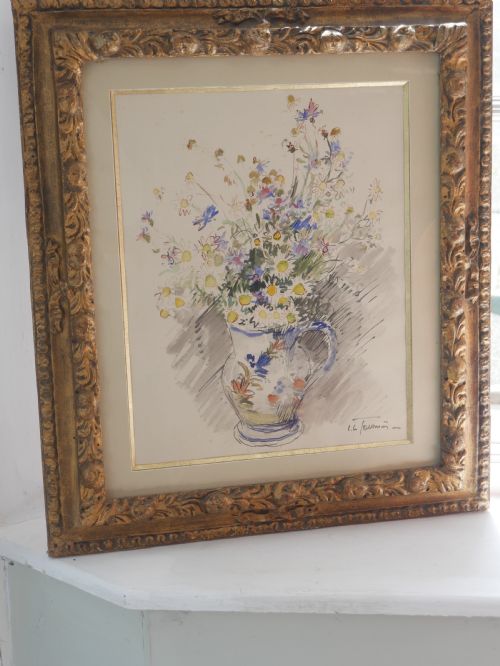
While the majority consist of porcelain and ceramic vases, urns, and ewers, the selection also includes related paintings, watercolours, and lamp bases featuring floral subjects.
These complementary works share the same botanical focus, depicting flowers in vases, jugs and still-life compositions across various artistic mediums.