




Botanical Glass Vase Painting
Botanical glass vase painting captures floral arrangements with enduring clarity, offering a timeless focal point for any interior.
Botanical Glass Vase Painting
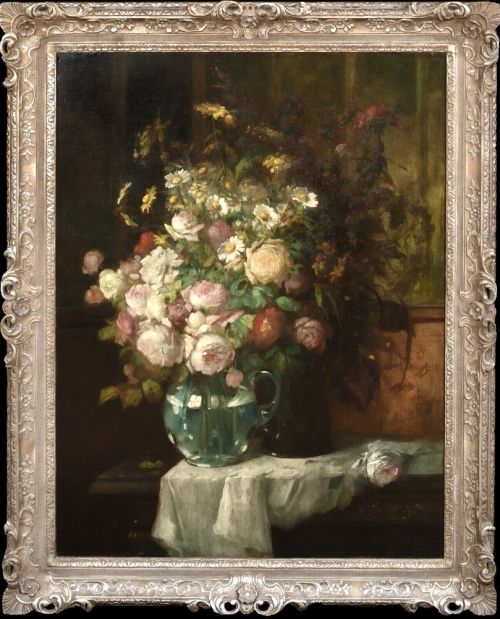
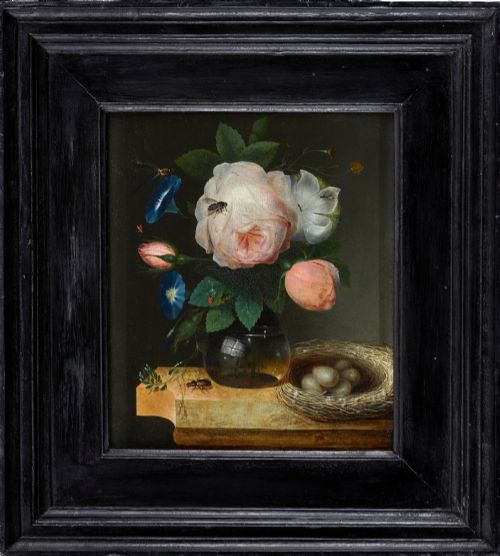
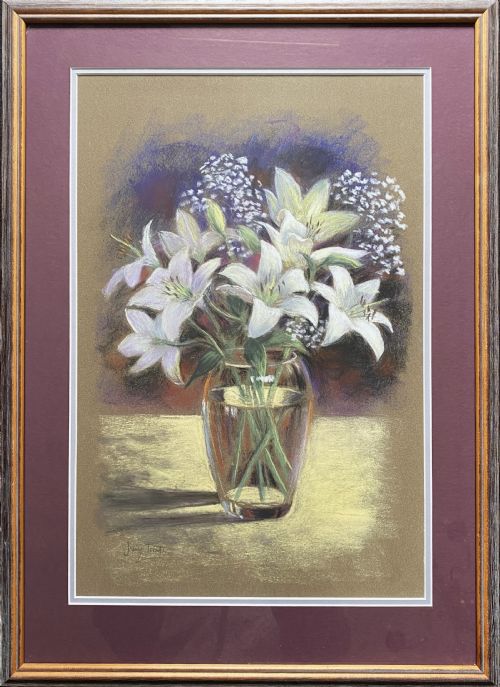
A botanical glass vase painting brings floral studies into interior spaces through various periods ranging from the seventeenth century to the mid-twentieth century. These works capture blooms arranged in glass vessels across oil, watercolour, tempera, and pastel mediums.
Buyers encounter traditional still life canvases alongside Victorian decorative glassware and mid-century impressions. The selection bridges historical Flemish Baroque compositions with twentieth-century British and European realisms.
Works span from detailed nineteenth-century studies to relaxed mid-century interpretations on canvas, board, and paper. Each piece presents flowers rendered through distinct regional and stylistic movements.
Materials and construction
Artists utilise traditional oil paint, watercolour pigment, tempera, and pastel applied to canvas, board, paper, and gilded wood frames. Physical glassware pieces feature hand-painted enamel decoration on opaque and Burmese glass.
Canvas and board supports receive oil layers to build up petals and foliage, while watercolours rely on paper supports for delicate transparency. Glass pieces incorporate enamel pigments fired directly onto the vessel surface.
Periods represented include Victorian, Edwardian Realism, Flemish Baroque, and Mid-Century Modern movements.
Distinctions in quality
Quality rests upon the precision of the brushwork and the structural stability of the support material, whether canvas, board, or glass. Finer examples display careful handling of light through transparent glass vessels and rendered petal textures.
The sophistication of the composition and the integrity of the original framing elevate certain works above standard decorative pieces. Provenance and attribution to documented artists distinguish the higher tier of these floral studies.
Konstantin Stoitzner·Gaspar Peeter Verbruggen·William Edward Fox·Stuart Armfield·Jennifer Toombs·Thomas Webb·Owen Bowen·Terence Loudon
The Botanical Glass Vase Painting Glossary
- Still life
- An artwork depicting inanimate subject matter, typically commonplace objects such as flowers in a glass vase. This genre emphasises composition, colour harmony, and textural rendering.
- Tempera
- A permanent, fast-drying painting medium consisting of coloured pigment mixed with a water-binder agent. It produces a flat, matte surface often seen in mid-century works.
- Burmese glass
- A type of art glass shading from pink to yellow, popular around the turn of the twentieth century. It was frequently utilised for decorative vases.
- Impressionism
- A nineteenth-century art movement characterised by relatively small, thin, yet visible brush strokes and an emphasis on accurate depiction of light. This style captures transient visual impressions of floral arrangements.
- Opaque glass
- Glass that diffuses light and obscures objects behind it, serving as a solid background for hand-painted botanical motifs. It forms the body of specific Victorian decorative vases.
Botanical Glass Vase Painting: Frequently Asked Questions
How do I date a botanical painting?
Dating relies upon the framing style, the support material such as canvas or board, and the chemical composition of the pigments used. Stylistic markers from periods like the Victorian era or mid-century modernism provide further chronological context.
Examining the reverse of the canvas or panel often reveals maker marks, artist signatures, or historical labels that narrow down the exact decade of creation.
Where should I display glass vase art?
These works suit dining rooms, drawing rooms, or hallways where natural light can complement the painted floral tones. Placing them away from direct sunlight protects oil pigments and watercolours from fading over time.
Pairing a framed painting with physical decorative glassware creates a cohesive display that echoes the subject matter within the room.
Are painted glass vases functional?
Antique decorative vases with hand-painted enamel are generally intended for display rather than holding water. Moisture can damage delicate enamel work and interior glass surfaces over extended periods.
Gentle dusting with a soft, dry cloth preserves the exterior decoration without risking the integrity of the painted botanical motifs.
What is the difference between oil and watercolour?
Oil paintings utilise slow-drying paint bound with oil, allowing for rich colour blending and textured brushwork on canvas or board. Watercolours employ water-soluble pigments on paper, offering a luminous and transparent finish.
Oils provide greater durability and depth, whereas watercolours rely on the reflective quality of the paper beneath to illuminate the floral subject.