



Botanical Fruit Painting
Botanical fruit painting brings together centuries of careful observation, capturing orchard harvests in oil, watercolour, and porcelain.
Botanical Fruit Painting
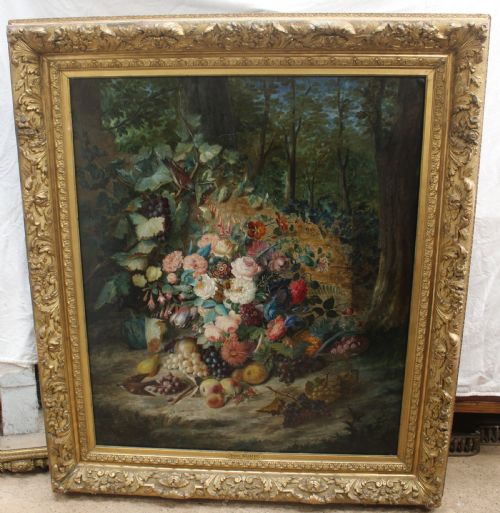
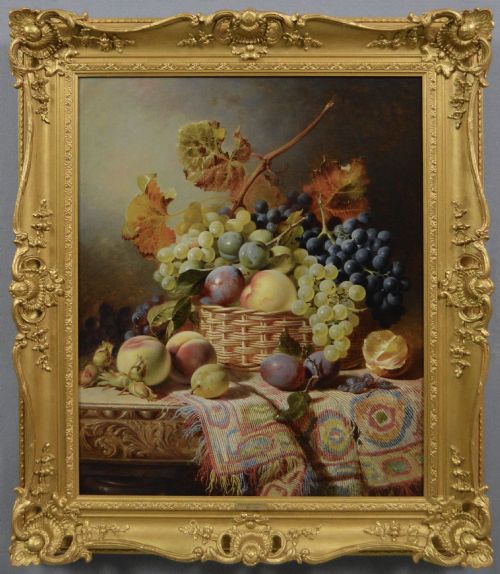
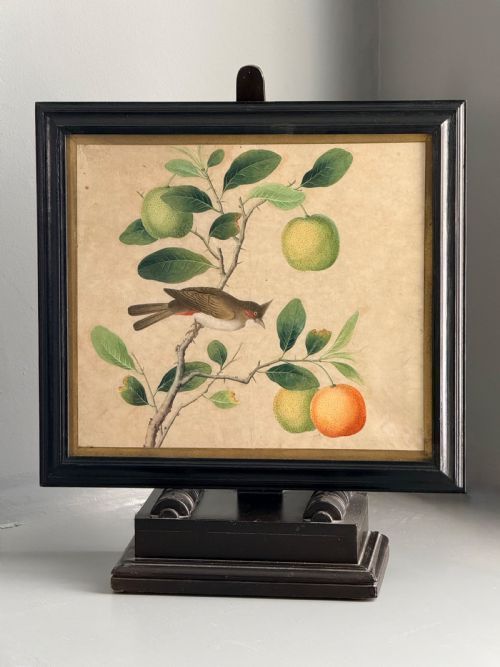
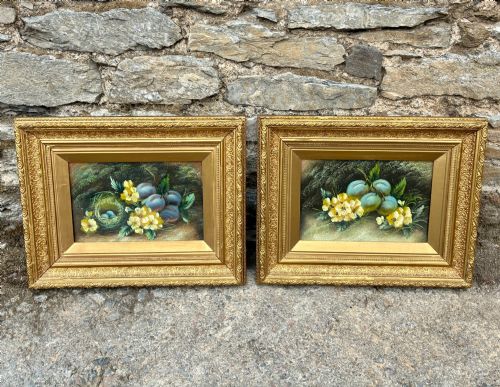
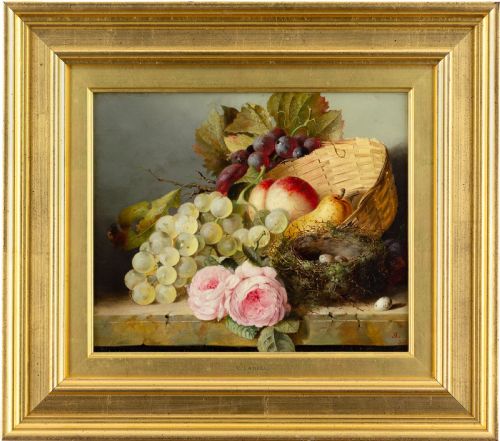
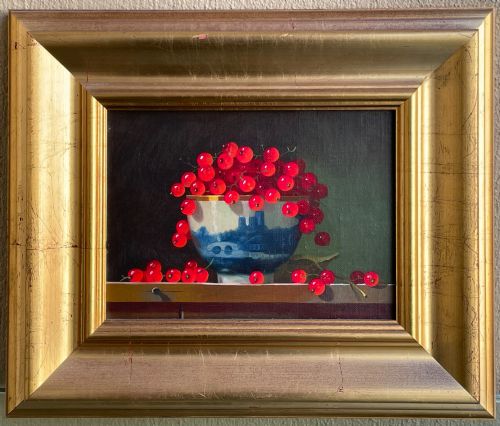
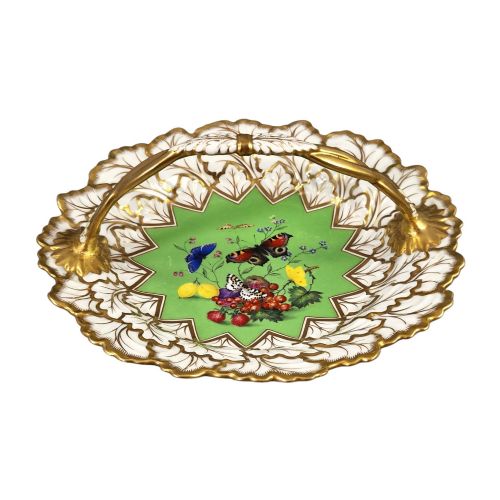
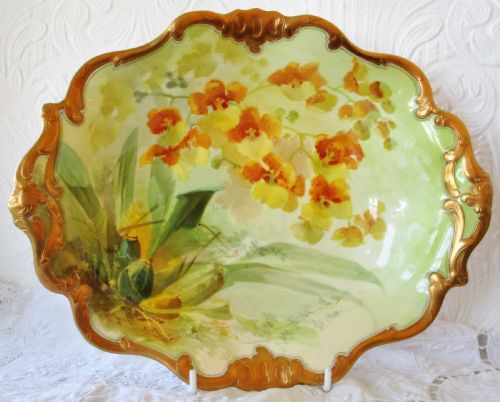
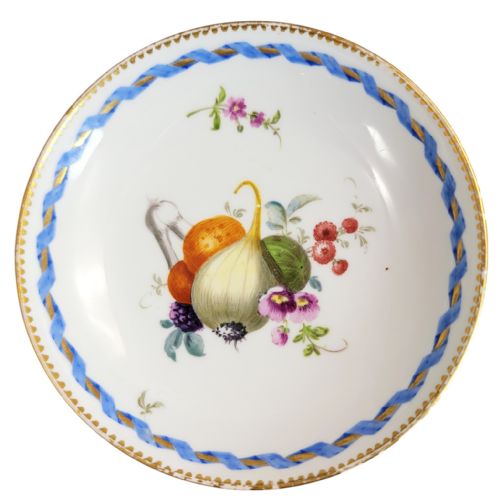
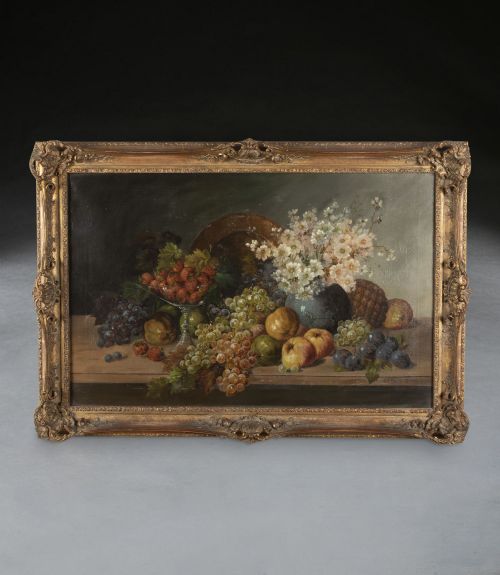
When searching for botanical fruit painting, collectors encounter a diverse array of historical visual records centred on natural produce. These works range from detailed watercolours on paper to large oil paintings on canvas and hand-painted porcelain panels.
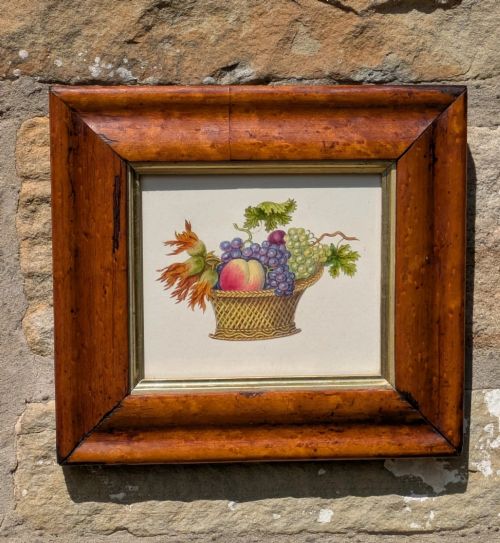
The pieces appearing on this page span several eras, moving from eighteenth-century compositions and Regency watercolours to Victorian oils and mid-century works. Works depicting wicker baskets, bowls of apples, and clustered grapes recur frequently across these periods.
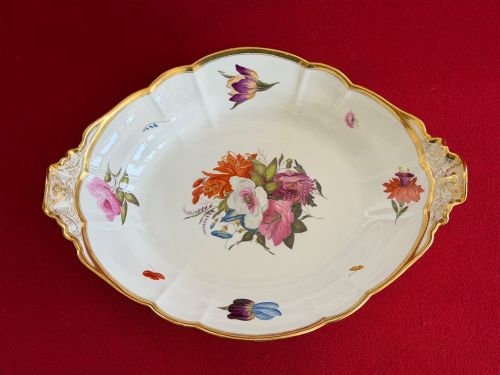
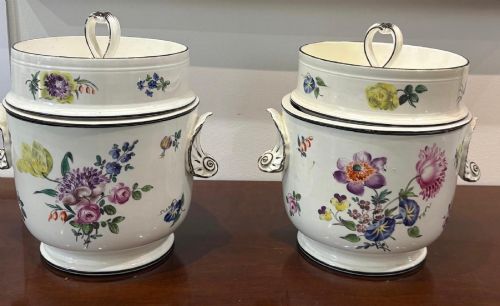
Originating from British, European, and regional traditions, the selection includes framed artwork and decorative ceramic dishes. Each object preserves a specific domestic or artistic interest in natural forms.
Materials and Techniques
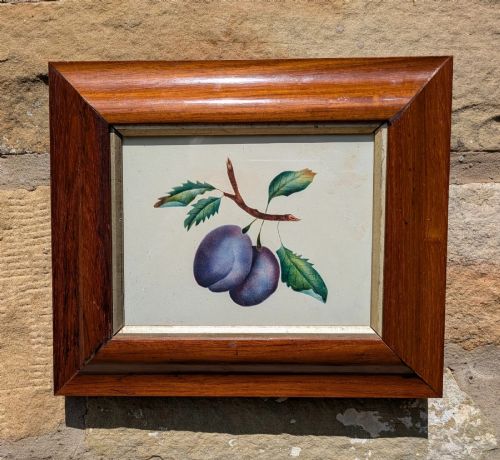
Artists and makers utilised oil on canvas and delicate watercolour on paper to record the textures of plums, berries, and peaches. Ceramic bodies such as porcelain and creamware provided an alternative canvas for hand-painted botanical designs.
Framing often involved traditional woods like rosewood, while gilding added finish to canvas works and porcelain cabinets alike. Gouache on pith paper and enamel applications further broaden the technical range found in these pieces.
Botanical Fruit Painting Retail Price Guide 2026
Typical asking prices for botanical fruit painting among the pieces listed under this phrase on Sellingantiques today, from the lower quarter to the upper quarter. They describe what is for sale here now, not the wider market.
A surprising number of these painted fruit arrangements manage to include an unexpected stray bird or perched parrot eyeing the harvest.
Distinctions in Quality
The upper tier of these works displays superior handling of light and shadow, particularly in the rendering of fruit skins, water droplets, and foliage. Brushwork in the finest paintings shows precision and depth, while lesser examples rely on formulaic repetition.
Material support also influences the standard of a piece, from heavy wood frames to high-grade porcelain bodies. Skill in composition distinguishes competent decorative items from masterworks of still life.
Flight Barr And Barr·Royal Doulton·Meissen·Royal Worcester·Kornilov Brothers
The Botanical Fruit Painting Glossary
- Gouache
- An opaque watercolour medium that dries to a matte finish, allowing for dense colour application on paper.
- Pith paper
- A delicate oriental plant material used as a painting surface for detailed botanical and figurative works during the eighteenth and nineteenth centuries.
- Creamware
- A refined earthenware developed in England during the eighteenth century, known for its pale yellowish glaze.
- Cabinet plate
- A decorative ceramic dish intended for display in a cabinet rather than for functional dining use.
- Dessert service
- A matched set of plates, bowls, and dishes created specifically for serving the final course of a formal meal.
Botanical Fruit Painting: Frequently Asked Questions
What is a botanical fruit painting?
These works are artistic representations of natural produce, created using oil paints, watercolours, or ceramic glazes. They focus on documenting the varied textures and colours of harvest items.
Such pieces range from framed canvas artworks intended for wall display to hand-painted plates designed for cabinet presentation in period interiors.
Where were these paintings displayed?
Historically, still life depictions of food and flora hung primarily in dining rooms, drawing rooms, and studies. They served to celebrate domestic wealth and the abundance of the natural world.
Ceramic variations such as painted bowls and dessert services appeared on dining tables during formal gatherings before moving to display cabinets.
How do I date a painted fruit piece?
Dating relies on examining the framing materials, the type of paper or canvas support, and the stylistic conventions of the brushwork. Regency and Victorian examples often feature distinct colour palettes and subject arrangements.
Ceramic items carry specific maker marks, backstamps, and glaze characteristics that help narrow down the production decade.
How should I care for watercolour fruit art?
Watercolour paintings on paper require protection from direct sunlight to prevent fading of the pigments. Framing behind conservation glass helps shield the paper from humidity and environmental damage.
Ceramic pieces featuring painted fruit need gentle cleaning with soft cloths, avoiding abrasive materials that might damage the surface glaze.