







Bohemian Wool Rug
A bohemian wool rug brings warmth and pattern to a room, offering tactile comfort through traditional hand-woven designs.
Bohemian Wool Rug
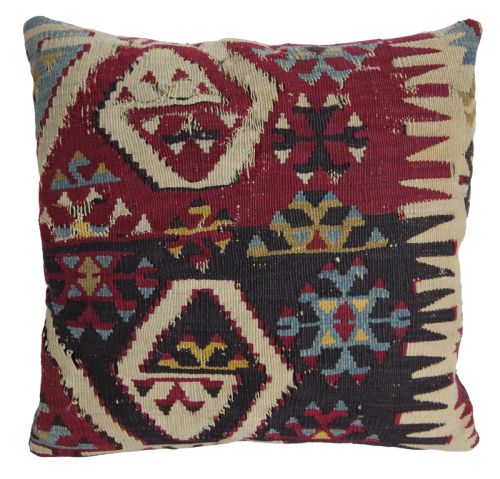
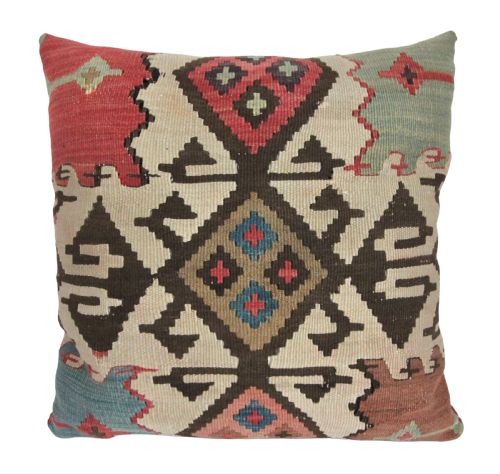
A bohemian wool rug encompasses various tribal and traditional textile forms, including carpets, runners, kilims, and cushions. These pieces display distinct cultural patterns from Anatolia, Persia, Turkmenistan, Morocco, and Central Asia.
Materials and construction methods
These textiles rely on wool and hand-spun wool fibres, often combined with cotton foundations for structural stability. Natural dyes provide the enduring colours seen across the tribal and traditional patterns.
Weavers employ hand-weaving techniques, pile knots, flat-weave methods, and embroidery styles such as suzani work. Artisans construct bag faces, torbas, and carpets using durable regional methods passed down through generations.
Styles represented include Anatolian, Persian, Turkmen, Moroccan, and Central Asian tribal traditions.
Assessing craftsmanship and condition
Quality depends upon the tightness of the weave, the fineness of the hand-spun wool, and the complexity of the tribal design. Strong structural integrity in flat-weaves and piled surfaces distinguishes superior examples.
The vibrancy and retention of natural dyes influence visual appeal. Intact borders, careful conversions of bag faces, and well-preserved embroidery contribute significantly to a piece's standing.
The Bohemian Wool Rug Glossary
- Kilim
- A flat-woven carpet or rug produced without a pile. These versatile textiles are utilised both as floor coverings and soft furnishings.
- Torba
- A small Turkmen storage bag or hanging, often featuring traditional guls and geometric motifs. Collectors frequently encounter these pieces adapted into cushions.
- Suzani
- A type of embroidered tribal textile originating from Central Asia. These decorative panels display intricate needlework using silk or wool threads on a cotton or linen ground.
- Natural dye
- Colouring derived from plant, insect, or mineral sources rather than synthetic chemicals. These dyes yield rich, complex tones that age gracefully over decades.
Bohemian Wool Rug: Frequently Asked Questions
How are bohemian wool rugs used in interiors?
These textiles serve multiple functions on floors, walls, and furniture. Smaller formats and converted bag faces work well as cushions and decorative accents.
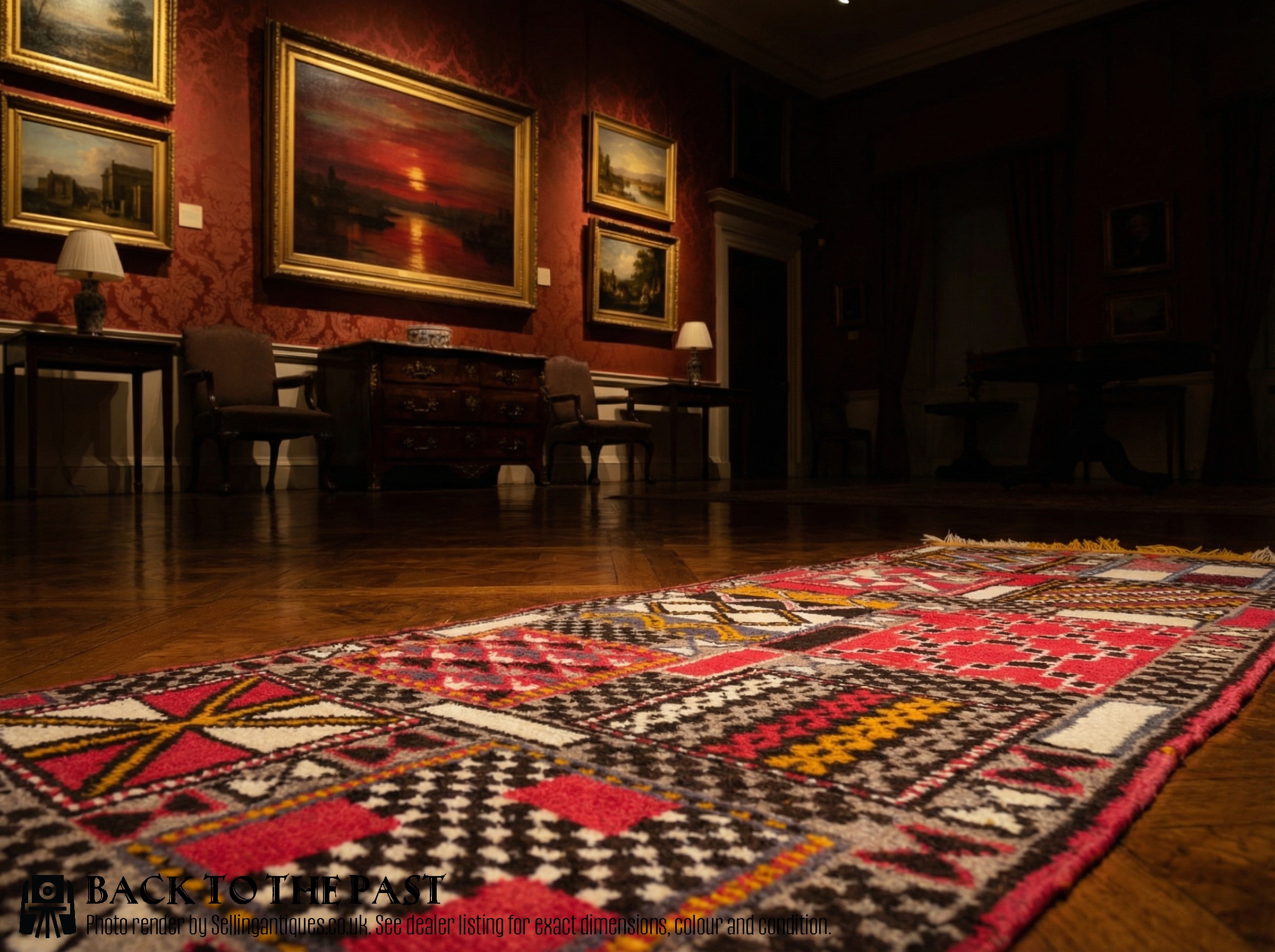
Larger carpets and hallway runners anchor seating areas or add warmth to corridors and living spaces.
How do I care for an antique wool rug?
Regular gentle vacuuming without a beater bar removes surface dust and protects the wool fibres. Professional cleaning is recommended for deeper maintenance.
Keep these textiles away from prolonged direct sunlight to preserve the natural dyes.
What is the difference between a kilim and a piled rug?
Kilims are flat-woven textiles created by tightly interweaving warp and weft threads without knots. They offer a smooth, lightweight surface.
Piled rugs feature knotted yarn ends that stand upright, creating a dense, tactile surface texture.
How can I tell the age of a wool textile?
Age is assessed through structural characteristics, material wear, and the composition of natural dyes. Hand-spun wool irregularities and traditional tribal motifs offer key clues.
Earlier pieces often display softer colour palettes resulting from organic fading over time.