




Bohemian Silver Overlay
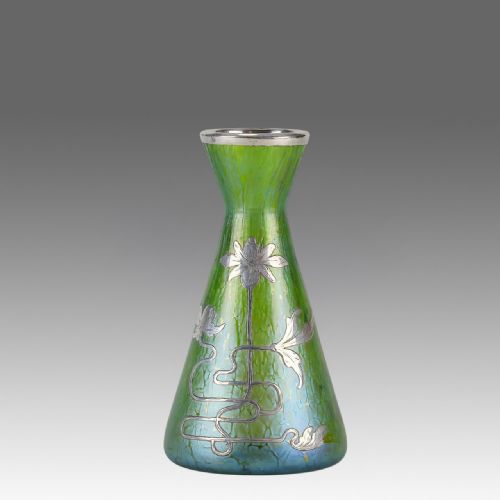
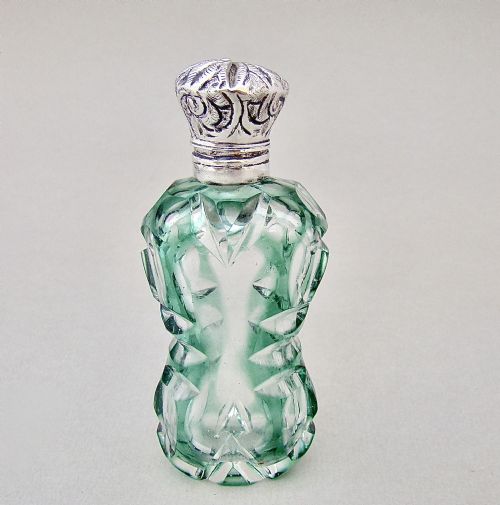
These pieces of bohemian silver overlay combine heavy glass vessels with intricate metal mounts to catch the light.
Bohemian Silver Overlay
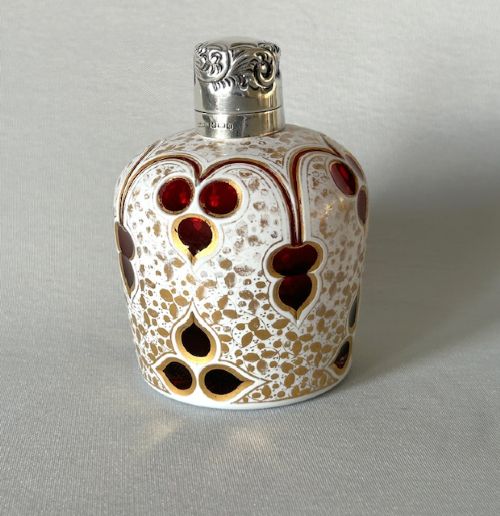
When searching for bohemian silver overlay, buyers encounter richly coloured glass vessels decorated with bonded metal tracery. These objects range from small perfume containers to large cabinet vases created during the Victorian, Edwardian, and early twentieth-century periods.
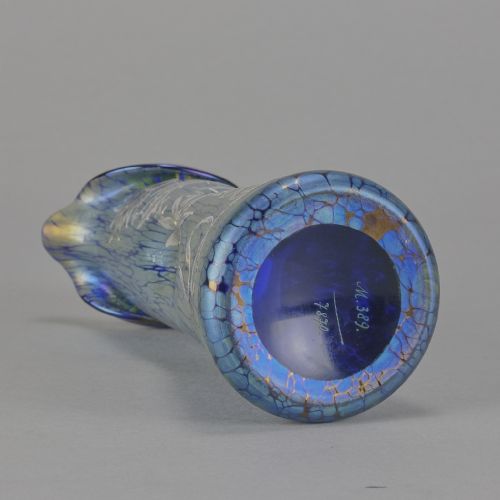
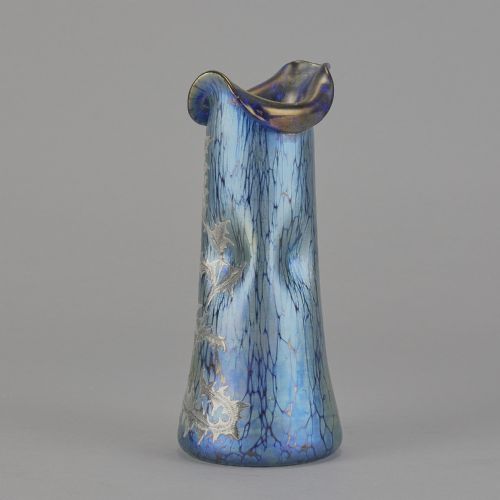
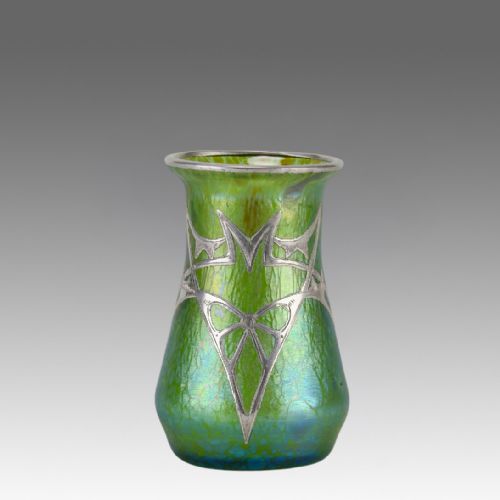
The glassware takes the form of scent bottles and tall vases in shades of cobalt blue, green, amethyst, and cranberry. Many examples combine iridescent glass surfaces with abstract floral or geometric metalwork executed in distinct design movements.
Art Nouveau and Secessionist styles dominate the selection, bringing flowing organic lines and Vienna Secession influences to the metallic decoration. Makers applied the metal directly to the blown glass body, creating a permanent bond between the two contrasting media.
What varies in quality
Quality rests in the weight of the metal and the precision of the cut-out work against the coloured glass beneath. Finer pieces display substantial silver thickness with crisp piercing and engraving that follows the contours of the blown vessel without lifting.
The choice of glass ground also dictates the standard of the piece, with complex iridescent or layered glass bodies requiring greater skill from the glasshouse. Combined hallmarks on the silver mounts indicate specific silversmiths and assay offices, adding documentary clarity to the craftsmanship.
Materials span sterling silver, gold leaf, enamel, and iridescent bohemian glass in cobalt, cranberry, and green.
Loetz Witwe·Johann Loetz·The Boots Company·Mousley Brothers·Charles May
The Bohemian Silver Overlay Glossary
- Silver Overlay
- A technique where silver is applied to the surface of a glass or ceramic object. The metal forms a decorative skin that contrasts sharply with the background material.
- Iridescent Glass
- Glass treated with metallic salts while hot to produce a rainbow sheen. This finish shifts in colour according to the angle of the light.
- Secessionist
- A style associated with Central European art movements that rejected historicism in favour of geometric abstraction and stylised natural forms. It appears frequently on metalwork from nineteen-hundred.
- Papillon
- An iridescent glass finish developed by Bohemian makers that creates a mottled, butterfly-wing pattern across the surface. It is closely linked to Loetz production.
- Silver Gilt
- Silver that has been coated with a thin layer of gold on its surface. This treatment provides a warm golden tone to the metal mounts.
Bohemian Silver Overlay: Frequently Asked Questions
What is bohemian silver overlay?
These items consist of blown glass vessels decorated with bonded metalwork applied directly to the exterior. The metal forms decorative patterns that wrap around the coloured or iridescent body.
Production spanned the Victorian, Edwardian, and early twentieth-century periods, capturing design movements like Art Nouveau and Secessionist arts.
How do I identify the periods?
Victorian examples often feature deep amethyst, green, or blue glass combined with heavy floral silver mounts. Pieces from nineteen-hundred lean towards iridescent surfaces and Secessionist or Art Nouveau motifs.
Edwardian items frequently include English silver hallmarks on the mounts, pointing to specific makers and import years. The integration of the metal and the style of the glass provide clear chronological markers.
Were these items used daily?
Scent bottles served as personal vanity accessories for holding perfumes on dressing tables. Their stoppers kept volatile fragrances sealed when not in use.
Vases functioned as decorative display objects in domestic interiors, holding flowers or standing empty to catch the ambient light on their metallic surfaces.
How do I care for these pieces?
Keep the items away from abrasive cleaners that can damage the delicate metal decoration or strip the iridescent surface from the glass. Dust the metal gently with a soft cloth to maintain the finish.
Avoid submerging pieces with glued components or fragile interior residues in water for extended periods.