



Bohemian Glass Carafe
A bohemian glass carafe brings rich colour and heavy historical weight to a sideboard, offering both decorative presence and practical serving grace.
Bohemian Glass Carafe
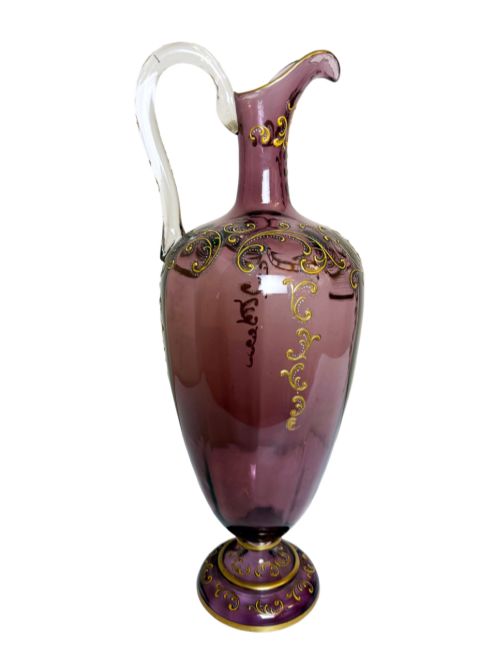
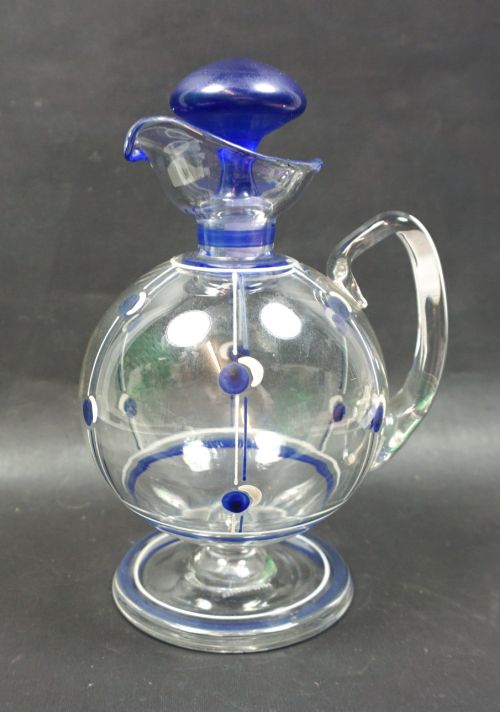
A bohemian glass carafe is a decorative vessel for serving wine and water, originating primarily from Central European workshops across several centuries. When searching for a bohemian glass carafe, buyers encounter forms ranging from nineteenth-century Victorian pieces to geometric Art Deco designs.
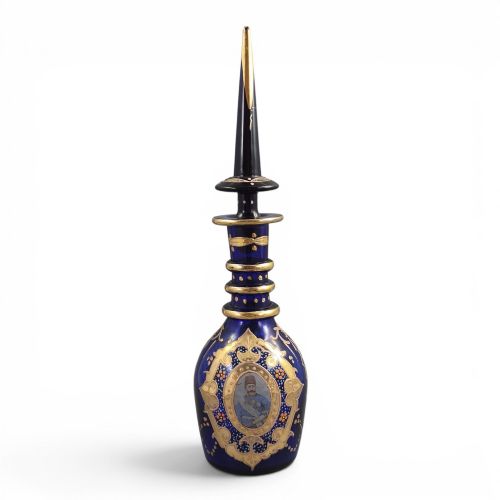
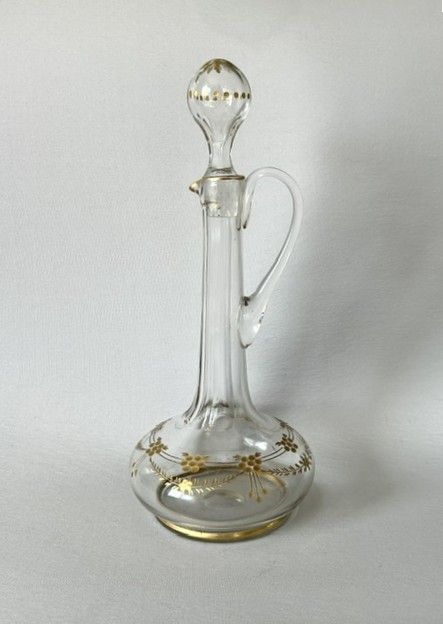
The selection includes varied shapes such as ewers, jugs, and decanter sets alongside traditional serving bottles. Surviving examples demonstrate diverse cultural influences, including specific export pieces tailored for the Persian Qajar market.
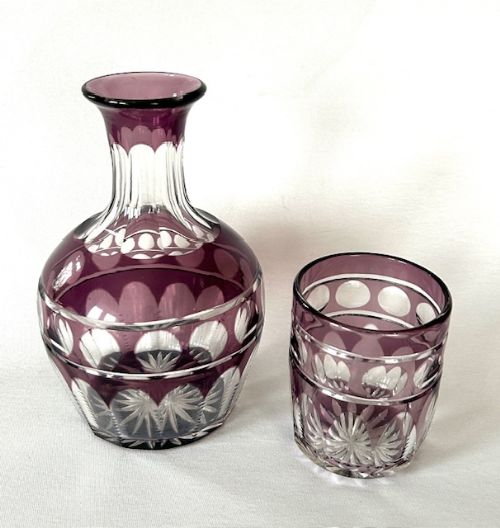
Many items feature distinctive figural representations, animal forms, or matched sets complete with tumblers. These vessels reflect shifts in European taste from elaborate hand-painted decoration to clean modernist lines.
Materials and methods
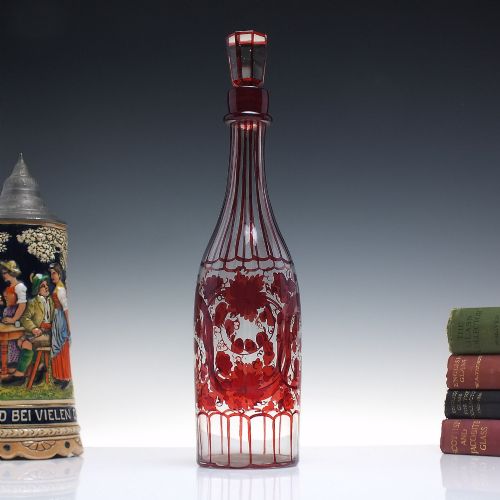
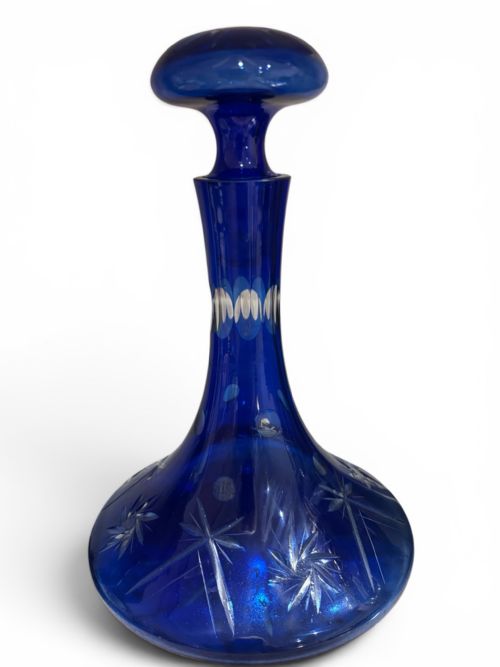
Glassmakers utilised techniques such as mouth-blowing, crystal cutting, and glass overlay to create depth and contrast in the material. Clear and coloured glass served as a base for subsequent ornamentation.
Decoration relied heavily on surface application, including polychrome enamel, hand-painted gold leaf, and intricate gilding. Artisans also employed engraving to cut patterns through overlaid layers of coloured glass.
Bohemian Glass Carafe Retail Price Guide 2026
Typical asking prices for bohemian glass carafe among the pieces listed under this phrase on Sellingantiques today, from the lower quarter to the upper quarter. They describe what is for sale here now, not the wider market.
Object forms on this site range from standard wine jugs and claret vessels to sculptural decanters shaped like dogs.
Markers of excellence
Quality rests in the precision of the glass cutting and the refinement of the applied enamel and gold gilt details. Superior pieces display crisp facets and secure, deliberate brushwork on painted motifs.
The weight of the crystal and the clarity of the coloured glass distinguish finer vessels from standard production. Intricate figural modelling and well-preserved surface gilding elevate the status of an individual piece.
The Bohemian Glass Carafe Glossary
- Opaline glass
- An opaque or semi-translucent glass developed in pastel shades, often decorated with enamel and gilt motifs. It gained popularity during the nineteenth century for decorative tablewares.
- Overlay
- A technique where a layer of coloured glass is fused over a base of clear or contrasting glass, then cut away to reveal the underlayer. This creates bold graphic contrasts on decanters and jugs.
- Gilding
- The application of gold leaf or gold paint to the surface of the glass for ornamentation. It frequently highlights rims, handles, and painted enamel scenes.
- Ewer
- A large jug with a wide spout and a looped handle, traditionally used for holding and pouring water or wine. Many Victorian examples feature this ornate handled form.
Bohemian Glass Carafe: Frequently Asked Questions
What is a bohemian glass carafe used for?
These vessels were originally designed for serving wine, water, or cordials at the dining table. They functioned as both functional tableware and decorative display objects in period interiors.
Today, they are frequently utilised to serve guests or displayed on sideboards to showcase their vibrant colours and intricate surface decoration.
How do I date a bohemian glass carafe?
Dating relies on stylistic markers, such as the geometric profiles typical of Art Deco production or the ornate enamelwork associated with Victorian and nineteenth-century pieces. Examining the manufacturing techniques and colour palettes provides further chronological context.
Export markings and stylistic crossovers, such as pieces made for the Qajar market, also help establish the specific decade of origin.
Can I use an antique glass decanter?
Many collectors use these pieces for serving beverages, provided the glass is handled with care and washed by hand. Avoiding sudden temperature changes protects the historical material.
Items featuring delicate gold leaf or raised enamel decoration warrant extra caution to preserve the surface artistry during use.
How do I display these carafes safely?
Placing the vessels on stable, flat surfaces away from direct foot traffic prevents accidental tipping. Adequate spacing protects delicate handles and spouts from impact.
Displaying them where natural light passes through the glass highlights the rich tones of cobalt, ruby, and green variants.