
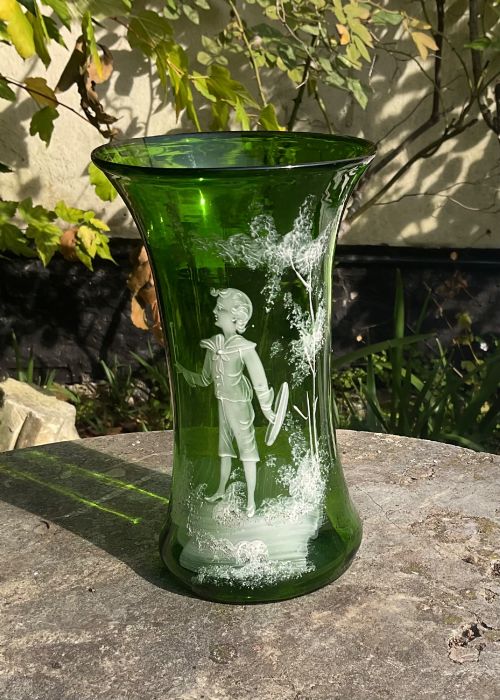
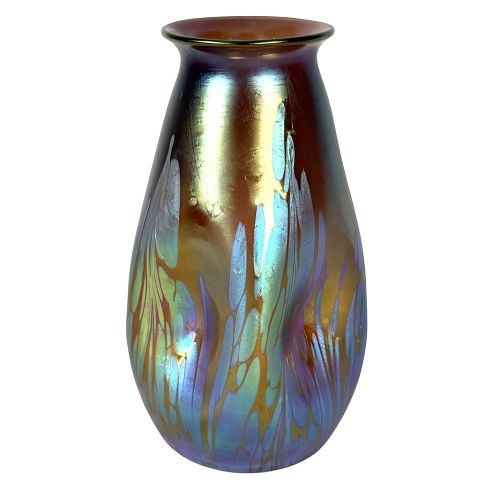
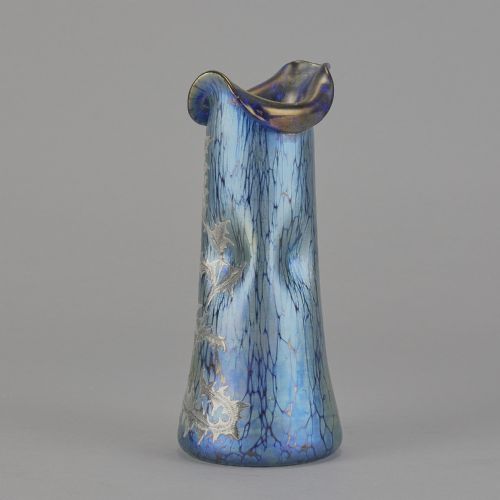
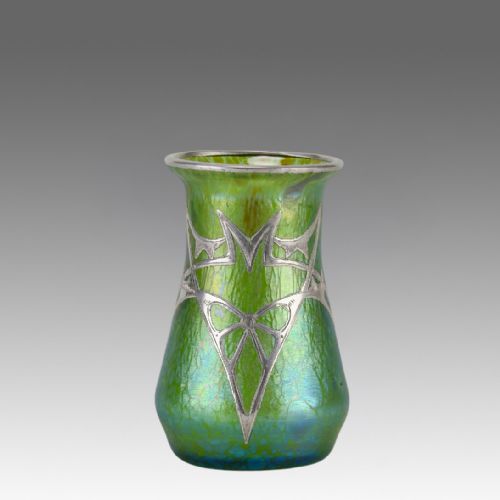


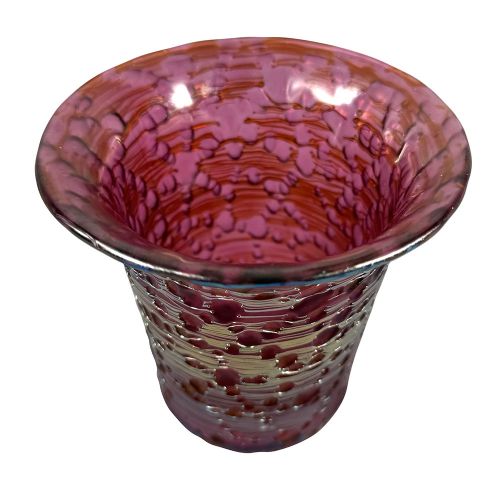


Bohemian Art Glass Vessel
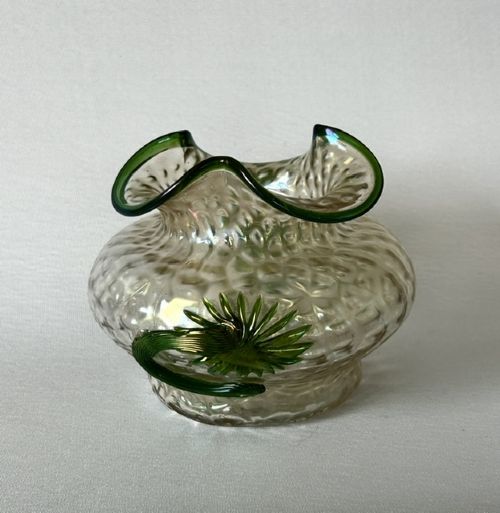
These bohemian art glass vessel pieces bring extraordinary iridescent colour and fluid organic forms straight from early twentieth-century Central European furnaces to a modern room.
Bohemian Art Glass Vessel
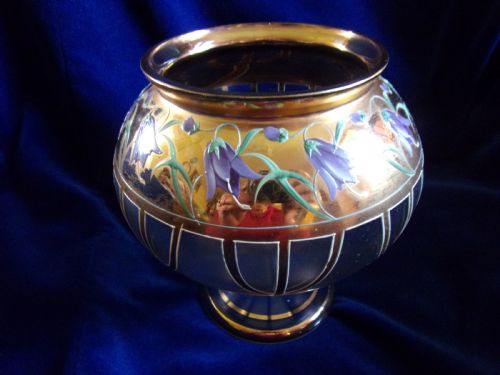
When you search for a bohemian art glass vessel, you enter a rich tradition of studio and factory production spanning the Victorian era through the Art Deco years. The selection on this page relies heavily on iridescent glass pieces from the nineteen hundreds, alongside geometric enamel designs from the nineteen thirties.
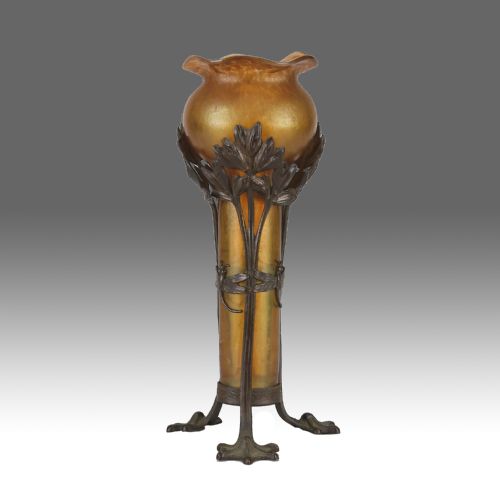
Vases dominate the object types, complemented by decorative bowls and mounted table pieces. You will find creations in distinct styles including Art Nouveau, Jugendstil, Vienna Secession, and Art Deco.
The material palette ranges from hand-blown iridescent glass and green glass to hyalite glass and uranium glass. Many examples incorporate sterling silver, silver overlay, pewter stands, or bronze mounts.
How they were made
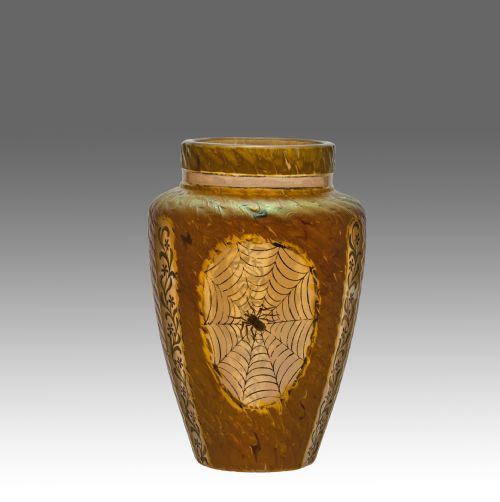
Master glassmakers utilised hand-blown techniques to shape molten material into organic, fluid, or geometric forms. Chemical treatments and metallic oxides were applied to hot glass surfaces to achieve shimmering iridescent finishes like the Papillon and Orbulin décors.
Artisans often enhanced glass bodies through cold-working, enamel decoration, gilding, and chemical etching. Metalworkers added structural elegance by casing vessels in pewter overlays, silver mounts, and bronze stands.
Materials recorded across these listings include hand-blown glass, uranium glass, hyalite glass, pewter, sterling silver, and bronze.
What varies in quality
Quality rests upon the depth of iridescence, the complexity of the glass décor, and the precision of the metal mounts. Pieces featuring documented factory décors or recognised designer attribution display superior artistic ambition.
The integration between glass bodies and metal hardware demonstrates the maker's skill. Stronger examples exhibit harmonious proportion between the hand-blown vessel and applied pewter or silver elements.
Loetz Witwey·Johann Loetz·Kralik Glass·Karl Palda·Mary Gregory·Paul Heller
The Bohemian Art Glass Vessel Glossary
- Iridescent Glass
- Glass treated with metallic vapours to produce a rainbow sheen on the surface. This effect is a defining hallmark of Art Nouveau production.
- Papillon
- A distinctive spotted iridescent décor resembling butterfly wings. Loetz famously utilised this technique on organic glass vessels.
- Hyalite Glass
- An opaque black or coloured glass developed in Bohemia. It offers a smooth, glossy surface often associated with modernist design.
- Secessionist
- A style characterised by geometric austerity and clean lines rather than flowing floral curves. It emerged from Central European avant-garde art movements.
- Silver Overlay
- Metal applied directly to the exterior of a glass vessel in decorative patterns. This technique combines glassblowing with silversmithing.
Bohemian Art Glass Vessel: Frequently Asked Questions
How do I identify a Loetz vessel?
Look for characteristic organic forms paired with distinctive iridescent finishes such as the Papillon or Orbulin décors. Many pieces also feature documented metal mounts or silver overlays.
Factory attribution often relies on surface texture, colour gradients, and known stylistic traits from the early twentieth century.
What is uranium glass?
Uranium glass incorporates trace amounts of uranium within the glass batch to impart a vivid yellow-green colour. Under ultraviolet light, these pieces glow intensely.
This material appeared frequently in geometric Art Deco designs produced during the nineteen thirties.
How should I display these vessels?
Position these pieces where natural light can catch the iridescent surfaces and transparent coloured glass. Placing them near a window highlights the shimmering metallic sheens.
Ensure stable placement on flat surfaces, particularly for tall or top-heavy forms fitted with metal mounts.
How do Art Nouveau and Art Deco pieces differ?
Art Nouveau examples feature fluid, organic lines inspired by nature, often displaying iridescent surfaces and applied snake or floral motifs. These creations date predominantly from the nineteen hundreds.
Art Deco pieces from the nineteen thirties lean toward strict geometry, opaque glass, and precise enamel etching.