


Art Nouveau Loetz Vase
An art nouveau loetz vase captures the fluid organic energy of the turn of the twentieth century in iridescent blown glass.
Art Nouveau Loetz Vase
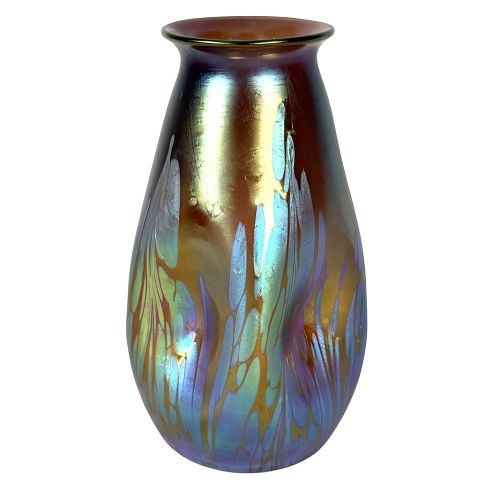
An art nouveau loetz vase represents the pinnacle of Bohemian glassmaking during the early twentieth century. These vessels emerge from periods around 1900 and 1910, reflecting the dominant aesthetic movements of Vienna Secession, Jugendstil, and Secessionist design.
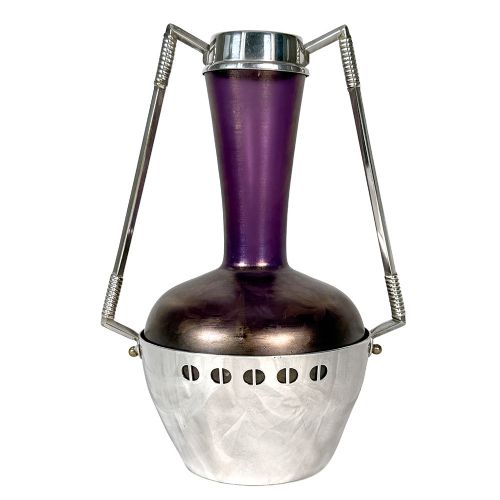
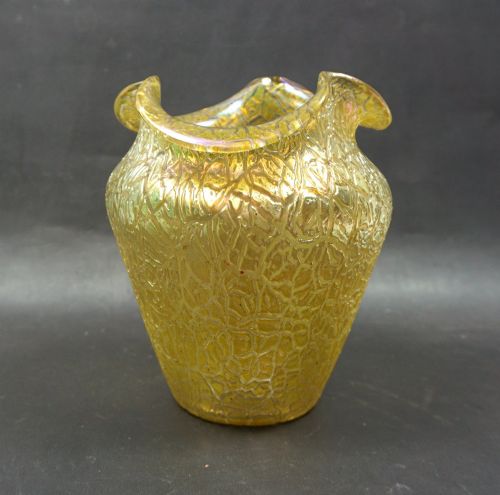
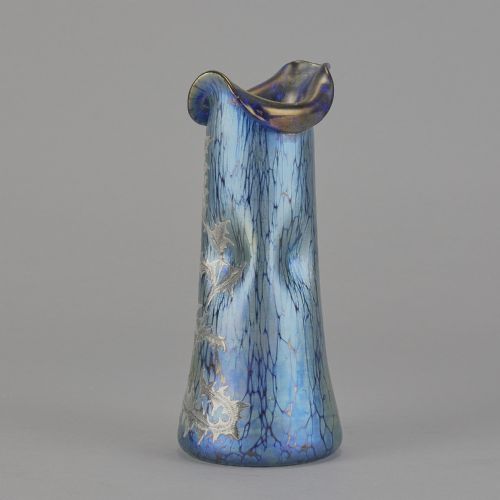
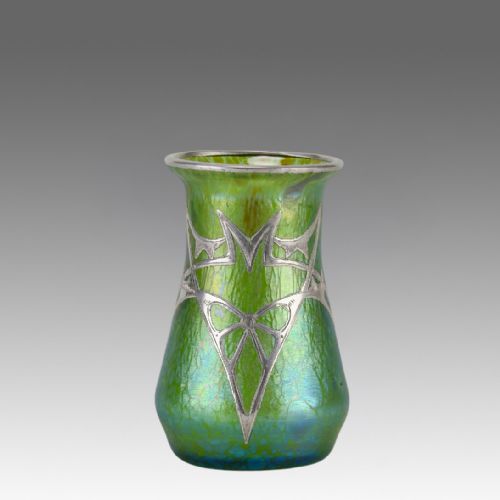
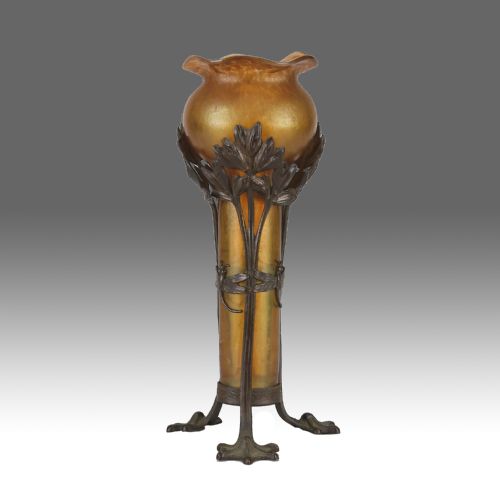
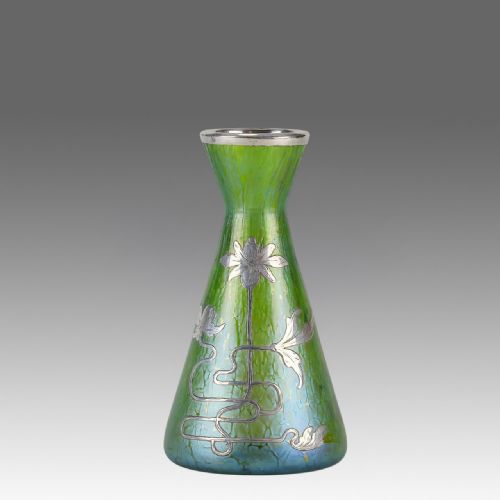
Collectors frequently encounter characteristic forms such as the iconic Papillon décor, Phänomen patterns, and iridescent green glass bodies. Many examples incorporate sterling silver, silver overlay, or bronze mounts that complement the flowing organic contours of the blown glass.
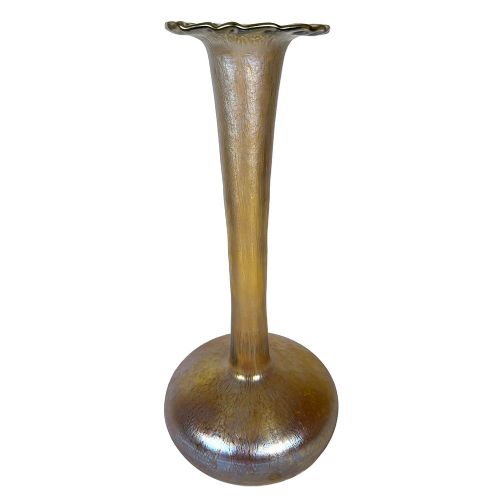
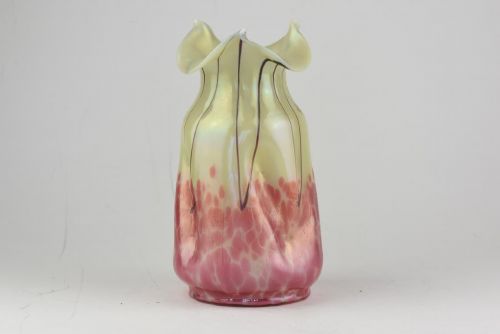
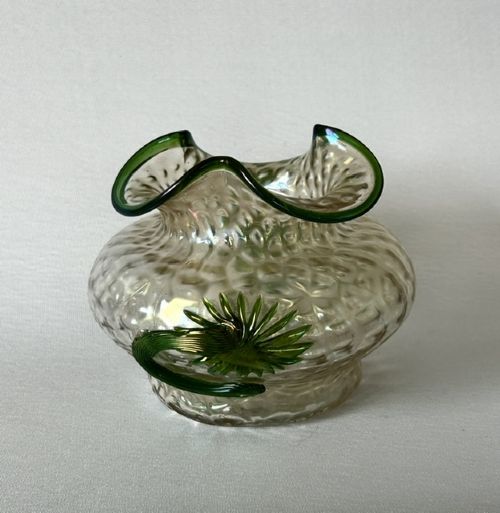
The objects span various shapes including conical bodies, Jack in the Pulpit silhouettes, and tulip flower configurations. While Loetz dominates the offerings, related makers such as Pallme Konig, Kralik, and Robert Holubetz also appear within the selection.
Materials and techniques
Makers utilised blown glass and hand-blown glass as the primary medium, manipulated whilst molten to achieve organic, fluid shapes. Artisans applied metallic salts to the hot glass surface to create the signature iridescent sheen.
Complex décors like Phänomen involved combing hot glass threads into the surface and pulling them into feathered patterns. Metalworkers then frequently added sterling silver, silver overlay, and bronze stands to complete the composition.
Some vessels imitate giant flowers or tadpoles, proving that turn-of-the-century glassmakers possessed a wonderfully imaginative sense of humour.
Distinctions in quality
The sophistication of the glass decors and the complexity of the surface effects separate standard examples from exceptional ones. Phänomen threads and multi-layered iridescence require superior technical mastery compared to plain iridescent surfaces.
The integration of metalwork dictates another tier of distinction. Pieces featuring heavy silver overlay, hallmarked sterling silver mounts, or cast pewter and bronze stands by firms like J Reinemann demand greater craftsmanship than standalone glass vessels.
Loetz Witwe·Pallme Konig·Kralik·Robert Holubetz
The Art Nouveau Loetz Vase Glossary
- Iridescent glass
- Glass treated with metallic vapours to produce a rainbow-like sheen on the surface. This optical effect shifts colours in changing light.
- Phänomen
- A distinctive Loetz glass technique featuring combed, feather-like surface patterns created while the glass remains hot. It represents some of the factory's most complex work.
- Papillon décor
- An iridescent surface treatment resembling the shimmering wing scales of a butterfly. It remains one of the most recognisable patterns found on these vessels.
- Silver overlay
- Sterling silver applied directly to the glass body in decorative organic motifs. This technique combines metalworking with blown glass forms.
- Jugendstil
- The German and Austrian manifestation of Art Nouveau design. It emphasises dynamic, linear plant forms and rejection of historical revivals.
Art Nouveau Loetz Vase: Frequently Asked Questions
What is a Papillon décor?
Papillon refers to an iridescent surface finish that mimics the mottled, shimmering appearance of butterfly wings.
This specific treatment catches light to reveal shifting blue and green tones across the blown glass body.
How do I identify a Phänomen vase?
Phänomen pieces feature distinct combed, feather-like threaded patterns embedded directly into the hot glass surface during manufacture.
These tactile designs showcase the height of Bohemian technical experimentation around nineteen hundred.
Were these vases always mounted in silver?
Many vessels were left entirely as glass, while others received sterling silver overlay or cast metal mounts.
Mounts in bronze or pewter from makers like J Reinemann were added to enhance the display presence.
How should I display iridescent glass?
Position these vessels near natural light sources to fully activate the metallic sheen and underlying colours.
Ensure stable placement away from edges, particularly for tall silhouettes like Jack in the Pulpit forms.