




Bohemian Iridescent Glass Vase
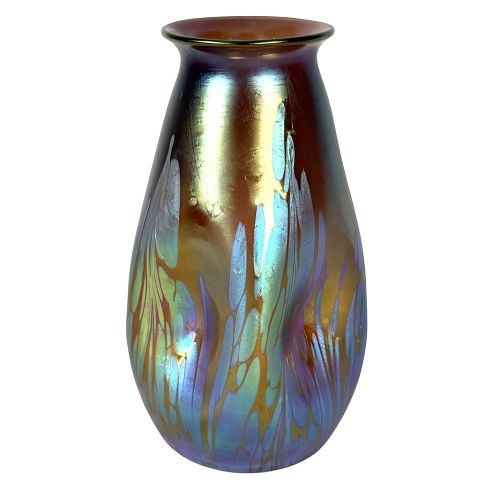
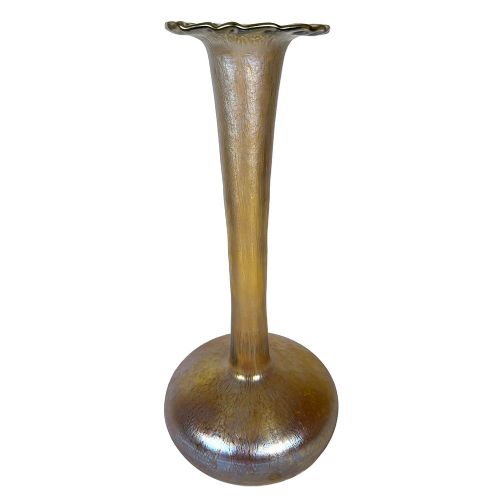
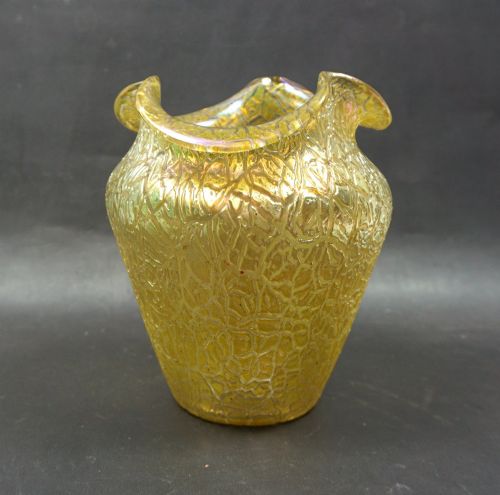
A bohemian iridescent glass vase brings molten colour and organic form straight from the workshops of Central Europe into your home.
Bohemian Iridescent Glass Vase
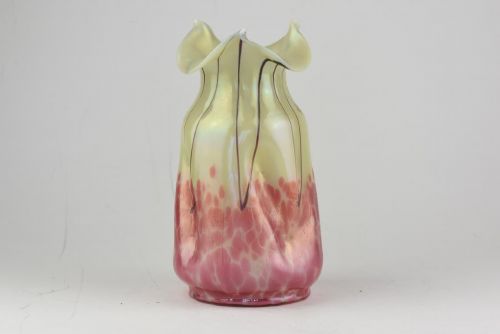
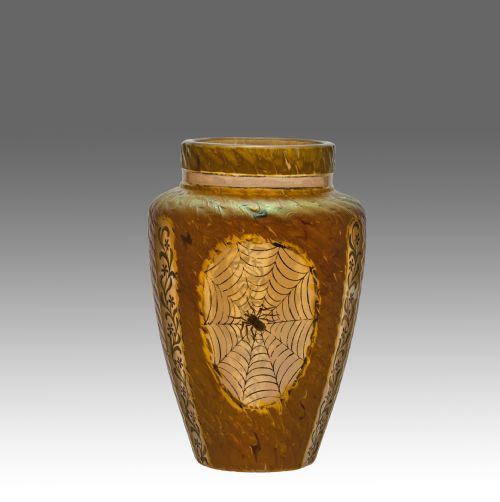
When you search for a bohemian iridescent glass vase, you encounter works primarily from the late 19th century through the early 20th century. These vessels reflect the flowing lines and natural motifs characteristic of the Art Nouveau and Vienna Secession movements.
The most common examples on this page date from around 1900, often featuring distinct patterns such as the Papillon or Candia décors. Makers utilised blown glass techniques to create dynamic surfaces that shift in tone depending on the light.
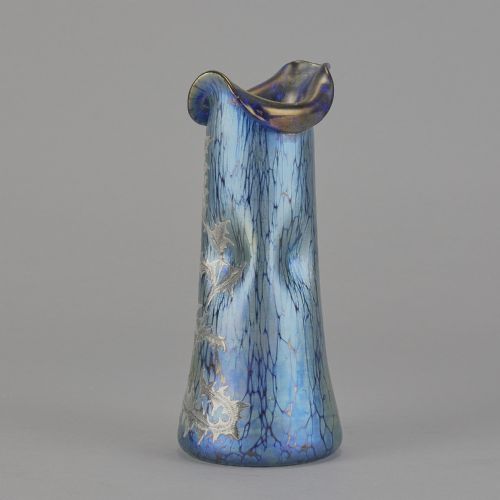
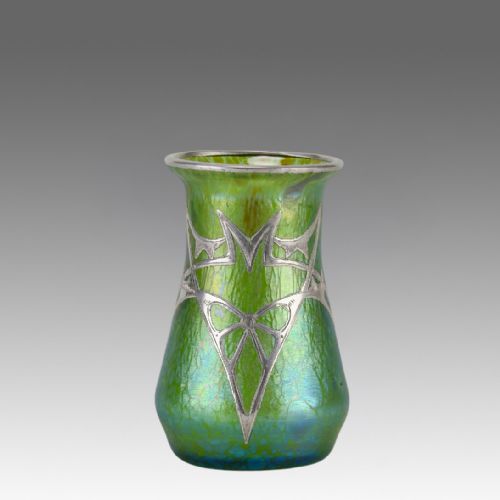
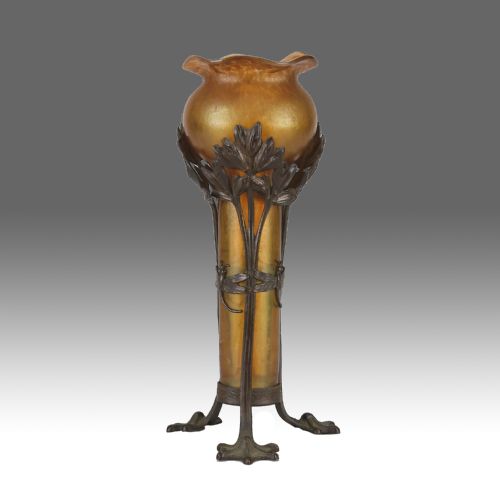
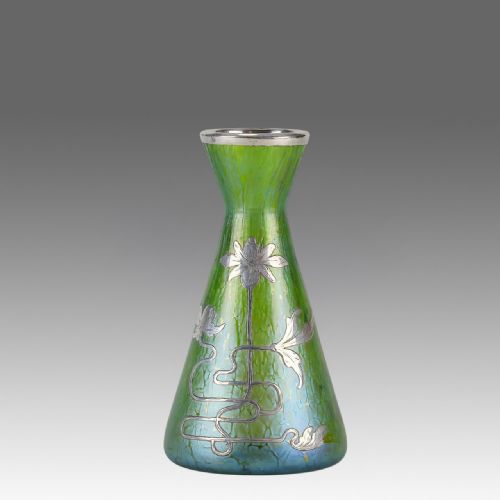
Many of these pieces incorporate metal elements, including sterling silver overlays, bronze mounts, or pewter stands. This combination of glass and metal defines the distinct aesthetic of bohemian production from this era.
How they were made
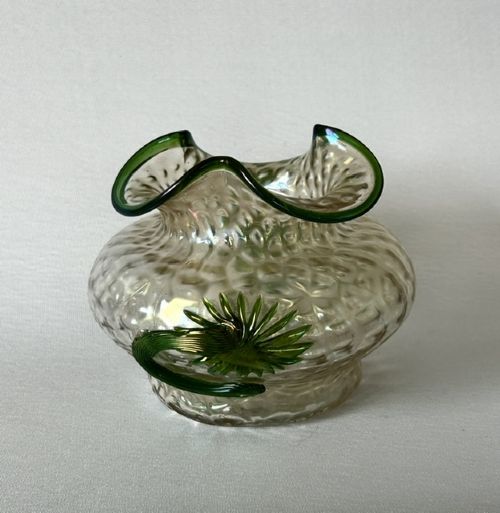
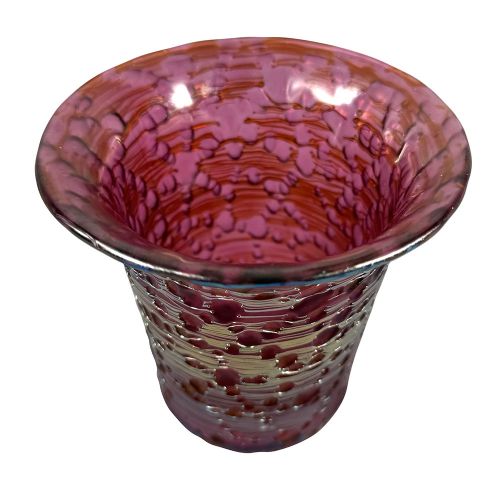
Craftsmen produced these vessels using hand-blown glass treated with metallic chemical vapours while hot to achieve an oil-slick iridescence. Molten threads, applied snakes, or raised patterns were often added to the surface before shaping.
Workshops completed selected pieces by encasing them in silver overlay or mounting them in pewter and bronze stands. These metal additions required precise smithing to fit the organic contours of the blown glass bodies.
Materials combine hand-blown iridescent glass with sterling silver, silver overlay, bronze mounts, and pewter stands.
What varies in quality
Quality rests upon the depth and complexity of the iridescent sheen, alongside the fluidity of the glass-blowing technique. Pieces featuring distinct decors like Phänomen or detailed organic forms represent higher artistry.
The presence and execution of metal mounts, such as silver overlay or pewter stands, elevate a piece. Integrated metalwork by named makers or specific retailers demonstrates superior craftsmanship.
Loetz Witwe·Johann Loetz·Pallme Konig·Kralik Glass·J Reinemann
The Bohemian Iridescent Glass Vase Glossary
- Iridescent Glass
- Glass treated with metallic salts to produce a rainbow-like sheen on the surface. This optical effect shifts colour when viewed from different angles.
- Papillon Décor
- A mottled, iridescent surface pattern resembling butterfly wings. It is one of the most celebrated finishes developed by Austrian glassworks.
- Silver Overlay
- Metal applied directly to the exterior of a glass vessel, often etched with floral or geometric motifs. The technique creates a striking contrast between polished metal and lustrous glass.
- Vienna Secession
- An artistic movement formed in 1897 that rejected historicism in favour of clean lines and geometric stylisation. Objects from this group lean towards restrained forms.
- Phänomen
- A complex Loetz décor characterised by combed, iridescent threads embedded into the hot glass surface. It creates fluid, wave-like patterns across the body of the vase.
Bohemian Iridescent Glass Vase: Frequently Asked Questions
What is a bohemian iridescent glass vase?
A bohemian iridescent glass vase is a decorative vessel produced in Central Europe during the late 19th and early 20th centuries. These pieces are celebrated for their shimmering metallic finishes and organic Art Nouveau shapes.
Craftsmen used specialised chemical treatments on blown glass to achieve their signature colourful sheen. Many examples also feature applied details or metal mounts.
How do I identify Art Nouveau pieces?
Art Nouveau pieces typically display fluid, asymmetrical lines inspired by natural forms such as plants, flowers, and insects. Look for whiplash curves and undulating surfaces rather than rigid symmetry.
In glasswork, this style manifests in undulating rims, organic body shapes, and iridescent finishes that mimic nature. Metal mounts on these vases often echo floral or vine motifs.
What is Phänomen glass?
Phänomen glass is a distinctive surface treatment featuring combed or feathered iridescent threads embedded into the hot glass. This technique creates a mesmerising, optical wave effect across the vessel.
Developed around 1900, it stands as one of the most technically demanding innovations of the period. Pieces featuring this finish are highly sought after by collectors.
How should I display these vases?
Display these vases in spaces with strong natural light to fully appreciate the shifting tones of the iridescent surface. Placing them near a window allows the metallic sheens to catch and reflect daylight.
Ensure they sit on stable surfaces away from high-traffic areas, especially examples with delicate metal mounts or handles. Single statement pieces work well on a mantelpiece or dedicated shelf.