






Blue Wool Cushion Face
A blue wool cushion face brings rich tribal geometry into a room through hand-woven fragments from nineteenth-century nomadic cultures.
Blue Wool Cushion Face
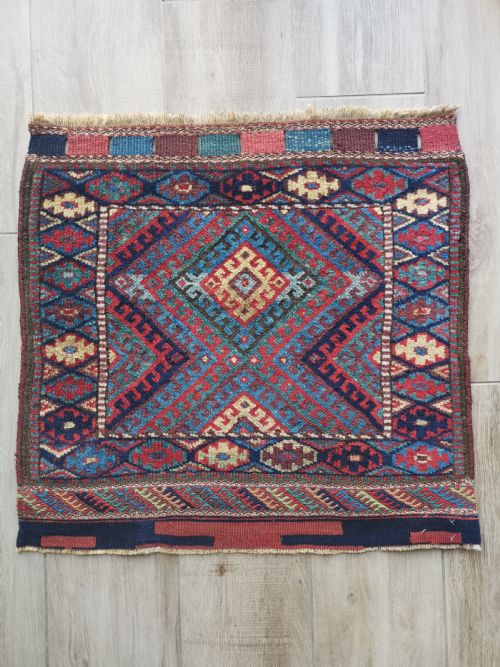
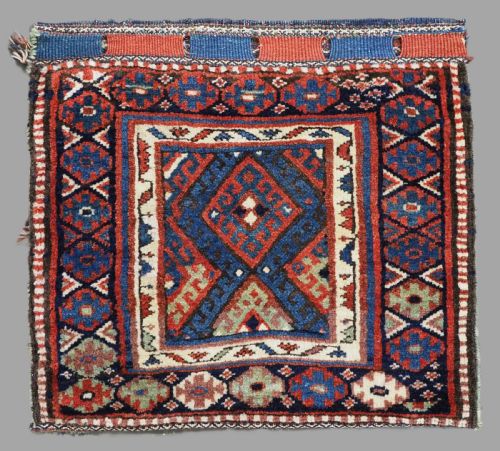
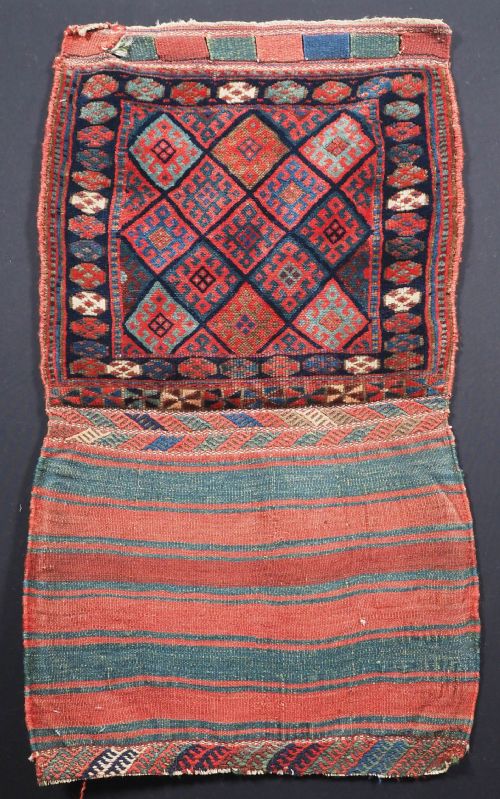
When you search for a blue wool cushion face, you are looking at fragments and complete fronts of nomadic utility bags, specifically saddlebags woven by tribal groups across Persia, Anatolia, and Central Asia. These items originate from periods spanning the nineteenth century, including specific dates from eighteen hundred through to nineteen hundred.
The version you are most likely to meet on this page is a saddlebag face or half-saddlebag created by tribal weavers such as the Afshar, Shahsavan, Jaf Kurd, and Qashqai. These pieces function as decorative cushions today, having been adapted from utilitarian storage sacks used for transport on animals.
The forms range from square cushion shapes to rectangular bag faces featuring tribal motifs like boteh patterns, birds, and dragons. Their construction reflects the practical requirements of nomadic life combined with traditional tribal artistry.
How they were made
The materials recorded in these pieces rely entirely on wool, cotton, and hand-spun wool, processed to create durable textiles suitable for nomadic utility. Weavers utilised natural dyes and vegetable dyes to achieve deep indigo blues and contrasting hues within the geometric designs.
Techniques vary from soumak work and banded weft work to plain weave structures, depending on the tribal origin and the specific function of the bag face. Artisans knotted and wove these textiles on portable vertical or horizontal looms set up in camps.
Blue Wool Cushion Face Retail Price Guide 2026
Typical asking prices for blue wool cushion face among the pieces listed under this phrase on Sellingantiques today, from the lower quarter to the upper quarter. They describe what is for sale here now, not the wider market.
Nomadic weavers occasionally smuggled small fighting dragons into otherwise peaceful bird borders.
What varies in quality
The quality of a blue wool cushion face depends upon the handle and lustre of the wool, with certain pieces demonstrating particularly luminous properties through the use of well-prepared animal fibres. The precision of the weave and the complexity of tribal motifs, such as detailed bird and dragon iconography, also distinguish finer examples.
Colour saturation achieved via natural and vegetable dyes dictates visual depth, separating deeply absorbed tones from flat surfaces. The integrity of the remaining structure, whether a complete bag face or a carefully finished half-saddlebag, marks the distinction between standard utilitarian items and masterworks of tribal art.
The Blue Wool Cushion Face Glossary
- Bag face
- The decorative front panel of a nomadic storage bag, which was separated from the plain weave back and converted into a cushion for modern display.
- Soumak
- A flat-weave technique involving wrapping weft threads over and under warp threads to produce a textured, durable surface with distinct pattern definition.
- Boteh
- A stylised floral or almond-shaped motif commonly found in Persian and tribal textiles, representing a bush or sprouting seed.
- Yastic
- A small Turkish or Anatolian rectangular rug or cushion cover traditionally used for leaning against on low divans.
- Nomadic
- Pertaining to pastoral tribal groups who moved seasonally across regions like Azerbaijan, Luristan, and Kurdistan, carrying their weaving traditions with them.
Blue Wool Cushion Face: Frequently Asked Questions
What is a blue wool cushion face?
A blue wool cushion face is the decorated front panel of an antique nomadic saddlebag, repurposed into a decorative cushion for modern interiors.
These textiles originate from nineteenth-century tribal groups who wove them for daily camp utility and animal transport.
How were these bags originally used?
Nomadic tribes utilised these woven containers as saddlebags to carry belongings during seasonal migrations across Persia, Anatolia, and Central Asia.
They served practical storage functions before individual panels were preserved and adapted into decorative home furnishings.
Which tribes made these textiles?
Weavers from various tribal confederations and groups, including the Afshar, Shahsavan, Qashqai, Jaf Kurd, and Luri, produced these distinctive pieces.
Each group employed specific regional motifs, colour palettes, and weaving structures like soumak or plain weave.
How do I care for an antique wool cushion?
Protect the antique wool textile from direct sunlight to preserve the natural and vegetable dyed blues over time.
Gentle vacuuming with appropriate attachments helps maintain the fibre integrity without damaging the historical weave structure.