





Blue White Tin Plate
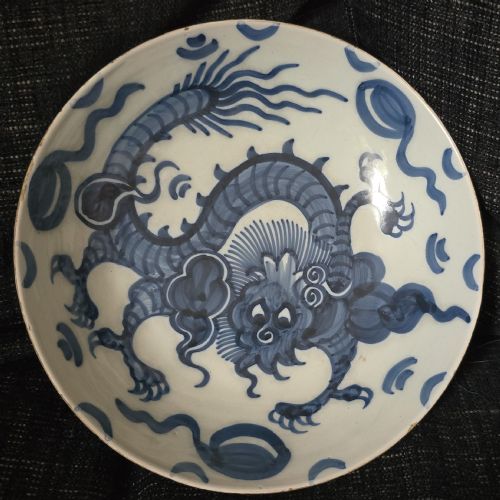
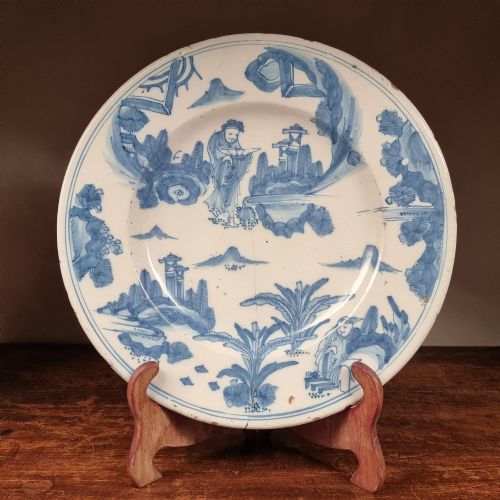
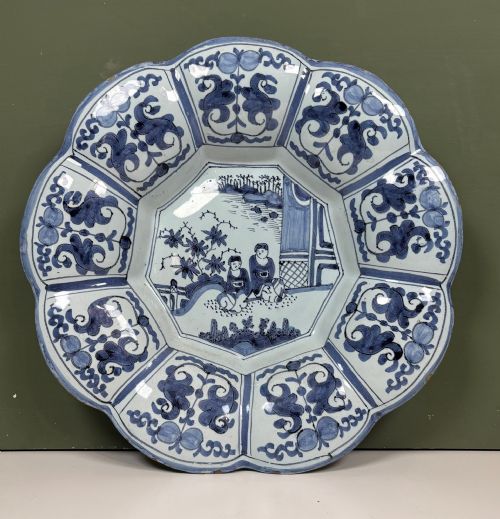
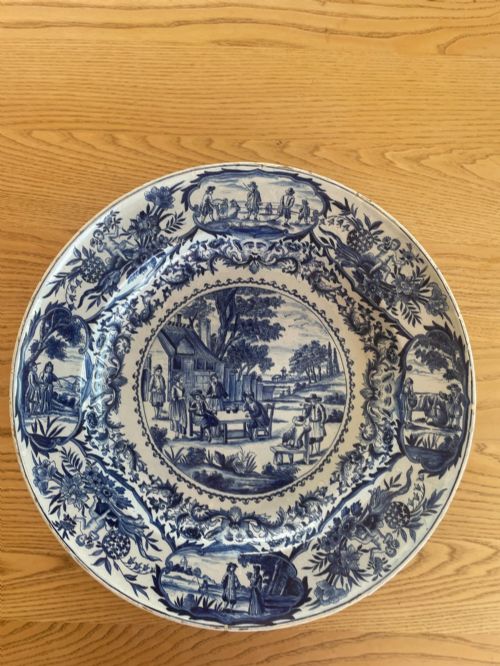
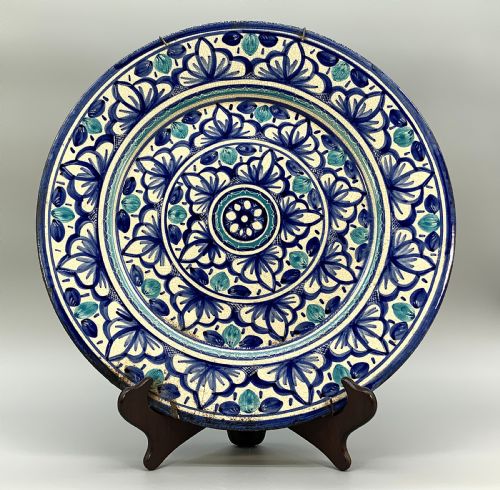
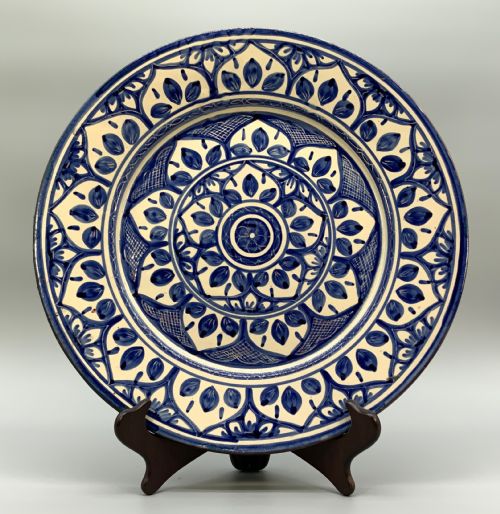
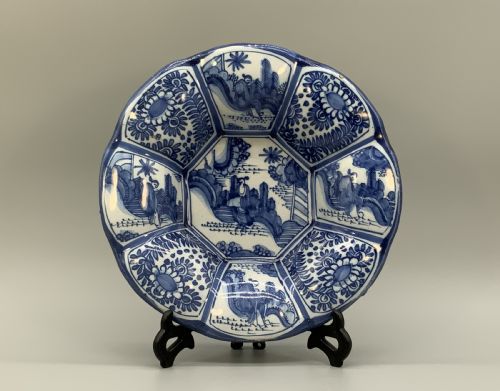
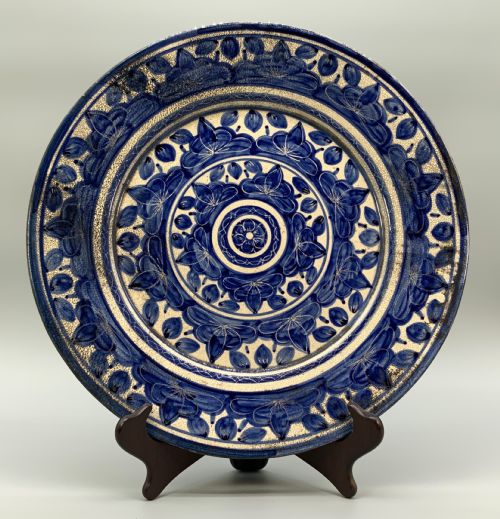
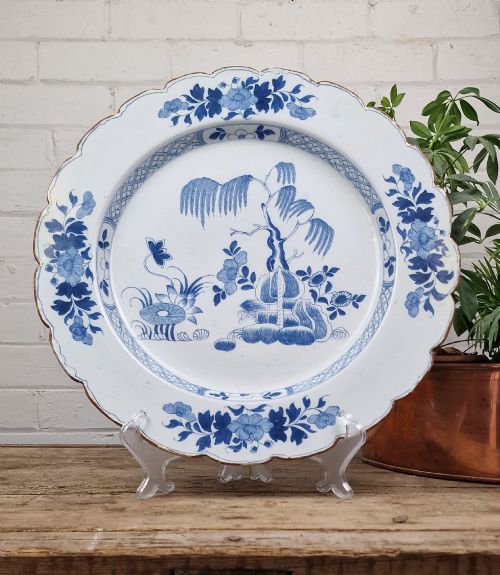
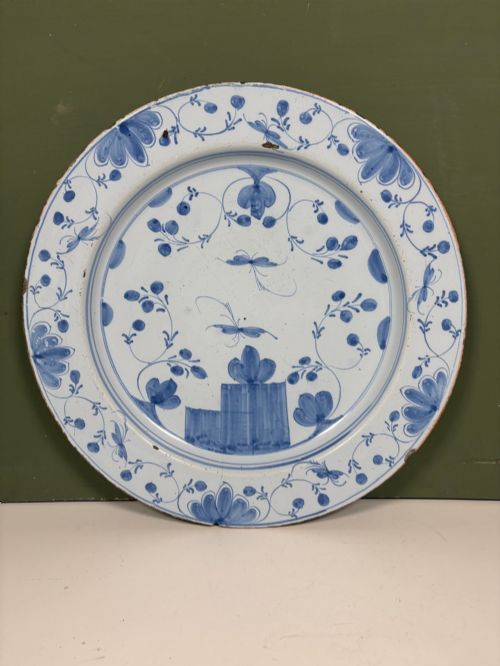
When you search for blue white tin plate, you enter a world of tin-glazed earthenware chargers and dishes painted in cobalt pigment.
Blue White Tin Plate
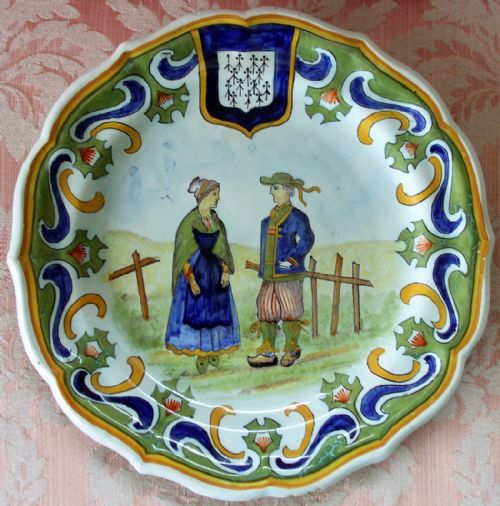
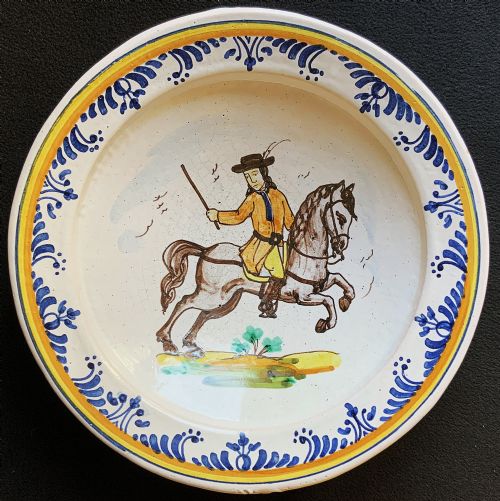
Collectors seeking a blue white tin plate encounter items primarily described as delft chargers, dishes, and plates spanning the seventeenth, eighteenth, and nineteenth centuries. The material bridges various production centres from England, France, Spain, and the Netherlands.
The most common forms on this page are large charger plates and domestic dishes created for display or service. These pieces frequently show influences ranging from Dutch Baroque and Georgian Chinoiserie to Moorish Revival styles.
Origin markings vary from English potteries in Bristol and Lambeth to continental European faience workshops. Dating stretches from the seventeen-hundreds through to later twentieth-century interpretations.
Materials and construction
Makers utilised earthenware bodies coated in an opaque white tin glaze to create a smooth canvas for decoration. Potters then painted directly onto this porous surface using cobalt oxide pigments before firing.
The interaction between the liquid cobalt pigment and the raw tin glaze caused the blue decoration to blur slightly into the white background during the kiln process. This chemical behaviour defines the traditional appearance of these ceramics.
Blue White Tin Plate Retail Price Guide 2026
Typical asking prices for blue white tin plate among the pieces listed under this phrase on Sellingantiques today, from the lower quarter to the upper quarter. They describe what is for sale here now, not the wider market.
Marriage plates recorded in the archive commemorated unions with hand-painted initials, proving that eighteenth-century couples loved custom kitchenware just as much as we do.
Assessing quality
The skill of the painter dictates the clarity and fluidity of the cobalt brushwork across the surface of the plate. Finer pieces demonstrate confident, deliberate execution in floral or figural motifs rather than hesitant or heavy-handed application.
The stability and coverage of the tin glaze itself determine the visual appeal of the background. A uniform, evenly fired glaze without excessive pitting or crawling elevates the overall standard of the ceramic.
John Davenport
The Blue White Tin Plate Glossary
- Tin-Glazed Earthenware
- Pottery fired with a lead glaze made opaque by the addition of tin oxide. This technique provides the characteristic white surface used for painting.
- Cobalt Pigment
- Mineral oxide used to achieve the deep blue colouration on the ceramic. It withstands high kiln temperatures without losing intensity.
- Charger
- A large decorative plate intended primarily for display on a wall or dresser rather than dining use. These items often measure significantly larger than standard tableware.
- Kraak Style
- Chinese export porcelain design idiom featuring compartmentalised panels of flowers and symbols, widely copied by European delftware potteries.
Blue White Tin Plate: Frequently Asked Questions
What is a tin plate?
A tin plate in this context refers to tin-glazed earthenware dishes and chargers rather than sheet metal. Potters applied an opaque white glaze containing tin oxide to a clay base before painting.
These ceramics emerged from European workshops, particularly in England, France, and the Netherlands, during the seventeenth and eighteenth centuries.
How were these plates used?
Larger examples, often called chargers, served primarily as decorative wall displays or centrepieces on dining tables. Standard plates and shallow bowls saw use during formal meals.
Over time, many shifted exclusively into decorative roles due to the fragile nature of the earthenware body and glaze.
How do I date a piece?
Dating relies on stylistic clues, palette shifts, and changes in the earthenware body over the centuries. Seventeenth-century examples often display tighter Kraak-inspired motifs, while eighteenth-century pieces lean towards English or Dutch floral designs.
Glaze thickness and footring characteristics also provide reliable chronological indicators for experienced collectors.
Can I display them on walls?
Displaying chargers and plates on walls remains a traditional method for enjoying these historical ceramics safely. Using specialised, non-damaging wire hangers ensures the piece stays secure without putting stress on the rim.
Keeping them away from direct sunlight helps preserve the vibrancy of the cobalt blue pigment over the years.