
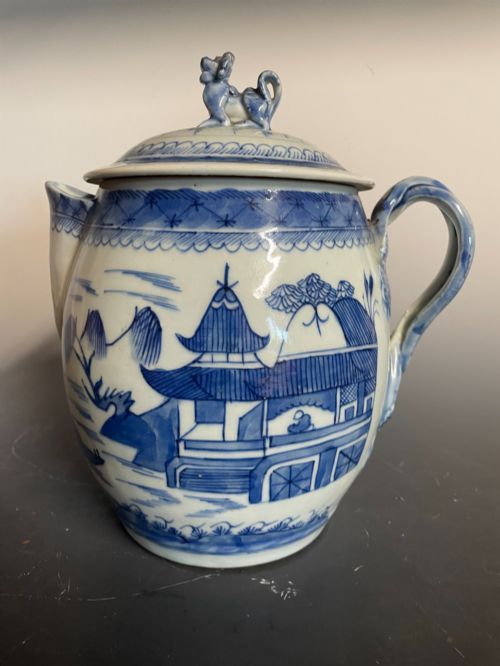


Blue White Milk Pitchers
These blue white milk pitchers bring the enduring charm of eighteenth and nineteenth-century ceramic traditions straight to your table.
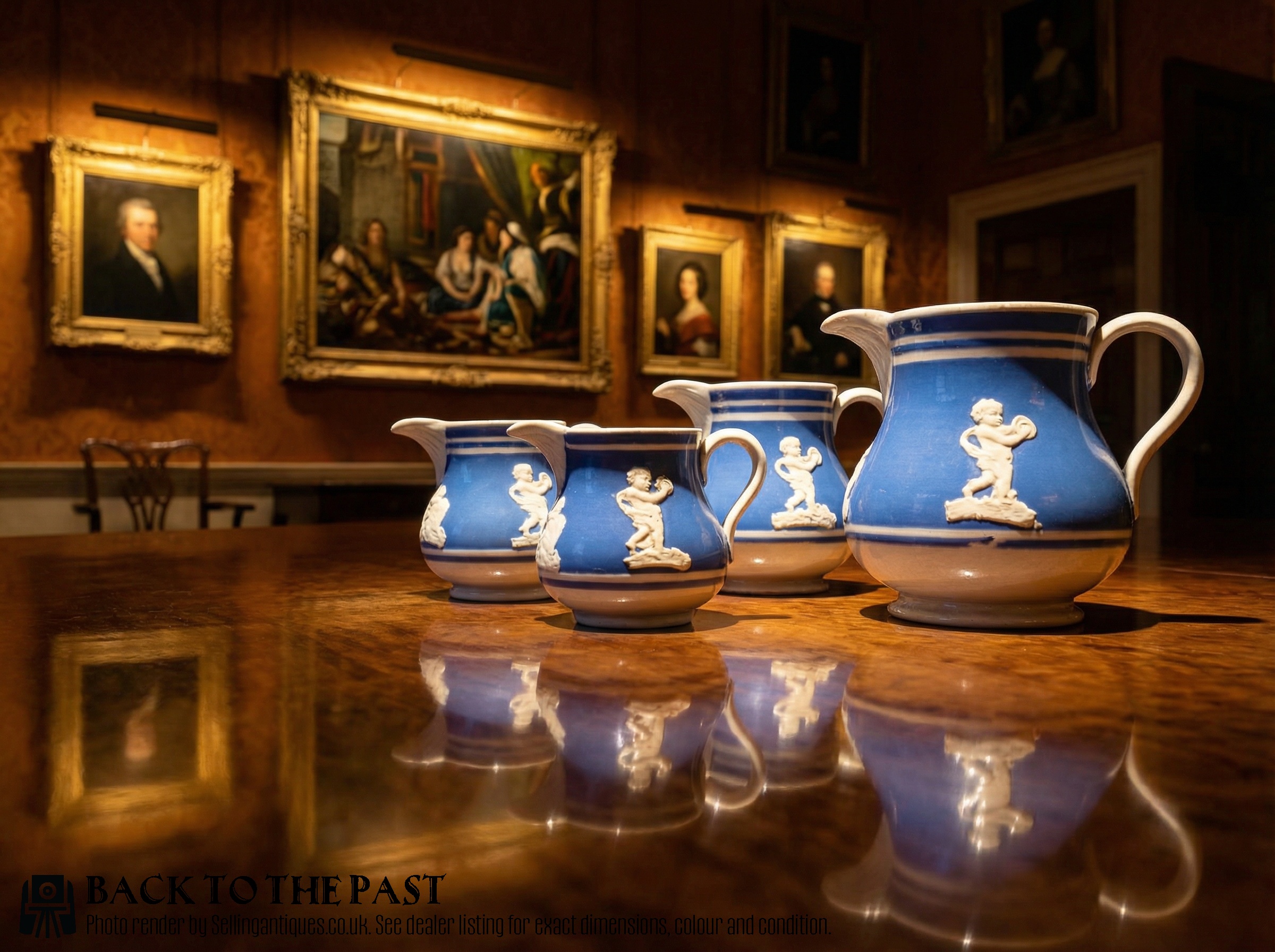
Blue White Milk Pitchers
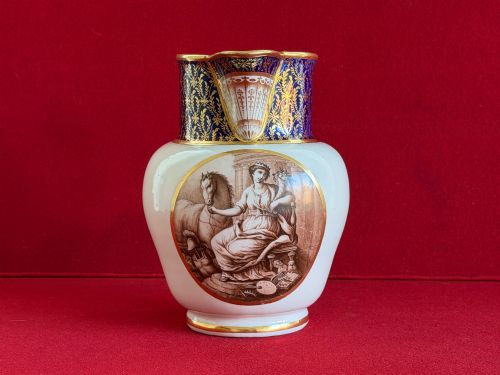
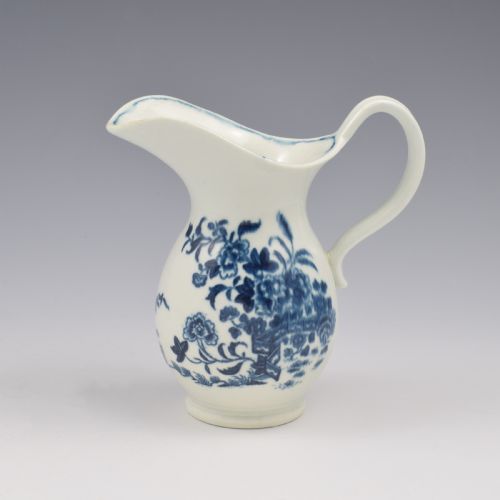
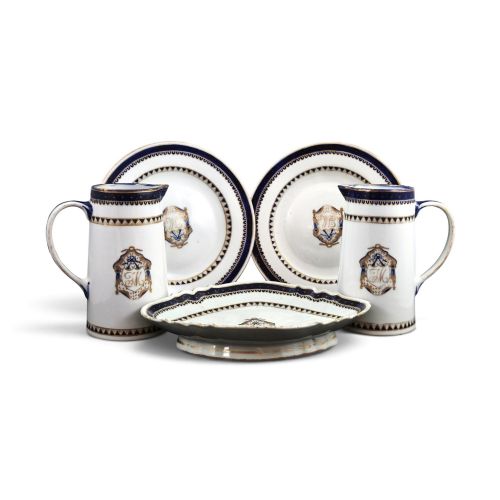
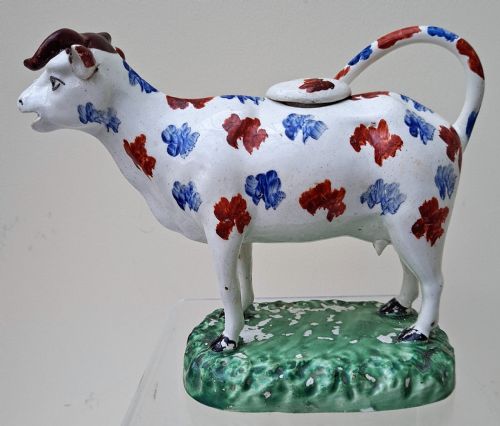
When you search for blue white milk pitchers, you encounter an array of antique vessels ranging from eighteenth-century porcelain to nineteenth-century earthenware. The selection spans utilitarian Staffordshire pieces and delicate Chinese export tableware.
You are most likely to meet Victorian ironstone jugs and earlier porcelain milk jugs alongside utilitarian earthenware vessels. These items served a practical purpose in historical households while displaying intricate cobalt decoration.
How they were made
Potters utilised materials such as porcelain, soft-paste porcelain, earthenware, and ironstone to shape these jugs. Artisans applied glaze and enamel to seal the surfaces and add colour.
Techniques varied from Chinese export porcelain production methods to Staffordshire pottery moulding and hand-painting. Gold leaf occasionally embellished finer pieces to enhance their decorative appeal.
The selection spans the eighteenth century through to the Victorian era, incorporating earthenware, porcelain, and ironstone.
What varies in quality
Quality rests upon the refinement of the ceramic body and the precision of the cobalt painting. Fine porcelain examples show greater translucency than robust ironstone or earthenware versions.
The sophistication of the moulded form and the crispness of the transfer-printed or hand-painted design distinguish standard utility wares from exceptional collector pieces.
The Blue White Milk Pitchers Glossary
- Ironstone
- A durable type of earthenware patented in the nineteenth century. It resists chipping and provided a sturdy alternative to porcelain.
- Soft-paste porcelain
- An artificial porcelain composition fired at lower temperatures than hard-paste. It was widely used in eighteenth-century English factories.
- Earthenware
- Porous pottery fired at lower temperatures and coated with glaze. It forms the body of many traditional utilitarian jugs.
- Chinese Export Porcelain
- Porcelain manufactured in China specifically for Western markets. These items often feature monograms or European-influenced designs.
Blue White Milk Pitchers: Frequently Asked Questions
What were blue white milk pitchers used for?
These vessels were primarily designed for serving milk or cream at the table during tea and breakfast services.
Over time, many served decorative functions within the home due to their striking cobalt patterns and varied sculptural forms.
How do I date these antique jugs?
Dating relies on examining the ceramic body, glaze characteristics, and stylistic markers such as Victorian ironstone or eighteenth-century porcelain forms.
Maker marks, where present, help pinpoint the exact period and pottery of origin.
Are these pitchers safe to use?
Most antique jugs are best reserved for display or careful occasional use rather than daily food service.
Older glazes and materials like soft-paste porcelain or earthenware require gentle handling and hand washing.
How do I care for antique pottery?
Keep ceramic pieces away from sudden temperature changes and harsh cleaning agents that might harm the glaze.
Wash them gently by hand in lukewarm water using mild soap when cleaning becomes necessary.