

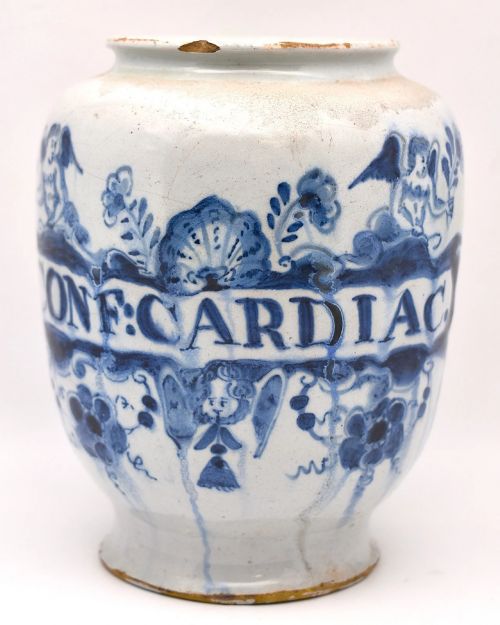


Blue White Delftware Pot
These blue white delftware pot examples span two centuries of tin-glazed earthenware, offering domestic vessels and apothecary jars painted in cobalt pigment.
Blue White Delftware Pot
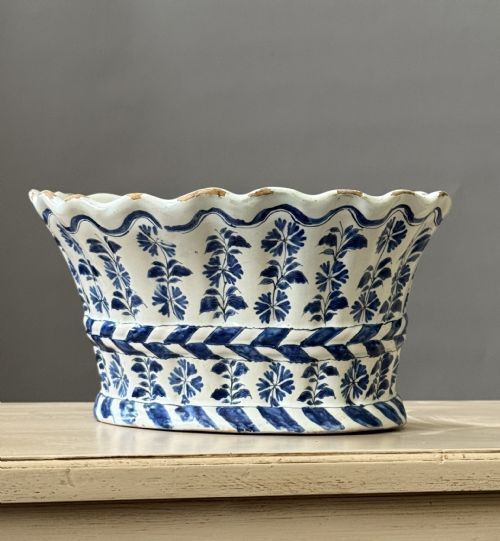
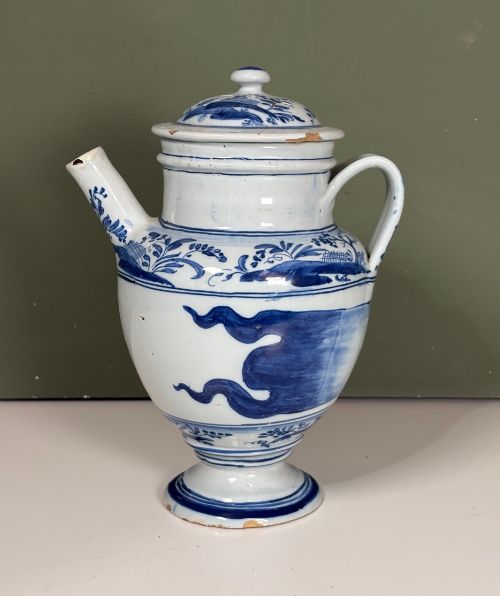
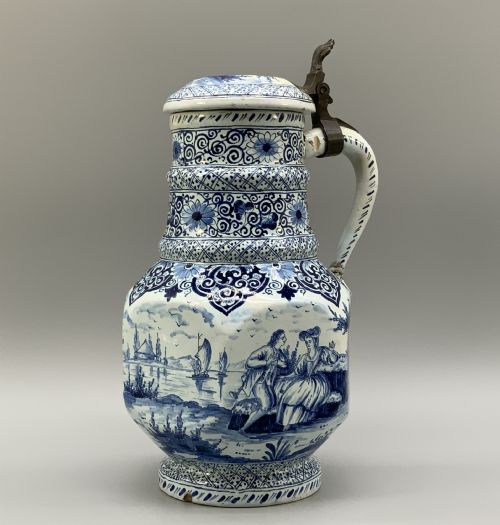
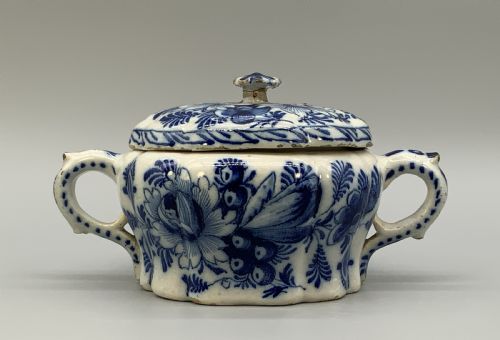
When you search for a blue white delftware pot, you enter a category defined by tin-glazed earthenware painted with cobalt pigment. The selection ranges from apothecary jars and drug jars to garden urns, bough pots, and lidded jugs.
You are most likely to meet pieces originating from English and Dutch kilns, with styles spanning Dutch Baroque and eighteenth-century domestic forms. Some examples feature pewter or brass mounts alongside the ceramic bodies.
Materials and construction
Potters shaped these vessels from earthenware, which received an opaque white tin glaze to provide a smooth ground for decoration. Artisans then applied cobalt pigment by hand to create the blue designs before firing.
Certain functional forms incorporate metal elements, combining ceramic bodies with pewter lids or brass additions. The technique relies on precise kiln temperatures to bond the metallic oxide pigment to the white glaze.
Blue White Delftware Pot Retail Price Guide 2026
Typical asking prices for blue white delftware pot among the pieces listed under this phrase on Sellingantiques today, from the lower quarter to the upper quarter. They describe what is for sale here now, not the wider market.
Pharmacy jars once stored sticky cardiac preserves, preserving sweet remedies behind cheerful blue botanical brushwork.
Distinctions in execution
The sophistication of the cobalt painting dictates much of the visual merit, distinguishing swift factory output from carefully handled botanical or figurative scenes. Brushwork precision and depth of colour show the hand of the decorator.
The stability of the tin glaze and the crispness of the earthenware form separate robust domestic wares from softer or heavily restored examples. Preservation of the original surface finish remains central to the character of each vessel.
The Blue White Delftware Pot Glossary
- Tin-glazed earthenware
- Earthenware covered with a glaze containing tin oxide, which fires to an opaque white surface. This technique forms the foundation of all delftware production.
- Cobalt pigment
- A metallic colourant used under the glaze to achieve the characteristic blue decoration on white ceramic bodies. It reacts to high kiln temperatures by turning a deep blue shade.
- Albarello
- A cylindrical apothecary jar designed to store dry drugs and herbal remedies in a pharmacy. The waisted shape allowed pharmacists to grasp the vessel securely with hands covered in powder.
- Posset pot
- A vessel with spouts or handles used for serving posset, a hot drink of curdled milk mixed with wine or ale. These items often include lids and multiple handles for communal drinking.
- Faience
- European tin-glazed earthenware, particularly that produced in France, Italy, and other continental centres. The term relates closely to the traditions that influenced English and Dutch delftware.
Blue White Delftware Pot: Frequently Asked Questions
How do I clean a delftware pot?
Dust these vessels gently with a dry, soft cloth to protect the porous tin glaze from moisture damage. Avoid submerging older earthenware in water, as old repairs or hairline cracks can absorb liquid and weaken.
Keep the pieces away from direct sunlight and areas with fluctuating humidity to preserve the integrity of the glaze and cobalt pigment.
Were apothecary jars used for medicine?
Apothecary and drug jars held dry medicines, ointments, and syrups in seventeenth and eighteenth-century dispensaries. The painted labels identified the contents for the apothecary.
Many of these containers survived because pharmacies valued the durable ceramic bodies for storing valuable ingredients safely away from moisture.
How can I tell English and Dutch delft apart?
English and Dutch pieces often differ in the tone of the tin glaze and the style of the cobalt painting. Dutch items frequently display Baroque floral motifs, while English variations show distinct regional palettes.
Examining the footring and body fabric helps determine the kiln origin, though considerable stylistic crossover occurred between the regions.
Can I use these pots for plants?
Historic garden urns and planters were designed to hold greenery, but porous earthenware requires careful handling today. Modern damp soil can affect the historic glaze and body if moisture seeps through unglazed interior areas.
Use a modern inner liner inside the vessel if you intend to display live plants, protecting the fragile historic material from water contact.