


Blue White Covered Bowl
These blue white covered bowl selections bring together lidded pottery, porcelain and earthenware vessels shaped for the table.
Blue White Covered Bowl
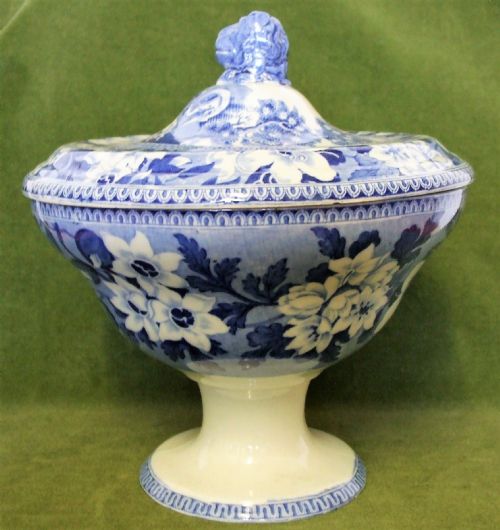
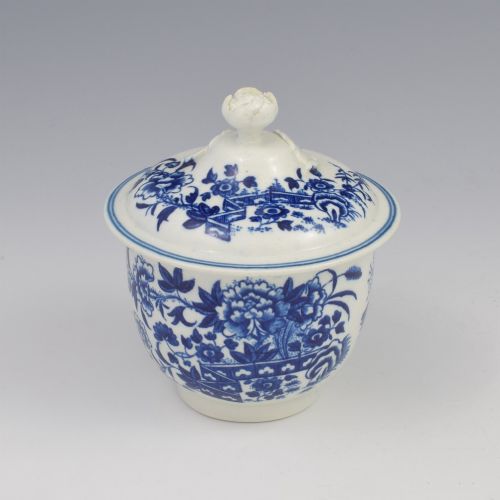
A blue white covered bowl encompasses various lidded vessels including sugar boxes, sucriers, vegetable tureens and table tureens. These forms serve functional dining and display roles across the eighteenth and nineteenth centuries.
The selections on this page draw from English potteries, Chinese export workshops and continental glassmakers. Pieces range from early porcelain sugar bowls to larger transfer-printed earthenware vegetable tureens.
Buyers encounter eighteenth-century porcelain alongside nineteenth-century earthenware and transferware. Each object retains its original matching cover, whether styled for Georgian tea service or Victorian dining.
How they were made
Potters and porcelain makers form these vessels using ceramic bodies, soft-paste porcelain, earthenware and glass. Cobalt pigment provides the blue decoration beneath or upon the glaze.
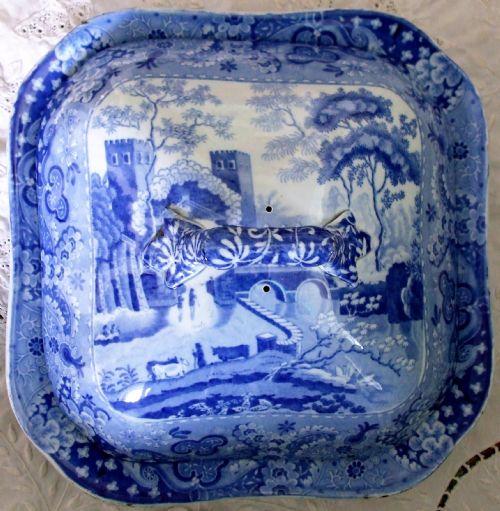
Transfer printing applies complex patterns such as Castle, Elephant and Rural Scenery onto pottery surfaces. Hand-painting and blue cane glasswork appear on specific porcelain and Baccarat glass pieces.
High-firing techniques fix the cobalt underglaze beneath clear lead or porcelain glazes to protect the design. Lids fit precisely to the turned or moulded rims of each bowl and tureen.
Listings feature 18th and 19th-century periods, utilising earthenware, porcelain, ceramic, soft-paste porcelain, lead glaze, cobalt and glass.
What varies in quality
The clarity of the cobalt blue transfer print or hand-painted motif dictates visual distinction across these vessels. Crisp execution of patterns like Fence, Immortelle or Peacock sets finer pieces apart.
The survival of the matching cover alongside the main bowl determines the integrity of each piece. Intricate moulding on handles, finials and body forms adds structural sophistication to the better examples.
Factory origin and period attribution influence the character of the ceramic body and glaze application. Soft-paste porcelain and early Worcester porcelain demonstrate finer potting than robust nineteenth-century earthenware.
J. & R. Clews·John Rogers & Son·Doulton Burslem·Derby·Baccarat·Ridgway·James Wallace & Co·Copeland and Garrett
The Blue White Covered Bowl Glossary
- Sucrier
- A small covered bowl designed to hold sugar for the tea table. These vessels often feature matching lids and delicate handles.
- Tureen
- A large deep serving dish with a cover, used for soup, vegetables or sauce. Examples here include earthenware vegetable tureens and supper set pieces.
- Transfer print
- A decoration technique where an engraved copper plate transfers a design onto paper and then onto the ceramic body before firing. This method allowed intricate scenes like Castle and Elephant to be produced consistently.
- Soft-paste porcelain
- A ceramic composition made from white clay and glass frit, fired at lower temperatures than hard-paste porcelain. It is characteristic of many eighteenth-century English factory productions.
- Cobalt
- A metallic oxide used to produce deep blue tones on ceramics and glass. It withstands high kiln temperatures without losing its colour.
- Latticinio glass
- Glasswork incorporating opaque white and coloured glass threads within a clear matrix. Baccarat pieces utilise this technique with blue cane rims.
Blue White Covered Bowl: Frequently Asked Questions
What is a blue white covered bowl used for?
These vessels function primarily as tablewares for serving food or holding sugar during meals. Smaller examples act as sucriers for tea service, while larger pieces serve vegetables or sauces.
Their lidded design keeps contents warm or protected on the dining table. Many pieces also serve as decorative display objects in traditional room settings.
How do I tell eighteenth-century pieces apart?
Eighteenth-century examples frequently employ soft-paste porcelain or early ceramic bodies with hand-painted or delicate transfer-printed motifs. Factories like Worcester and Derby demonstrate specific paste characteristics and underglaze blue decoration.
Nineteenth-century pieces tend to use heavier earthenware bodies with transfer-printed patterns such as Castle or Rural Scenery. Maker marks and glaze qualities also help distinguish the earlier porcelain items from later earthenware.
Are the covers original to the bowls?
The listings on this page describe pieces offered with their matching covers intact. Sucriers, sugar boxes and tureens retain the lids designed for them during manufacture.
Matching the cover to the base involves checking the glaze consistency, pattern alignment and ceramic body type. Original pairings ensure the historical and aesthetic integrity of the vessel.
How do I care for antique ceramic bowls?
Antique earthenware and porcelain require gentle handling and hand washing in lukewarm water. Harsh detergents and modern dishwashers should be avoided to protect the glaze and cobalt decoration.
Displaying these vessels away from direct sunlight and sudden temperature shifts preserves the ceramic body. Stable placement prevents accidental damage to delicate handles and finials.