

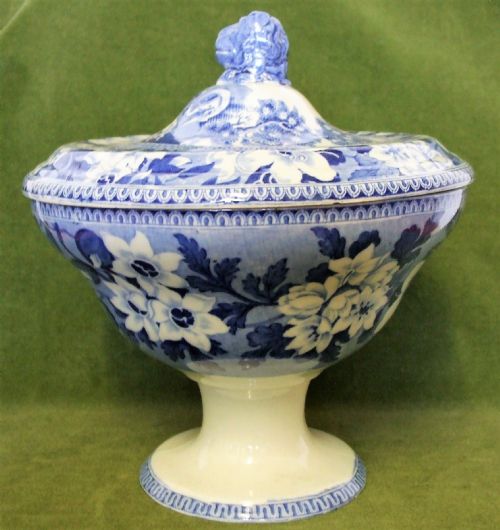


Antique Pearlware Bowl
An antique pearlware bowl offers a subtle blue-tinged earthenware glaze that collectors treasure for its distinct early ceramic character.
Antique Pearlware Bowl
When you search for an antique pearlware bowl, you encounter ceramic vessels produced primarily during the Georgian and Regency periods. These pieces bridge the gap between earlier creamware and later Victorian whiteware through their distinctive glaze formulation.
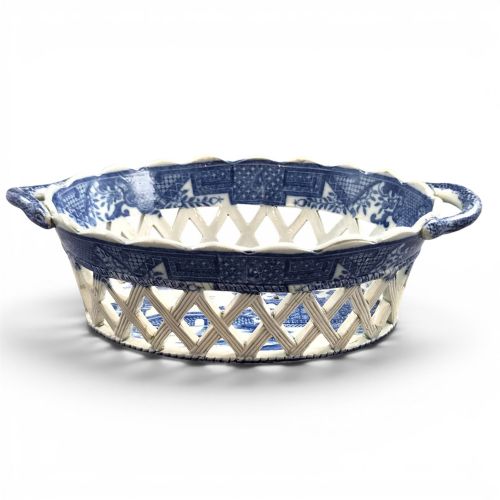
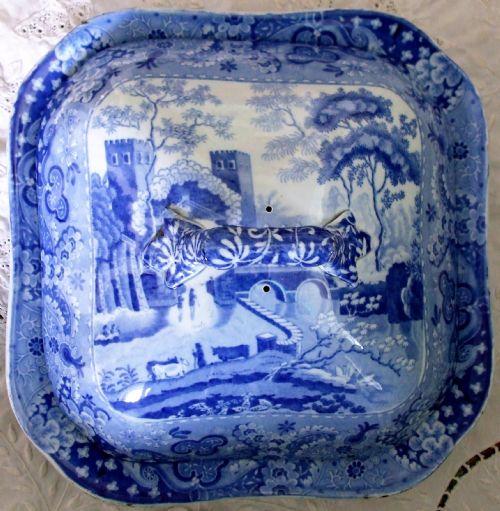
The selection here encompasses various utilitarian and decorative forms typical of the early nineteenth century. Alongside bowls, you find related tableware such as chestnut baskets, tureens, tea bowls and saucers sharing the same characteristic earthenware body.
Materials and construction
Potters shaped these objects from refined earthenware clay before applying a specialised pearlware glaze containing a small amount of cobalt. This addition counteracted the natural yellowish tint of standard lead glaze to achieve a paler, blueish-white finish.
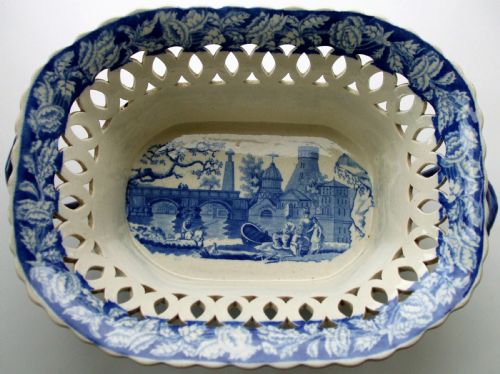
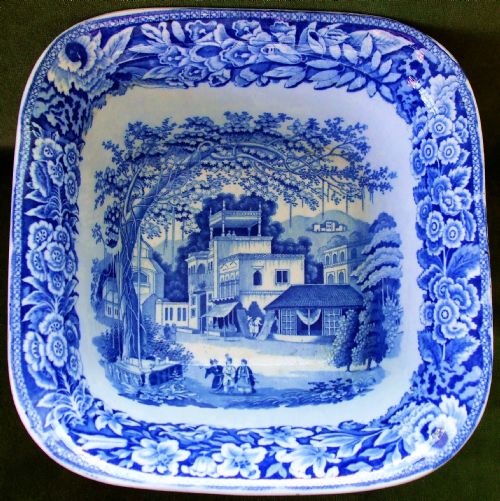
Decoration relied heavily on blue and white transfer printing, capturing intricate architectural, botanical and pastoral scenes. Potters also utilised hand-painted enamel highlights over the glaze to add colour and depth to the finished ceramic.
Early potters added cobalt to clear glaze just to trick the eye into seeing pure white porcelain.
Assessing quality and execution
Quality reveals itself in the clarity of the transfer-printed design and the evenness of the pearlware glaze. Superior examples display sharp, crisp pattern lines without heavy blurring or pooling in the recessed areas of the earthenware body.
The sophistication of the form itself dictates the standing of the piece. Finely reticulated chestnut baskets and specialised tureens demonstrate higher modelling skill than standard utilitarian vessels.
J. & R. Clews·J. & R. Riley·John Rogers and Son·Sewell·Spode·Swansea
The Antique Pearlware Bowl Glossary
- Pearlware
- A refined earthenware developed in the late eighteenth century featuring a glaze with a subtle bluish tint. It was designed to mimic the appearance of Chinese porcelain.
- Transfer printing
- A decoration technique where an engraved copper plate transfers a design onto tissue paper, which is then pressed onto the ceramic body. This method allowed for intricate and consistent pictorial patterns.
- Earthenware
- A porous pottery body fired at lower temperatures than stoneware or porcelain. It requires an impermeable glaze to hold liquids.
- Reticulated
- Pierced or openwork pottery decorated with geometric or woven patterns. This technique appeared frequently on eighteenth and nineteenth-century baskets and chestnut dishes.
- Comport
- A raised dish or bowl used for serving fruit or sweetmeats at the table. These pedestal vessels sat centrally during formal dining.
Antique Pearlware Bowl: Frequently Asked Questions
How do I date a pearlware bowl?
Most pieces date from the late eighteenth century through the early nineteenth century, aligning with the Georgian and Regency eras. Stylistic clues, such as transfer-printed landscape motifs and the specific bluish pooling of the glaze, help narrow the timeframe.
Potters marks and factory attributions provide further chronological precision. Examining the specific shade of the pearl glaze alongside the pottery form clarifies the manufacturing period.
Can I use antique pearlware for serving food?
While these pieces served functional dining purposes originally, modern use requires caution due to the fragile nature of historic earthenware. Hairline cracks or historical repairs make daily use inadvisable.
Displaying these bowls preserves their decorative transfer-printed scenes and delicate glaze layers. Gentle cleaning with mild soap and warm water protects the porous ceramic body.
Why does the glaze look blue?
Potters added cobalt oxide to the transparent lead glaze to mask the natural cream colour of the underlying earthenware. This chemical adjustment produced a subtle bluish pooling, particularly in crevices and around raised decoration.
This blue tinge serves as a primary identifier for ceramic collectors distinguishing pearlware from earlier creamware and later whiteware.