






Blue White and Red Ceramic
These pieces of blue white and red ceramic bring together cobalt pigment, copper red and iron red across centuries of Eastern and Western kiln work.
Blue White and Red Ceramic
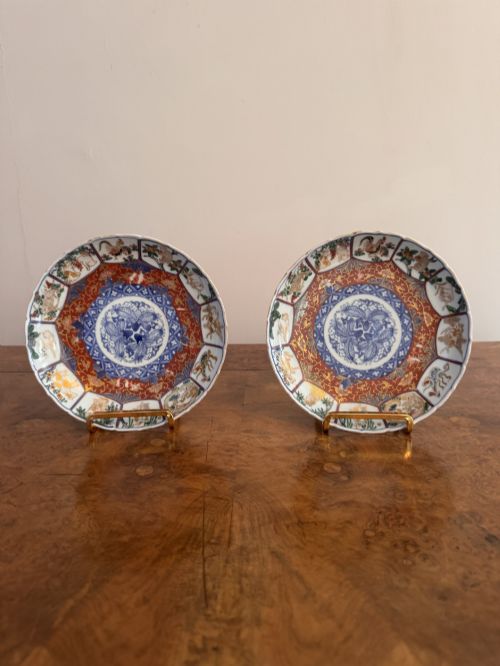
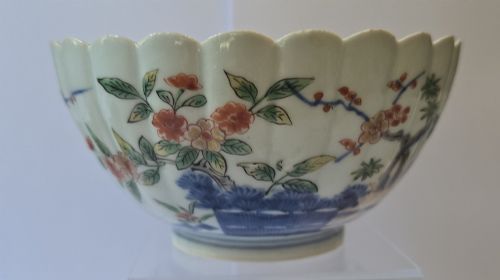
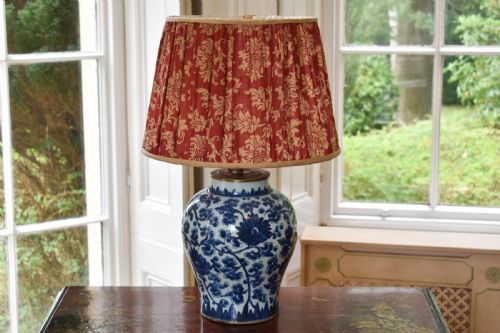
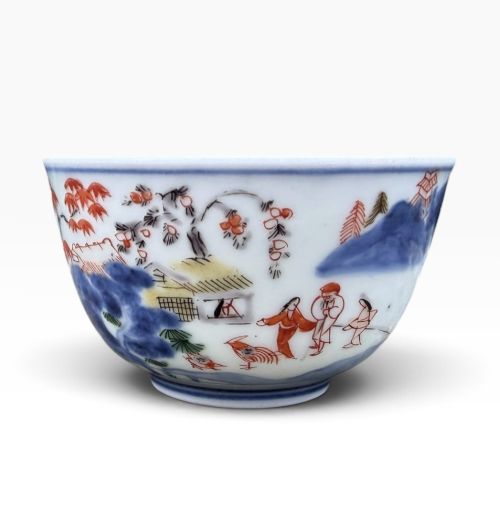
Blue white and red ceramic encompasses everything from Japanese Imari plates to Chinese Kangxi porcelain bowls and Georgian earthenware. When people search for blue white and red ceramic, they are looking at a tradition spanning several hundred years of multi-coloured kiln firing.
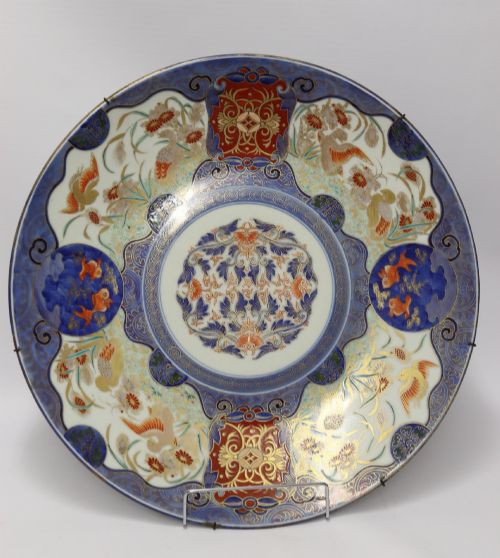
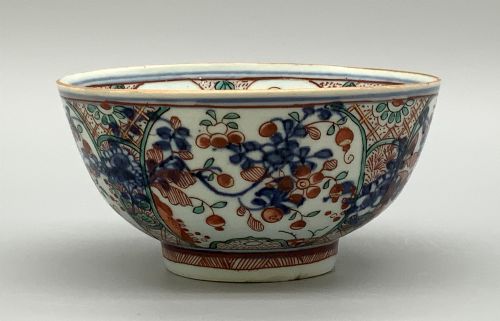
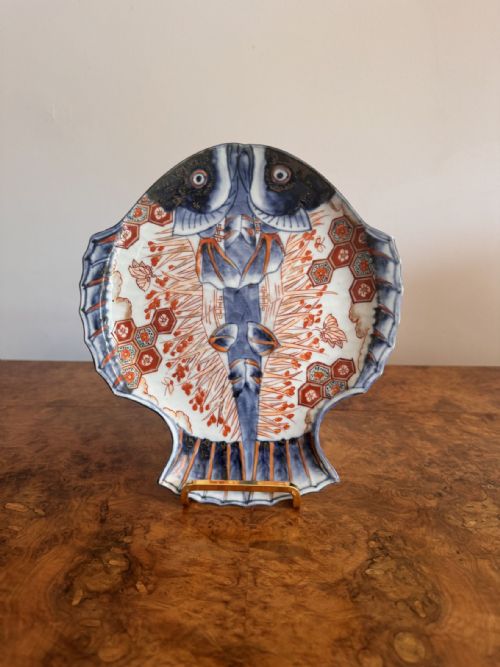
The most common examples on this page are Japanese Imari vessels and plates, alongside Chinese export wares decorated in underglaze blue and iron red. These objects range from large trumpet vases and jardinieres down to scallop-edged dishes and creamers.
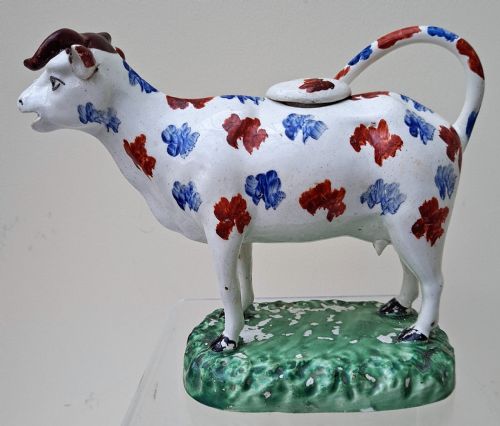
The periods represented stretch from the seventeenth century through to the Edwardian era, taking in the Qing dynasty, the Meiji period and Georgian Britain. Each piece reflects the specific palette of its origin, whether an Arita bowl or a Welsh pottery cow creamer.
Materials and methods
Potters used porcelain, soft-paste porcelain, earthenware and ironstone as the body for these vessels, applying glazes and enamel over the clay base. Gold leaf also appears on select pieces to highlight the painted details.
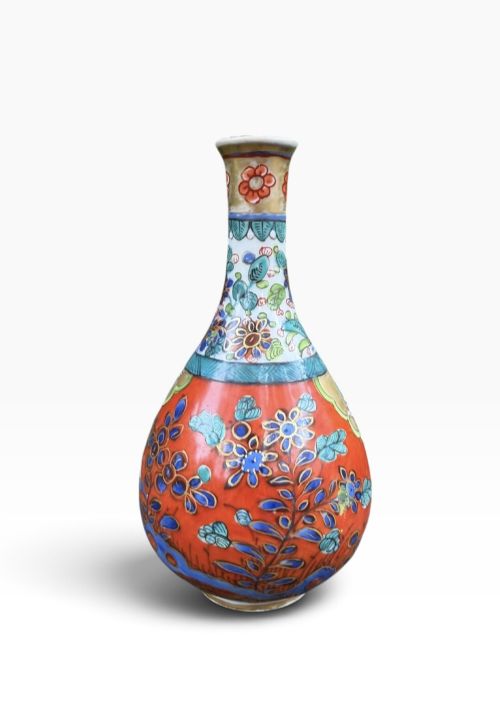
Cobalt provided the blue underglaze, while copper and iron oxides were managed in the heat of the kiln to produce distinct red tones. Potters combined these pigments with green enamel and overglaze techniques on pieces such as Chinese Wucai jars.
Firing required precise control to keep the underglaze blue sharp while letting the iron red and copper red settle without bleeding into the white ground.
Blue White and Red Ceramic Retail Price Guide 2026
Typical asking prices for blue white and red ceramic among the pieces listed under this phrase on Sellingantiques today, from the lower quarter to the upper quarter. They describe what is for sale here now, not the wider market.
Judging quality in multi-coloured ceramics
Quality rests on the crispness of the painting and the discipline of the palette. Strong pieces show clean separation between the cobalt blue and the red pigments, with no muddy bleeding in the glaze.
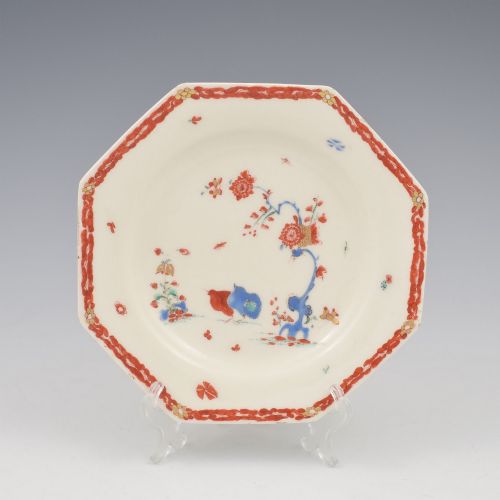
The crispness of moulded forms, such as fish-shaped plates or octagonal bowls, marks out superior work. Form and hand-painted detail must work together rather than fighting the shape of the ceramic.
Masons Ironstone
The Blue White and Red Ceramic Glossary
- Imari
- A style of Japanese porcelain originating in Arita, typically featuring a palette of underglaze blue, iron red and gold. The tradition influenced kilns across Europe and China.
- Clobbered
- Porcelain that has been decorated at a later date, usually by adding extra enamel colours and red or gold over existing blue and white designs. This practice changed the look of older Chinese and Japanese wares.
- Underglaze red
- A decorative technique using copper oxide beneath the glaze to produce red hues. It demands exact kiln temperatures to avoid turning grey or brown.
- Soft-paste porcelain
- A ceramic composition containing glass frit and white clay, fired at lower temperatures than hard-paste. It has a warmer texture and often catches the light differently.
- Wucai
- A Chinese polychrome style meaning five colours, combining underglaze blue with overglaze enamels such as iron red and green. The method creates a vibrant contrast across the body of the jar.
Blue White and Red Ceramic: Frequently Asked Questions
How do I care for antique ceramic?
Wash pieces by hand in warm water using mild soap, avoiding dishwashers and harsh scrubbers that can damage overglaze enamel or gold leaf.
Keep them out of direct sunlight to protect the pigments from fading over the years.
What is the difference between Imari and ordinary blue and white?
Imari wares introduce a contrasting palette of iron red and gold alongside the traditional cobalt blue underglaze. This creates a much richer decorative surface than monochrome blue and white ceramics.
They also draw heavily on Japanese export traditions from Arita rather than standard Chinese kiln output.
Are these pieces safe for food use?
Most antique ceramics of this age are intended for display rather than daily dining. Historic glazes can contain trace elements that make them unsuitable for modern food consumption.
It is best to treat them as decorative objects or collectors pieces.
How can I tell an eighteenth century piece from a later copy?
Examine the weight, the feel of the foot rim and the way the glaze has settled into the clay body. Older pieces often show subtle irregularities in the potting and hand-painted lines.
Compare the pigment tones and style of brushwork with established examples from the same period.