




Blue Water Painting
When you search for a blue water painting, you enter a diverse tradition of marine scenes, river views, and still lifes spanning multiple centuries.
Blue Water Painting
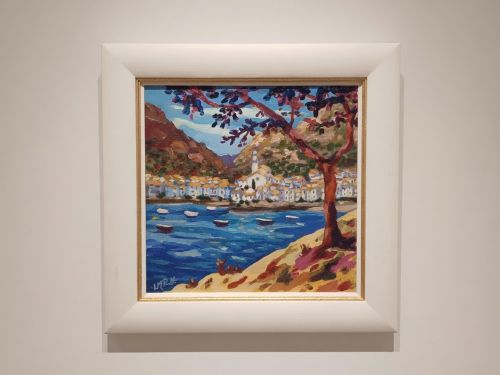
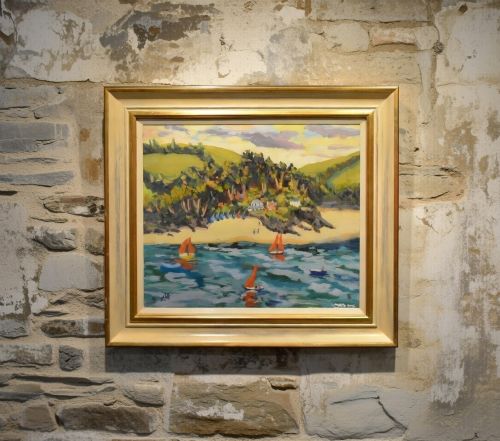
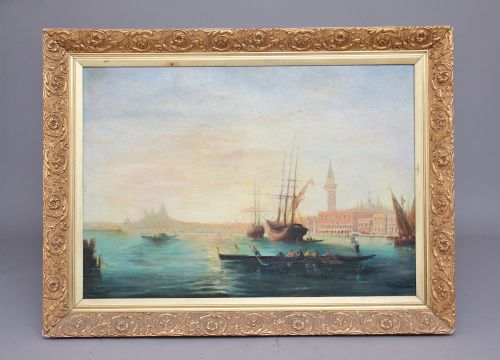
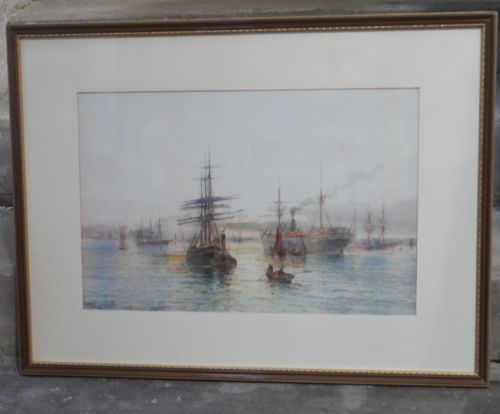
A blue water painting captures aquatic environments, coastal views, rivers, and maritime subjects using various painting media. These works range from early nineteenth-century watercolours to later twentieth-century canvases.
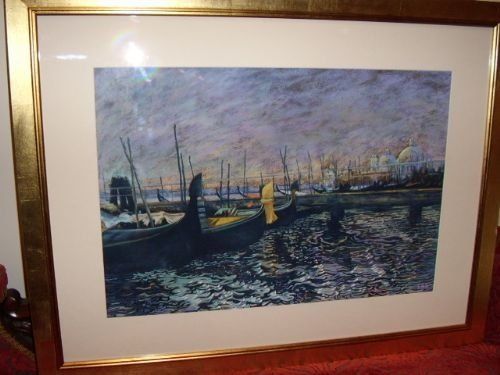
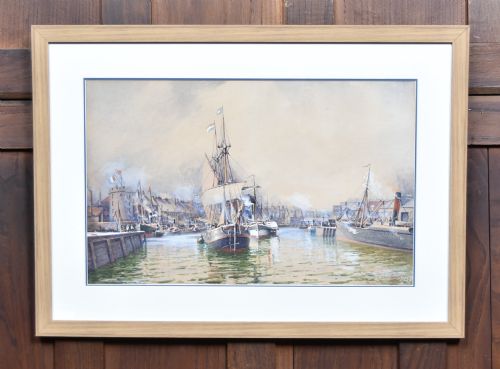
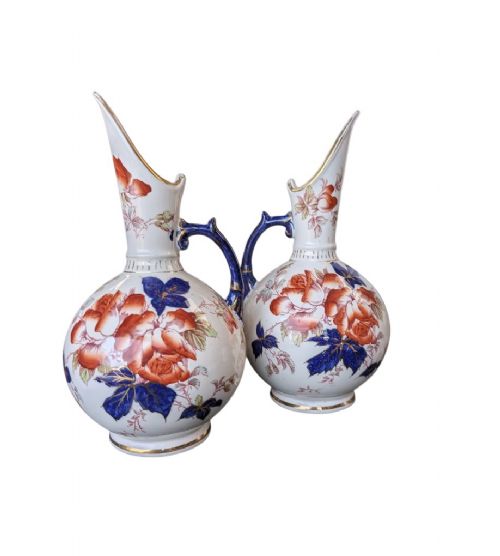
The subjects on this page include Venetian lagoons, shipping scenes, and French river landscapes. Alongside these traditional vistas, the selection incorporates still life arrangements featuring blue vases and floral studies.
Makers and artists span the British, French, and wider European schools, working in styles that include impressionism, Victorian marine art, and plein air painting. Paper, canvas, card, and wood panels serve as the primary supports for these artworks.
Materials and Techniques
Artists utilise watercolour on paper for delicate transparencies and fluid washes, frequently employed in topographical views and detailed maritime studies. Gouache and ink details sometimes augment these works to define rigging or architectural elements.
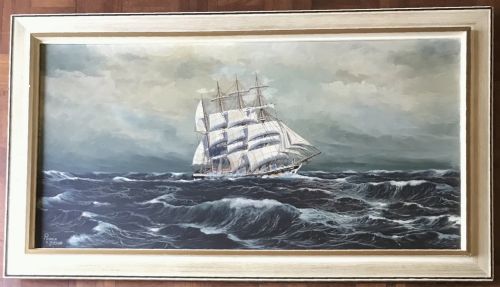
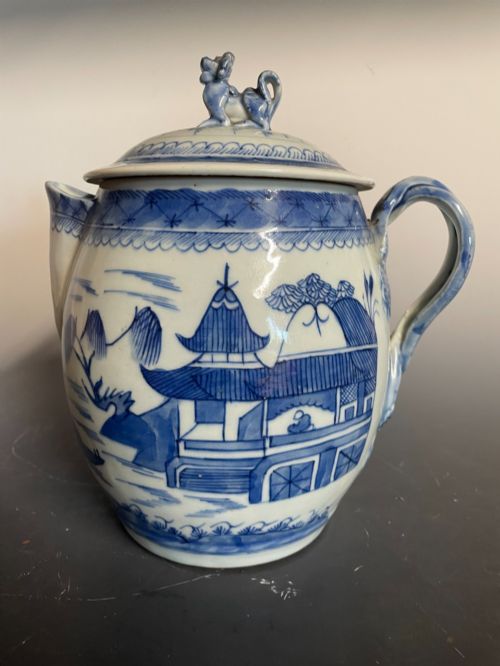
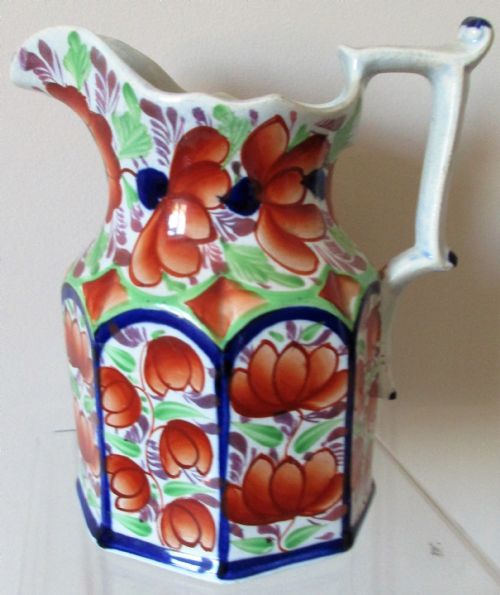
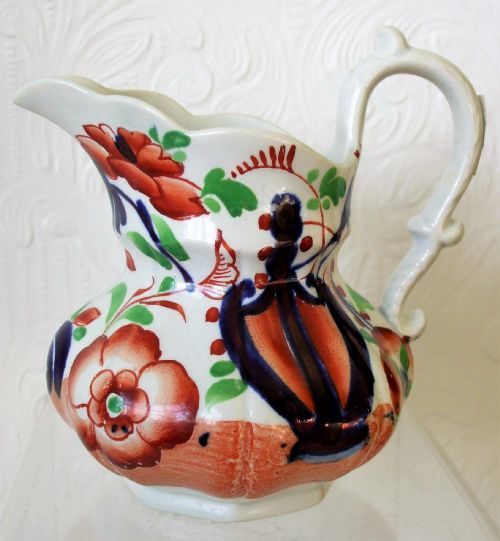
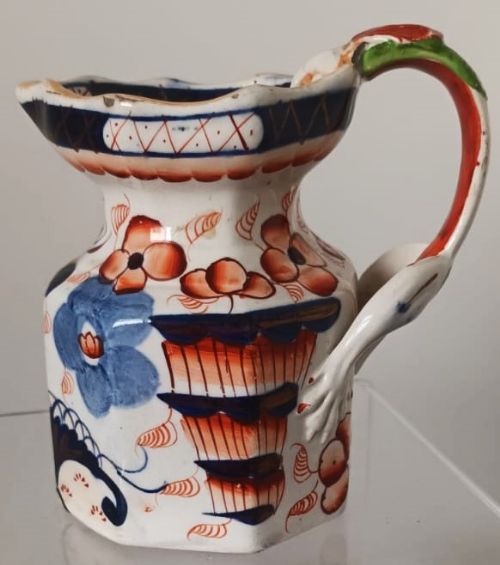
Oil paint applied to canvas, card, or wooden panels allows for heavier impasto and richer layering, particularly suited to stormy seas and atmospheric river reflections. Enamel and underglaze techniques appear on related ceramic vessels recorded in the inventory.
Framing often involves period wood mouldings, sometimes with ebonised finishes, protecting works on paper behind glass. Stretched canvases are secured on wooden stretchers within traditional frames appropriate to their respective periods.
Blue Water Painting Retail Price Guide 2026
Typical asking prices for blue water painting among the pieces listed under this phrase on Sellingantiques today, from the lower quarter to the upper quarter. They describe what is for sale here now, not the wider market.
Several artists preferred painting the quiet surface of water lilies over roaring seas, proving that tranquility makes just as fine a splash.
Assessing Quality and Execution
Quality rests upon the sureness of the brushwork and the artist's ability to capture light and movement on water. A superior work demonstrates confident handling of perspective and atmospheric depth, whereas lesser examples rely on rigid formulas.
The condition of the support significantly influences overall merit, with stable paper free from excessive toning and canvases retaining original tension standing above neglected pieces. Conservation history, including professional cleaning and framing choices, also impacts the visual presentation of surviving works.
William Frederick Settle·Arthur Reginald Smith·Armand Guillaumin·Edith E Caswall·Arthur Joseph Meadows·Frederick William Booty·Carleton Grant·Lucy Pratt
The Blue Water Painting Glossary
- Watercolour
- A painting method where fine pigment is suspended in a water-soluble binder, traditionally applied to paper surfaces. It yields translucent washes that capture changing light on water.
- Plein Air
- A French term describing the practice of painting outdoors to capture direct observations of natural light and atmosphere. This method gained widespread popularity among nineteenth-century landscape artists.
- Impressionism
- A nineteenth-century art movement characterised by relatively small, thin, yet visible brush strokes and an emphasis on accurate depiction of light. Artists working in this style sought to record immediate visual impressions.
- Provenance
- The documented history of ownership of an artwork, establishing its authenticity and chain of custody from the artist or original seller to the current holder.
Blue Water Painting: Frequently Asked Questions
How do I care for a watercolour painting?
Watercolour paintings require protection from direct sunlight to prevent the pigments from fading over time. Keep them in rooms with stable humidity levels to avoid warping or foxing on the paper support.
Ensure that framing utilises acid-free mats and UV-filtering glass. Professional framing prevents the paper from touching the glass directly, which stops condensation damage.
How do I identify a Victorian marine painting?
Victorian marine paintings typically depict sailing ships, clipper ships, or naval engagements with precise attention to maritime rigging and vessel architecture. The palette often relies on deep blues and greys for stormy seas.
Signatures, framing styles, and stretcher construction help confirm the nineteenth-century origin. Many of these works document specific historical vessels or coastal locations.
What is the difference between oil and watercolour?
Oil paint uses drying oils as a binder, creating a thick medium applied to canvas or wood panel that allows for blending and heavy texture. Watercolour uses a water-soluble binder on paper, relying on transparency and white paper ground for luminosity.
Oils generally require sturdy frames without glass protection, while watercolours need glazing to protect the delicate paper surface from dust and moisture.
How can I tell if a painting is original?
Examine the surface under magnification to check for brush texture, pigment pooling, and the absence of printed dot patterns. Original works show physical interaction between the artist's tool and the support material.
Inspect the reverse of the canvas or paper for artist signatures, dates, old gallery labels, and stamps. Frame construction and backing materials often provide further clues to age and authenticity.